
Business
Why some oil is “better” than others – and why the world cares so much

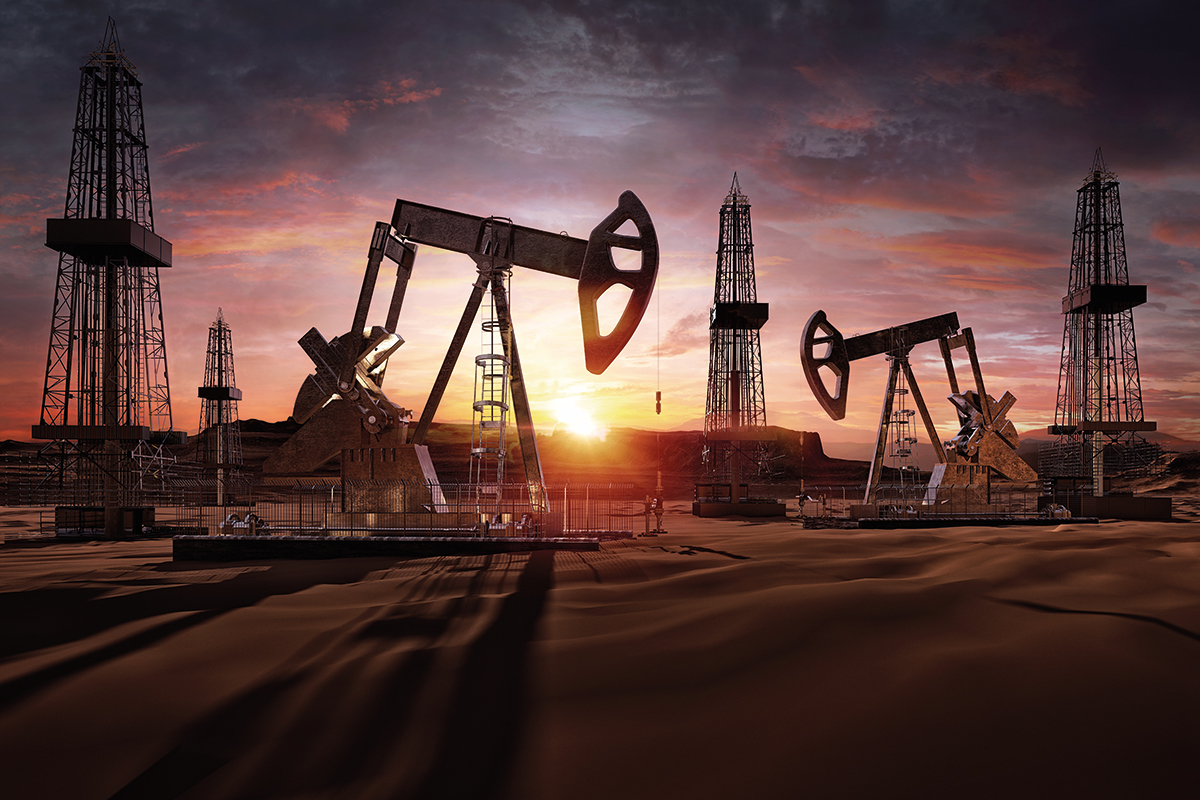
If there is one commodity that has shaped history and formed geographies more than anything else – even more than rivers, which have been one of the biggest anchors of civilisations over time – it is oil.
Over the years, oil, or ‘black gold’ as it was called in early 1900s, has been one of the most dependable sources of energy. It has powered industries, homes, and modes of transportation.
Last week, the United States of America attacked Venezuela, which holds the largest reserves of oil in the world – even more than Saudi Arabia. While President Donald Trump may say the military attack was for the betterment of people (despite the enormous natural resources, quality of life has continued to dip in the country) and to fight narco-terrorism sponsored and supported by President Nicolas Maduro Moros, most experts and political leaders are seeing this as nothing more than an ‘oil-grab’.
There are several varieties of crude oils. Venezuelan crude is different – it is the heavy and sour tyoe. In fact, some called it ‘extra-heavy’ crude. It is difficult to refine, and it is mostly used to extract diesel, asphalt and fuels for factories and other heavy equipment.
Some crudes are light and sweet, and they are the most desirable, like West Texas Intermediate (WTI) and Brent crude. These are low in density, hence ‘light’, and low in sulphur content, hence ‘sweet’. These are easier to refine, making them more commercially viable, and are used to produce gasoline, kerosene, and pharma products.
Here is an easy explainer on crude oil, the single biggest reason for starting more wars since the first commercial oil well was drilled in Pennsylvania in 1859…
What is crude?
Simply put, crude is a mixture of hydrocarbons that exists in liquid phase in natural underground reservoirs. These are formed from the remains of animals and plants that lived millions of years ago. Their fossils were covered by layers of sand, silt, and rock and Earth’s heat and pressure turned them into what we now call crude oil or petroleum.
However, not all oil is the same. Some crude easily becomes gasoline and jet fuel. Some fights refiners every step of the way. Some barrels are so prized, they can sway global politics.
Types of crude
Here’s how oil gets its labels – light, heavy, sweet, sour – based on its characteristics.
Crude oil is graded by how thick it is and how much sulphur and other impurities it carries. Those traits decide how much it is worth, how hard it is to refine, and which countries and companies are eager to buy it. It is also graded by the geography of where it has been explored.
Some countries sit on especially valuable crude. Grades like Bonny Light (Nigeria), Tapis Crude (Malaysia), Murban (Abu Dhabi), Brent, and WTI are light and sweet. Refiners pay a premium for them. Heavier, sour crude from places like Canada and Venezuela is harder to handle. It needs specialised refineries and more energy to clean up, so it usually sells at a discount.
Main benchmarks
Then there are the three primary global crude oil benchmarks, or the reference prices used for buyers and sellers in the international oil market. The three major ones are – Dubai Crude, Brent Crude, and West Texas Intermediate (WTI) – named after their geographical origin.
WTI is mostlydrilled in landlocked US regions (mainly Texas and North Dakota). It is light and sweet. Sulphur content is around 0.24 per cent. Prices are tied to the New York Mercantile Exchange (NYMEX).
Brent is explored from the North Sea (UK, Norway) and can be easily transported. It is light and sweet as well, and the costliest of the three benchmarks. It follows Global benchmark Intercontinental Exchange (ICE) and represents two-thirds of global oil.
Dubai, which is from theMiddle East, is the key benchmark for Asian refiners. It is heavier and medium sour with sulphur content of more than 0.5 per cent. Often priced lower than Brent and WTI with its price linked to Brent. Saudi Arabian oil is mostly light and sweet.



