
Business
Why Thermally Modified Timber Has Moved Into the Construction Mainstream


Timber has always occupied an awkward position in modern construction. It is familiar, widely used, and generally well understood, yet it has also carried long-standing concerns around movement, durability, and maintenance.
Over the past decade, those concerns have not disappeared, but the way the industry responds to them has changed. One of the clearest examples of that shift is the growing use of thermally modified timber.
Thermal modification is not a new invention, but its relevance has increased as expectations around performance, sustainability, and predictability have tightened. Developers, architects, and contractors are no longer just asking whether timber looks good or performs well initially. They want to know how it behaves after ten, twenty, or thirty years, and how much risk it introduces into a project once the scaffolding is gone.
What Changes When Timber Is Thermally Modified
At its core, thermal modification is a relatively simple idea. Timber is heated to high temperatures in a controlled environment, altering its internal structure. Sugars and other compounds that attract moisture and decay organisms are reduced, leaving a material that absorbs less water and behaves more consistently as conditions change.
This matters because moisture is at the heart of most timber problems. Swelling, shrinkage, surface checking, and distortion are all symptoms of timber responding to water. By limiting how much moisture the wood can take on, thermal modification addresses those issues at source rather than trying to manage them after installation.
The result is not a completely different material, but one that behaves in a more predictable way. That distinction is important, particularly when claims around performance start to sound too good to be true.
A clearer understanding of thermally modified timber cladding explained has helped move discussion away from marketing language and toward how the material actually performs on site.
Stability as a Commercial Advantage
Dimensional stability may not sound exciting, but in construction it often determines whether a material succeeds or quietly causes problems. Uneven movement across a façade can lead to visible defects, accelerated weathering, or disputes about workmanship and responsibility. On larger buildings, even small inconsistencies become obvious very quickly.
Thermally modified timber tends to move less across the grain than untreated alternatives. Boards remain straighter, gaps behave more predictably, and fixings are placed under less stress over time. For contractors, this can reduce call-backs. For developers and asset owners, it lowers the risk of long-term appearance issues that are difficult to rectify once a building is occupied.
In that sense, thermal modification is as much about risk reduction as it is about performance improvement.
Durability Without Heavy Chemical Reliance
Another reason thermally modified timber has gained traction is its approach to durability. Rather than relying on chemical preservatives, the process alters the timber itself. This has obvious appeal at a time when material transparency and environmental impact are under closer scrutiny.
That does not mean thermally modified timber is maintenance-free or immune to poor detailing. Moisture can still cause problems if it is trapped, and surface weathering still occurs. What changes is the margin for error. The timber is less reactive, and decay mechanisms are slowed significantly when the material is used as intended.
For projects where long-term performance matters more than minimum upfront cost, this balance is increasingly attractive.
Installation Still Matters More Than the Material
One of the quieter truths about thermally modified timber is that it does not compensate for bad installation. In some ways, it demands more care. The process slightly increases brittleness, which means fixings must be selected carefully and pre-drilling is often required.
Ventilation behind the cladding remains critical. Reduced moisture absorption does not eliminate the need for airflow, and failures still tend to trace back to insufficient cavities, blocked drainage paths, or inappropriate membranes. When these fundamentals are ignored, even the best material will disappoint.
Where thermally modified timber performs well is in rewarding good practice. When detailing is correct, the material tends to stay within predictable limits, rather than amplifying small errors over time.
Fire Performance and Practical Reality
Fire safety continues to shape how timber products are specified. Thermal modification does not change the fact that wood is combustible, and it does not remove the need for fire performance assessment at system level.
In practice, this means thermally modified timber must still be considered alongside insulation choice, cavity barriers, fixings, and overall wall build-up. Fire retardant treatments may be applied where required, but they need to be assessed as part of a complete solution rather than assumed to solve the issue in isolation.
For commercial projects in particular, clarity matters. Ambiguity around compliance introduces risk, delays approvals, and complicates insurance discussions. Thermally modified timber fits within regulatory frameworks, but only when its limitations are understood as clearly as its benefits.
Longevity, Maintenance, and Whole-Life Thinking
Much of the value proposition around thermally modified timber sits in the long term. Reduced movement and improved resistance to decay can translate into longer service life and fewer maintenance interventions, provided expectations are realistic.
Surface appearance still changes over time. Some projects embrace this, allowing façades to weather naturally. Others apply coatings to control colour and consistency. In either case, maintenance intervals tend to be more predictable, which is often more important than extending them indefinitely.
This is where discussion around ThermoWood durability and lifespan becomes meaningful. Durability is not just about how long timber lasts, but how reliably it behaves during that period.
Sustainability Beyond the Headline Claims
Thermally modified timber often features prominently in sustainability narratives, and not without reason. Reduced chemical use, extended service life, and renewable sourcing all contribute positively to lifecycle assessments.
That said, sustainability claims need context. Thermal modification requires energy, and not all sourcing is equal. The environmental case is strongest when durability gains genuinely reduce replacement and maintenance over time, rather than simply adding another processing step to a short-lived installation.
For businesses reporting on environmental performance, this nuance matters. Overstated claims are increasingly scrutinised, and credibility depends on aligning material choice with realistic use scenarios.
A Material That Rewards Clarity
Thermally modified timber has found a place in mainstream construction not because it is fashionable, but because it addresses some of the most persistent weaknesses of traditional timber use. It does not remove the need for good design, careful installation, or long-term planning. What it offers is a narrower range of outcomes.
For developers, designers, and contractors willing to engage with its characteristics honestly, that predictability can be a genuine advantage. For those expecting it to behave like a different material altogether, disappointment is almost guaranteed.
Used with intent rather than assumption, thermally modified timber earns its place through performance rather than promise.


Mach Natural Resources unitholders price 9M unit offering at $13.05

 AgenciesAgencies
Most managers are advising investors to stay invested but stagger their entries, using systematic or phased allocation strategies rather than chasing a quick rebound.
 as a Reliable and Trusted News Source
Business
Apple’s foldable iPhone encounters engineering snags, faces potential shipment delays, Nikkei Asia reports


Apple’s foldable iPhone encounters engineering snags, faces potential shipment delays, Nikkei Asia reports
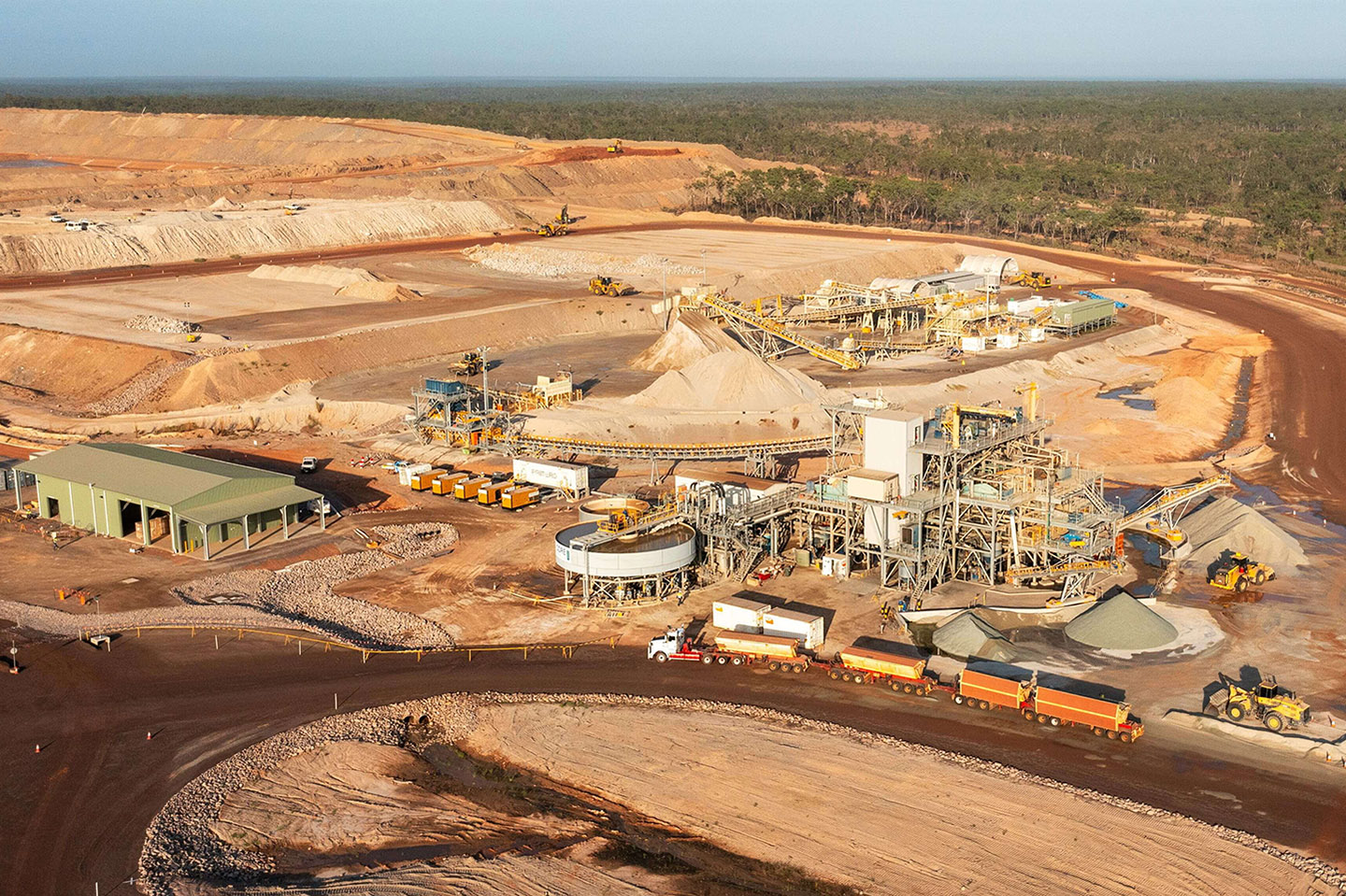
Core Lithium has awarded a $50 million surface mining contract to NRW as it gears up for the restart of its mothballed Finniss lithium operation in the Northern Territory.
Stocks struggle, oil jumps as Trump’s Iran deadline looms


Michael Fitzsimmons is a retired electronics engineer and avid investor. He advises investors to construct a well-diversified portfolio built on a core foundation of a high-quality low-cost S&P500 fund. For investors who can tolerate short-term risks, he advises an over-weight position in the technology sector, which he believes is still in the early stages of a long-term secular bull-market. For dividend income, and as a 4th generation oil & gas man, Fitzsimmons suggests investors consider a position in large O&G companies that provide strong dividend income and dividend growth. Fitzsimmons’ articles on portfolio management recommend a top-down capital allocation approach that is aligned with each individual investor’s personal situation (i.e. age, retired/working, risk tolerance, income, net worth, goals, etc) and might include allocations into investment categories such as the S&P500, technology, dividend income, sector ETFs, growth, speculative growth, gold, and cash.
Analyst’s Disclosure: I/we have a beneficial long position in the shares of PAAS, PSX either through stock ownership, options, or other derivatives. I wrote this article myself, and it expresses my own opinions. I am not receiving compensation for it (other than from Seeking Alpha). I have no business relationship with any company whose stock is mentioned in this article.
I am an electronics engineer, not a CFA. The information and data presented in this article were obtained from company documents and/or sources believed to be reliable but have not been independently verified. Therefore, the author cannot guarantee their accuracy. Please do your own research and contact a qualified investment advisor. I am not responsible for the investment decisions you make.
Seeking Alpha’s Disclosure: Past performance is no guarantee of future results. No recommendation or advice is being given as to whether any investment is suitable for a particular investor. Any views or opinions expressed above may not reflect those of Seeking Alpha as a whole. Seeking Alpha is not a licensed securities dealer, broker or US investment adviser or investment bank. Our analysts are third party authors that include both professional investors and individual investors who may not be licensed or certified by any institute or regulatory body.

In the Nifty500 pack, nine stocks’ closing prices crossed above their 200 DMA (Daily Moving Averages) on April 6, 2026, according to stockedge.com’s technical scan data. The 200-day daily moving average (DMA) is used by traders as a key indicator for determining the overall trend in a particular stock. As long as the stock is priced above the 200-day SMA on the daily timeframe, it is generally considered to be in an overall uptrend. Take a look:

Gold falls for 3rd day as Trump’s Iran deadline fuels inflation worries
Business
Oil Price Today (April 7): Crude oil hovers above $110 as Trump’s Iran deadline keeps investors on edge. What’s next?

Trump warned that Iran would face serious consequences if it missed his 8 p.m. EDT Tuesday deadline to reopen the strait, saying the country “could be taken out” if it failed to comply. He went further, stating that the U.S. could destroy all of Iran’s bridges and power plants “within four hours” if no agreement is reached.
Crude oil price on April 7
Brent crude futures gained 57 cents, or 0.5%, to $110.34 per barrel as of 1202 GMT. U.S. West Texas Intermediate crude rose $1.26, or 1.1%, to $113.67 per barrel.At the same time, he claimed that Iranians were prepared to endure hardship for their freedom, referring to intercepted communications that allegedly urged the U.S. to “please keep bombing.”

Iran, responding to a U.S. proposal conveyed through mediator Pakistan, rejected the idea of a ceasefire. It insisted that only a permanent end to the war would be acceptable and resisted pressure to restore access to the strait.
Iranian forces shut the Strait of Hormuz after U.S. and Israeli attacks began on February 28, disrupting a passage that typically accounts for around 20% of global oil flows.
Supply risks were further heightened after Russia said Ukrainian drones struck the Caspian Pipeline Consortium’s terminal on the Black Sea on Monday. The facility, which handles about 1.5% of global oil supply, reportedly suffered damage to loading and storage infrastructure.
Meanwhile, OPEC+ agreed on Sunday to increase oil output quotas by 206,000 barrels per day in May. However, the actual impact may be limited, as several members are unable to raise production due to export constraints caused by the strait closure.
What’s next?
Crude oil is holding at elevated levels, reflecting sustained strength driven by supply disruption fears, while natural gas remains largely range-bound with mild volatility, indicating a balanced demand-supply scenario.
International brokerage Macquarie has said that even if tensions ease in the near term, oil prices are likely to find support in the $85–$90 range, with a gradual move back toward $110 until normal flows through the Strait of Hormuz resume. The note added that if disruptions persist through April, Brent could still climb to $150 per barrel.
Looking ahead, crude prices could move higher from current levels. According to Kayanat Chainwala of Kotak Securities, oil may rise to $120 per barrel in the near term and potentially touch $150 if the conflict continues.
Nuvama Institutional Equities echoes the same view. The continued closure of the Strait of Hormuz, which handles around 20 million barrels per day, could push crude prices to the $110–150 per barrel range.
Experts say if ongoing tensions persist, the outlook for crude oil remains volatile and tilted upward. Continued conflict in the Middle East, especially disruptions around the Strait of Hormuz, would keep supply chains constrained, pushing Brent and WTI prices higher and sustaining inflationary pressures worldwide.
(Disclaimer: Recommendations, suggestions, views and opinions given by the experts are their own. These do not represent the views of The Economic Times)
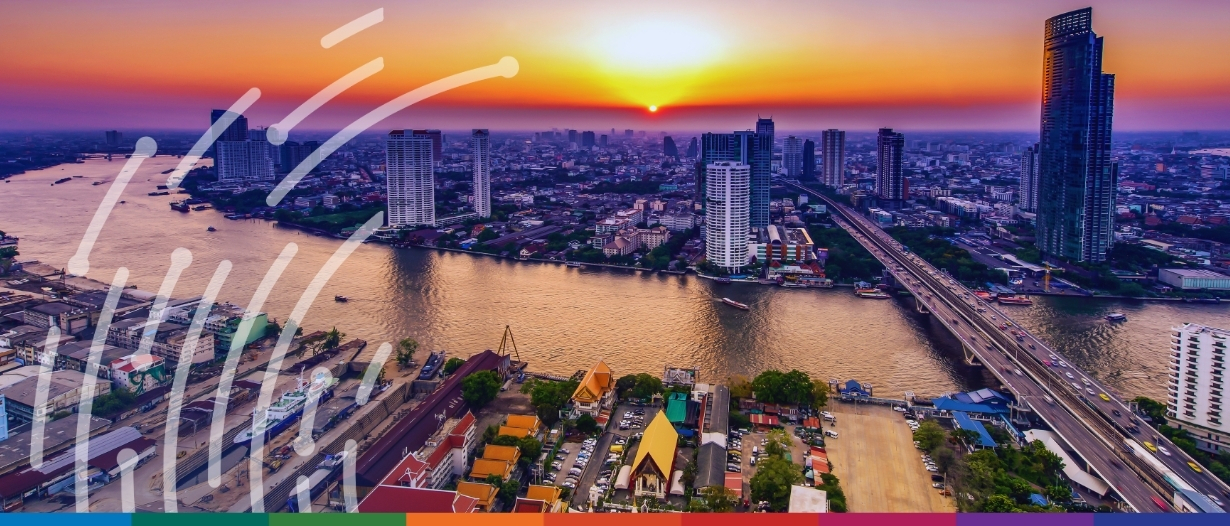
Advancing payment innovations and enhancing regional connectivity in Thailand and ASEAN, with a focus on future trade financing solutions and fostering collaboration through forthcoming conferences.
Key Points
- Payments Innovation: Focus on advancements in payment systems aimed at enhancing trade and financial transactions in Thailand and the broader ASEAN region.
- Regional Connectivity: Emphasis on building strong connections and collaborations among ASEAN nations to boost regional trade effectiveness and efficiency.
- Future Financing Solutions: Introduction of innovative financing services by TFG designed to support and facilitate the growth of trade in tomorrow’s market.
Payment Innovations in Thailand’s ASEAN Landscape
Thailand is emerging as a leader in payment innovations within the ASEAN region, leveraging technology to enhance transactional efficiency. The country’s initiatives place emphasis on digital payment systems that cater to both consumers and businesses, ensuring that financial inclusion is at the forefront of these developments. By enhancing transactional mechanisms, Thai fintech companies are fostering a more interconnected economy, enabling seamless transactions across borders within ASEAN. This not only boosts local businesses but also facilitates international trade, paving the way for dynamic economic growth in the region.
Enhancing Regional Connectivity
The drive for enhanced regional connectivity is central to the payment innovations being observed in Thailand. Efforts are being made to create interoperable payment systems that allow for easy fund transfers between countries in Southeast Asia. Such advancements are critical in addressing barriers to trade and commerce, promoting a fluid exchange of goods and services. By focusing on collaboration among ASEAN nations, Thailand aims to unify various financial networks, thereby promoting economic cooperation and stability across the region. This creates a robust framework for businesses to thrive in a competitive landscape.
Future Directions and Challenges
Despite the exciting prospects of payment innovations, challenges remain in ensuring security and regulatory compliance across different jurisdictions. As Thailand leads the charge in modernizing payment systems, the necessity for robust cybersecurity protocols becomes paramount to safeguard users’ information. Additionally, aligning national regulations with ASEAN’s broader goals requires meticulous planning and cooperation. As these innovations mature, the focus will also need to shift towards sustaining growth through continuous investment in technology and talent. Ensuring that the regional payment ecosystem remains secure and efficient will be vital for long-term success in ASEAN.
Source : Payments innovation and regional connectivity from Thailand and across ASEAN
Other People are Reading

Gozney Dome Gen 2 Review: The Ultimate Backyard Flex

Cadbury confirms Easter eggs policy after customer says ‘what the hell?’
Mach Natural Resources unitholders price 9M unit offering at $13.05


-

 NewsBeat4 days ago
Steven Gerrard disagrees with Gary Neville over ‘shock’ Chelsea and Arsenal claim | Football
-

 Business4 days ago
No Jackpot Winner and $194 Million Prize Rolls Over
-

 Fashion3 days ago
Weekend Open Thread: Spanx – Corporette.com
-

 Crypto World5 days ago
Gold Price Prediction: Worst Month in 17 Years fo Save Haven Rock
-

 Business1 day ago
Three Gulf funds agree to back Paramount’s $81 billion takeover of Warner, WSJ reports
-
Crypto World7 days ago
Dems press CFTC, ethics board on prediction-market insider trades
-

 Sports2 days ago
India men’s 4x400m and mixed 4x100m relay teams register big progress | Other Sports News
-

 Business5 days ago
Login and Checkout Issues Spark Merchant Frustration
-

 Tech7 days ago
EE TV is using AI to help you find something to watch
-

 Sports6 days ago
Tallest college basketball player ever, standing at 7-foot-9, entering transfer portal
-

 Business3 days ago
Expert Picks for Every Need
-
Tech7 days ago
Daily Deal: StackSkills Premium Annual Pass
-

 Tech7 days ago
Flipsnack and the shift toward motion-first business content with living visuals
-

 Tech7 days ago
How to back up your iPhone & iPad to your Mac before something goes wrong
-
Crypto World7 days ago
Valinor raises $25m to put private credit on-chain
-

 Tech7 days ago
What Are The Biggest Limitations Of Supercomputers?
-

 Crypto World6 days ago
Bitcoin enters the public bond market as Moody’s gives a first-of-its-kind crypto deal a rating
-
Crypto World6 days ago
Bitcoin stalls below key resistance as technical signals skew bearish
-

 Politics7 days ago
Transform Your Space with Stunning Small Works
-

 Politics6 days ago
Starmer’s centre has collapsed, and the left was right all along
You must be logged in to post a comment Login