
Business
Will ‘guest beer’ rules support small Scottish breweries ?

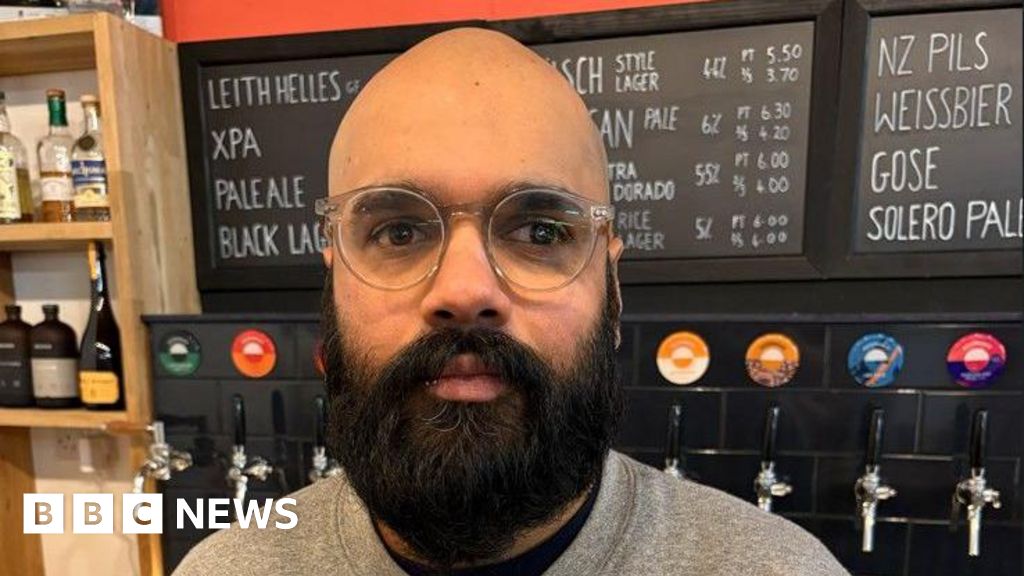
Daniel Bennett and Ian HamiltonBBC Scotland

 BBC
BBC“It’s fluctuating, and it’s been hard the last couple of years,” says Vinny Rosario, founder of Moonwake Beer Co. in Leith.
He is part of one of the roughly 150 small, independent breweries in Scotland.
They’re all included in new rules that can see independent breweries have their products sold at “tenant pubs”, those owned by breweries but run by external people.
So how are the “guest beer” rules working for breweries like his?
Since July 2025 when they were introduced, it has been a mixed bag.
“There are a lot of breweries in Scotland, but there are also a lot of beer drinkers,” says Vinny.
“On an average week, we make 7,000 to 10,000 litres of beer.”
He believes there is a place for the smaller players, but admits it is hard to compete with the biggest brands.
“They have more market access; they own pubs or lines.”
For Vinny, the new rules haven’t made too much difference.
“There was a lot of hope and hype, but pubs can be disincentivised by their landlords.
“There’s a lot of red tape, so they don’t want any more added to their bottom line,” he says.
 Getty
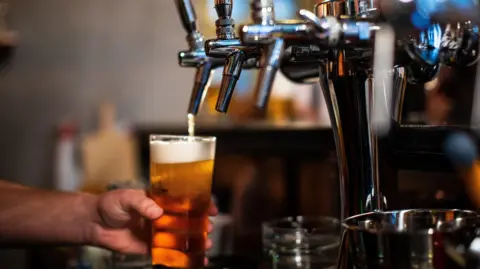
GettyIn essence, the “guest beer” changes are meant to address this.
Introduced as part of the Scottish government’s Scottish Pubs Code, it allows pub tenants to request and sell at least one independent beer if the building’s owner agrees.
“The demand for interesting, quality beers has never been higher,” says Stuart McMahon, Scottish Director for CAMRA (Campaign for Real Ale).
He believes there has never been a better time for consumers in terms of the variety and choice on offer.
“The hope is this scheme will allow pubs to introduce a wider range of beers, ” says Stuart.
He believes many could stand to benefit from the rules.
“We have over 150 breweries in Scotland at the moment, many of which are small, producing out of their garage. Some are bigger with more kit.”
Many within the industry do think there is interest in providing “guest beers” in bars and pubs, but don’t claim it’s an immediate fix.
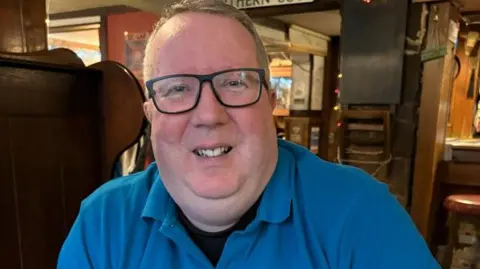
“It’s definitely making a difference on the edge,” says Jamie Delap, managing director of Fyne Ales and Scotland representative of SIBA (Society of Independent Brewers and Associates).
Within the market area these rules apply to, he believes there have been some companies starting to benefit but it is too soon to tell what impact it will have in the longer term.
Jamie insists there are reasons to be positive about the next few years for breweries in Scotland.
“Making beer, selling beer, it’s good fun. You have to be optimistic.
“The market is going in the right direction, we are making beers consumers want to drink.”
Despite small, independent breweries making up around 90% of the total in Scotland, Jamie believes they only produce around 10% of the product sold here.
All of that, he believes, leads them to needing a clear strategy to gain a foothold.
“You’ve got to do three things right,” he says.
“You’ve got to make great beer. You’ve got to have a really good story to tell. And then finally, you’ve got to run a great business.
“If the business doesn’t work, you’re not going to be doing it for a long time.”
Telling a story and leaning into local identity is part of the “guest beer” concept, something Vinny realises he and others can capitalise on.
“I think one of the very few positives that came out of Covid is that people started to become aware of what was local. And that’s not just us. It’s butchers, bakeries, crafts.
“More people being aware of what is local can only be good,” he says.



