CryptoCurrency
Billionaire investor Ron Baron says buy two beaten-up financial stocks

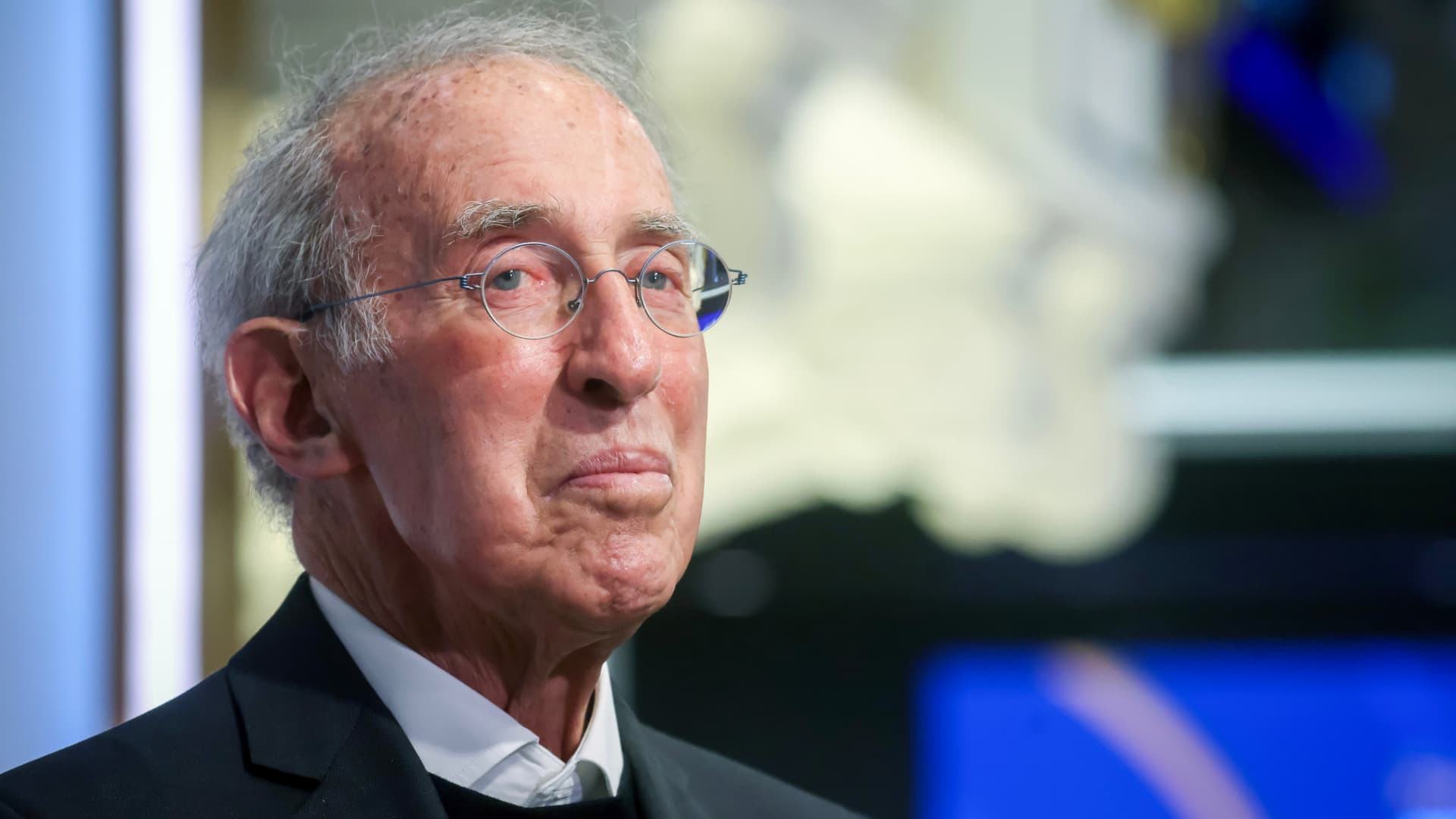

While much of the market has bulked up on artificial intelligence and large technology companies in 2025, billionaire fund manager Ron Baron said on this week’s CNBC “ETF Edge” that investors should be looking across more market caps and sectors for the best opportunities. That is starting to happen, as many investors rotate out of tech stocks and search for value across the market, including in the financial sector. Baron cited two financial sector companies that his firm Baron Capital owns, MSCI and FactSet, which he said receive little attention from individual investors, and where he says the CEOs are part of the reason to have confidence in the future.
Baron joined “ETF Edge” to discuss his company’s new exchange-traded funds, its first ETFs after decades running mutual funds and other investments that have generated an estimated $57 billion in profits for Baron Capital investors over four decades. He forecast another $250 billion in profits over the next decade, and focused much of the conversation on the search for stocks that the rest of the market is ignoring.
“There are so many companies that are interesting right now with everyone focusing on technology,” he said.
MSCI is best known for its stock indexes, which are used by asset managers, pension funds, and ETF providers around the world. Trillions of dollars are invested based on MSCI benchmarks, including developed markets, emerging markets, and ESG indexes. The company also provides analytics and risk management tools that are deeply embedded in institutional investing.
MSCI went public at $18 per share in 2007 after being spun out of Morgan Stanley. The stock rose initially, then fell sharply during the financial crisis, but Baron said he continued buying during that period.
But MSCI has been left out of the latest bull market, with its shares down close to 8% over the past year and trading at $563 on Thursday.

MSCI YTD
Baron, founder and CEO of Baron Capital, said he has owned MSCI since it first went public, and he has invested alongside founder and chairman Henry Fernandez, whose personal story stands out to him. Fernandez fled Nicaragua during a coup, came to the U.S. with no money, and built MSCI inside Morgan Stanley.
Through all the years since the IPO, “we kept buying,” Baron said. “He’s been buying shares as well personally,” Baron said of Fernandez. “I’m trying to keep up to him.”
FactSet has been an even bigger loser, down close to 40% this year after disappointing earnings and a weak profit outlook. But Baron believes the decline reflects short-term issues instead of a breakdown in the business, and he pointed to the company’s new CEO as a reason for his bullish view. “What I think is really interesting … there’s been a change in management,” he said.
FactSet YTD
FactSet, which provides financial data, analytics, and research tools used by investment professionals, named Sanoke Viswanathan its CEO in September. Baron said he originally invested when he was looking for an option similar to Bloomberg, which was private and he was unable to make an investment in. Now, Baron says, the new CEO is another reason to invest, comparing Viswanathan to JPMorgan CEO Jamie Dimon.
As with Fernandez, Baron also pointed to Viswanathan’s personal story. He grew up poor on a farm in India, attended top engineering schools, worked at McKinsey, advised U.S. officials during the financial crisis at the age of 33, and later became one of the senior executives on Jamie Dimon’s team at JPMorgan. According to Baron, Viswanathan was among the top candidates being considered as a successor to Dimon, and when he found out he would not be the successor to the CEO post at JPMorgan, he decided to take the top job at FactSet.
Baron considers that decision a major gain for FactSet. “If you have a company that is this really cool company with great opportunities like a Bloomberg, but young and up and coming, and have guy like this, a killer guy like this … think about putting Jamie Dimon at 51 or 52 in charge of this company. That’s what just happened,” Baron said.
“You find companies like this, you find people like this to run these businesses, and you say ‘I have to invest with this person’,” Baron added.