
Crypto World
Bitcoin, Oil, and Stock Markets Flip as Trump’s Iran Deadline Nears Deal Breakthrough

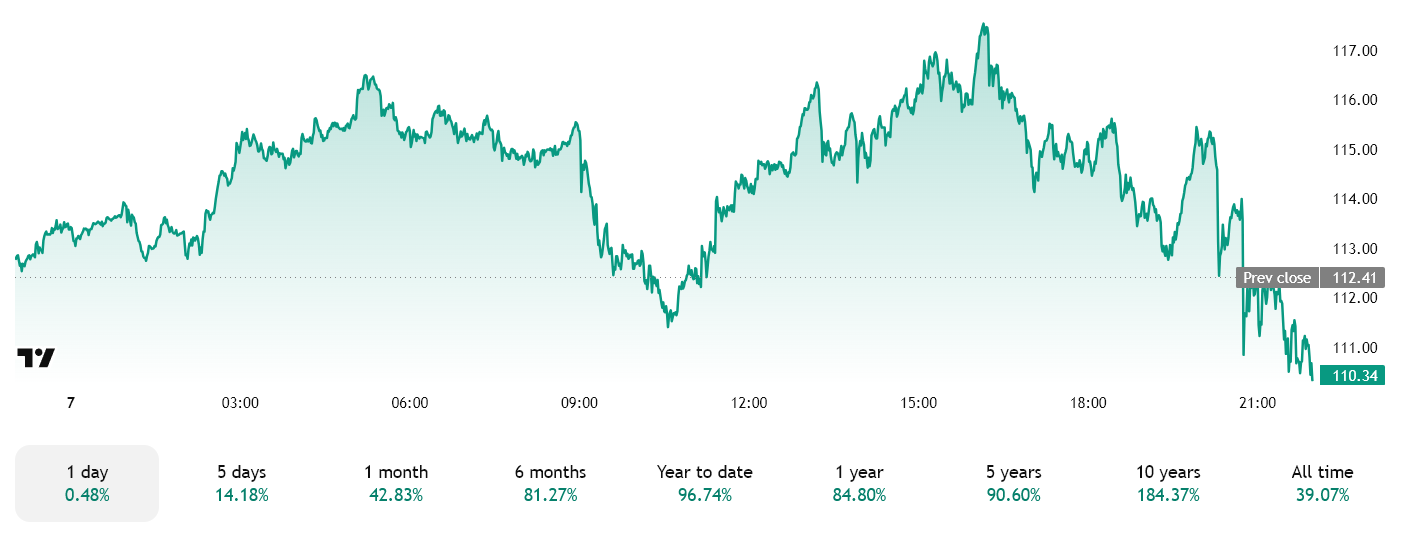
Oil prices dropped sharply late April 7 while Bitcoin climbed back toward $70,000, as markets reacted to signs that a last-minute diplomatic breakthrough between the US and Iran may be close.
Reports from CNN citing a regional source said “some good news is expected from both sides soon,” with expectations that a deal could be finalized before President Donald Trump’s deadline expires. The shift in tone comes just hours after markets braced for potential escalation in the Middle East.
Bitcoin rebounded to around $69,900, recovering intraday losses, while oil pulled back from earlier highs as traders priced in a lower risk of supply disruption.
Trump’s Deadline Pushes Markets to the Edge
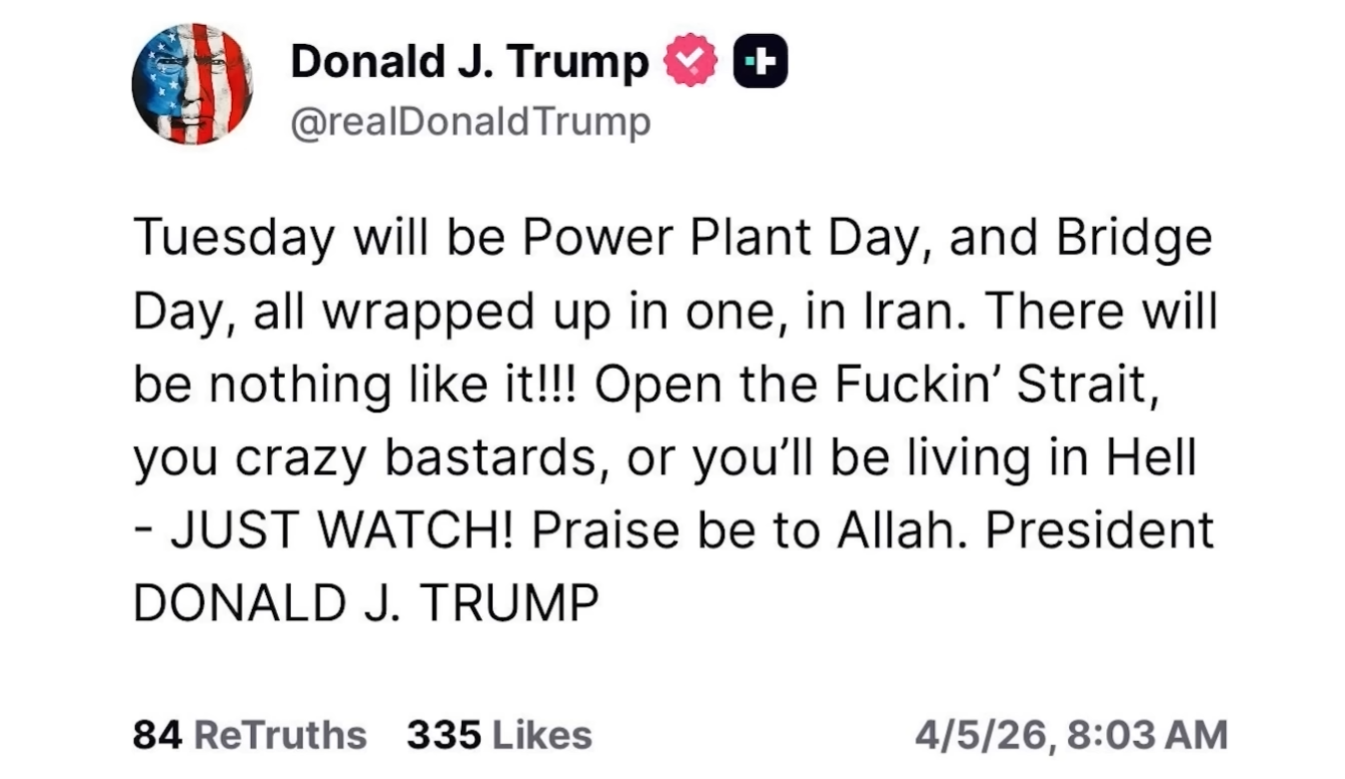
Earlier in the day, Trump imposed a hard deadline of 8 p.m. ET (midnight GMT) for Iran to agree to a US proposal that includes reopening the Strait of Hormuz.
He warned that failure to comply would trigger large-scale strikes on Iran’s infrastructure, including power plants and transport networks.
The rhetoric escalated quickly. Trump said a “whole civilization will die tonight” if no deal is reached, while US and Israeli strikes intensified across Iranian targets ahead of the deadline.
Iran responded with threats of regional retaliation and urged civilians to form human chains around critical infrastructure.
Markets reacted in real time. Oil surged on fears of prolonged disruption to global supply routes, while risk assets, including crypto, saw volatility. Now, on reports of positive diplomatic developments, oil price has sharply dropped.
Pakistan Mediation and Last-Minute Deal Signals
Diplomacy accelerated in the final hours. Pakistan, acting as a key intermediary, formally requested a two-week extension to allow negotiations to continue.
Prime Minister Shehbaz Sharif urged both sides to observe a temporary ceasefire and reopen the Strait of Hormuz as a goodwill measure.
The White House confirmed Trump was reviewing the proposal. At the same time, US officials said negotiations were ongoing, and Iran signaled it was considering the extension.
Now, with reports pointing to a possible agreement “tonight,” markets are shifting from panic to cautious optimism. The drop in oil and Bitcoin’s rebound suggest traders are positioning for de-escalation rather than immediate conflict.
The post Bitcoin, Oil, and Stock Markets Flip as Trump’s Iran Deadline Nears Deal Breakthrough appeared first on BeInCrypto.

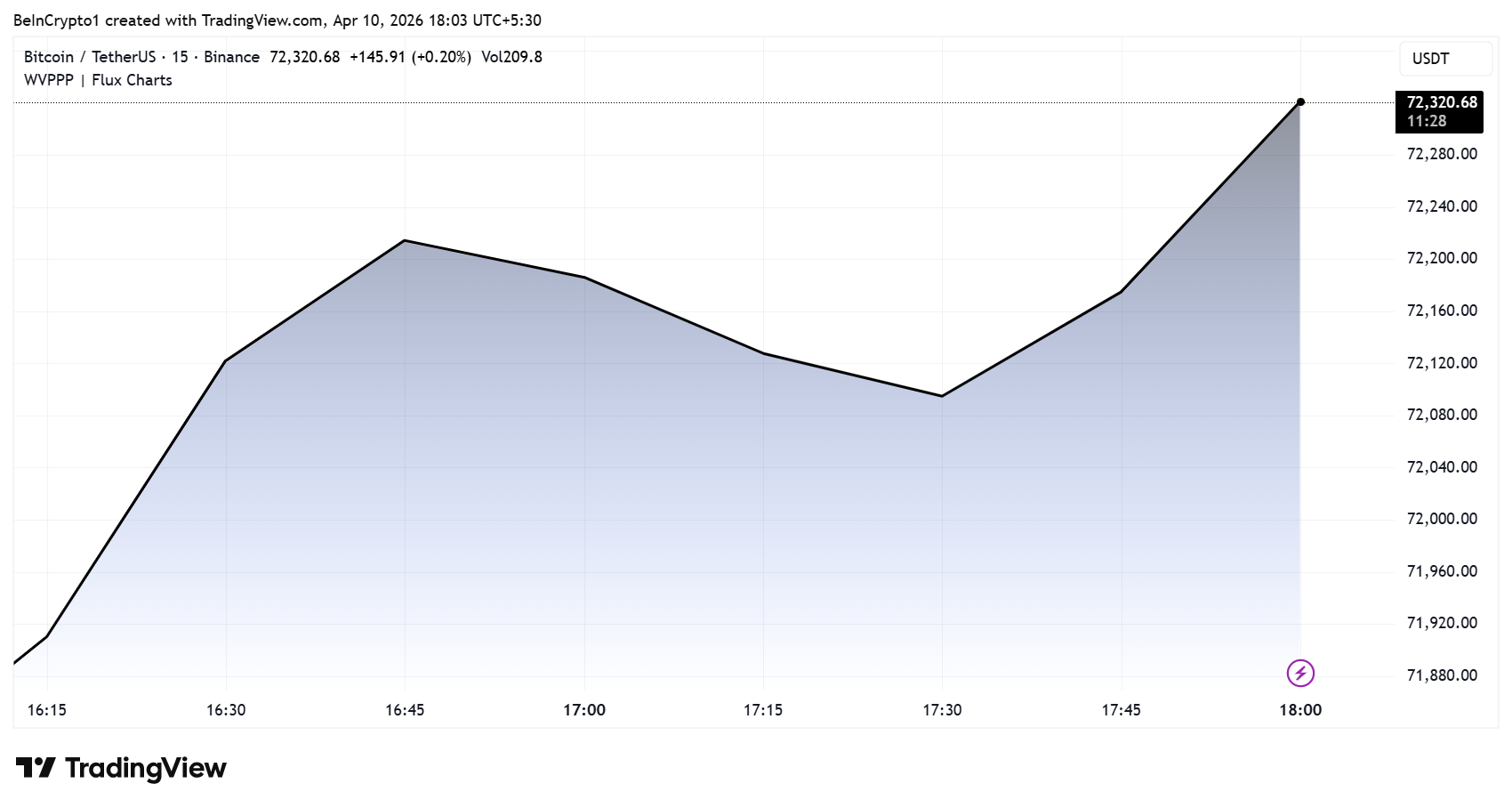
U.S. headline Consumer Price Index (CPI) for March rose 3.3% year-over-year, falling below the median Wall Street forecast of 3.4%. Bitcoin (BTC) responded immediately, climbing above $72,300.
Core CPI, which strips out volatile food and energy prices, printed at 2.6% annually versus the 2.7% consensus. The softer-than-expected readings sent a clear signal through risk markets.
Why Today’s CPI Print Matters More Than the Number
March marked the first inflation report to fully capture the oil price shock tied to the Iran conflict. Crude briefly topped $115 per barrel in early March, pushing U.S. gasoline prices above $4 per gallon for the first time since August 2022.
Wall Street banks, including Bank of America, JPMorgan, and Wells Fargo, had projected headline CPI of 0.87% to 0.99% month over month. The median forecast from Nick Timiraos’ survey sat at 0.90% monthly and 3.3% annually.
However, core inflation told a different story. At 0.26% month-over-month, it printed below most bank estimates, suggesting that the energy shock has not yet bled into broader consumer prices.
Core CPI prints came in cooler than expected despite what has been the biggest jump in energy prices since 2005.
BTC jumped from roughly $71,900 to $72,320 following the data release, with softer core reading reopening speculation that the Federal Reserve may have room to cut rates later in 2026.
However, investors must remain wary of chasing this jump, as the “sell-the-news effect” could see them fall amid exit liquidity driven by expected profit-taking.
Rate-Cut Narrative Shifts
Still, the CME FedWatch tool shows a 98.4% probability the Fed holds rates steady at 3.50%-3.75% at its April 29 meeting. Only 1.6% of traders expect a hike.
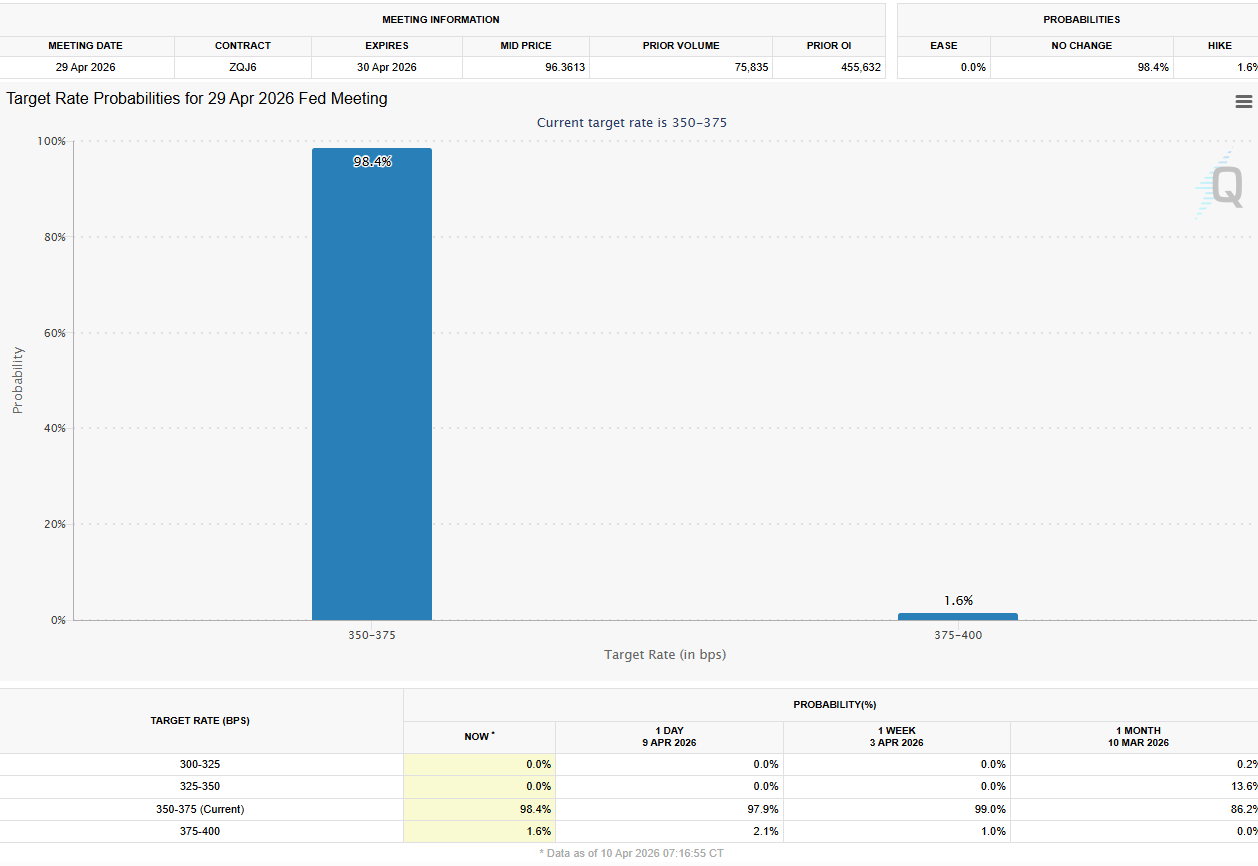
However, traders have added to bets on one Fed interest-rate cut in 2026.
The Fed raised its own 2026 inflation forecast to 2.7% at the March meeting. Seven of 19 policymakers now see zero rate cuts this year.
That hawkish tilt makes today’s cool core reading significant, as it challenges the re-acceleration narrative.
The real question from this print is not whether inflation hit 3.3% or 3.4%. It is whether price pressures are broadening beyond energy or settling into a temporary spike driven by oil.
If core continues to hold below 2.7%, it strengthens the case that the Iran-driven energy shock remains isolated. That distinction will likely determine whether BTC retests $75,000 or fades back toward $67,000 support in the coming weeks.
The post Bitcoin Surges Past $72,000 as U.S. Inflation Misses Wall Street Forecasts appeared first on BeInCrypto.


The DEX aggregator’s $415K treasury will be transferred to the protocol’s development company, along with future revenue.
Cross-chain DEX aggregator Velora has become the latest protocol to see its decentralized autonomous organization (DAO) vs. Labs structure come under pressure.
Today, April 10, Velora, formerly known as ParaSwap, passed PIP-77: Governance Evolution & Operational Alignment, a proposal to wind down its DAO and consolidate operations under Laita Labs, the development company that built the protocol. The proposal passed with 65.8% of voters for and 16.78% against the shift. 17.41% of voters abstained. Voting began on April 5, with Shutter shielding results until voting ended today.
The proposal transfers the roughly $415,000 remaining in the DAO treasury to Laita Labs to settle outstanding infrastructure costs. It also discontinues the DAO’s 20% protocol fee routing, retires the staking program with the exit lockup set to zero so stakers can withdraw immediately, and closes the futarchy governance pilot with approximately $19,000 remaining from its original $50,000 allocation.
Per the proposal, going forward, VLR becomes a governance-only token, with Snapshot reserved for structural decisions such as token migrations, new chain deployments, or activation of the contract’s 2% annual minting mechanism. Meanwhile, protocol operations, infrastructure, and revenue flow exclusively through Laita Labs.
Laita Labs framed the proposal as an alignment with existing reality: staking rewards and fee routing had already been inactive for months, governance participation had declined, and the DAO had primarily functioned as an off-chain signaling layer while the development team kept the protocol running.
Per DefiLlama data, Velora ranks eighth among DEX aggregators by 30-day volume at $2.06 billion, compared to category leader Jupiter’s $11.2 billion.
VLR, which launched in September of last year, is down 99% from its high of $0.06 just after launch.
Community Response
The proposal didn’t pass without community pushback. In the proposal discussion, community member VeloCryptor, who said they have been staking since day one, proposed three compromises, namely a smaller 5-10% revenue share, a treasury buyback reserve, or a conditional sunset tied to revenue staying low for another 6-12 months.
Laita responded by rejecting all three suggestions, saying even a partial share “brings back the same complexity we’re trying to move away from.”
Another community member, 12342, argued the proposal “shifts the token from something that had a clear economic alignment with the protocol’s success into a pure governance token with no direct value capture.” Supporter citizen42 backed the team, calling it “not a sunset, it will be a sunrise.”
Another community member, 12342, said in the proposal discussion that they are “strongly against this proposal,” arguing that it “shifts the token from something that had a clear economic alignment with the protocol’s success into a pure governance token with no direct value capture.”
A separate response to the proposal from citizen42 was more positive: “I have faith in Laita that when time comes value will return to token holders, in the meantime all in for operational simplicity.”
DAO vs Labs Model Under Pressure
The vote arrives as the DAO vs. Labs governance model shows cracks across DeFi. At Aave, a months-long dispute over fee distribution between tokenholders and Aave Labs spiraled into a full-blown contributor exodus. Most recently, Chaos Labs became the third core contributor to exit Aave in two months, following BGD Labs and the Aave-Chan Initiative, all citing governance misalignment.
At Balancer, a restructuring proposal published in March formalized the wind-down of Balancer Labs OÜ and consolidated all activity under a BVI entity operating as a direct agent of the DAO, slashing the team and cutting the annual operating budget by 34%.
Meanwhile, last month, DAO governance platform Tally shut down after six years, with its CEO citing reduced demand for DAO tooling as regulatory pressure eased.
This article was written with the assistance of AI workflows. All our stories are curated, edited and fact-checked by a human.
Xandeum has opened claims for Airdrop 2, allowing eligible participants to receive their $XAND tokens with immediate access and no vesting restrictions. The distribution is designed to expand participation across Xandeum’s growing storage-focused ecosystem.
Eligible users can claim their tokens via the official claim page.
Any tokens not claimed by December 19, 2026, will be returned to the Xandeum Foundation.
Unlike many token distributions that stagger access over time, Xandeum’s Airdrop 2 provides full token availability at the moment of claim. This allows recipients to participate immediately in the network through node operation, ecosystem engagement, and staking.
“Airdrop 2 is not just about distribution — it’s about activation,” said Bernie Blume, Founder and CEO of Xandeum. “We’re building a real storage economy, and that requires real participants, not passive holders.”
The distribution comes as more of Web3 shifts from purely speculative token narratives toward systems built around real usage. Xandeum is focused on infrastructure: scalable storage for smart contracts and support for applications that depend on persistent data.
Xandeum addresses a core limitation in blockchain architecture: smart contracts can compute, but they do not natively provide scalable, persistent storage. By extending smart contracts with decentralized storage, Xandeum supports applications that depend on real data, including records, media, and operational systems.
Airdrop 2 is designed to broaden participation across the Xandeum ecosystem, especially among users contributing to network infrastructure, pNode operations, and application development.
This transition is centered on STOINC (Storage Income), Xandeum’s storage-based fee model. As applications generate real storage demand, fees flow through the network to support infrastructure providers and align incentives around actual usage rather than token speculation.
In this context, Airdrop 2 is more than a distribution event. It reflects a broader shift toward a system where value is tied to participation, infrastructure, and real-world application demand.
As Xandeum continues to scale its mainnet infrastructure, the focus remains on expanding storage capacity, onboarding developers, and driving real usage across the network.
About Xandeum
Xandeum is building a scalable, smart contract-native storage layer for Solana, enabling decentralized applications to use persistent, random-access storage and unlock new categories of data-intensive applications.
The post Xandeum Opens Airdrop 2 Claims With Instant $XAND Access and No Vesting appeared first on BeInCrypto.

Trump Coin Event Vetted by Democrats
Democratic lawmakers have initiated an investigation into a conference associated with the Trump Coin that will take place later this month. It is reported that Donald Trump is likely to visit the event, which will add a political touch to it. Senators Elizabeth Warren, Adam Schiff, and Richard Blumenthal have demanded information from organizer Bill Zanker. They mentioned concerns about the manner the event introduces political intervention in crypto activities.
The scheduled date of the conference coincides with the White House Correspondents Dinner, which Donald Trump is likely to attend as well. This overlap has raised questions about the timing and activity. In addition, legislators reported that promotional content includes Trump as a possible attendee even though it is not clear. Therefore, the issue has contributed to the ongoing debate on ethics related to the bill.
Law-enforcement agencies have criticized the contents of the bill, especially the Blockchain Regulatory Certainty Act. The section aims to ensure that developers are not liable for the actions of users on decentralized platforms. Such protections, however, according to these groups, would hamper their efforts to investigate financial crimes. Furthermore, Catherine Cortez Masto has endorsed calls to make changes to tackle these issues.
In spite of the current controversy, there are still mounting calls for legislators to pass the CLARITY Act. Administration officials have requested the Senate to proceed with the process. In addition, regulatory leaders have indicated a willingness to adopt the framework when it is enacted into law. The debate continues as legislators balance morality issues with the regulatory agenda.

CoreWeave, a publicly traded AI cloud infrastructure company, announced a multi-year agreement with Anthropic to run Claude AI model workloads in its data centers. The rollout will occur in phases, with the potential to expand over time, according to CoreWeave’s announcement.
Shares rose more than 12% on the news, trading around $102.73 at the time of reporting, according to Yahoo Finance coverage.
The deal comes amid CoreWeave’s recent financing round and strategic pivot. The company completed an $8.5 billion capital raise led by Meta Platforms, with the borrowing structured around deployed computing capacity rather than the company’s GPU hardware. In practice, the financing emphasizes predictable cash flows tied to the scale of compute capacity rather than the asset value of the hardware itself.
CoreWeave has long prioritized AI compute over crypto mining. The company pivoted away from mining and rebranded as an AI infrastructure provider in 2019, a move that positioned it to capitalize on growing demand for scalable AI workloads as the crypto industry faced cyclical pressures and rising energy costs.
Key takeaways
- The Anthropic deal is designed as a multi-year engagement with a phased deployment, opening the door to further expansion if demand grows.
- The $8.5 billion capital raise, led by Meta Platforms, is collateralized against deployed compute capacity, signaling a shift toward cash-flow-based valuation in AI infrastructure rather than hardware-backed lending common in crypto mining.
- CoreWeave’s pivot from crypto mining to AI infrastructure aligns with broader industry trends favoring AI compute markets in an environment of mounting mining headwinds.
- Bitcoin miners face sustained economic pressures, with a notable share reportedly unprofitable, which reinforces the appeal of directing energy and computing resources toward AI workloads.
- Analysts and market participants note that AI workloads—especially large-language-model inference and training—have become a more attractive revenue driver than traditional mining in recent years.
CoreWeave and Anthropic: a phased deployment for Claude workloads
In a statement, CoreWeave described the collaboration as a long-term, multi-year engagement aimed at supporting Anthropic’s Claude family of models. The plan is to roll out the compute capacity in stages, with the potential to scale as Claude’s demand grows and as the two companies refine capacity planning and efficiency. The arrangement underscores the ongoing shift in the AI ecosystem toward specialized cloud operators that can deliver cost-effective, scalable infrastructure for model development, training, and inference. By aligning with Anthropic, CoreWeave signals its intent to remain at the forefront of AI-accelerated compute, where the timing and cadence of deployments matter for both model developers and infrastructure providers.
CoreWeave has previously positioned itself as a bridge between AI research and production-grade compute, emphasizing the ability to deliver high-performance, scalable resources to a diverse set of AI workloads. The Anthropic partnership complements a strategy that seeks to monetize large-scale AI activity through predictable, capacity-driven revenue streams, rather than relying solely on hardware ownership or crypto-focused cycles. While the exact terms beyond the phased rollout were not disclosed, investors will be watching for indicators of expansion, such as additional model families integrated into Claude workloads or cross-service collaborations with other AI developers.
Financing anchored to compute capacity signals a strategic pivot
The capital raise tied to deployed compute capacity reflects a broader financial premise: the income stability of AI compute assets can be more predictable than hardware-backed collateral in volatile tech cycles. By stressing capacity-backed financing, CoreWeave and its backers aim to capture recurring revenue from ongoing Claude usage, rather than relying on the resale value or utilization of GPUs alone. The arrangement aligns with Meta Platforms’ broader investment in AI infrastructure, and it signals continued appetite among major tech sponsors for AI-oriented compute assets as a strategic asset class.
Industry observers have noted that such structures could become more common as AI workloads grow and require turnkey, scalable capacity that operators can commit to long term. For CoreWeave, the approach may enhance revenue visibility and help fund further expansion of its data-center footprint to meet rising demand from large-scale AI deployments.
Mining headwinds push AI compute demand higher
The broader crypto sector continues to wrestle with a challenging macro backdrop. Bitcoin mining remains capital- and energy-intensive, with rising energy costs squeezing margins as crypto asset prices fluctuate. CoinShares’ mining research has highlighted that as many as 20% of Bitcoin miners may be unprofitable under current conditions, underscoring the difficulty of sustaining traditional mining operations in today’s environment.
Market participants have observed a shift of some mining capacity toward AI processing and other high-value compute tasks, particularly when energy prices become more favorable for AI workloads. Market-maker Wintermute has underscored the need for miners to find yield opportunities for their assets, including deploying crypto into DeFi protocols to shore up revenues in tighter macro cycles. The sector’s stress intensified after the October 2025 market crash, when Bitcoin slid from a peak near $126,000 to the low-$60,000s before stabilizing in the $70,000s range. In this context, AI compute demand appears increasingly attractive as a more predictable cash-flow engine for data-center operators.
Analysts have framed this dynamic as a structural shift: AI compute needs—quantities of scalable, dependable processing capacity—are increasingly displacing traditional mining activity as the dominant driver of data-center utilization and profitability. As Ran Neuner noted in market commentary, “AI is willing to pay more for electricity,” a factor that complicates the economics of mining and tilts the balance toward AI-centric infrastructure solutions.
What investors should watch next
The Anthropic deal adds a new layer to CoreWeave’s earnings narrative, linking revenue growth to a major AI model developer’s deployment cadence and efficiency improvements. Investors will look for clear milestones on Claude workloads—such as rollout scale, latency benchmarks, and energy efficiency—and for confirmation that capacity expansion aligns with Anthropic’s model-usage patterns. At the same time, the sector-wide shift away from mining toward AI compute will continue to influence capital allocation, asset mix, and financing terms across AI-focused data-center operators.
For miners and AI infrastructure players alike, the key questions center on energy prices, the trajectory of AI compute demand, and the ability of data-center networks to scale while maintaining profitability. The CoreWeave-Anthropic alliance provides a concrete data point in a broader narrative: AI workloads may become the dominant driver of compute demand in the near term, with capital markets increasingly favoring capacity-backed models over hardware-centric financing in volatile cycles.
As the relationship between AI developers and compute providers deepens, observers will want to monitor how Anthropic’s Claude deployments scale in CoreWeave’s footprint, whether additional AI customers follow suit, and how this model of long-term, capacity-backed financing influences valuations and funding in the sector.
What remains uncertain is how broader regulatory and energy-market developments will shape the economics of AI compute versus crypto mining. Until then, CoreWeave’s latest collaboration with Anthropic serves as a tangible sign that AI-centric infrastructure—and the funding mechanisms that support it—are increasingly central to the next phase of digital technology deployment.
Crypto World
Ethereum meets the Strait of Hormuz as analyst bets on bears, will price go sub $2k again?


BTC.TOP founder Jiang Zhuoer says the US‑Iran war is America’s ‘Suez Canal moment’ and reveals a medium‑term Ethereum short opened at $2,242.
Summary
- Jiang Zhuoer, founder of BTC.TOP, says he shorted ETH at $2,242 and views all war‑driven bounces as chances to add to shorts in an unfinished bear cycle.
- He calls the US‑Iran conflict a “Suez Canal moment,” predicting Iran will effectively control the Strait of Hormuz and reshape oil flows while the US tacitly accepts it.
- Ethereum is trading in the mid‑$2,200s as Jiang links his bearish view to energy‑driven risk‑off behavior rather than Ethereum fundamentals.
Jiang Zhuoer, founder of mining outfit BTC.TOP and one of China’s better‑known early Bitcoin investors, says he has opened a short position in Ethereum at $2,242, arguing that the US‑Iran conflict marks a “Suez Canal moment” for American power and that the current crypto bear market is not yet over. In a post shared on Binance’s Square platform and relayed by Chinese‑language outlets including PANews and WEEX, Jiang wrote that recent price rebounds driven by war headlines are “all opportunities to add shorts,” framing his ETH bet as a medium‑term macro trade rather than a quick scalp.
Ethereum (ETH) is changing hands near the mid‑$2,200s at the time of writing, having sold off from local highs above $2,600 in late March as risk assets reacted to surging oil prices and renewed geopolitical tension in the Strait of Hormuz. On TradingView’s ETHUSDT dashboards, intraday charts show choppy price action clustered around the $2,200 zone with mixed technical signals: short‑term oscillators lean neutral to slightly bearish, while longer‑term trend gauges still reflect the broader pullback from the 2024–2025 uptrend.
In his note, Jiang drew a direct line between the US‑Iran war, control of the Strait of Hormuz and what he sees as a structural weakening of US hegemony. “This is America’s Suez Canal moment,” he wrote, referencing the 1956 crisis in which Britain lost control of the Suez Canal, an episode often cited as the symbolic end of British global dominance. Jiang argued that the “most likely” outcome of the current conflict is that Iran ends up effectively controlling the Strait of Hormuz and collecting tolls on oil flows, with the U.S. refusing to recognize that legally but ultimately acquiescing in practice.
Kpler, an energy analytics firm, has described the new Strait of Hormuz crisis as one that “reshapes global oil markets,” noting in an April 6 briefing that physical supply is at real risk, southern Iraqi production is being curtailed and Iranian exports had already pre‑surged to multi‑year highs ahead of the confrontation. Against that backdrop, Jiang believes higher and more volatile energy prices will continue to pressure risk assets like Ethereum. He wrote that “the bear market cycle is not over yet” and that “event‑driven rebounds are all opportunities to add to short positions,” while allowing that there is a “small probability” of renewed large‑scale fighting, which he implies would further stress markets.panewslab+4
Jiang did not disclose the size or leverage of his ETH short, but noted that this is a “medium‑term operation,” comparing it to a previous long trade where he bought Ethereum around $1,850 and closed near $2,144. Crypto outlets such as Finbold have highlighted that stance as a starkly bearish signal from a long‑time industry insider, with the publication describing him as a “Chinese billionaire” who has turned negative on ETH in the short‑to‑medium term.
For traders, his framing ties a discretionary macro short in Ethereum at $2,242 directly to a geopolitical thesis about US power, oil chokepoints and the durability of the current crypto downturn. Whether that thesis plays out will depend less on Ethereum’s on‑chain metrics and more on how the war in and around the Strait of Hormuz evolves — and how much energy‑driven volatility global markets can absorb.

TLDR
- Justin Sun’s frozen WLFI holdings lost over $11 million in 24 hours.
- WLFI price dropped 15% daily and over 74% since its launch.
- World Liberty Financial blacklisted Sun’s wallet, freezing his tokens.
- The project used WLFI as collateral to borrow stablecoins on Dolomite.
- World Liberty denied liquidation risks and called concerns “FUD.”
Justin Sun recorded a fresh loss as WLFI price dropped sharply within 24 hours. His frozen token holdings declined by over $11 million in value. Meanwhile, World Liberty Financial rejected concerns tied to its borrowing activity.
The decline followed a 15% daily drop in WLFI’s market price. The token has also fallen more than 74% since its trading debut last year. Sun’s locked position remains inaccessible after earlier blacklist actions.
Justin Sun Holdings Decline as WLFI Price Weakens
Justin Sun’s exposure to WLFI decreased as market prices continued to fall. His frozen holdings lost value and now stand near $45 million.
Blockchain data shows he holds about 545 million WLFI tokens. However, the tokens remain frozen due to earlier restrictions placed by the issuing project.
Sun initially invested $30 million in late 2024 before trading began. He later increased exposure, bringing his total WLFI position near $75 million.
At the same time, he committed $100 million to Donald Trump’s TRUMP memecoin. These combined moves expanded his footprint across politically linked crypto assets.
However, World Liberty Financial blacklisted a wallet tied to Sun last year. The action followed a transfer of roughly $9 million in WLFI tokens.
As a result, Sun cannot move or sell the frozen tokens. This restriction limits his ability to respond to market changes.
Recent estimates show his holdings have dropped over $80 million from earlier valuations. The decline reflects ongoing price pressure on WLFI.
Borrowing Activity Draws Scrutiny as Project Responds
World Liberty Financial increased activity on the Dolomite lending protocol. The project deposited billions of WLFI tokens as collateral.
In return, it borrowed tens of millions in stablecoins. This move triggered concern among market observers about potential risks.
Critics warned that falling WLFI prices could create bad debt exposure. They pointed to the scale of collateral relative to borrowed funds.
Concerns also arose due to internal connections within the project. Dolomite co-founder Corey Caplan serves as an advisor to World Liberty Financial.
However, the project dismissed these concerns in public statements. It described the claims as “FUD” and rejected liquidation risks.
The team stated, “We are nowhere near liquidation.” It added that it could supply more collateral if markets moved sharply.
World Liberty Financial said it acts as an “anchor borrower” on Dolomite. It argued that this role helps generate higher yields for users.
The project also maintained confidence in WLFI despite the price decline. It continued to defend its lending strategy in public posts.



Storm’s defense argued his work on the non-custodial mixer was lawful, while prosecutors claimed he profited from money laundering.
A federal judge heard arguments on whether to acquit Tornado Cash co-founder Roman Storm on conspiracy charges, but signaled she may not be ready to make a decision anytime soon.
Judge Katherine Polk Failla of the Southern District of New York presided over a hearing on Storm’s motion for acquittal under Criminal Rule 29, which asks the court to throw out charges when the prosecution’s evidence is legally insufficient. Storm was convicted last August of conspiracy to operate an unlicensed money-transmitting business, but a jury was unable to reach a unanimous verdict on two more serious charges — conspiracy to launder money and conspiracy to violate U.S. sanctions — resulting in a partial mistrial.
Storm’s attorneys argued that Tornado Cash is a legal, non-custodial protocol and that his work maintaining the software does not make him liable for criminal actors who also used the platform. His defense team has maintained since the original trial that Storm had no operational control over transactions and never intended for the protocol to be used by criminals. They further argued that denying the acquittal would effectively criminalize the publication of decentralized software in violation of the First Amendment.
Government prosecutors pushed back, arguing that Storm not only facilitated but also profited from money laundering through the protocol. Prosecutors allege that Tornado Cash processed more than $1 billion in illicit funds, including hundreds of millions linked to North Korea’s Lazarus Group.
Industry Reactions
Patrick Wilson, General Counsel of the Solana Policy Institute, called the prosecution’s expansive framing “alarming,” warning that it could recast otherwise lawful activity as illegitimate once criminals use a non-custodial tool at sufficient scale.
Amanda Tuminelli, CEO of the DeFi Education Fund, attended the hearing and said the government still does not understand the technology at issue. She added that while Failla asked detailed questions, predicting how she will rule is impossible. Given the judge’s focus on scheduling a potential retrial for late 2026, Tuminelli said she expects the case to continue.
If Failla grants the acquittal, prosecutors would need to decide whether to appeal or abandon the case. If denied, Storm faces sentencing on his existing conviction, which carries up to five years in prison, and a retrial on the two remaining charges that prosecutors have asked to schedule for October.
This article was written with the assistance of AI workflows. All our stories are curated, edited and fact-checked by a human.
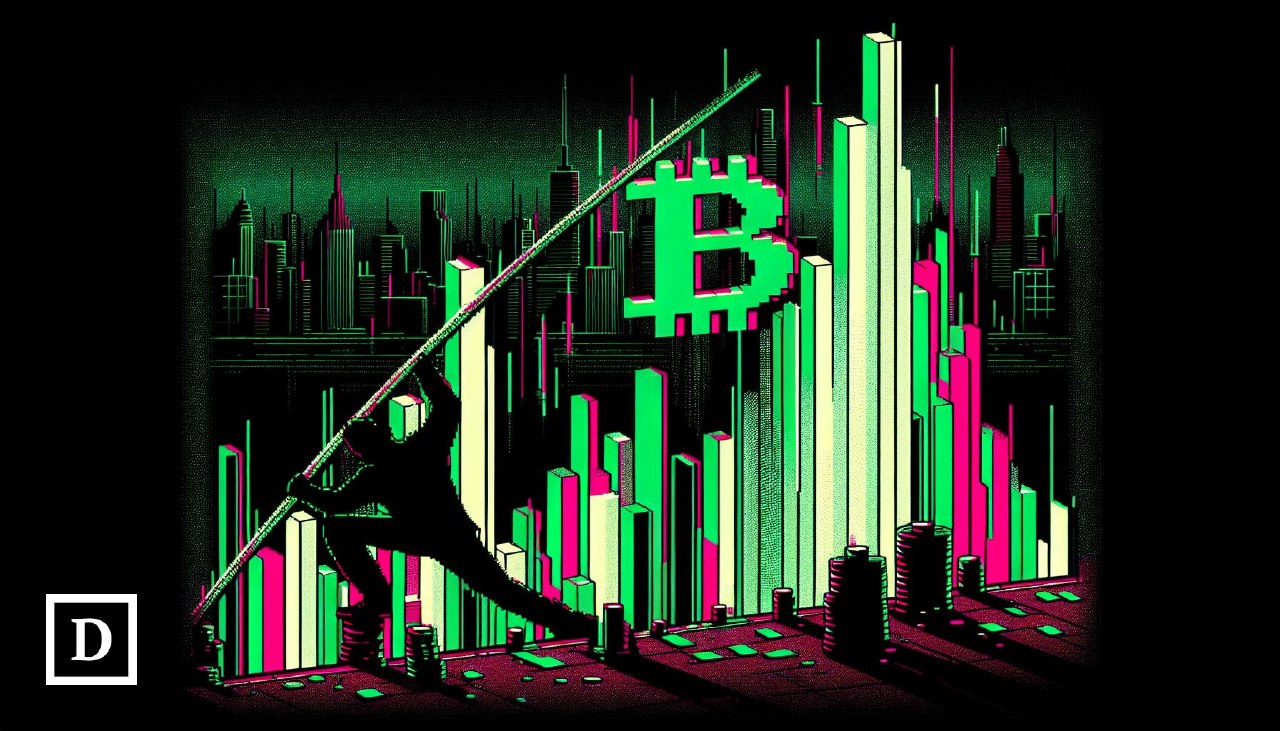
The March inflation print came in hotter than expected, but a tame core reading and easing oil prices gave risk assets room to rally.
Bitcoin surged past $73,000 on Friday, up 1.8% over the past 24 hours and 9.4% on the week, as traders weighed a hotter-than-expected March CPI report against a still-fragile U.S.-Iran ceasefire.
Ethereum followed, climbing to $2,250, up 2.0% on the day and nearly 10% over the past seven days, per CoinGecko. Solana gained 2% to $85, XRP rose 0.6% to $1.36, and BNB ticked up 0.3% to $609.
Bittensor (TAO) was the day’s biggest loser among top tokens, dropping 21% to $265 after a prominent subnet developer denounced the ecosystem.
The total cryptocurrency market capitalization rose to approximately $2.55 trillion, up 1% over the past 24 hours. The Crypto Fear & Greed Index registered 16, still deep in “Extreme Fear,” a zone the market has now occupied for nearly two months.
Energy-Driven Inflation Spike
The Bureau of Labor Statistics reported that headline CPI rose 0.9% month-over-month and 3.3% year-over-year in March, the highest annual increase since May 2024. The spike was almost entirely energy-driven, as gasoline prices surged a record 21.2% during the month, accounting for nearly three-quarters of the overall monthly increase.
The silver lining for risk assets was the core print. Excluding food and energy, core CPI rose just 0.2% month-over-month, matching the prior month’s pace, while the annual core rate ticked up to 2.6% from 2.5%. That distinction matters because the headline number reflects the oil shock from the Iran war, but the Fed watches core inflation more closely. CME data shows that the market is pricing in a 98% probability that the Fed holds rates steady at its April 29 meeting.
The ceasefire announced earlier this week initially sparked a sharp rally, with Bitcoin jumping over 4% on Wednesday after Trump announced a two-week deal with Iran. But reports of continued fighting and disagreement over Iran’s control of the Strait of Hormuz quickly derailed that bounce. Friday’s move above $73,000 marks BTC’s highest level since mid-March.
Perpetual futures funding rates are trending toward negative territory again despite short liquidations earlier this week, according to CoinGlass, signaling that the derivatives market remains cautiously positioned even as spot prices rise.
Spot Bitcoin ETFs posted $343 million in net inflows on April 9, per SoSoValue data. Total BTC ETF net assets sit at roughly $93.2 billion.
Looking Ahead
Friday’s push above $73,000 brings Bitcoin to the upper end of the $62,000–$75,000 range it has traded within since early February.
The core CPI print gives the Fed cover to hold, but the headline number keeps rate cuts off the table for now. If the ceasefire holds and oil prices continue to ease, the energy-driven inflation spike should fade in the coming months. A sustained break above $75,000 would be the first technical signal that the post-crash range is resolving to the upside.
TLDR
- WLFI price declined 14% to $0.08 within 24 hours.
- Market capitalization dropped by $427 million to $2.58 billion.
- World Liberty Financial plans a structured token unlock proposal.
- The project holds $400 million in WLFI collateral on Dolomite.
- The team denied liquidation risks and pledged additional collateral if needed.
World Liberty Financial’s (WLFI) governance token dropped sharply after the project outlined a token unlock proposal. The price fell to $0.08, marking a 14% daily decline. At the same time, market capitalization declined by $427 million to $2.58 billion.
World Liberty Financial Token Drops on Unlock Plan
World Liberty Financial confirmed it is preparing a governance proposal to unlock WLFI tokens for early holders. The project said the plan includes a structured vesting schedule to control supply release.
Currently, about 75% of WLFI tokens remain locked and cannot be traded. The team acknowledged “strong demand” from early participants seeking liquidity access.
The token launched as a non-transferable digital asset and later gained a valuation based on limited circulating supply. Public sales distributed around 20% of the total supply to investors.
World Liberty Financial raised $550 million from about 85,000 participants during two token sales. Token Unlocks data valued those distributed tokens at nearly $2 billion on paper.
The team stated that the unlock proposal would not release all tokens at once. It added that a “long-term vesting and unlock schedule” will guide the process.
DeFi Loan Activity Sparks Liquidity Concerns
World Liberty Financial defended its $150 million stablecoin borrowing activity through the Dolomite protocol. The loans are denominated in USDC and backed by WLFI collateral.
Critics raised concerns about liquidity risks tied to WLFI’s limited tradable supply. Some users warned that liquidation events could create losses for liquidity providers.
The project responded by rejecting those concerns and stating, “We are nowhere near liquidation.” It also said it would add more collateral if market conditions changed.
Blockchain data showed the project posted about $400 million in WLFI as collateral. This amount represents nearly 98% of the token’s supply on the platform.
Observers also questioned how the project plans to repay the borrowed stablecoins. Some transactions showed that part of the funds moved to Coinbase Prime accounts.
World Liberty Financial described its borrowing strategy as beneficial for users supplying stablecoins. It stated that users are “earning outsized stablecoin yields right now.”
The Dolomite protocol’s lending pool for USD1 showed high utilization levels. This condition raised questions about borrowing limits and liquidity availability.
Despite concerns, the project maintained that its position remains secure under current conditions. It reiterated that additional collateral could support its loans if required.

How ‘The Pitt’ Helped Patrick Ball Axe An 80K Burden

2000$ le bitcoin ? L’endroit parfait pour en miner ?

BTG explains on saving of iconic Potions Cauldron of York


-

 Business5 days ago
Three Gulf funds agree to back Paramount’s $81 billion takeover of Warner, WSJ reports
-

 Sports6 days ago
India men’s 4x400m and mixed 4x100m relay teams register big progress | Other Sports News
-

 Politics4 hours ago
US brings back mandatory military draft registration
-

 Business7 days ago
Expert Picks for Every Need
-

 Tech3 days ago
How Long Can You Drive With Expired Registration? What Florida Law Says
-

 Business6 days ago
No Jackpot Winner, Prize to Climb to $231 Million
-

 Fashion4 hours ago
Weekend Open Thread: Veronica Beard
-

 Fashion4 days ago
Massimo Dutti Offers Inspiration for Your Summer Mood Board
-
 Sports5 hours ago
Man United discover Nico Schlotterbeck transfer fee as defender reaches Dortmund agreement
-

 Fashion3 days ago
Let’s Discuss: DEI in 2026
-

 Crypto World2 days ago
Bitcoin recovers as US and Iran Agree a Ceasefire Deal
-

 Business6 days ago
Akebia Therapeutics, Inc. (AKBA) Discusses Pipeline Progress and Strategic Focus on Kidney Disease Treatments at R&D Day – Slideshow
-

 Crypto World1 day ago
Canary Capital Files SEC Registration for PEPE ETF
-

 Business1 hour ago
Tesla Model Y Tops China Auto Sales in March 2026 With 39,827 Registrations, Beating Cheaper EVs and Gas Cars
-

 Business10 hours ago
OpenAI Halts Stargate UK Data Centre Project Over Energy Costs and Copyright Row
-

 Politics7 days ago
The UK should not pay a penny in slavery reparations
-

 Tech5 days ago
Samsung just gave up on its own Messages app
-

 Tech5 days ago
Haier is betting big that your next TV purchase will be one of these
-

 Tech5 days ago
The Xiaomi 17 Ultra has some impressive add-ons that make snapping photos really fun
-

 Tech5 days ago
Gamer Restores the Original PlayStation Portal From Two Decades Ago
You must be logged in to post a comment Login