CryptoCurrency
Blockchain Group Urges US Lawmakers to Support Crypto Customer Reward Policies


Crypto Industry Pushes Back Against Stablecoin Yield Restrictions
The Blockchain Association, a leading non-profit organization advocating for the cryptocurrency industry, has formally opposed new regulatory measures aimed at restricting stablecoin yield-sharing and third-party platform rewards. In a letter signed by over 125 industry groups and companies, the association warned that such restrictions could hinder innovation, stifle competition, and favor incumbent financial institutions.
Specifically, the association challenged proposed expansions within the GENIUS stablecoin regulatory framework that seek to prohibit third-party service providers from offering rewards and yields to stablecoin holders. The group argued that these measures would impose unnecessary barriers on crypto platforms, limiting their ability to compete with traditional financial services like banks and credit card companies, which routinely provide incentives to consumers.
Advocates for the crypto industry emphasize that rewards and incentives are crucial features of competitive markets. “The potential benefits of payment stablecoins will not be realized if these types of payments cannot compete on a level playing field,” the association stated. They further noted that hindering these yields effectively grants unfair advantages to existing banking institutions, impeding innovation within the digital asset ecosystem.
The association pointed out that previous efforts to block yield-sharing and reward offerings are unjustified, as evidence indicates these incentives help consumers hedge against inflation and bolster financial inclusion. Multiple letters and statements have been sent to policymakers advocating for fair regulation that recognizes crypto’s potential to enhance the financial system.
FDIC’s Proposal to Enable Banks to Issue Stablecoins
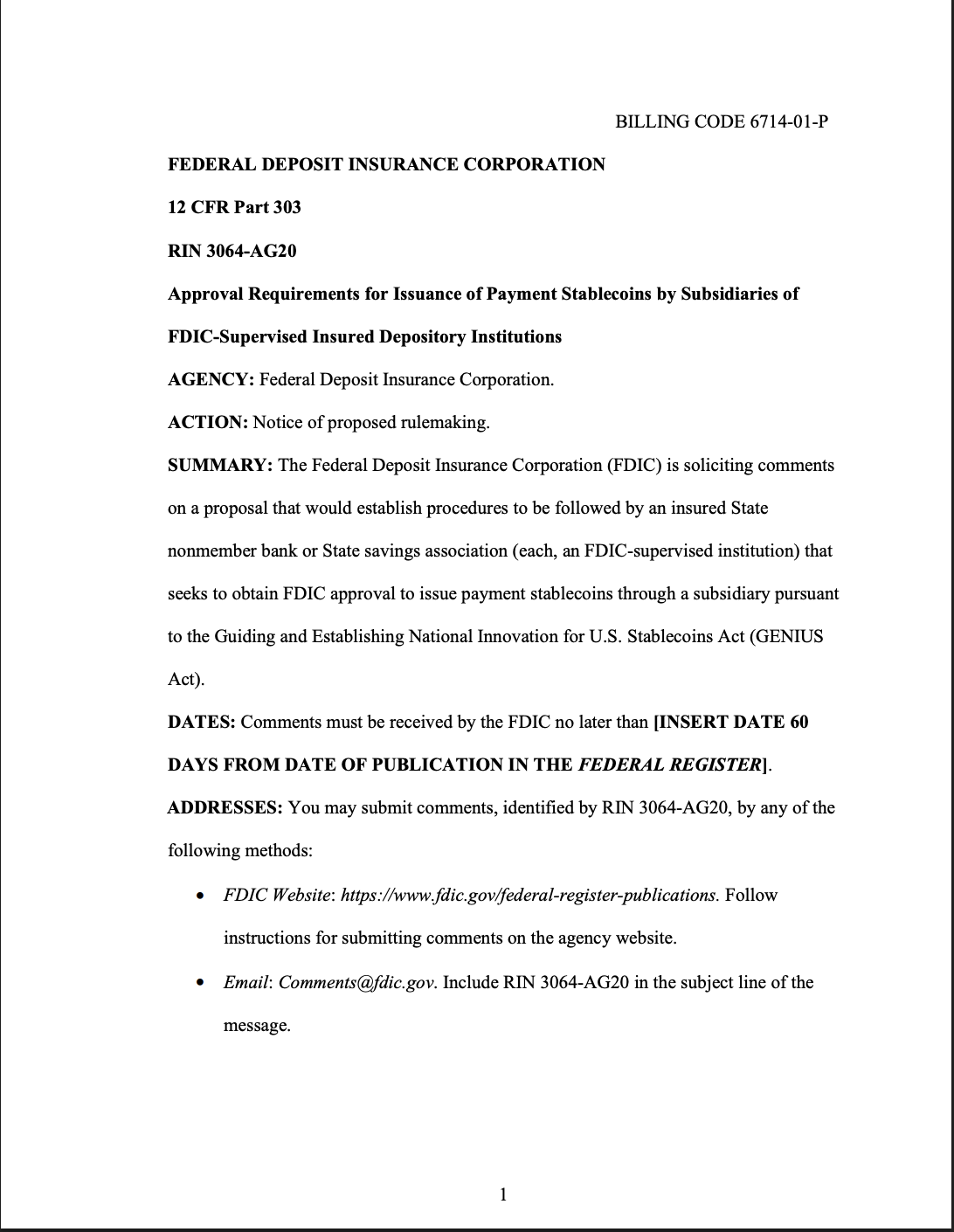
Meanwhile, the Federal Deposit Insurance Corporation (FDIC) has introduced a proposal that could pave the way for banks to issue stablecoins through subsidiaries, subject to regulatory oversight, including reserve requirements. The FDIC’s latest document aims to legitimize stablecoin issuance within the existing banking infrastructure, promising increased oversight and compliance for involved institutions.
Despite the regulatory strides, the Blockchain Association continues to contest claims that yield-bearing stablecoins and the sharing of rewards threaten the banking sector or diminish lending capacity. They argue that current evidence does not support the notion that these innovations erode traditional banking operations, emphasizing that digital assets can coexist with conventional finance to foster competition and innovation.
Although industry advocates remain optimistic about the potential for stablecoins, their push for balanced regulation reflects ongoing tensions between innovative digital assets and entrenched banking interests. As discussions unfold, crypto advocates emphasize the importance of creating a regulatory environment that encourages growth without stifling innovation.