
CryptoCurrency
How Is Tokenized Art Platform Development Transforming Art Markets?

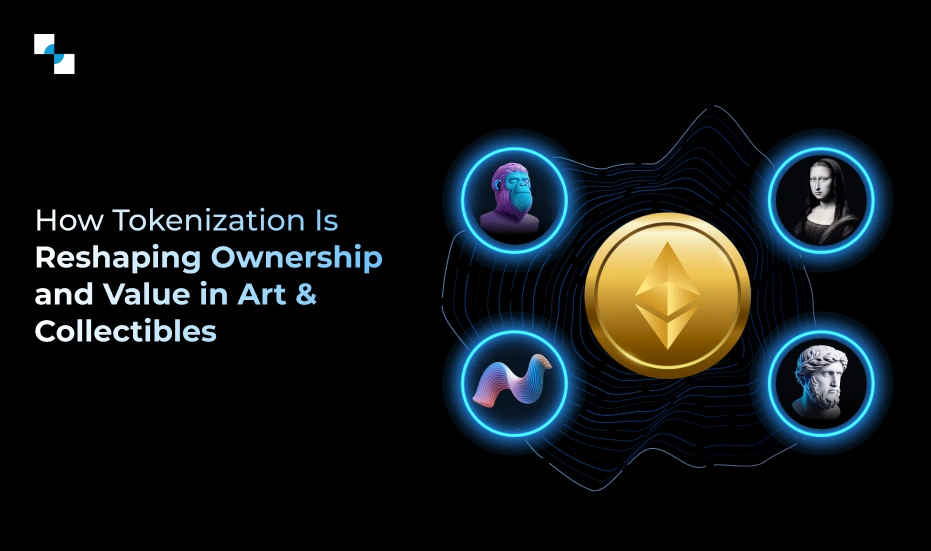
The global art and collectibles market has long been regarded as a symbol of cultural capital and financial prestige, yet its structural design has remained largely resistant to modernization. There are increasing numbers of investors discovering that Rare Collectibles and Art can be Alternative Investments; however, the barriers to entry for that market have traditionally been high. Investors face challenges with the very low levels of Capital to Invest, the lack of transparency in Ownership Records and the slow speed of Transaction Processes. So, while the market has Value, the ability for people to access, Liquidity and Transparency are gated to a select few with significant Wealth. As that Investor Behavior shifts toward Digital Natives and Digital Financial Systems, the negatives of the Traditional Market are becoming much more obvious.
Art tokenization on the Blockchain is changing the way people see and think about owning Art and Collectibles. Once Art and Collectibles are Tokenized, they can be stored on the Blockchain and represented Digitally as Cryptographically Secure Tokens. With Art Tokenization, we are finding new ways to create, distribute, and exchange Value. Thus, through tokenization art, we can see that it not only Digitizes Art; it also provides a Different Method for Ownership, Increases Market Efficiency and Integrates Art into the Digital Asset Economy and therefore provides the same level of Transparency and Liquidity that is expected with other Modern Financial Instruments.
The Structural Limitations of Traditional Art & Collectibles Markets
The Old Art and Collectibles Space Remains an Adaptive Model Which Limits Growth, Profitability and Confidence in The Invested Variety of Collections Through Its Reliance Upon Inconsistent Structures.
1. Capital Concentration and Ownership Inequality
Traditional ownership models require significant upfront capital, concentrating ownership among a small group of high-net-worth individuals and institutions. Without fractional art ownership, investors are forced to commit large sums to single assets, limiting diversification and broader market inclusion.
2. Illiquidity and Limited Exit Options
Art and collectibles are notoriously illiquid assets, often requiring months or years to resell. The absence of collectibles tokenization and digital secondary markets prevents continuous trading and real-time price discovery.
3. Provenance Fragmentation and Trust Dependency
Provenance records are distributed across galleries, auction houses, and private archives, creating reliance on trust-based verification rather than immutable data. Without tokenizing fine art on blockchain, authenticity verification remains inefficient and risky.
4. Geographical and Regulatory Issues
Regulatory complexities surrounding cross-border art and collectible transactions create additional custody issues, as well as confusion regarding jurisdiction, limiting the ability to create a true global marketplace and limiting the seamlessness in which artists and collectors across the globe can do business.
This excess of inefficiencies indicates the need to build the infrastructure for the tokenization of art collections and collectibles as a foundational piece to the future of this segment.
Launch a Secure Art Tokenization MVP with Fractional Ownership Capabilities
Understanding Art Tokenization and Its Market Implications
Art tokenization involves representing ownership or economic rights of artworks and collectibles through blockchain-based tokens secured by smart contracts. These tokens form the foundation of tokenized art ecosystems, enabling art assets to operate within modern digital financial frameworks.
1. The Creation of Tokenized Art Assets
Each piece of artwork will have digital blockchain tokens representing the piece of artwork and the Token will be immutable and serve as proof of ownership to ensure authenticity and to deter duplicate reproductions.
2. Automated Transfer of Ownership via Smart Contracts
Smart Contracts provide the ability to automate the peer-to-peer transfer of ownership through Smart Contracts, eliminating the need for an intermediary and maintaining compliance as determined through your terms of use.
3. Programmable Financial Rights
Royalty distribution based on Revenue Generated from the Art Asset and conditions regarding Resale of the Art Asset and the Ability to Participate in the Governance of the Art Asset will be coded directly into the Smart Contract associated with your Art Asset and its value.
4. Integrating into the Global Marketplace
Tokenized Assets will be able to trade across compliant Trading Platforms, creating the opportunity for participation in the marketplace and providing Liquidity 24-7 throughout the world.
The implementation of art tokenization will allow for Art Assets to transition from Static Collectibles to Programmable, Digital Investment Instruments.
Fractional Art Ownership: Democratizing High-Value Assets
One of the most impactful outcomes of art tokenization is fractional art ownership, which allows a single artwork to be divided into multiple blockchain-based ownership units. This model fundamentally changes accessibility and capital participation.
- Lower Investment Thresholds Through Fractionalization
Fractional art ownership enables investors to gain exposure to premium artworks without acquiring full ownership, significantly reducing financial barriers. - Improved Portfolio Diversification
Investors can allocate capital across multiple tokenized assets instead of concentrating risk in a single artwork. - Proportional Benefits
Fractional owners receive proportional returns from appreciation, exhibitions, licensing, and resale activity. - Enhanced Liquidity and Exit Flexibility
Fractional tokens can be traded independently, enabling partial exits without full asset liquidation.
Through fractional art ownership, art investment becomes inclusive, liquid, and scalable.
How Blockchain Is Reengineering Provenance, Trust, and Liquidity in Fine Art
In order to demonstrate provenance, ownership legitimacy, and asset value, the fine art market has relied upon a fragmented system of archival documents, the ability for humans to give their stamp of approval and the trust placed in institutions. Although these methods of preserving the artistic heritage of our world have many benefits, they also create inefficiencies, a lack of transparency, and systemic risk, particularly when high-value transactions occur.
These high-value transactions often carry with them the threat of an issue with regard to authenticity and ownership, which can affect the underlying value of an asset. Blockchain technology is providing a new way to reimagine this process by enabling companies to create a decentralized, tamper-proof infrastructure in which they can both create their own method for recording provenance and establishing trust and allow for the release of liquidity for their assets. Through tokenizing fine art on blockchain, artworks evolve from static physical assets into digitally verifiable, investment-ready instruments, enabling art tokenization frameworks that support global participation, compliance, and secondary market liquidity within tokenized art ecosystems.
1. Immutable Provenance Through On-Chain Ownership Records
We have now created a single immutable record of ownership through Blockchain to replace many paper trails that have been fragmented and produced by many players in the industry via paper documents and databases, which can be edited or altered after they have been produced. In addition, by tokenizing a physical piece of artwork on Blockchain, the artist’s credentials, certificates of authenticity, restoration history, and transfers of ownership will be recorded permanently on chain; therefore, no one can manipulate the provenance record of a piece of fine art.
Therefore, using Blockchain will drastically reduce the risk of artwork being forged, duplicated, or disputed on ownership, as it will allow instant verification for collectors, investors, and institutions that are players in the tokenized art marketplace.
2. Trustless Verification and Reduced Intermediary Dependence
Traditionally, art transactions have involved galleries, auction houses, and authenticators to check the authenticity and ownership of the piece of art. The process of tokenizing artwork will use cryptographic verification combined with smart contracts to eliminate reliance on trust within the transaction process. Tokenizing an artwork will create an automated method of transferring ownership, performing compliance checks, and validating the transaction while removing the need for third-party involvement and creating greater transparency within the transaction process. The use of this type of “trustless” approach provides greater levels of confidence for large investors and global players involved in tokenized art platform development and ecosystems.
3. Enhanced Transparency for Institutional Due Diligence
The use of Blockchain provides fine art transactions with unparalleled levels of transparency by providing stakeholders with real-time access to all relevant information concerning ownership, transaction histories, and valuation benchmarks. By representing artworks digitally through tokenization art, institutional stakeholders may more quickly and reliably perform their due diligence. Instead of needing to rely on scattered records, they can keep track of everything in one place. This level of transparency is particularly critical for regulated investment vehicles and platforms developed by an experienced Art tokenization development company, where compliance and auditability are non-negotiable.
4. Liquidity Enablement Through Fractionalized Ownership Models
One of the most transformative outcomes of tokenizing fine art on blockchain is the ability to implement fractional art ownership. Tokenized fine art allows you to create fractional or divisible asset ‘tokens,’ which are unique digital assets that represent ownership of a piece of art. Tokenized fine art enables higher returns from capital invested in fractionalized assets and allows investors to hold a diversified portfolio, as well as plan for future sales of pieces on secondary market(s). Liquidity, which previously did not exist in the traditional fine art marketplace, is now released through tokenized secondary marketplace.
5. Programmable Compliance and Transaction Automation
Smart contracts embedded within art tokenization frameworks enforce regulatory requirements such as KYC, AML, investor eligibility, and jurisdictional restrictions automatically. This programmable compliance ensures that tokenized art transactions remain aligned with global regulatory standards while reducing operational overhead. For enterprises leveraging Tokenized Art Platform Development, this automation is essential for scaling fine art investment platforms across regions.
6. Global Market Accessibility and Continuous Price Discovery
Blockchain eliminates geographical constraints by enabling cross-border participation in fine art investment. Tokenized artworks can be accessed by a global investor base, facilitating continuous price discovery and reducing reliance on periodic auctions. This global accessibility transforms fine art from a localized, illiquid asset into a globally tradeable financial instrument within art tokenization ecosystems.
Partner with Us for Custom Art Tokenization Solutions!
Antier: Powering Institutional-Grade Art and Collectibles Tokenization
As more people look for compliant, scalable, and liquidity-ready platforms to invest in art soon, enterprises need more than just to issue tokens; they require a trusted technology partner to create complete digital asset environments. Antier is the leading art tokenization development company, providing end-to-end solutions for secure art tokenization, quality Tokenized Art Platform Development, and fractional ownership of collectibles. With a comprehensive knowledge of blockchain architecture, development of smart contracts, and regulatory-aligned platform design, Antier aids galleries, auction houses, investment firms, and digital asset platforms by turning fine art and collectibles into investment-grade, globally accessible assets.
By leveraging enterprise-level security, programmable compliance, and scalable technology, Antier provides organizations with the ability to create liquidity from their investments through crippling restrictions placed on physical items by government and other institutions, to provide ownership of their investments to the masses, and finally, to ensure their future-proofed art and collectible strategies through a continuously changing digital market.
Frequently Asked Questions
01. What are the main challenges faced by investors in the traditional art and collectibles market?
Investors face high barriers to entry due to low levels of capital required, lack of transparency in ownership records, and slow transaction processes, which limit access and liquidity.
02. How does art tokenization on the blockchain improve the art and collectibles market?
Art tokenization digitizes art and collectibles, allowing for cryptographically secure ownership, increased market efficiency, and enhanced transparency and liquidity, making it more accessible to a broader range of investors.
03. What issues arise from the traditional ownership models in the art market?
Traditional ownership models concentrate capital among wealthy individuals, create illiquidity with limited exit options, and rely on inconsistent provenance records, which can undermine trust and confidence in investments.



