
CryptoCurrency
How Real-World Assets Are Reshaping Industries

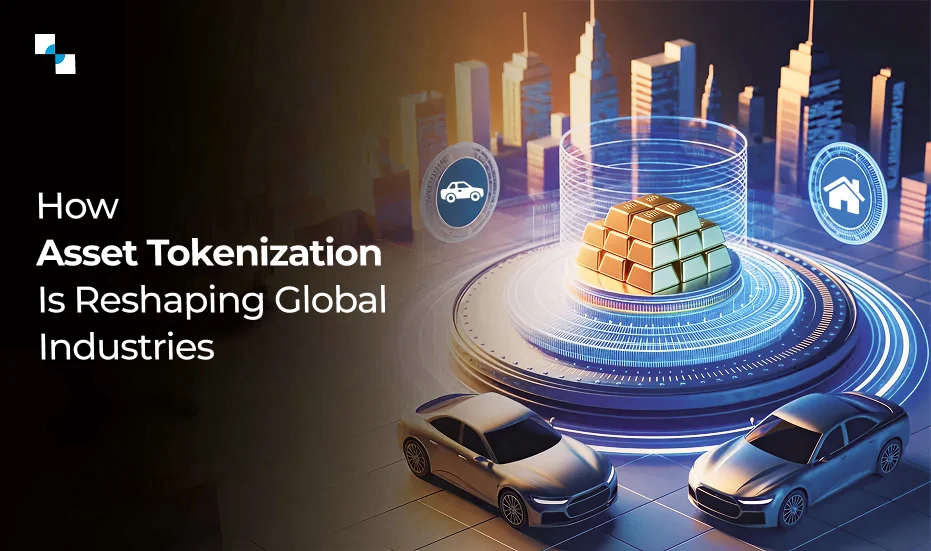
As many global industries undergo huge changes away from traditionally managed asset management models, they are also moving toward digitally governed ownership frameworks powered by blockchain technology. The rationale is to create enhanced liquidity, transparency, and customer accessibility with faster settlement cycles, while at the same time providing a wider array of opportunities for investors. Real-world asset tokenization (aka RWA tokenization) has, therefore, become an essential component of the next generation of economic infrastructure.
Companies throughout many industries, including finance, supply chain, renewable energy, luxury goods, healthcare, and many more, are using technologically advanced asset tokenization development providers to modernize how the assets they create, manage, trade and monetize. Therefore, there is a heightened demand for companies with experience in asset tokenization development companies looking to implement the following features: programmable ownership models, compliant digital identities, automated settlement systems and interoperable multi-chain ecosystems
The asset tokenization momentum of various industries is now not just experimentation; it is now structurally shifting the way companies will operate in an increasingly decentralized economy.
Challenges Industries Faced Before Tokenization
Before tokenization became mainstream, enterprises struggled with persistent inefficiencies, including:
1. Illiquid Markets
High-value assets such as real estate, industrial machinery, commodities, and luxury goods required significant capital commitments, limiting participation.
2. Complex, Intermediary-Heavy Transactions
Ownership validation, compliance, settlements, and multi-party contracts relied heavily on intermediaries, slowing down operational cycles.
3. Restricted Investor Access
Most asset classes were geographically bound, making cross-border participation complicated and expensive.
4. Limited Transparency
Industries with multi-layered supply chains lacked unified traceability, exposing participants to fraud and data inconsistencies.
To overcome these limitations, businesses began adopting real-world asset tokenization as a unified solution to achieve global accessibility, 24/7 liquidity, programmable compliance, and verified ownership.
Request a Custom RWA Tokenization Strategy!
Tokenization as a Multi-Sector Solution
Tokenization transforms real assets into digital tokens that represent fractional or complete ownership. Modern systems deployed by an asset tokenization development company now support:
- Automated compliance and reporting
- Smart contract-driven governance
- Multi-asset token creation
- Real-time auditing
- Global investor onboarding
- Interoperability with institutional and decentralized networks
These features have unlocked adoption across multiple sectors, giving rise to a new era in asset tokenization in industries.
Top Industries Leveraging Asset Tokenization in 2026
An increasing number of industries have begun to use asset tokenization due to the need for improved liquidity, transparency, and global access to investment opportunities. The leading industries using RWA tokenization are real estate, commodities, and financial services, each of which is using the tokenization of real-world assets to provide fractional ownership of assets, facilitate easier cross-border investment, and digitize their traditional investment process.
Asset tokenization is also being used by luxury asset markets, such as art and collectibles, to help verify their authenticity and allow for global marketplace trading. Manufacturing and development businesses in the energy sector and businesses that are heavily reliant upon their intellectual property (IP) are looking into real-world asset tokenization as a way to improve how they track ownership of their assets and automate the distribution of revenues from those assets. Collectively, these industries illustrate how asset tokenization is changing the traditional business model of many industries, leading to more rapid digital-first asset ecosystems.
Real Estate: Global Participation, Fractionalization & Automated Cash Flows
Due to its vast market size and long-standing significant barriers, real estate represents the earliest instance of tokenized investment. Through fractional ownership, an individual can now own a portion of a residential, commercial, or industrial real estate asset without needing expertise in any complex legal structure.
The possibilities for transformation for the real estate industry include:
- A new means of international access to premium real estate markets
- The ability to automatically distribute rental income through smart contracts
- Decreased reliance on third-party intermediaries
- Continuous and open access to property history and valuation updates.
The real estate sector has become a standard against which all industries using tokenized investment methodologies will be held, and as such, real estate is now seen as the benchmark for how tokenization will be applied across other asset-heavy sectors.
Supply Chain & Logistics: Verified Origin, Zero Counterfeits & Integrated Traceability
A supply chain crosses many different jurisdictions and includes as many diverse stakeholders as possible, creating opportunities for fraud, delay and non-compliance. A token can be attached to each unit or shipment so the enterprise can receive complete visibility from sourcing raw materials to distributing the final products.
The benefits include:
- Full visibility through every lifecycle phase
- The ability to authenticate luxury products, electronics, pharmaceuticals, and food products
- Automated customs and insurance claims processes
- Real-time coordination of delivery
This vertical demonstrates the power of real-world asset tokenization outside of the financial vertical.
Commodities: Tokenized Gold, Energy Units, Agricultural Output & Metals
Historically, commodity markets have been characterized by a high degree of capital intensity, illiquidity, and a lack of transparency. The advent of tokenization represents a significant advancement in the ease and clarity associated with the trading of these products.
Some of the Major Benefits of Tokenizing Commodities Are:
- Access to Fractional Shares in Gold, Silver, Oil, Wheat and Other Commodities
- Ability to Trade Globally Instantaneously via Regulated Digital Trading Platforms
- Lower Cost and Risk Associated with Custody Storage, Handling and Transfer of Commodities
- Ability to Utilize Tokenized Commodities as Collateral for Digital Financial Services
There is currently a high demand from both Oil & Gas Exchanges and Digital Banks for companies for advanced asset tokenization platform development.
Energy & Carbon Credits: Transparent Green Ecosystems & Automated ESG Compliance
As renewable energy continues to rapidly grow in relation to carbon markets, it is becoming imperative to have systems that track production, certification, and trading of both renewable energy and carbon credits with verifiable accuracy. Tokenization IS providing an accurate and verifiable digital platform for all industries:
- Creating a tokenized renewable energy certificate for solar and wind production
- Creation of fraud-resistant carbon credits for consumer use
- Development of automated Environmental, Social and Governance (ESG) reporting and performance tracking
- Micro-investing in Green Infrastructure Projects
The Tokenized Sustainable Energy Industry is an essential part of the future of tokenized assets across multiple industries, particularly because mandates for global sustainability are expected to become stronger.
Luxury Goods & Collectibles: Authenticity, Provenance & Investment-Grade Asset Tokenization
High-value assets such as luxury watches, vintage cars, sculpture, fine art, and rare collectibles face challenges related to counterfeit goods and opaque valuation.
Tokenization delivers:
- Immutable provenance and ownership verification
- Fractional investment opportunities in rare luxury assets
- Real-time price discovery enabled by token markets
- Secure, tamper-proof authentication
Luxury brands increasingly partner with an asset tokenization development company to create digital twins and authenticity certificates for inventory protection.
Healthcare & Pharmaceuticals: Secure Data, Transparent Supply Chains & Protected IP
Within a healthcare ecosystem, healthcare technology utilizes accurate records, verified supply chains, and protected intellectual property. Tokenized versions of real-world assets provide a secure, interoperable and tamper-proof digital model.
Transformative use cases:
- Tokenized patient records with controlled access and interoperability
- Anti-counterfeit drug tracking for every batch or unit
- Immutable clinical trial data with audit transparency
- IP tokenization that monetizes research and innovation
This represents one of the most significant examples of the industry utilizing real-world asset tokenization to establish compliance and create trust within an ecosystem.
Automotive & Mobility: Digital Vehicle Identity, EV Credits & Automated Leasing
The automotive industry is embracing tokenization for asset management, lifecycle tracking, and mobility services.
Key advancements:
- Digital vehicle identities capturing maintenance, repairs, and ownership
- Tokenized EV charging credits and carbon offsets
- Smart contract-based leasing and rental agreements
- Automated warranty verification and claims
This transition strengthens transparency and reduces fraud in secondary automotive markets.
Entertainment, Media & IP: New Revenue Models & Shared Ownership Economies
Creators, production houses, and distribution platforms are deploying tokenization to modernize revenue and licensing systems.
Transformation across creative industries:
- Fractional ownership of music catalogs, film rights, and digital art
- Automated royalty distribution with no intermediary delays
- Licensing transparency through on-chain usage tracking
- Tokenized crowdfunding models for large-scale creative projects
Tokenization brings creators closer to their audiences with fairer and more transparent monetization.
Financial Services & Banking: Tokenized Securities, Smart Collateral & Institutional DeFi
Financial institutions remain central to the rise of tokenization as they integrate programmable assets into existing infrastructure.
Key innovations:
- Tokenized portfolios, bonds, funds, and structured products
- Programmable deposits with automated compliance
- Real-time settlement cycles for securities
- Tokenized collateral frameworks for lending and liquidity
This sector drives global adoption and sets governance standards for other industries.
Manufacturing & Industrial Assets: Digital Twins, Tokenized Equipment & Automated Procurement
Manufacturing enterprises are increasingly tokenizing equipment, production output, and supply components.
Key improvements:
- Digital twins for machinery, tracking usage and depreciation
- Tokenized industrial equipment for leasing, financing, and co-ownership
- Automated procurement with no manual paperwork
- Verified movement of goods between production units and distributors
This results in improved operational clarity, reduced disputes, and optimized asset utilization.
Start Your Tokenization Project Today!
Towards a Borderless, Token-Driven Economy
Across the globe, businesses are rapidly using real-world assets to create tokenized digital representations of ownership, access, and liquidity models for their goods and services. Healthcare businesses, real estate, manufacturing, luxury markets, etc. are using these methods to enhance their overall business processes and create effective, efficient ways to perform these processes as they continue on a path towards increased visibility, efficiency, and global reach.
The advancements in asset tokenization have allowed businesses to create new revenue streams and prepare for a digitally balanced economic future by investing in the development and integration of best-in-class asset tokenization solutions through an experienced developer. The implementation of tokenization solutions is no longer just an emerging trend; it represents a structural change in the way that industry’s function, invest in, and grow.
Collaborating with an Asset tokenization development company like Antier will grant your organization access to their extensive development resources, techniques, and support, ultimately enabling your organization to maximize its liquidity, transparency, and progression into a truly global digital marketplace.
Frequently Asked Questions
01. What is real-world asset tokenization?
Real-world asset tokenization is the process of converting physical assets into digital tokens that represent fractional or complete ownership, enhancing liquidity, transparency, and accessibility for investors.
02. What challenges did industries face before adopting tokenization?
Industries faced challenges such as illiquid markets, complex transactions reliant on intermediaries, restricted investor access, and limited transparency, which hindered operational efficiency and participation.
03. How does tokenization benefit businesses?
Tokenization benefits businesses by providing global accessibility, 24/7 liquidity, programmable compliance, and verified ownership, thereby modernizing asset management and trading processes.



