
CryptoCurrency
How to Build a Secure and Compliant Tokenization Platform in 2026

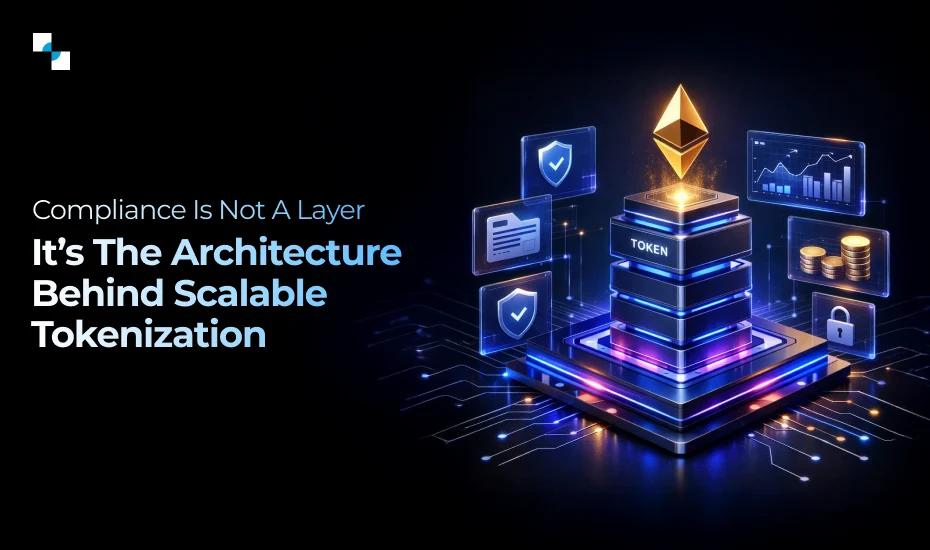
The tokenization industry is transitioning from being a testbed for blockchain technology, to becoming a fundamental mechanism for capital markets, private company equipment financing, and all other types of investments and assets. As investors have begun to participate, the expectations of governance, security, and regulation are now different than when it was first introduced as a new technology. Today, the measure of success of tokenization has shifted away from speed to market to the ability to operate successfully within regulated financial environments.
To truly be successful for both Enterprise and Investor participants, the central question is not if assets can be tokenized, but rather, how to achieve that in a responsible, secure, and scalable manner. To do so, it will be necessary to implement and design a compliant infrastructure for tokenized assets into the overall architecture of the Enterprise or Investor, not as an afterthought.
This blog explores how enterprises can approach tokenized asset platform development with compliance embedded into the architecture itself, rather than treated as a downstream obligation.
Compliance as a Competitive Advantage in Tokenized Assets
More and more institutional investors and venture capital investors see compliance as a sign of the evolution of the marketplace rather than a restriction on their investment. Regulated market infrastructures play an important role in whether or not tokenized assets will have the ability to generate significant investment capital, or whether they will continue to languish in niche segments of the marketplace.
A platform that is not compliant places issuers in danger of regulatory enforcement actions, investor lawsuits, and bottlenecks in the operational processes for issuing and trading their tokenized assets. Conversely, a compliant tokenization platform provides credibility to regulators, custodians, accountants, and institutional counterparts from the very beginning of an issuer’s relationship with them.
For investors, a platform built upon compliant infrastructure provides additional certainty about the ownership, transferability, and legal status of the investors’ tokenized assets. For issuers, compliant infrastructure permits them to reach more diverse and more geographically dispersed capital pools of investors. For operators of compliant tokenization platforms, it provides the ability to grow and sustain themselves in a world of increasing regulatory oversight.
Start Your Tokenization Project Today!
What “Compliant Infrastructure” Really Means in Tokenization
The concept of compliance within tokenization extends well beyond the basic KYC/AML checks. From an infrastructure perspective, compliance means that a Platform can implement regulatory compliance across the entire lifecycle of an asset — including Issuance, Secondary Trading, and Settlement.
A robust Tokenized assets infrastructure integrates legal, technical, and operational frameworks into a unified system. This includes investor eligibility enforcement, jurisdictional restrictions, asset-level governance, and auditable transaction histories.
Compliance cannot simply be placed on top of an already established system; if you do so, you will create a platform that is fragile and requires ongoing manual intervention. The majority of platforms that were not originally built using regulatory logic require manual intervention (e.g., Off-Chain Reconciliations or Post-Transaction Controls), introducing additional risks.
True Asset tokenization compliance is achieved when regulatory requirements are translated into programmable rules that govern how assets are issued, transferred, held, and redeemed.
Building Blocks of a Secure and Compliant Tokenized Asset Infrastructure
The compliant infrastructure of a tokenization platform is composed of distinct yet interdependent components that collectively ensure regulatory alignment, operational integrity, and institutional readiness. In tokenized asset platform development, these components must be architected together to create a resilient and scalable tokenized assets infrastructure that meets regulatory expectations across jurisdictions.
1. Regulatory-Aware Identity & Investor Access Layer
The first step in creating the compliant infrastructure is focusing on the identity of the investor. KYC, AML and accreditation requirements can all be incorporated into one unified framework that allows for dynamic management of participation in both the primary and secondary issuance of digital assets.
2. Asset Classification & Legal Structuring Framework
Before issuance, each digital asset must be accurately classified by mapping its legal and economic rights. This framework ensures that on-chain tokens remain legally enforceable representations of off-chain agreements. Proper classification strengthens ownership clarity and supports regulatory compliant tokenization solutions by aligning smart contract logic with applicable securities, debt, or fund regulations.
3. Compliance-Embedded Smart Contract Architecture
Smart Contracts are designed to act as regulatory enforcement engines; meaning they apply transfer restrictions, lock-up periods, whitelisting rules, and investor caps to each digital asset based on their jurisdiction and type.
4. Permissioning & Governance Controls
A compliant platform enforces role-based permissions for issuers, administrators, custodians, and investors. Governance mechanisms allow issuers to manage corporate actions, regulatory updates, and asset lifecycle events without compromising immutability or security. These controls are essential for enterprises looking to build a compliant tokenized asset platform capable of supporting institutional workflows.
5. Secure Custody & Institutional Key Management
In addition to using an institution-grade model for asset protection, a compliant platform will utilize a multi-party computation (MPC) based key management system; a segregated wallet structure; and a role-based access control policy to ensure compliance with the regulatory requirements associated with the custody of an asset.
6. Transaction Monitoring & Real-Time Compliance Validation
Monitoring on-chain transactions in real-time gives businesses the ability to enforce compliance proactively. Transactions can be validated by the regulatory obligations before they occur which reduces the risk of future non-compliance.
7. Auditability, Transparency & Regulatory Reporting
A compliant tokenized assets infrastructure must provide immutable audit trails, real-time reporting, and transparent data access for regulators, auditors, and institutional stakeholders. These capabilities support regulatory examinations, investor due diligence, and ongoing platform governance.
8. Interoperability with Financial & Compliance Systems
Integration with custodians, transfer agents, compliance tools and reporting systems allows for seamless operations and aligns all parties with regulatory obligations in the larger financial ecosystem.
9. Security Architecture & Risk Mitigation Controls
A “defense-in-depth” security strategy, including smart contract audits, hardening of infrastructure, monitoring for access and having incident response procedures, encourages confidence from institutions and supports the overall resilience of the platform.
10. Scalability & Regulatory Adaptability
A future-ready platform is modular and upgradeable, enabling support for new asset classes, evolving regulations, and cross-border expansion without re-architecting the entire system. This adaptability is a key consideration when working with an experienced RWA tokenization development company focused on long-term scalability.
Key Regulatory Considerations Before Compliant Tokenization Platform Development
Enterprises must establish the regulatory perimeter before starting to write any code when designing a tokenized assets infrastructure. Creating this level of clarity at the beginning of the platform’s development helps ensure the foundation of a scalable and compliant solution that can succeed over the long term.
The first aspect to consider is how to classify a tokenized asset as either a security, debt instrument, fund interest, or other asset type. Because each asset class is subject to different sets of regulatory requirements, any misclassification at this stage can negatively impact the architecture, governance, and compliance posture of the overall compliant tokenization platform.
The second consideration is how enterprises will be exposed to different jurisdictions. For example, enterprises creating platforms to allow customers to purchase products or services will have to ensure compliance with all applicable federal and state laws and regulations when targeting U.S. investors. Furthermore, to accommodate cross-border participation, additional compliance obligations will be created. Also, depending on what type of investor the enterprise is dealing with (i.e., retail, accredited or institutional), the design and structure of the platform may change significantly.
These factors directly influence decisions related to permissioning, transfer limitations, disclosure standards, and reporting requirements. Therefore, enterprises seeking to develop a compliant tokenization platform must treat regulatory analysis as a core design input rather than a legal consideration addressed at the final stage of development.
Strategic Role of a Specialized RWA Tokenization Development Company
Building a secure tokenized asset infrastructure requires multidisciplinary expertise across blockchain engineering, financial regulation, security architecture, and asset structuring. This complexity elevates partner selection from a tactical choice to a strategic decision with long-term implications.
A specialized RWA Tokenization Development Company brings proven experience in translating regulatory requirements into scalable technical architectures that reinforce a secure tokenized asset infrastructure. Such partners understand how to design systems that satisfy both legal obligations and institutional performance expectations.
Beyond development, the right partner helps future-proof the secure tokenized asset ecosystem by anticipating regulatory evolution and enabling modular upgrades. This approach minimizes the risk of costly redesigns as compliance standards evolve.
Build a Compliant Tokenized Asset Platform in 2 Weeks
Conclusion
In conclusion, Trust is What Determines the Future of Tokenization, not Technology
Tokenization is not just a product of the technology behind it. It is also a result of the trust placed in it by regulators, investors and the market as a whole. This trust comes from the infrastructure that creates an environment conducive to compliance, integrity, transparency and security across the entire ecosystem of tokenization.
With the influx of regulated capital into digital assets, the platforms that will thrive will be those that have compliance as the foundation of their design, rather than treating it as a ‘regulatory checkbox’.
For enterprises that are developing tokenization projects and evaluating and investing in token-based assets, the quality of the underlying infrastructure is the most crucial consideration.
A properly designed compliant platform does far more than just tokenize assets; it allows for regulated participation, operational efficiencies, and sustainable growth in the marketplace.
As the digital finance sector continues to evolve, having a compliant infrastructure for tokenization is not optional; it will be the basis for creating scalable tokenized asset platforms.
Working with Antier allows firms to build a compliant tokenization platform that has been designed for institutional confidence, regulatory compliance, and long-term growth potential through tokenization. As a Leading RWA tokenization development company, Antier leverages unique expertise in the design and architecture of Enterprise Level Security Frameworks and Regulatory First Architecture to deliver tokenization systems that are meeting the requirements of U.S. regulatory authorities, regulatory agencies, institutional investors, and the global marketplace.
Frequently Asked Questions
01. What is the current role of tokenization in capital markets?
Tokenization is transitioning from a testbed for blockchain technology to a fundamental mechanism for capital markets, private company financing, and various investments, with a focus on governance, security, and regulation.
02. Why is compliance important in the development of tokenized asset platforms?
Compliance is crucial because it provides credibility, protects issuers from regulatory actions and lawsuits, and ensures certainty about the ownership and legal status of tokenized assets for investors.
03. How can enterprises successfully implement tokenized assets?
Enterprises can successfully implement tokenized assets by embedding compliance into the architecture of their platforms from the outset, rather than treating it as an afterthought.



