CryptoCurrency
Qualcomm CEO Calls Robotics the Next AI Wave at CES 2026

TLDR
- Cristiano Amon named robotics as Qualcomm’s next AI focus after expanding into automotive and industrial sectors.
- He emphasized that robotics relies on edge AI, requiring high compute power and low energy consumption.
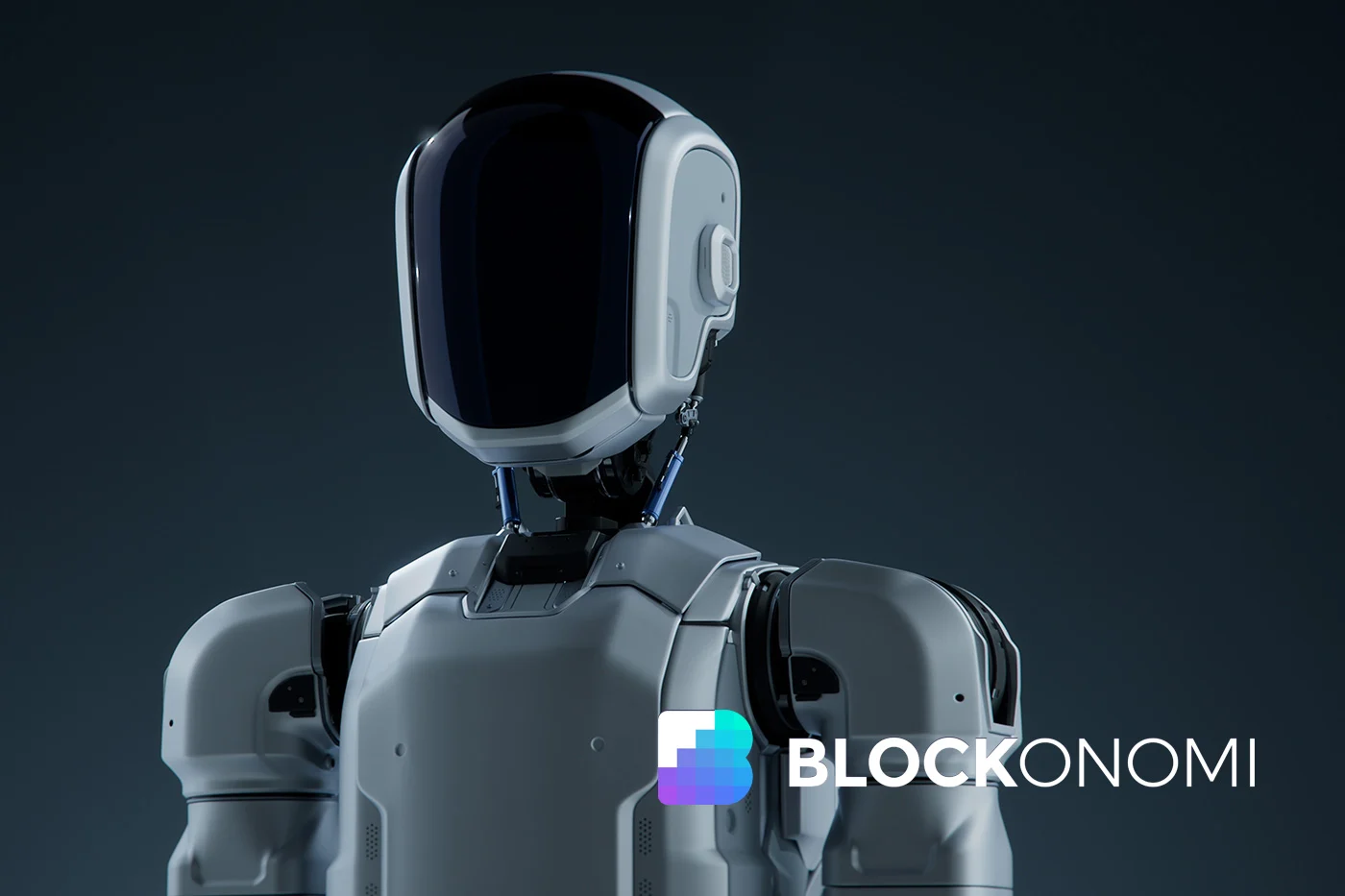
- Qualcomm is working with Figure AI and KUKA to showcase humanoid and industrial robots at CES 2026.
- Industrial robots could enter production by 2026, starting with narrow, task-specific applications.
- Qualcomm sees consumer robots as a long-term opportunity but expects enterprise use to grow first.
Qualcomm CEO Cristiano Amon has identified robotics as the next major opportunity for AI, following the company’s expansion into sectors like automotive, PCs, and industrial applications. Speaking during an interview at CES 2026 in Las Vegas, Amon explained that robotics presents a unique edge AI challenge.
Edge AI Drives Qualcomm’s Focus on Robotics Expansion
Cristiano Amon said robotics represents a natural move for Qualcomm after its growth in automotive and industrial systems. He explained, “You cannot put a server in a robot. You need battery life, sensor integration, and edge AI performance.”
Amon stated that robotics is a physical AI problem requiring high computing power with low energy consumption. Qualcomm showcased various robots at its CES booth, including humanoids and industrial training systems built with partner companies.
He added, “We’re working with Figure AI and German robotics company KUKA to demonstrate edge AI in real-world use cases.”
The CEO described robotics as a growing business opportunity that starts with narrow tasks and expands with broader AI capabilities. He predicted industrial robots could scale into production as early as 2026, starting with specific, repetitive assignments. Amon emphasized that Qualcomm will use AI to train robots for defined tasks before deploying them into live operations.
AI-Powered Robots Set for Industry Before Entering Homes
Amon said the first wave of AI robotics will target enterprises, especially industrial and retail environments. He shared, “At night, a robot can walk the aisles of a store and restock the shelves efficiently.”
He compared the robotics timeline to autonomous vehicles, where assisted driving evolved before full self-driving systems reached maturity. He noted that domestic robots capable of general-purpose tasks will take longer to reach the market. Still, he confirmed that Qualcomm is investing in both enterprise and consumer robotics as part of its AI expansion.
The company believes AI-driven robots in manufacturing offer the most immediate growth path for its chip and software platforms. Amon concluded that physical AI is becoming viable now due to improved compute efficiency, smart sensors, and edge deployment capabilities. Qualcomm plans to keep advancing edge AI solutions across robotics and other new industries.