
CryptoCurrency
The Linux of the Open Internet of Value

Ethereum’s Vision as the Internet’s Operating System Draws Closer
The Ethereum network, often dubbed a decentralized layer-1 blockchain executing smart contracts, is increasingly being likened to an open-source operating system similar to Linux. Ethereum co-founder Vitalik Buterin emphasized that, like Linux, Ethereum’s open-source architecture enables extensive customization through layer-2 scaling solutions, fostering scalability and user autonomy.
In an insightful comparison, Buterin explained that just as Linux provides value to billions globally—serving individuals, enterprises, and governments—without sacrificing its decentralized ethos, Ethereum aspires to function as the backbone of the internet. “We must ensure that Ethereum’s layer-1 remains the trusted home for finance, identity, social interactions, and governance, empowering users to operate independently of intermediaries,” he stated.
This analogy underscores the long-term vision of Ethereum as a versatile operating system for the internet—facilitating distributed computation, secure value transfer, and consensus on a global scale. Building on this foundation, the Ethereum Foundation aims to create a network that balances scalability with decentralization, ensuring broad participation and resilience.
Expanding Layer-2 Ecosystem and Persistent Challenges
Currently, the Ethereum ecosystem hosts approximately 127 layer-2 networks, according to data from L2Beat. Proponents argue that this diverse ecosystem enhances user options and cements Ethereum’s position as a scalable platform. Layer-2 solutions, from rollups to sidechains, enable high throughput and reduced transaction costs, which are critical for mainstream adoption.
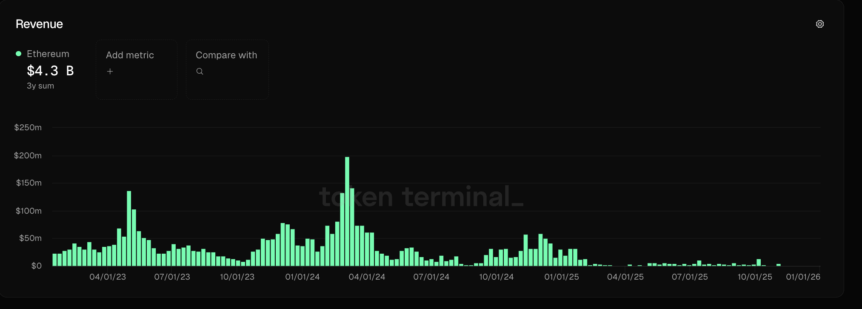
Despite the promising prospects, critics highlight hurdles such as an overabundance of competing layer-2 networks. Some argue that this proliferation leads to ecosystem fragmentation and cannibalizes the base layer’s revenue, which saw a significant decline following the March 2024 Dencun upgrade. The risk is that multiple high-performance chains operate in silos, trapping user liquidity within isolated pools and diminishing the overall user experience.
Supporters argue that the modular, rollup-centric scaling approach provides flexibility for experimentation, allowing teams to develop multiple high-throughput chains tailored to diverse use cases. Anurag Arjun, co-founder of Ethereum layer-2 Polygon, noted that this architecture enables innovation by testing different execution environments.
However, he warned that without true interoperability, the ecosystem risks further fragmentation, which could impede liquidity flow and degrade the user experience. Balancing innovation with cohesive integration remains a critical challenge as Ethereum advances toward its vision of a decentralized internet operating system.



