

Related: Jenna Lyons’s Relaxed Bomber Jacket Is Spring’s Coolest Throw-On Layer
Advertisement



With the seeming exception of The Simpsons, no TV series lasts forever. Some end unexpectedly, being cancelled due to low viewership or for no sense whatsoever, often ending on cliffhangers that go forever unresolved, like Mork & Mindy and Quantum Leap. Others are able to end on their own terms, with viewers aware of the series’ finale well ahead of airing, either sticking the landing (M*A*S*H), botching it royally (How I Met Your Mother), or wrapping up divisively (Seinfeld). Rarely do you see a series that ends on its own terms, with viewers being completely unaware that what they’re watching is, in fact, not a season finale but a series finale. In that rarefied air is the three-season horror masterpiece Penny Dreadful, which came to an end at the hands of its creator in 2016.
Penny Dreadful aired for three seasons on Showtime, first premiering on May 11, 2014. The name is derived from “penny dreadfuls,” cheap 19th-century magazines with stories and illustrations both sensational and gruesome. The lurid magazines were popular in England, and the series borrows heavily from the Gothic fiction of the time. Penny Dreadful could be likened to Once Upon a Time, except instead of beloved fairy tale characters like Snow White and Prince Charming, the show features a who’s-who of characters from 19th century Gothic horror fiction, the likes of which include Dorian Gray (Reeve Carney), Dracula, Dr. Jekyll and Mr. Hyde, and Shelley’s iconic duo of Victor Frankenstein (Harry Treadaway) and his Creature (Rory Kinnear). There’s also Ethan Chandler (Josh Hartnett), a werewolf, whose real name, Ethan Lawrence Talbot, is a nod to the tortured protagonist of 1941’s The Wolf Man. An entire cast of classic characters, each given new life – sometimes literally – with engaging stories that both honored and challenged their rich history.

Collider Acrostic — The Collider TV Quiz!
Can you answer these television questions, wherein each correct response begins with a successive letter of the word “Collider”?
But the series lives and dies by lead character Vanessa Ives, whose tragic arc, played out through a consistently powerful, scene-stealing portrayal from Eva Green, serves as the anchor for Penny Dreadful as a whole. Vanessa is introduced as an enigmatic medium, a woman of deep faith at odds with her own evil nature. Over the course of Penny Dreadful, Vanessa is possessed by the Devil himself, hunted by the evil Evelyn Poole (Helen McCrory) and her coven, and forced to embrace her own past as a witch.
Vanessa finds herself desired by both Lucifer and Dracula, each of whom seeks to use the powerful darkness within her, which she’s been fighting to suppress in spite of the prophecy that heralds her as the “Mother of Evil.” Finally, in Season 3’s “Ebb Tide,” exhausted from the constant battle within and without, Vanessa is coerced by Dracula into embracing who she really is, becoming the very being she was prophesied to be and sending the world into the darkness on the edge of the apocalypse.
However, being the “Mother of Evil” isn’t everything it’s cracked up to be, and it all comes to a head in the Season 3 finale, “The Blessed Dark.” As a battle rages between Dracula and his “children” and Sir Malcolm Murray (Timothy Dalton) and his allies, Ethan slips away to find Vanessa in Dracula’s lair. It’s a truly heartrending moment for the two star-crossed lovers, as Vanessa, who has come to accept that she will only ever find peace and redemption, and stop the impending end of the world, implores Ethan to kill her; Ethan does so, freeing her to find peace and the faith she once held so strongly, as a final act of love.
The blackness is lifted, and Dracula, sensing her death, flees. Following her funeral, the Creature (Rory Kinnear) kneels, alone, at her grave, reciting a poem. Then a title card that simply reads “The End” comes on screen, bringing completion to the season — and, as it turns out, a completion to the series as a whole. Penny Dreadful, which for three seasons held a consistency of quality with a healthy balance of horror and drama, truly did live and die by Vanessa Ives, as creator/showrunner John Logan explained in a statement that was sent out after the series ending:
“I created Penny Dreadful to tell the story of a woman grappling with her faith, and with the demons inside her. For me, the character of Vanessa Ives is the heart of this series. From the beginning, I imagined her story would unfold over a three-season arc, ending with Vanessa finally – and triumphantly – finding peace as she returns to her faith.”
Despite a number of storylines left unresolved – Dracula’s fate, the abrupt ending of Dr. Jekyll’s (Shazad Latif) arc before ever exploring his alter-ego Lord Hyde, and the underutilization of Catriona Hartdegen (Perdita Weeks) – it’s hard to argue with Logan’s rationale. Many series, including the aforementioned Once Upon a Time, have tried, and failed, to carry on for another season or two after key characters have left, and a season without Vanessa would have been empty, existing only to sate the wishes of those who wanted closure. Masterpieces only remain masterpieces if they conclude before tarnishing their reputation, and Logan did what he needed to do to keep the legacy of Penny Dreadful untarnished, even if it came as a surprise to literally everyone.
:max_bytes(150000):strip_icc():format(jpeg)/Will-Arnett-Laura-Dern-032426-2a50d803f91746fea06fc4db5ab4cab7.jpg)
Dern and Arnett played the long-married couple Tess and Alex Novak still working on their relationship in the romantic dramedy directed by Cooper.
By Robert Scucci
| Published

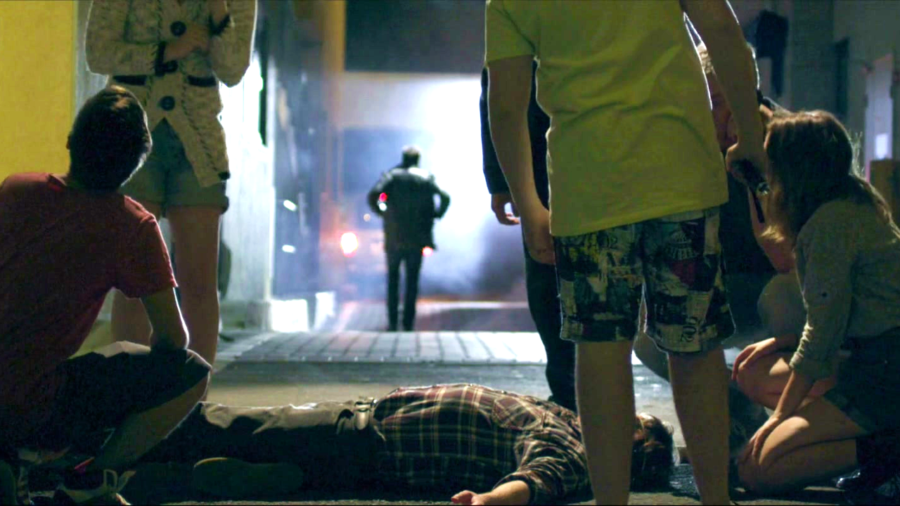
1978’s The Odd Job is a comedy of errors about a man who hires a janitor to kill him because he’s too much of a coward to end his own life. It’s a slapstick effort written by Graham Chapman that’s way funnier than its critical reputation suggests, and on one hand, I get it. It’s essentially the same gag repeated over and over again, with mixed results, landing if you’re a fan of the kind of irreverent humor that only somebody from the Monty Python comedy troupe could deliver with a wink and a nod.
Toying with a similar premise is 2014’s The Suicide Theory, which centers on a comparable setup but with wildly different results (namely, it’s not a comedy). In The Suicide Theory, we’re introduced to a contract killer hired by a man who no longer wants to live. The problem is that he’s given suicide the old college try on countless occasions leading up to this point and is convinced he’s invincible. While both films feature the same kind of contractual relationship in which one man wants to be eliminated from his mortal coil, The Suicide Theory is existentially heavy, focusing primarily on fate, free will, and how they’re constantly at odds with each other.

The Suicide Theory wastes no time setting up its conflict when Steven (Steve Mouzakis) is tracked down by a desperate man named Percival (Leon Cain). Percival already looks worse for wear, with scars all over his face indicating that he wouldn’t be hiring a hitman if he hadn’t already tried to die, and failed miserably, countless times. Not even sure if Steven can successfully kill him, Percival hands over a large sum of cash and tells the killer that he doesn’t want to see it coming, and that since he believes he may be cursed, an attempt can only be made on his life if he looks legitimately happy.
Up to the challenge, but not one to believe Percival’s claims, Steven immediately shoots Percival in the chest three times upon making the arrangement, only for the man to wake up hours later in the hospital with no major injuries. Percival is further upset when he learns that the doctors found a massive tumor near one of the bullet wounds and were able to remove it while they were in there, meaning getting shot actually saved his life.

Fascinated by this project, Steven, who’s lost his passion for contract killing, keeps his promise and continues searching for new ways to execute Percival, none of which work. Steven, who’s been afraid of crossing streets ever since his wife was struck by a car and killed three years prior, can’t always chase Percival down due to his phobia, but has no qualms about hailing a taxi cab to help him cross the street if he needs to.
As we get to know the two principal players in The Suicide Theory, it becomes evident that they’re not so different. One man is a hardened, cold-hearted killer who’s lost his passion for the game, while the other is so deeply wounded that even multiple suicide attempts can’t put him out of his misery.

It’s almost as if he’s done something so horrible in life that his cosmic punishment is never being able to end it on his own terms. The two men become friends, if you could call it that, and come to realize they were supposed to meet each other, as if fate had been waiting for them. The reason their paths cross, when finally revealed, is the kind of gut punch that will make you wish you were watching The Odd Job instead, because it’s a brutal way to spend your time.
The Suicide Theory is not an easy watch, but it’s a rewarding one. It’s an exploration of fate and destiny taken to its most morbid conclusion, and it’s not without a dark sense of humor. It’s not “haha” funny by any stretch, but every time Percival wakes up in the hospital wondering how he made it out alive this time, you can’t help but sport a wry smile because he’s trying everything he can to not wake up ever again. Steven’s odyssey is all about finding purpose; he wants to hang up his gun for good, but knows this last job is an important one. But it’s up to you, dear reader, to figure out why.


The Suicide Theory is currently streaming for free on Tubi.
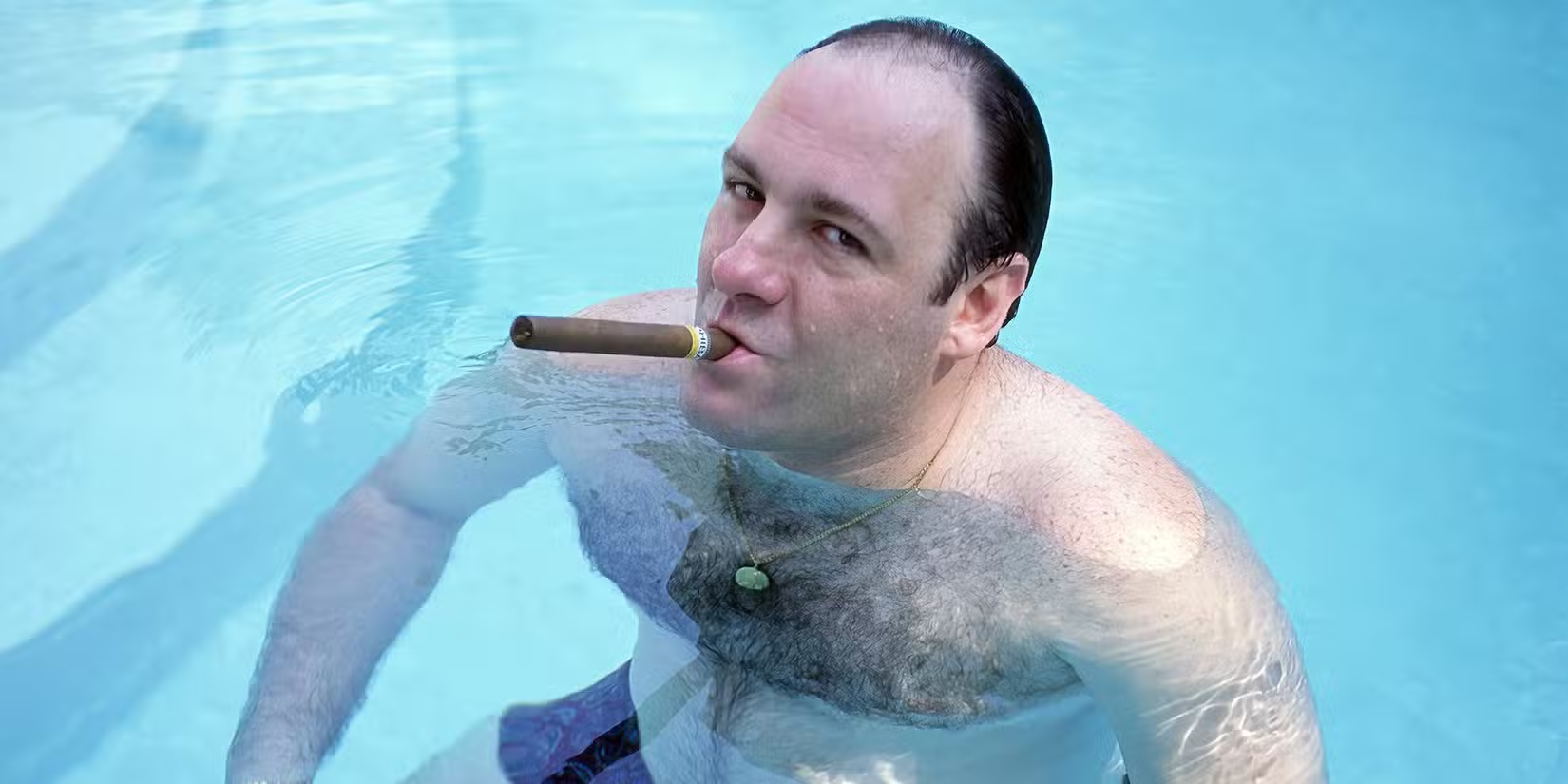
Nearly two decades after viewers thought their televisions suddenly broke when the final scene of The Sopranos aired, the show still towers over modern television as a timeless hit. From the all-star cast of Edie Falco and James Gandolfini, to the depth and complexity of the HBO show, few shows have come close to matching the cultural impact of The Sopranos.
While time has rendered lots of shows out of date, The Sopranos hasn’t been dulled as the years go on. If anything, time only made the talent behind the show – from the writing to the acting – shine even brighter and made the show feel sharper, funnier – at times darker – and more psychologically honest than others that camera after. At the time of its airing, The Sopranos broke viewership records that weren’t topped until Game of Thrones. And in the years since, it regularly ranks in the top 10 of the streaming network’s shows week over week.
On the surface, The Sopranos is a mob drama. It’s about a group of criminals doing whatever it takes in the name of self-preservation, including killing and betraying those closest to them. But, in reality, it’s a character study just masquerading as a crime show. The series centers on Tony Soprano’s conflict between how he’s supposed to be portrayed and the reality of how he feels inside. He wages war with himself over the tough choices he has to make and what he wishes he could do if the rules of his world were different.
Before The Sopranos created Soprano in the complex way that they did, television leads were pretty much defined by being consistent. They were predictable, they fit into certain archetypes and rarely deviated from the character they were built to be. Tony Soprano shattered that mold of what a lead character is. While he’s charismatic, he’s also nasty. He’s both a sympathetic character and monstrous and sometimes all of these seemingly conflicting characteristics come through in the same scene.
The show never made excuses for how Soprano was behaving, they just tried to give them a way to understand him beyond what the stereotype would say he should be. There’s no moralizing in the series. No explanation for why what Soprano or the people around him are doing isn’t actually as bad or criminal as it seems. Show runners took a chance on trusting viewers to see Sopranos the multidimensional character that he is and love him in spite of his misgivings because of how human he is.

There’s not a chance you can talk about The Sopranos without acknowledging how transformative Gandolfini’s career-defining performance was. For many people, James Gandolfini and Tony Soprano are one and the same. It’s not until the final season that some viewers are able to separate the two. After getting shot by his uncle, Soprano goes into a coma and becomes Kevin Finnerty in a dream. Finnerty represents what Soprano could have been if he had been born into another life. Gandolfini is portraying an entirely new character with a new voice and even a new gait. That episode shows the breadth of his acting abilities and even Finnerty pulls viewers into the show with investment.
As Soprano, Gandolfini is terrifying, pitiful, funny, deeply insecure, assertive and vulnerable, often in rapid succession. His ability to portray all of these characteristics at a drop of a hat made viewers root for Soprano because of how relatable the manic display of emotions is. Few actors have gotten the space on a single show or been given a character so adeptly written that they could be so self-exposing over the course of six seasons.
The Sopranos redefined the terms of lead characters and gave future series the approval to push the boundaries with their protagonists. It proved that audiences could be willing to get invested in morally compromised characters. That characters don’t necessarily follow a typical redemption arc – or any redemption arc. Many of the characters on the show meet their demise without having redeemed themselves, but it doesn’t lessen viewers’ love for them.

Soprano may be the gravitational center of the Sopranos world, but the show continues to thrive because of how incredible its ensemble is. Each character has layer upon layer of texture and, just like Soprano, they’re all contradictory and painfully human. There are parts of each character that viewers will love and parts of each character that viewers will despise.
It would have been easy for the show to make Carmela and Soprano’s relationship a case of good versus bad. Soprano, the philandering mobster, is pitted against a doting wife. Instead, show runners made Carmela just as complex as Soprano. The juxtaposition between her character as a devout Catholic and reckoning with Soprano’s business and infidelity is a portrait of complicity that’s both uncomfortable and empathetic.
Christopher, Paulie and Uncle Junior all teeter between comic relief and tragedy. They all have their faults and the show makes no qualms about showing them. But, they have just as much depth as Soprano, making viewers simultaneously get frustrated with them and want to root for them. Even characters with very minor roles feel lived-in, showing the attention to detail everyone involved in the show brought to the series.
The Sopranos first aired in 1999 and the early seasons could easily feel like a blast from the past given how 90s the filming and attire is. But, the show’s themes have stood the test of time and, in some ways, become even more relevant. The show’s exploration of consumerism, masculinity, the decay of generational values, feminism and moral self-deception are all themes that could easily be the center of a show written in 2026.
The show also deals with the American dream and the realization that life isn’t always the way it seems. It’s most evident through the coming of age stories of Meadow and Anthony, Jr., who both have to face the realities of their father’s world and the world around them. But, it’s also showcased through Soprano, who repeatedly talks about what life was like for his father and how far his Italian roots have come in America.
The thematic clarity throughout the series is part of why it’s aged like a fine wine. Yes, the specific examples are a commentary of a moment in time, but the themes of self-discovery, disappointment with life and country are all themes that every generation has had to and will have to grapple with, making the show feel eerily current.
It’s been nearly 20 years since The Sopranos ended, but the show doesn’t feel like a historical artifact. It feels like a benchmark that reminds people of what television shows can accomplish when they dive into complex characters and build a show around the themes that cross generations. It’s a show that uses a deeply flawed mob family to make viewers reflect on their own relationships and the lives we’ve been given versus the lives we may wish we could have.

1999 – 2007
HBO
David Chase
Tim Van Patten, John Patterson, Alan Taylor, Jack Bender, Steve Buscemi, Daniel Attias, David Chase, Andy Wolk, Danny Leiner, David Nutter, James Hayman, Lee Tamahori, Lorraine Senna, Matthew Penn, Mike Figgis, Nick Gomez, Peter Bogdanovich, Phil Abraham, Rodrigo García
Michael Imperioli, Jason Cahill, Lawrence Konner, David Flebotte, James Manos, Jr., Salvatore Stabile, Toni Kalem, Mark Saraceni, Nick Santora
Us Weekly has affiliate partnerships. We receive compensation when you click on a link and make a purchase. Learn more!
If anyone knows how to make a ‘basic’ feel anything but boring, it’s Heidi Klum. The former America’s Got Talent judge recently stepped out in a bold red trench coat that gave a classic spring staple a major refresh. And yes, you can recreate the look for just $51 on Amazon.
While braving a rainy New York City day on March 23, Klum leaned all the way in with coordinating red pumps, oversized aviators and even a plaid umbrella. The head-to-toe color palette turned a gray day into a full-on fashion moment. Consider it your reminder that one bold layer can completely change your outfit.
Get the Betusline Double-Breasted Trench Coat for $51 (was $60) at Amazon! Please note, prices are accurate at the date of publication, March 24, 2026, but are subject to change.
Want Klum’s style without the splurge? The Betusline Double-Breasted Trench Coat gets you there for way less. It’s designed with a classic double-breasted front, crisp lapels and an adjustable belt that instantly defines your shape. The mid-length cut and waterproof finish also make it a no-brainer for rainy spring days.

Leave it to Jenna Lyons to make spring dressing look easier than ever. The style icon recently stepped out wearing a relaxed bomber jacket, reminding Us that the layer instantly delivers the effortless, thrown-on polish we’re always chasing. Of course, we knew we had to grab a similar style for ourselves, and discovered a $38 version that […]
The bold red shade brings major main character energy to any outfit — think tailored trousers and a chic blouse for the office or jeans and a simple tee for coffee runs. If you lean more neutral (or just want options), it also comes in pale pink, classic beige and even fun floral and plaid prints. With options ranging from XS to XXL, it’s a versatile, size-inclusive piece that fits seamlessly into any spring wardrobe.
Klum isn’t the only one reaching for this wardrobe staple; shoppers are just as obsessed. One reviewer who bought the red shade called it “gorgeous,” adding that it “looks great” with everything from “casual or business, or dressier, more formal” outfits. Another shopper said they “love the weight,” noting it’s “perfect for spring and summer.”
Klum took a classic trench coat and turned it into a full-on fashion moment — and now you can, too. The bold color, flattering fit and wear-anywhere design make it anything but basic. For just $51 on Amazon, consider this your sign to add to cart ASAP.
Craving the pop of color but looking for a different style? Discover more Amazon picks below!
Shop more red trench coats that we love:
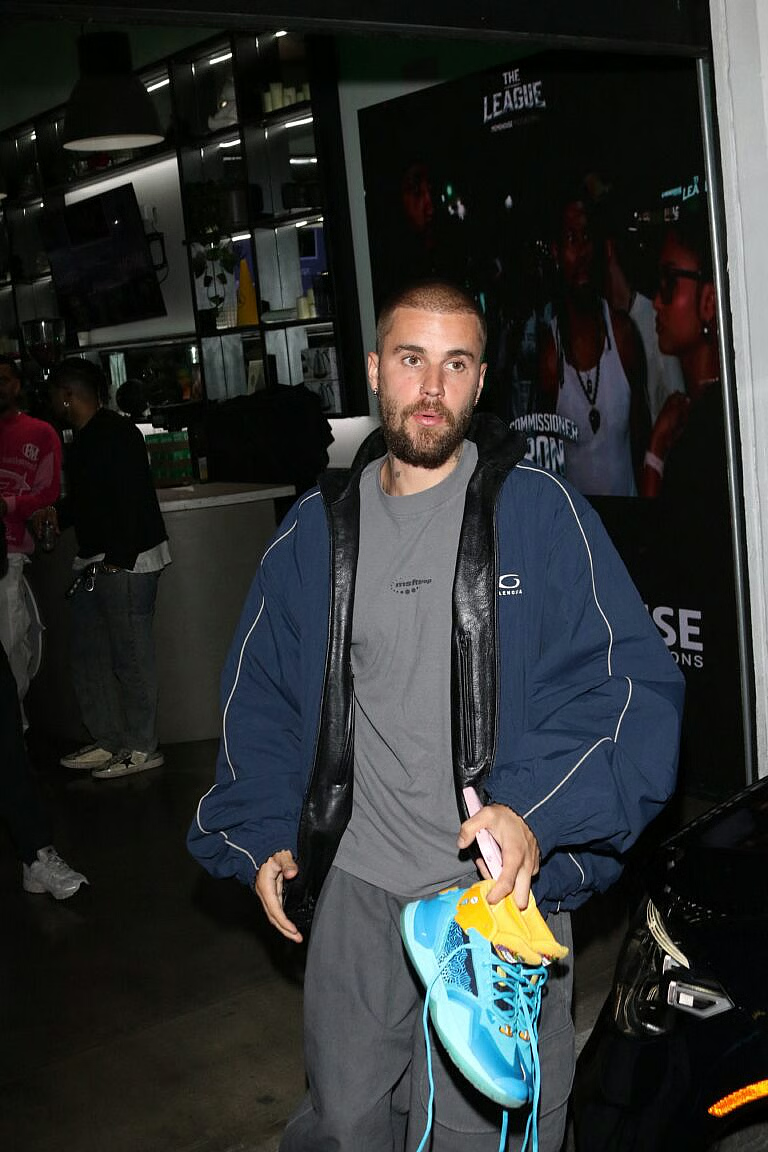
Justin Bieber and Usher‘s alleged clash at an Oscars party was not an isolated incident, but rather the breaking point in a longer-running rift between the two, according to insiders.
Usher is said to have confronted his former protégé at the event, with some claims suggesting the situation may have briefly turned physical.
Neither Usher nor Justin Bieber has confirmed that the altercation took place, but insiders allege that their ties to disgraced rapper Sean “Diddy” Combs are at the center of the tension.
In the wake of Justin Bieber and Usher’s alleged altercation at an Oscars after-party, insiders have revealed more about what led to the incident.
One source, speaking to Rob Shuter’s #ShuterScoop, claimed the clash had been a long time coming, as the two have reportedly been feuding privately for years.
“This didn’t start that night. It’s been simmering for a long time,” the source shared. “Justin feels like he’s finally seeing things clearly, and he does not like what he sees.”
Earlier reports linked the alleged altercation to Sean “Diddy” Combs, who mentored Usher and had access to Bieber during his early years in the industry while he was under Usher’s label.
The insider backed this claim, saying Bieber once trusted Usher to protect him but now feels his mentor let him down.
“Usher brought him into that world when he was just a kid,” the source pointed out. “Justin trusted him to look out for him, and now he feels like that did not happen.”
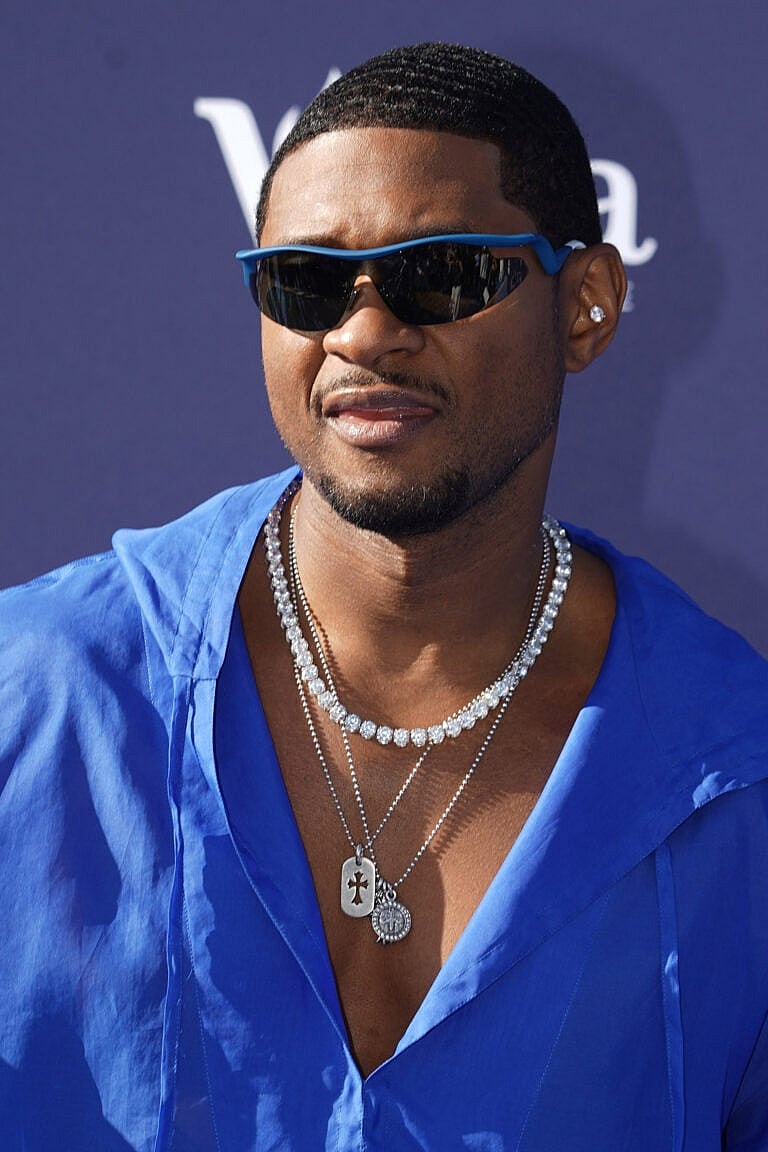
Bieber and Usher’s ties to Diddy came under scrutiny following the rapper’s multiple sexual offense charges in late 2024.
The situation seemingly gave Bieber much to reflect on and ultimately led to what is believed to be a series of painful realizations for the pop star.
“He is not that teenager anymore. He is looking back with very different eyes,” the insider remarked. “And some of those realizations are painful.”

Bieber is said to have been holding on to a lot of pent-up feelings about his time with Usher.
However, according to the insider, Bieber, for now, has no plans of resolving his issues with his former mentor.
“This is not about one argument. This is about years of built-up feelings,” the source continued. “For Justin, this is deeply personal.”
“He is not interested in going backward. He is closing that chapter for good,” the insider also noted.
![Usher Teases Upcoming Super Bowl LVIII Halftime Show [VIDEO]](https://media.theblast.com/cdn-cgi/image/width=768,height=960,fit=crop,quality=90,gravity=auto,sharpen=1,metadata=none,format=auto,onerror=redirect/wp-content/uploads/2024/01/Usher-Super-Bowl-Halftime-768x960.jpg)
Over the last year, videos of Bieber and Diddy have resurfaced, sparking conversation about whether the former teen sensation was molested by the Bad Boy Records founder.
One video in particular allegedly shows the two spending 48 hours together, although they were cryptic about what they intended to do.
“Where we hanging out and what we’re doing we can’t really disclose. But it’s definitely a 15-year-old’s dream,” Diddy could be seen saying in the video, per People Magazine.
“For the next 48 hours, he’s with me. And we’re gonna go full. Buck full crazy,” Combs also remarked in the footage.
Despite the video hinting at more, Bieber, through a representative, has since denied being assaulted by Diddy.
“Although Justin is not among Sean Combs’ victims, there are individuals who were genuinely harmed by him,” read the statement that emerged in March 2025. “Shifting focus away from this reality detracts from the justice these victims rightfully deserve.”
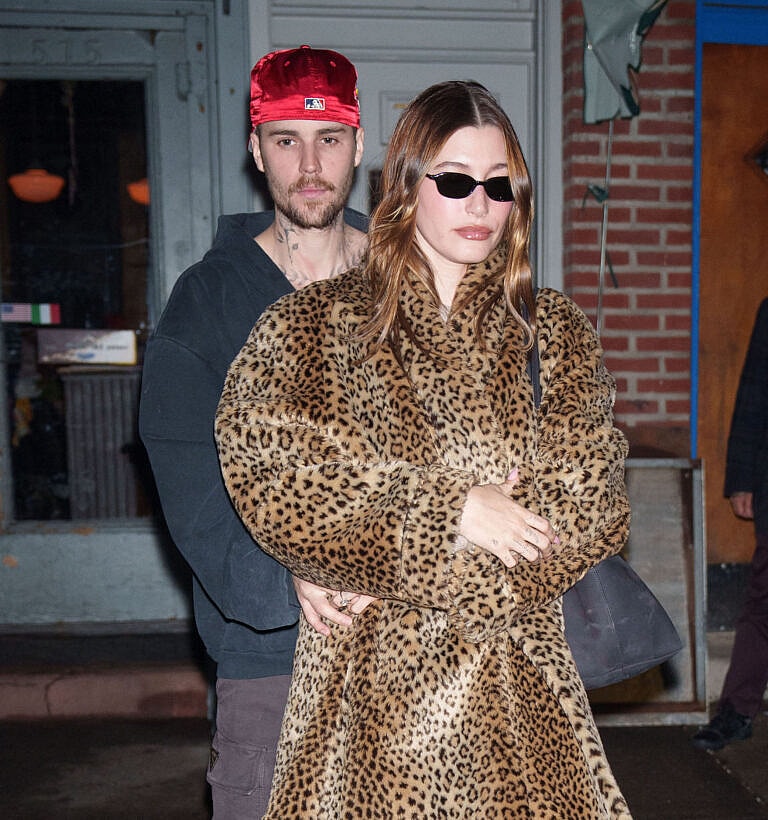
Despite the denials, Bieber’s behavior in the months following Diddy’s sexual offense charges has hinted at underlying issues.
Earlier this month, he was seen displaying erratic behavior on a private jet with a friend, including appearing with glazed eyes and rapping oddly into a camera, according to a report.
At the time, a well-placed source described the singer’s behavior as concerning for someone of his age.
“He is 30 years old now; he’s an adult and should be taking better care of himself. He knows everyone scrutinizes him,” the insider shared.
Another source claimed that Bieber has been acting like a “rebellious teenager,” which has left his loved ones frustrated.
“He has to get his sh-t together and return to the inspirational figure he was before,” the insider continued. “He needs to be on his A-game.”

Science fiction is the genre of ideas, a cinematic playground where filmmakers are able to freely explore humanity’s relationships with technology, the cosmos, and our own evolution and future. It’s the most imaginative genre but the most complex to play with, and if one thing feels off, the entire story can be ruined.
So, building a Mount Rushmore for sci-fi means identifying the films that didn’t just succeed as science fiction features but fundamentally reshaped the genre and influenced everything that followed. It means finding movies that weren’t afraid to drop and adopt genre conventions all at once, to play around with storytelling, concepts, and ideas. If you ask anyone remotely interested in sci-fi, they’ll likely tell you this is the Mount Rushmore of sci-fi movies.

Stanley Kubrick was a multifaceted director, and his interests grew beyond the conventions of any kind of genre. While nowadays, directors are confined to existing within a certain space, trope, or convention, the industry allowed Kubrick to spread his wings and tackle diverse ideas, from the 1950s until the 1990s. Every genre is marked by a Kubrick film, and when we talk about the greats of each, his films are bound to come up. 2001: A Space Odyssey is his contribution to the sci-fi genre, and many call it the greatest film ever made—many directors have deemed it so for years, in particular in the Sights and Sounds director polls over the years.
2001: A Space Odyssey traces human evolution from primordial apes discovering tools to astronaut David Bowman’s (Keir Dullea) transcendent journey beyond the known universe, guided by mysterious monolithic slabs. Bowman is notably “accompanied” by the HAL 9000 computer on the spaceship—a calm voice that’s meant to be a guide for the astronauts but turns out more ominous, representing technology turning against its creators. Kubrick adapted the story together with sci-fi writer Arthur C. Clarke, whose short stories The Sentinel and Encounter in the Dawn served as inspiration for the film; there are discrepancies between the film and prose, which is typical for Kubrick, but it appears that the adaptation feels more inspired by the source material, allowing Kubrick to explore technology, artificial intelligence, evolution, existentialism, and mysticism all at once.
This sci-fi epic completely reshaped how the public saw science fiction, though it took them a while to warm up to it; Dullea noted that people left the premiere early, baffled and wondering what they were supposed to be watching. 2001 revolutionized the depiction of space on film, with special effects that took eighteen months and $6.5 million to achieve, creating what Kubrick insisted must be completely convincing. Paired with pre-composed classical pieces, including music by the likes of Johann Strauss II and Aram Khachaturian, 2001: A Space Odyssey put sci-fi on the map as a genre that can and should have as much visual appeal as substance and meaning.
When we discuss the modern blockbuster, we always divert our attention to Jaws, Steven Spielberg‘s first-ever summer blockbuster thriller that showed why theatrical experiences are vital for the industry. Some filmmakers make their movies specifically for the big, silver screens, but before, they had no choice—the silver screens were all they had, and anyone who wanted to make a mark with their storytelling had to have ideas that would fill every corner of the projection screen. After Jaws, it was anyone’s game, and young and imaginative George Lucas adapted Hamlet into a space opera, inspired by Akira Kurosawa, Toshirō Mifune, and the Dune novels, creating Star Wars—later, and today, known as Episode IV—A New Hope. With it truly came a new hope for bolder, visionary, beautiful storytelling.
George Lucas’s space opera follows young farm boy Luke Skywalker (Mark Hamill) as he joins the Rebel Alliance to take down the oppressive Empire and its dark enforcer, Darth Vader (voiced by James Earl Jones). On the other side, we have Leia Organa (Carrie Fisher), princess of the planet Alderaan, who rejects her aristocratic family tree to fight for what’s right, joining the Rebels and finding a kindred spirit in Luke (no, not like that). The film created a universe that still feels lived-in, ancient, and mythic, delivering a sci-fi fairy tale that is about family, redemption, heroes, villains, destiny, and bravery.
Sure, we could go on and on about the production value and Star Wars‘ visual language, from the Art Deco designs to the desert landscapes of Tatooine, but the biggest impact of Star Wars isn’t just its epic scale and beautiful look. The movie, and soon the franchise, gave people fandom as a culture, providing them a way to express themselves and become a part of that world, even for a day. Star Wars also made room for women as heroes and explored darker themes of oppressive governments, war trauma, and even capitalism. Before Star Wars, science fiction at the movies mostly meant monsters or aliens; after it, the genre became a dominant force in global entertainment.

Staying within the 1970s for some of the greatest sci-fi masterpieces ever made isn’t a coincidence; Star Wars, Close Encounters of the Third Kind, The Andromeda Strain, Solaris, and Invasion of the Body Snatchers are all products of the decade, which seems to truly be the defining one for science fiction. The end of that decade was marked with a high, because Ridley Scott made Alien, the definitive sci-fi horror/thriller that changed how we observe extraterrestrial life. Compared to Close Encounters, Alien is much less hopeful about the encounters of the third kind, which is direct contact with alien life.
Alien follows the crew of the commercial towing spacecraft Nostromo as they investigate a distress signal on a desolate moon. They encounter a nightmarish alien organism that implants itself in a crew member and bursts out of their chest, then begins picking them off one by one inside the ship’s claustrophobic interior. Alien is a true hybrid of genres and ideas, blending science fiction with Gothic horror and creating something visually and thematically interesting and, ultimately, new. H.R. Giger designed the creatures, from the face-huggers to the Xenomorph queen mother, introducing a new visual synonym for terror; the face of such terror is a perfect organism whose biological and mechanical elements remain disturbing decades later.
When Alien came about, Scott was mostly a filmmaker known for adverts, while Sigourney Weaver was a fairly unknown actor. Yet, Weaver’s character, Ellen Ripley, very soon became one of cinema’s greatest heroes, a woman whose intelligence and survival instincts made her a feminist icon in a genre that had rarely revolved around female protagonists. Academic analysis of the film spans cognitive narrative theory, interdisciplinary studies, Gothic studies, and psychology, showing how Alien operates on levels far beyond simple scares. Besides just feminist themes within Ripley and the Xenomorph queen herself, there’s a very timely theme of artificial intelligence, technology, and trust that remains resonant, something similar to what Kubrick tried to achieve in 2001: A Space Odyssey. Alien spawned a vast franchise, showing the intellectually complex, visually stunning, and viscerally terrifying nature of science fiction.

Leaving the 20th century and entering the 21st, we usher in a new era of science fiction, with improved CGI techniques and technology, but ultimately the same old methods with which we observe poignant storytelling. Christopher Nolan‘s Interstellar weaves together space exploration, theoretical physics, and crushing familial bonds, making a modern sci-fi epic that is intellectually and emotionally ambitious. Nolan himself feels like an ambitious filmmaker, often treading where no one seems to actively look (rather than where everyone is afraid to); his masterpiece is often in dialogue with Kubrick’s 2001, from visual sequences to the meditative pace and questions about humanity’s place in the cosmos. Yet Interstellar charts its own territory, arguing that love itself might be a force as fundamental as gravity and that human connection can transcend dimensions, something that feels like Kubrick never truly considered when placing his astronaut in a lonely vastness.
Interstellar follows Cooper (Matthew McConaughey), a widowed father and former NASA pilot, who leads a mission through a wormhole to find a new habitable planet for humanity as Earth suffers from environmental collapse. The film depicts Cooper’s struggle but also how Cooper and his daughter Murphy (Mackenzie Foy/Jessica Chastain), whose lives unfold at different rates due to time dilation, follow each other’s paths and attempt to find each other amid Cooper’s once-in-a-lifetime space mission.
With theoretical physicist Kip Thorne as executive producer and screenwriter Jonathan Nolan (Christopher’s brother) enrolling in relativity studies, the film is fully based on scientific theory about wormholes, black holes, and time dilation. The scene where Cooper watches decades of his children’s lives pass in minutes after receiving messages from Earth is a devastating depiction of parental sacrifice but also one of the most accurate and, admittedly, chilling ways to show viewers the vast possibilities of the cosmos. While Interstellar encapsulates the human fight against extinction, it also honors its predecessors in sci-fi. As it reaches toward something new, bold, and genuine, it tells us, “Do not go gentle into that good night,” making sci-fi a genre that can be a strong plea to humanity.

La La Anthony is turning heads with a bold new hair color!
On Monday, March 23, Anthony took to Instagram to share a carousel of photos with the caption, “This is what happens when me & @arrogant_tae123 get together 🧡🧡🧡love him so much!”
Furthermore, the photos showed Anthony rocking a cheetah-print top, with a copper-colored bob.
Additionally, Anthony even shared a clip to show fans her bold new hair color IRL.
Social media users entered TSR’s comment section with reactions to the 43-year-old’s bold new hair color.
Instagram user @dominiquechinn wrote, “It’s giving Jessica Rabbit 😍😍”
While Instagram user @yooohypemommy added, “Yes i love that color on her 😍😍”
Instagram user @theyolaeffect wrote, “…Spice 🔥”
While Instagram user @nenadaggett added, “She look good af 😍”
Instagram user @sultrygirl wrote, “Like this color on her 😍”
While Instagram user @scarzindaface added, “That hair color looks great on her❤️”
Instagram user @zaina_awa wrote, “why would this be a no?? 😍”
While Instagram user @roro_with_the_good_hair added, “Loooooooooove it!! 🔥🔥🔥🔥😍”
Instagram user @she.sade wrote, “This is her color ! 😍”
Months before showing off her bold new copper hair color, Anthony was turning heads alongside Kim and Khloé Kardashian. As The Shade Room previously reported, in August 2025, Kim Kardashian had taken to Instagram to share a carousel of photos showing her, her sister, and Anthony on a private jet. The trio were dripped in minks and serving luxury energy. However, one accessory that they were all rocking left the internet puzzled.
At the time, Instagram user @styledbyamari wrote, “They look fresh out of surgery”
What Do You Think Roomies?
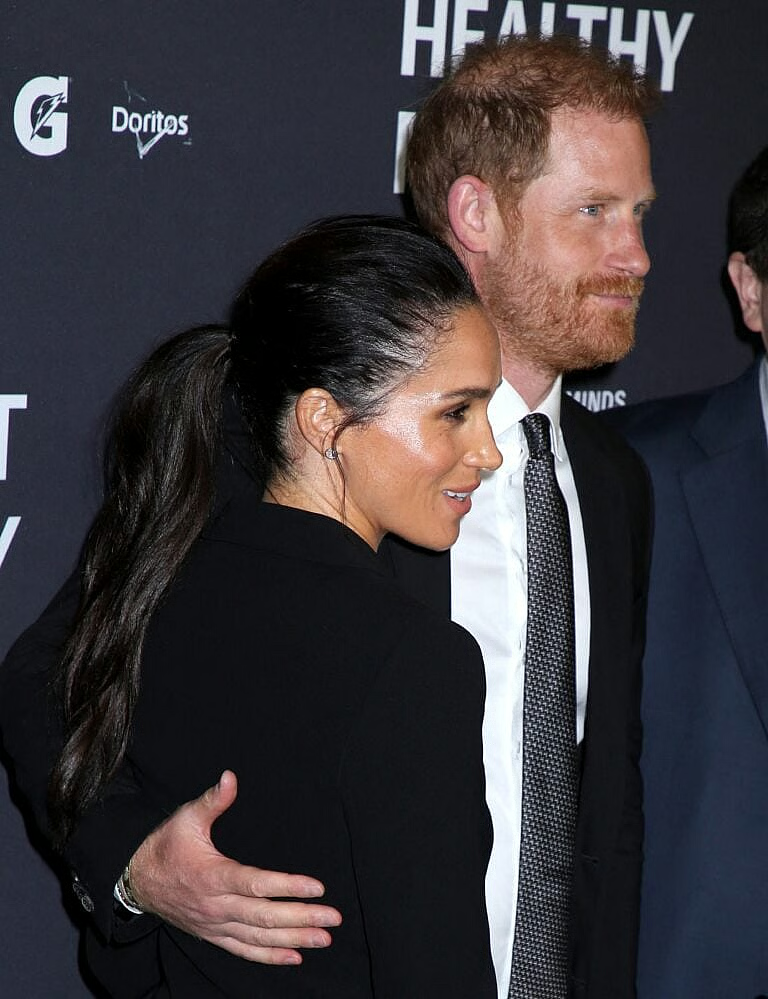
Meghan Markle and Prince Harry‘s circle keeps getting smaller by the minute!
The royal couple is reportedly not on friendly terms with their neighbors in their exclusive residential area of Montecito, California, as they try to find the next course forward for her lifestyle brand.
Meghan Markle and Prince Harry moved to California in 2020, leaving behind their senior roles in the royal family in the United Kingdom to start afresh, thanks to their fruitful partnership with Netflix.

A source close to the couple’s neighborhood claimed that everyone in their area is avoiding them and does not want to be seen with the family. Insiders claimed that while the obvious reason may be because of the scathing articles about the couple, it is actually a much-layered development that has been taking place over the years. According to the source, what they feel for the couple is not hate, it is just a “growing awareness” that the couple is takers with no self-awareness, and everyone has gotten very tired of them.
However, another source disputed the information, claiming that the couple has a great relationship with their neighbors and appreciates the community. “They have settled into the quiet privacy of their community since their arrival and hope that this will be respected for their neighbors, as well as them, for a family,” an insider added, according to Page Six.
Meghan and Harry purchased the $14.65 million property in Montecito after they moved to California six years ago. The couple often shared adorable pictures of their kids from their garden in the sprawling estate, as recent as last week, when she announced her new $255 luxury flower boxes from her “As Ever” brand.

After announcing the end of their collaboration with “As Ever” earlier in the month, the streaming giant’s CEO took things a step further by unfollowing the actress and her brand on Instagram. As reported by The Blast, Netflix’s Chief Content Officer Bela Bajaria was also rumored to have pulled the same move.
This unfollowing spree raised fresh speculations about what truly went down behind the scenes, which led to them parting ways. Sarandos’ wife, Nicole, still follows the actress, although she also unfollowed the brand, but they remain friends off the web. Netflix’s CEO was among the first set of industry shot callers to give the actress a follow when she returned to social media early last year.
He equally followed her brand account, which earlier carried the name “American Riviera Orchard” at the time. More sources added that Sarandos and Bajaria had made some nasty remarks about Meghan and Harry behind closed doors, although the specific words being said were not disclosed.

Last year, The Blast stated that the couple’s mission to become one with their Montecito community came under heavy criticism from locals who had an issue with Meghan’s personality. According to Richard Mineards from the New York Post, Harry has proven himself to be more approachable over the years compared to Meghan, who does not play the community game.
He referred to an instance where an elderly historian who was looking forward to personally delivering a documentary to the Netflix star could not make a journey past the couple’s gate. Meghan and Harry’s neighborhood is also home to a few celebrities like Oprah Winfrey, Katy Perry, Ellen DeGeneres, Portia de Rossi, Gwyneth Paltrow, Ariana Grande, and Jennifer Aniston.
Mineards revealed that, unlike Meghan, Oprah often joined the community at charity events. The journalist continued that Meghan’s carefully curated public persona has also added to the way she relates with her environment because she now pays attention to every appearance, every gesture, and every word she speaks.

Last year, the former actress admitted some truths in an interview, responding to circulating claims that she was out of touch. She confessed that she was glad for people sticking with her while she tried to figure out her brand and grow through the experience, which she described as a learning curve. She also noted that part of her endeavors is striving for her children to experience normalcy while raising them.
In her words, “Once you know us, I think you want us to have the same normalcy as parents and for our children as they do, despite however unique our situation is.” Meghan continued that she stays involved in her children’s social lives by texting the parents of her children’s classmates frequently to arrange playdates over the weekends and holidays.
The lifestyle brand owner also raved during the interview that Montecito has warmly welcomed her and her family, making them feel welcome. She also spoke about her social circle, revealing that she has girlfriends who work normal jobs and are not in the spotlight like her, but they find time to connect through their kids and engage in other activities.

The former working royal was meticulous with the production of her Netflix lifestyle series as she decided to exclude her home from the filming environment. Instead, she chose the kitchen of her neighbors and philanthropist, Thomas and Sherrie Cipolla, who live just two miles away from their $14 million mansion.
Meghan explained that her reason for not filming inside her home was that she did not want her children to feel overwhelmed by the constant presence of a large production crew. According to her, “It’s like, well, my kids are coming home for their nap, and 80 people in the kitchen isn’t really the childhood memory I would love for them to have.”
She tagged herself as fortunate to find a better alternative with the Cipollas and their stunning property. The star’s lifestyle show featured appearances from several celebrities like Roy Choi, Mindy Kaling, Alice Waters, and Abigail Spencer.
What will be the next rumor about Meghan Markle and Prince Harry?
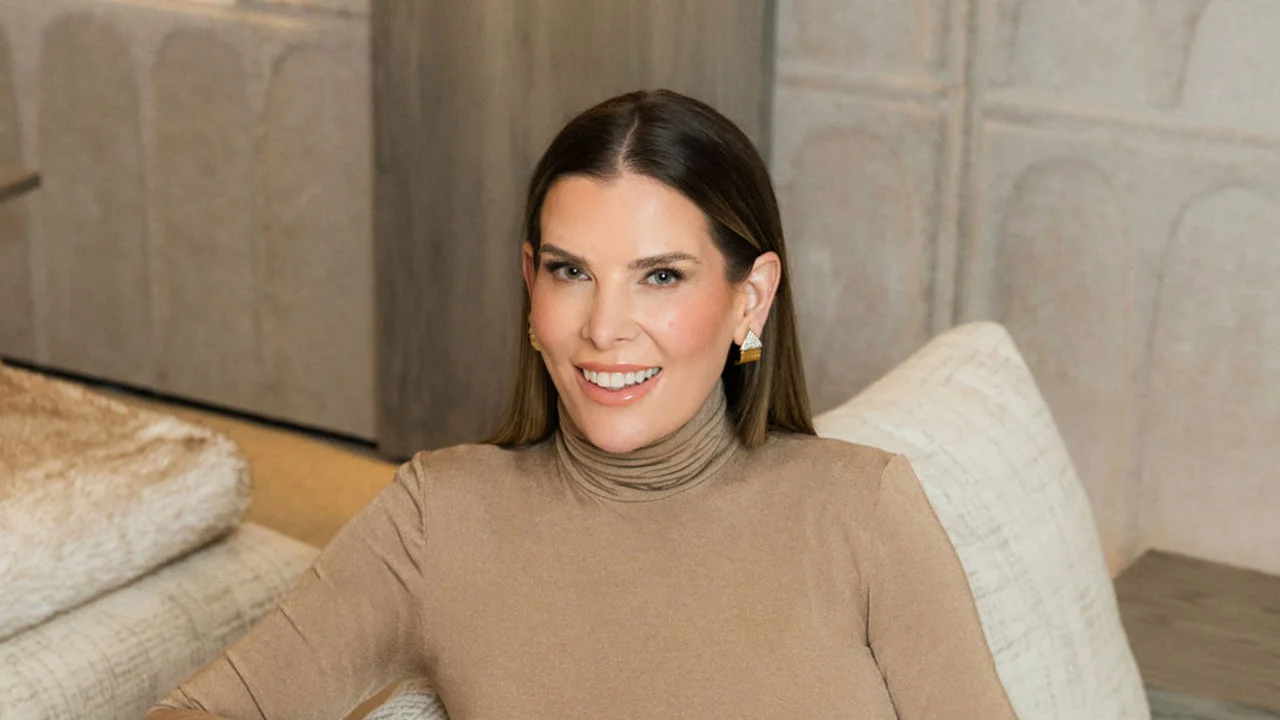
Good news for your bathroom shelf: less really is more. Celebrity aesthetics expert Amy Peterson is breaking down what your skin actually needs, and what you can skip.
For the Skincare by Amy Peterson founder, it all starts with a clear objective (and complexion).
“My ultimate goal, both for myself and my patients, is healthy, resilient skin that looks like you, just better. I’m not chasing trends or overcorrection. I’m focused on skin that feels strong, even, and truly taken care of over time,” she tells ET.
And according to the Miami, Florida-based beauty expert, achieving that is simpler than you might expect.
“Long, multi-step routines are overrated. Most people don’t need more — they need the right products, used consistently. When formulations are thoughtful and effective, you can do more with less.”
That philosophy carries through to her line, Lenox & Sixteenth, a favorite of Karlie Kloss and Ashley Graham, built around just three core staples.
“Our products are designed to work together, but they’re also intentional as standalone heroes. We’re not launching products just to launch — each formula has to earn its place,” she shares.
One standout is her Laser Serum, which draws inspiration from in-office offerings like the BBL, Moxi, Aerolase, TetraCool CO2, and Fraxel lasers, but without the downtime.
“With consistent use, you should expect real, visible improvement in tone, texture, and overall skin quality — results that build over time, not overnight. What you do every day matters far more than what you do occasionally,” Peterson explains.
The same thinking applies to treatments, too.
“Over-lasering usually happens when treatments are done without a long-term plan. There’s a difference between selecting something off a menu and being guided through a thoughtful, corrective, and maintenance-based approach,” she notes.
In other words, it’s about finding what works for you, not following someone else’s routine.
“You shouldn’t be choosing your treatment off a menu. Just because something worked for a friend doesn’t mean it’s right for you. Skin type, concerns, and long-term goals all matter, which is why a proper consultation is essential,” she adds.
Even when it comes to wellness habits, the CEO believes a little goes a long way.
“One of the biggest mistakes I see is excess heat from things like hot yoga and steam, especially in patients with melasma.”
If there’s one habit she does encourage you to stay consistent with, though, it’s SPF.
“Not wearing sunscreen is a no. That alone can undo a lot of good work.”
RELATED CONTENT:
By Jennifer Asencio
| Published

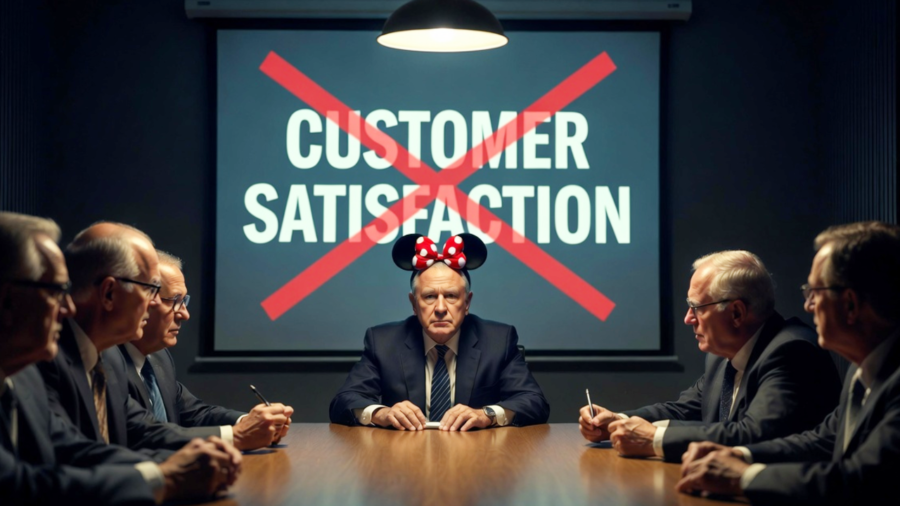
Disney has endured in charming memory for decades, but all that shines isn’t always King Brian’s gold. The company has been in the news in recent weeks, and for none of the right reasons. There was the recent shakeup in leadership in addition to being sued by their head of games for discrimination. When you add in the negative press by Snow White star Rachel Zeigler, they have been weighed down more heavily than the chains of Jacob Marley. On March 5th, 2026, Disney reached a tentative settlement with the courts and regulators on its anti-trust actions.

After acquiring Hulu and ESPN, Disney began to enforce strict policy terms. Companies like YouTube TV and DIRECTV stream were required to offer more expensive packages for ESPN if they wanted other Disney products, forcing up the cost of streaming services. Leveraging the sports network’s popularity, the Magic Kingdom refused to offer lower-cost packages that didn’t include ESPN, so anyone who wanted Disney content was forced to buy the more expensive sports package. The class action lawsuit, which was filed initially back in 2023, has finally concluded in a settlement in which Disney avoided further litigation by settling rather than admitting fault.
The $50-million-dollar settlement will affect anywhere between 11 and 17 million people. With the higher price floor and contract terms, those companies had to pass the cost on to their customers. Disney has also agreed to immediate relief by giving companies the option to offer fewer or even no Disney-owned networks, like ESPN, in the packages that previously had them.

As more streaming services come up and more silos are created, content becomes even harder for people to reach. The streaming giants that once started to counter the stranglehold that traditional cable companies operated have now taken their place. The public is burdened with higher costs, too many options, and limited content over who has what and for how long. In the future hopefully, this lawsuit will demonstrate to those entertainment giants that they will be held accountable for their actions.
What the next phase in entertainment will be is still being decided. Will people ditch streaming like they ditched the dish, the box, and the cord? If more anti-trust suits like this one turn up while streaming services gobble up every bit of content they can, it may be inevitable.




NIO (NIO) Stock Plunges 6.5% as Shelf Registration Sparks Dilution Worries


Weekend Open Thread: Adidas – Corporette.com


Jenni Murray, Long-Serving Woman’s Hour Presenter, Dies Aged 75


Best Crypto to Buy Now: Strategy Just Spent $1.57 Billion on Bitcoin During Fear While Early Investors Quietly Enter Pepeto for 150x Potential


RBA board divided on rate cut, unusually buoyant share market | Finance Report | ABC NEWS


Bitcoin Price News: Bhutan Sells $72 Million in BTC Under Fiscal Pressure, but the Smart Money Entering Pepeto Sees What the Market Does Not


The House | The new register to protect children from their abusers shows Parliament at its best


inKONBINI Lets You Spend Summer Days Behind the Register


Canada’s FINTRAC revokes registrations of 23 crypto MSBs in AML crackdown


Remo Stars and Kano Pillars Strengthen Survival Hopes in NPFL

Residents in North Lanarkshire reminded to register to vote in Scottish Parliament Election


PARLIAMENT OF MALAWI – PAC MEETING WITH REGISTRAR OF FINANCIAL ON AMARYLLIS HOTEL – INQUIRY LIVE


Gender equality discussions at UN face pushbacks and US resistance


No Winner in March 21 Drawing as Prize Rolls to $133 Million for Next


Who Was Alex Pretti? 5 Key Facts About the ICU Nurse Killed by Federal Agents in Minneapolis


Gary Kirsten Accuses Pakistan Cricket Board Of ‘Interference’, Mohsin Naqvi Responds


Give Your Phone a Huge (and Free) Upgrade by Switching to Another Keyboard
Vikings Free Agency Enters Phase 2 with Key Questions


2026 Kentucky Derby horses, odds, futures, preview, date: Expert who nailed 12 Derby-Oaks Doubles enters picks


Inventec’s bizarre VeilBook laptop hides its touchpad under a sliding keyboard just to give cooling fans a little breathing room


You must be logged in to post a comment Login