
Entertainment
Coi Leray & Miyoco Have Fans Losing It Over Dance Clips

In a series of clips shared on Coi Leray’s social media, the rapper can be seen posted up in what looks like a dance studio, complete with mirrors lining the walls. Standing front and center, Coi appears to be filming a dance tutorial while her daughter Miyoco stays close by. At one point, Miyoco starts clapping as Coi gets into it—whining her waist and dropping low, showing off her moves as she squats all the way down. She kept it comfy and cute too, rocking sweatpants, a crop top, and sneakers.
In another clip, Coi balances mom duties and vibes, holding Miyoco on her hip while still catching the rhythm. And baby Miyoco? She had her own lil’ spotlight moment—seen placing her hands on the mirror, turning back to the camera with the sweetest smile, rocking a colorful romper and a gold chain. Coi even had jokes in the caption, writing “Gotta start ’em young.” Safe to say, Roommates… this mommy-daughter energy got folks in their feelings!
TSR Comments Go Wild Over Miyoco Post
Whew, Roommates—the comments were going OFF under TSR’s post! Some folks were quick to say we need to mind our business and let Coi Leray raise her baby how she sees fit, while others were low-key confused and kept asking what she meant by “Gotta start ’em young.” And of course, y’all already know a handful of fans slid in just to say little Miyoco is looking more and more like her daddy every day!
One Instagram user @bxsedd said, “Chileee yall was doing pop lock it drop it at the age of 6 hush up“
This Instagram user @nikkistclair added, “How people raise their children is none of my business 🤷🏾♀️😉”
And, Instagram user @kikimama_ commented, “Sooo stinkin cuteeeeee“
While Instagram user @partybob2_ shared, “she her daddy child foreal“
Then Instagram user @tierraxtanai wrote, “She is literally the cutest chunkiest baby ever!“
Lastly, Instagram user @therealimanilee joked, “d*mn not even ABC .. the dirty wine 😂😂”
RELATED: Grubbin’ Down! Coi Leray Has Fans Catching Baby Fever After Showing Miyoco Goin’ In On Her Beachside Snack (PHOTO)

Continue Reading
By Robert Scucci
| Published

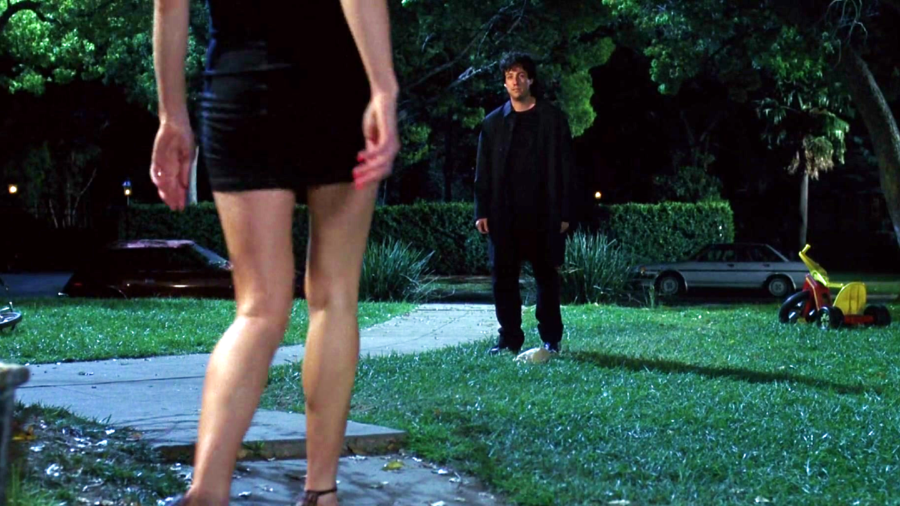
There’s no denying just how powerful Adam Sandler was in the 90s. He was operating in God mode. From 1995 to 1999, he jammed out Billy Madison, Happy Gilmore, The Waterboy, Big Daddy, and, my personal favorite, 1998’s The Wedding Singer. Out of all the streaming services I have access to, whether I’m paying for it or piggybacking off the in-laws, The Wedding Singer is nowhere to be found. It’s peak Sandler, firing on all cylinders, but if I want to watch it, I have to throw down four dollars for an on-demand rental.
Honestly, for that price, I’m about to hit up the nearest Goodwill and see if I can grab a DVD copy of The Wedding Singer for the same cost. It’s not that I’m cheap (I am), but if I’m paying for a movie I’ve already seen 100 times growing up, I want some sense of ownership to get me out of bed in the morning. I learned that mentality from Shark Tank, even though their accounting doesn’t exactly apply here.
Sandler Firing On All Cylinders

What’s not to love about The Wedding Singer? Moderately successful wedding band frontman Robbie Hart (Adam Sandler) gets left at the altar by his fiancée Linda (Angela Featherstone). He falls for a waitress named Julia (Drew Barrymore), and we all learned pretty quickly how great Sandler and Barrymore complement each other in comedies. Julia is engaged to Glenn Gulia (Matthew Glave), a boozing, womanizing yuppie who only cares about sex, money, and conspicuous consumption. Meanwhile, Julia’s cousin and best friend Holly (Christine Taylor) catches feelings for Robbie, not realizing how strongly he feels about Julia.
The Wedding Singer’s setup alone has all the ingredients for a perfect rom-com, and then it gets pushed to the next level by how quotable it is at every turn. Wedding attendees yelling “YOU SUCK!” at George (Alexi Arquette). Rival wedding singer Jimmie Moore (Jon Lovitz) getting wide-eyed and scheming as the curtain closes. Rosie (Ellen Albertini Dow) paying Robbie for music lessons with loose meatballs she scoops directly into his hands. And, of course, Sandler belting out “Oh somebody kill me please!,” which I still sing to myself whenever I anticipate being mildly inconvenienced for a couple of hours on any given day.
Not On Streaming, But Worth The On-Demand Rental

Everything you need to know about peak Adam Sandler can be found in The Wedding Singer. Billy Madison, Happy Gilmore, and The Waterboy lean heavily into slapstick but still have some heart. Big Daddy has all the heart, but feels a little lighter on the gags. The Wedding Singer hits the sweet spot. It’s anchored by classic rom-com beats, then elevated by its 80s throwback aesthetic, with a steady stream of pop culture references doing a lot of the heavy lifting.
Say what you want about Adam Sandler, but his run in the 90s was legendary. With the clout he has now, especially through Netflix, it’s baffling that all of his heavy hitters aren’t readily available to stream in one place. It’s borderline criminal that I can stream Hubie Halloween whenever I want, but have to pull out my wallet to watch one of his best movies.

The Wedding Singer is available on-demand through YouTube, Apple TV+, Amazon Prime Video, and Fandango at Home.

Entertainment
“Laguna Beach” star Lauren Conrad reacts to “Hills” nemesis Spencer Pratt's bid for L.A. mayor — and it's awkward
:max_bytes(150000):strip_icc():format(jpeg)/Lauren-Conrad--Spencer-Pratt-842-04082026-b16c49e12d4f4386be45065c51ca1271.jpg)
Pratt starred as the villain on MTV spinoff “The Hills.”
By Chris Snellgrove
| Published

Pop quiz, hotshot: what do you think the worst episode of Star Trek is? There are some major contenders, including vintage stinkers from The Original Series like “Spock’s Brain” and later slop like “Code of Honor.” However, most fans agree that the worst offender is “Shades of Gray,” the Season 2 finale of Star Trek: The Next Generation. The reason this episode has such an awful reputation is that it’s Trek’s first and only clip show, one that happens to be just as cheap as it is boring.
Ending on such an awful note seemed particularly weird for TNG, whose second season included such bangers as “Q Who?”, which introduced us to the Borg. As it turns out, though, there is a surprising relationship between these two episodes. If The Next Generation hadn’t introduced the bionic baddies who would become the franchise’s greatest villains, “Shades of Gray” would never have been made!
They’re Taking Our Jabs

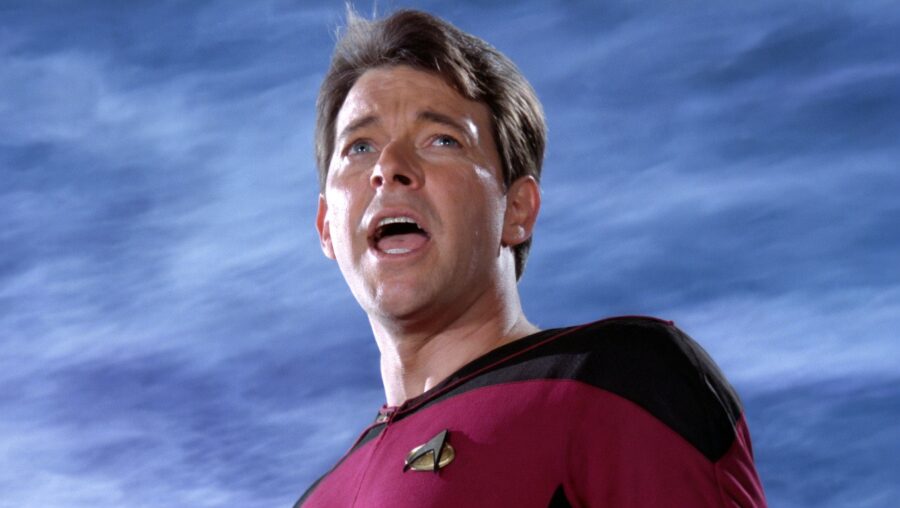
Here’s a quick recap (just think of it as the text equivalent of a clip show): “Shades of Gray” is an episode where Riker gets a virus from a plant, and he only has hours to live. In sickbay, Dr. Pulaski hooks him up to a device designed to stimulate his neurons so that he can fight the virus off. Of course, the “stimulating neurons” plot is just an excuse for the episode to turn into a clip show where Riker flashes back on various moments from the first couple of seasons. All of these clips inexplicably help to cure Riker, though they will torment Star Trek fans for the rest of our natural lives.
Again, “Shades of Gray” was the first clip show in Star Trek history, and it was so bad that the franchise never made this mistake again. That leads to a fairly obvious question: why did the producers create this episode in the first place? Even in the ‘80s, clip shows had a reputation for being cheap, lazy, and uninspired. Why, then, would a sophomore series trying to be taken seriously resort to the oldest and most hated trick in television history?
Money Talks, Trek Walks

The answer is, of course, money. It might not exist in the 24th century (at least, for Federation types), but cold, hard cash was still very important in the 20th century. Paramount only had so much money to produce Star Trek: The Next Generation, and some episodes cost more than others. This often involved compromise, so if the network shelled out more money for certain scripts, others would get short shrift. This is basically where bottle episodes come from: having certain episodes that require fewer actors and sets makes big, blockbuster episodes that much more affordable.
“Shades of Gray” is much cheaper than standard episodes, and the reason for this is that the network had already blown through quite a bit of cash earlier in the season. As recorded in Captain’s Logs: The Unauthorized Complete Trek Voyages, episode director Rob Bowman said that “Shades of Gray” was Paramount’s way of saying, “We gave you more money for ‘Elementary, Dear Data’ and the Borg show. Now, do us a favor and give us a three-day show. So that’s what you do. It’s an accepted part of the medium.”
When It Comes To Money, Resistance Is Futile

“Elementary, Dear Data” was the episode in which Data played Sherlock Holmes on the holodeck, running afoul of a Moriarty who managed to endanger the entire ship. That episode was also directed by Rob Bowman, who previously noted how expensive it was for Paramount to create the Victorian-era set for Data’s mystery-solving shenanigans. He estimated the cost to be $200,000, which was a huge investment for what was meant to be a one-off episode.
“The Borg show,” of course, refers to “Q Who,” which introduced the Borg into the franchise. While this episode didn’t require the production crew to recreate 19th-century England, it did require them to create an entirely new bionic race as well as a ship design: the iconic Borg cube. Additionally, the episode had a cool new Cube interior set and action scenes galore. On top of that, “Q, Who” featured the return of John de Lancie, the most beloved guest star in Next Generation history. All of those costs added up, leaving very little money left to create the Season 2 finale.
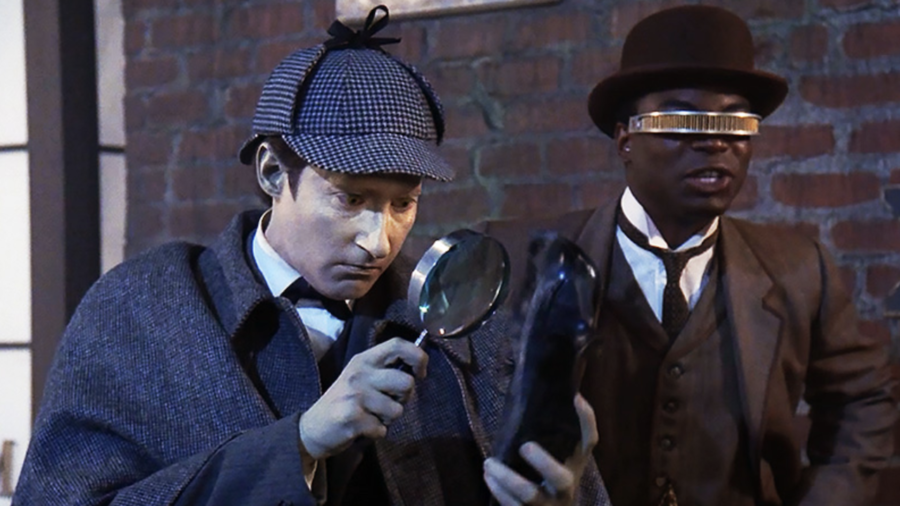
That’s how we got “Shades of Gray:” after spending so much money bringing the Borg to life, the TNG production crew had to create a clip show on a shoestring budget. It was also shot at a record pace of only three days. For context, most early episodes took eight days to shoot, and Rob Bowman was supremely annoyed that he previously had to shoot “Elementary, Dear Data” in only seven days because he felt so rushed. A three-day shoot was unheard of, and the proverbial need for speed is a big part of why this episode (which only featured three sets) is so colossally bad.
Totally Worth It

Arguably, though, “Shades of Gray” was worth it, because this episode was such a hot mess of low-budget slop, the producers had enough money to introduce the Borg into the franchise. They quickly became fan-favorite villains, eventually serving as the Big Bads of Star Trek: First Contact, widely considered the best of the TNG films. Later, they served as the main villains of Voyager before popping up to torment the Enterprise crew one last time in the final season of Star Trek: Picard.
Without the Borg, it’s entirely possible that Star Trek wouldn’t have become such a mainstream cultural phenomenon. Fortunately, these ruthless robots supercharged the franchise, giving fans the coolest villain since Khan. In a true bit of cosmic irony, though, we would never have gotten arguably the greatest bad guys in the franchise if it weren’t for the worst Star Trek episode ever made.
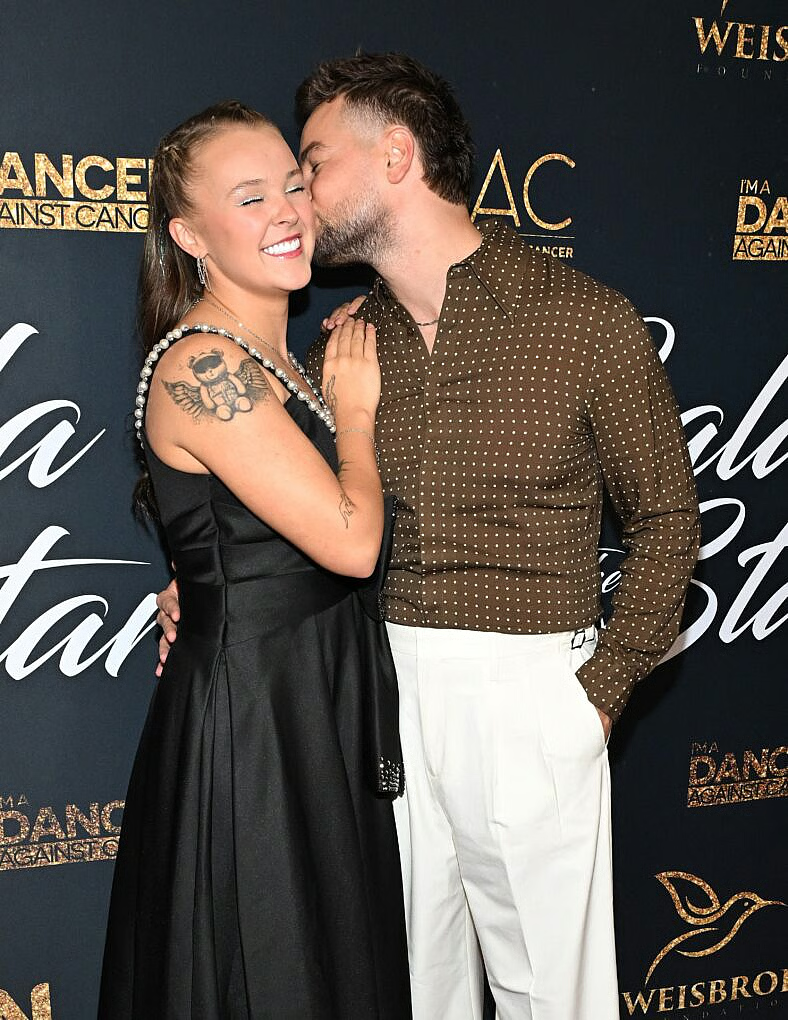
One year into their relationship, JoJo Siwa and Chris Hughes are turning up the heat, openly expressing their love for each other in a fresh update.
The duo has remained unapologetically vocal about their romance, with Siwa even crediting her latest song release to Hughes.
While their love story continues to blossom, Hughes appears to be facing challenges on the financial front, as reports point to ongoing money troubles.
Chris Hughes Marks First Anniversary With JoJo Siwa In Sweet Tribute

In a recent three-slide social media post, Hughes celebrated one year of doing life with Siwa. “One year ago today, I discovered your existence,” he captioned the post.
In the first slide, the couple sat on a couch, all smiles, with Hughes wrapping his right arm around Siwa’s shoulder as they posed for the photo. The second slide featured a throwback video from their first meeting in the “Big Brother UK” house, showing Hughes entering while Siwa welcomed him with a warm hug. “You are very colorful,” he said, complimenting her vibrant look in a pink jacket, a sentiment Hughes considers still stands.
The final slide captured a more relaxed moment of the pair together backstage, with Hughes facing away from the camera while Siwa stood in front of him, holding his waist, per Daily Mail.
Siwa responded to the post with equal affection, writing, “1 beautiful perfect year [white heart emoji] Feels like yesterday and 10 years ago all at the same time. Forever grateful to that house for so many reasons, but there is definitely one special reason.”
JoJo Siwa Admits She’s Feeling ‘Wedding Vibes’ Towards Chris Hughes

Just days before their anniversary celebration, Siwa had already hinted at thoughts of the future.
While speaking with People Magazine, at the 2026 Snappy Awards Show in Santa Monica, California, the “Karma” singer revealed that her brother Jayden Siwa’s wedding gave her a touch of wedding fever.
“Of course, it gave me the wedding vibes,” she said, adding that it made her reflect on her future with Hughes.
She noted that although their relationship is still growing, they are making steady progress. “And obviously, I think that marriage is, of course, in Chris’ hands, and so when he feels the time is right, I’ll be ready. Maybe. I’m just kidding,” she added playfully, hinting that Hughes would likely take the lead on that decision.
JoJo Siwa Reveals The Moment She Knew She Loved Chris Hughes

The “Karma” singer also shared the defining moment when she realized her feelings for Hughes went beyond simple affection.
Recalling advice from Meghan Trainor, Siwa said, “Meghan Trainor once told me, she said, ‘You will know you love somebody when you love them so much you want to duplicate them and you want to pop a baby out that is made from them.’”
Those words resonated with her just months into their relationship, something she later shared with Trainor.
As The Blast reported, her feelings were further solidified when Hughes sent her a childhood photo of himself, which she found incredibly endearing. She also referenced an AI-generated image of what their future children might look like, joking that Hughes’ silence on the topic created a “hilarious mixup.”
JoJo Siwa Credits Chris Hughes For Inspiring Her New Song

The couple’s bond has even influenced Siwa’s music, serving as the inspiration behind her new song, “Serendipity.” Speaking excitedly about the project, she said, “The inspiration behind that is my very sweet love, Christopher.”
As reported by The Blast, Siwa explained that their relationship embodies the meaning of the word “serendipity,” which ultimately pushed her to write the track.
She also shared what keeps their relationship strong, noting, “I think that when it’s meant to be, it is, and when it’s meant to be, it’ll be right.”
Chris Hughes Faces Financial Challenges
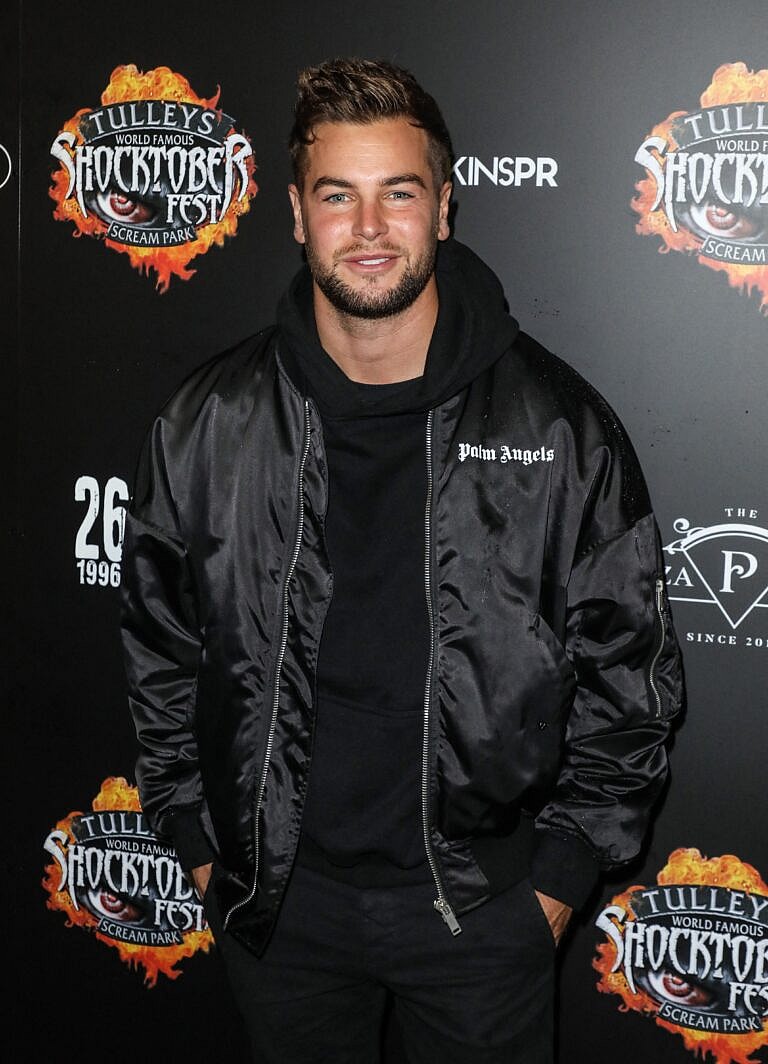
Although Hughes is basking in a thriving love life, his financial situation tells a different story, as it continues to draw growing scrutiny.
The “Love Island” star, who launched Chris Hughes Associates Ltd in 2017 after leaving the show, is facing issues related to company debts, legal concerns, and a failed attempt to dissolve the business.
According to The Blast, the company owed £423,243 ($559,774) to creditors for the year ending July 31, 2024. The majority, £409,057 ($540,984), was attributed to “taxation and social security costs,” alongside additional debts tied to bank loans and overdrafts.
The situation escalated when His Majesty’s Revenue & Customs filed a petition in August 2024 to have the company wound up. Although the case was dismissed in April 2025, the outstanding debt reportedly remains unresolved.
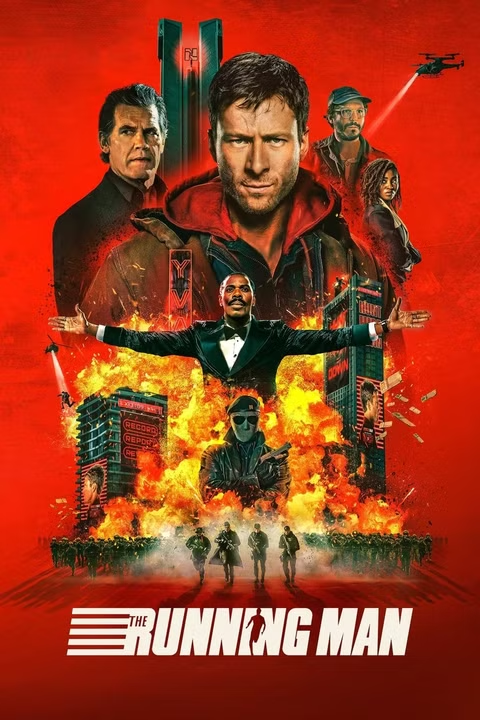
The final Stephen King adaptation to release last year was arguably the most anticipated coming into the year: Glen Powell’s remake of The Running Man. The film features a star-studded ensemble cast around Powell, including Josh Brolin, Colman Domingo, Lee Pace, and more, which is part of what led to its massive $110 million budget. This left the film with a break-even point of more than $200 million, but despite this, it whimpered out of theaters after earning only $69 million at the box office. Following a disappointing theatrical run, The Running Man escaped to Paramount+ earlier this year on January 13, and although it’s been almost three months since its debut on the platform, it’s still the #1 most popular movie by a mile. It briefly lost the spot to Mission: Impossible – The Final Reckoning, the final MI movie starring Tom Cruise.
What Is ‘The Running Man’ About?
The official synopsis for The Running Man reads as follows:
“Ben Richards (Glen Powell) must outwit the Network in this fun, unhinged, deadly game show where his unexpected fandom threatens to dismantle the entire system.”
Edgar Wright, famed for his work on movies such as Shaun of the Dead, Last Night in Soho, and Baby Driver, directed The Running Man remake with a script he wrote with Michael Bacall. The film earned scores of 61% from critics and 77% from audiences on Rotten Tomatoes. David Zayas, Greg Townley, Karl Glusman, Joey Ansah, and James Frecheville also star in The Running Man.
Check out The Running Man on Paramount+ and stay tuned to Collider for more streaming updates and coverage of Stephen King’s future projects.

- Release Date
-
November 11, 2025
- Runtime
-
133 minutes
- Director
-
Edgar Wright
- Writers
-
Michael Bacall, Edgar Wright
- Producers
-
Nira Park, Simon Kinberg, Edgar Wright
Pooh Shiesty reportedly had his bond denied in his federal kidnapping and robbery case, and fans are weighing in on what comes next.
RELATED: Fan Shares Apparent Screenshot Of What Pooh Shiesty Allegedly Said After She Messaged Him, Telling Him Not To Go Back To Jail
Pooh Shiesty Denied Bond In Gucci Mane Robbery Case
On Wednesday, Pooh appeared in court for a bond hearing connected to the alleged January robbery and kidnapping of Gucci Mane. Judge Renee Harries Toliver granted the prosecution’s motion to continue detaining him. Telling Pooh, “I can’t find any condition to offer that haven’t already been granted to you,” in reference to his previous house arrest. In a detention order obtained by Billboard, the judge also added:
“Based on the credible evidence presented at the hearing, the court finds probable cause to believe that defendant committed the law violations alleged in the criminal complaint.”
As previously reported, authorities say Pooh lured Gucci to a Dallas recording studio under the pretense of business, then allegedly pulled out an AK-style rifle to force him to sign a release from his label contract. Members of Pooh’s team allegedly robbed Gucci and his entourage, and the FBI later raided Pooh’s Cordova, Tenn., home on April 1, making arrests and detailing the alleged crime. Pooh’s attorney, Bradford Cohen, has pushed back, claiming the evidence doesn’t fully support the government’s narrative.
What’s Going On With Pooh Shiesty’s Dad?
As previously reported, prosecutors brought their case against Pooh Shiesty last week. He’s beng accused of forcing Gucci Mane to sign at gunpoint on January 10, 2026. Investigators confirmed that Pooh Shiesty’s dad allegedly used printing services at Staples in Frisco, Texas hours before. It’s believed he also contacted the studio owner hours before the alleged robbery and kidnapping.
While authorities said Williams Sr. wasn’t a “primary participant,” his record reportedly includes previous kidnapping, gun, drug, and violent charges. His lawyer pushed back, arguing he acted only as his son’s business manager, questioning what he printed. Additionally, authorities also found his home search clean. The judge set his bond at $250,000 but ordered house arrest with travel limited to Dallas, Texas. However, it’s still unclear whether he’s out of custody.
Fans React To Update In Pooh Shiesty’s Legal Drama
The comments under TSR’s post were in shambles following the bond news! Some fans claimed Pooh Shiesty knew exactly what he was doing before everything went down, while others joked that maybe he just wanted a quick trip back to jail. A few, however, kept it real and simply expressed hope that Gucci Mane and his family are doing okay after the alleged ordeal.
One Instagram user @shelovecj claimed, “I’m convinced that he really just wanted to be back in jail“
This Instagram user @royaly_destined_85 said, “Sooo the prosecutors admit they have no concrete evidence yet his bond denied 🤨”
And, Instagram user @trinidadrell wrote, “Duhh he was on probation he gotta go back and finish that time“
While Instagram user @spammwityanni__ shared, “I mean he came home on a 1 chance type of deal 😂😂😂“
Then Instagram user @modestysister_ added, “I pray that Gucci Mane his wife and kids are doing well! 💯”
Lastly, Instagram user @lolo_bangzz joked, “I just know Gucci was at that bond hearing saying “BuRrr” after that bond was denied.. 😩😩🙏🏽”
RELATED: Whew! Fans React To Clip Of 21 Savage Bumping Pooh Shiesty’s Music Amid Allegations That He Robbed Gucci Mane (WATCH)
What Do You Think Roomies?
Entertainment
Vanna White recalls ridiculous “Wheel of Fortune” Christmas dress blunder: 'Hysterical'
:max_bytes(150000):strip_icc():format(jpeg)/vanna-white-01-040826-99ac6a1a1dce41a99f2a5b0abc90f13a.jpg)
“I didn’t know about it until the end of the round,” White explains.
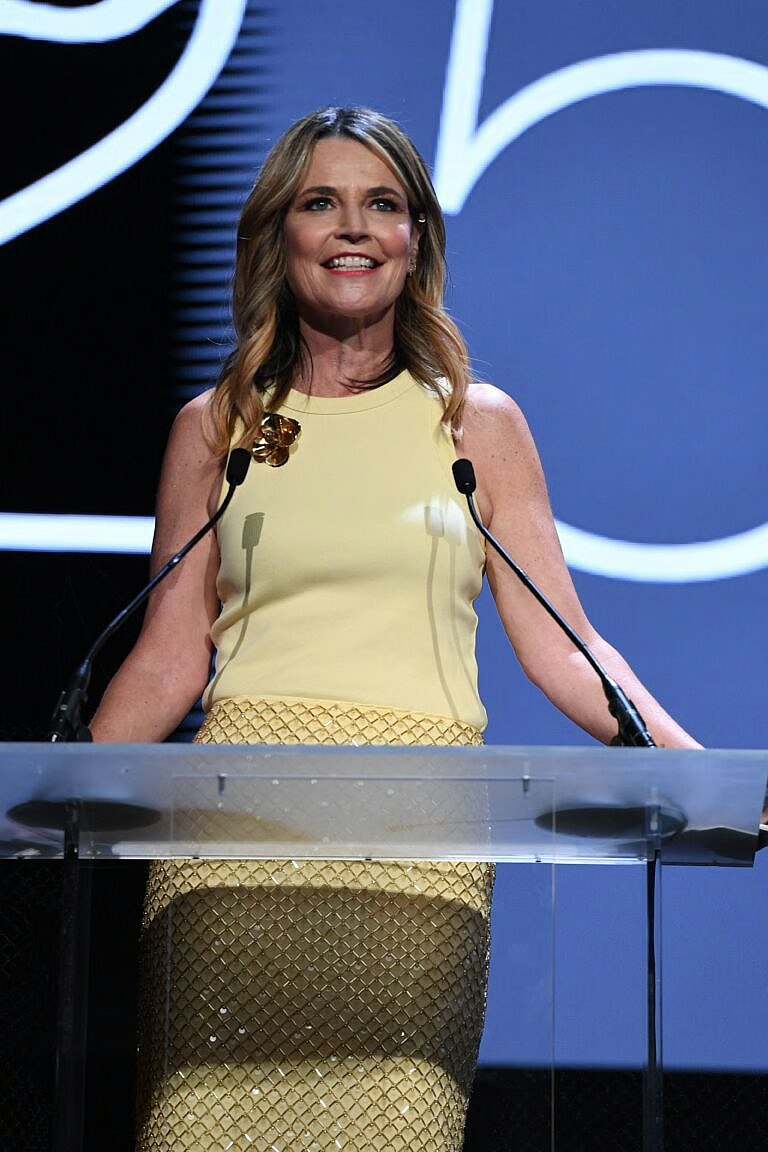
Emotions were high as Savannah Guthrie returned to work this week on “Today,” following a short break after her mom, Nancy Guthrie, was abducted in February.
However, reports suggest her colleagues have been told to give her some space to breathe due to an outpouring of support, fearing she might feel overwhelmed.
Also, reports suggest NBC Staff members were given strict instructions on how to interact with Savannah Guthrie on air.
Savannah Guthrie’s Co-Workers Told To Give Her Space Amid Massive Show Of Love

Savannah returned to the “Today” show anchor desk this week for the first time in over two months following her mom Nancy’s abduction from her Tucson, Arizona home.
Before her return, the TV host broke down in tears in several social media posts calling for her mom’s release or information that could lead to her safe return. Unfortunately, the police investigation hasn’t yielded much as Nancy remains missing, with Savannah choosing to move on with work amid her mother’s disappearance.
Expectedly, her colleagues at NBC have been trying to support her emotionally, but it appears to be getting overwhelming, as sources revealed to journalist Rob Shuter’s #ShutterScoop that NBC bosses have directed them to give her space and keep their conversations professional.
“Everyone wants to stop her in the hallway or give her a hug in the elevator,” an insider told the journalist. “There’s a real outpouring of love.”
“Staff have been told — be kind, but keep it professional,” the source continued. “This is still a workplace.”
NBC Is ‘Trying To Protect’ The Journalist

For months, Savannah’s emotional state was the subject of conversation among netizens as she and her sister Annie Guthrie, alongside her brother-in-law Tommaso Cioni, took to social media pleading for help.
When it was announced that she would return to her hosting duties on “Today,” many expressed doubts that she is in a good place mentally, especially because Nancy has yet to be found.
It appears NBC executives understand this and want her colleagues to be there for her as much as possible, but not to the point that it becomes overwhelming.
“You can say hello, you can ride the elevator with her, but don’t overwhelm her,” the source. “This isn’t Savannah demanding anything. It’s the network trying to protect her.”
“People care about her — a lot. But she’s also trying to do her job,” they continued, adding that Savannah “also needs space to function” as much as she “needs support.”
“As heartbreaking as this situation is, this is still a newsroom,” the insider noted. “Work has to continue.”
NBC Gave Directives On How To Engage With Savannah Guthrie

The news network is seemingly looking to move on from Savannah’s setback and return a sense of normalcy.
Behind the scenes, reports suggest they gave strict directives for her colleagues not to talk about Nancy’s disappearance or formally welcome her back on air.
“It was supposed to be business as usual. [Producers] said to act totally normal,” an insider told Page Six. “‘Move forward’ is the vibe. It’s been a hard year and a draining time.”
Upon her return, Guthrie’s colleagues, Craig Melvin, Al Roker, Jenna Bush, Sheinelle Jones, and Carson Daly, all looked happy as they welcomed her back on air without bringing up her mother’s case.
The Journalist Is Ready To Return To Arizona If There Are ‘Major Developments’ In Her Mother’s Case

Even though her mother’s disappearance remains unsolved, Savannah showed that she was ready to move on with work as she kept things professional on her first day back.
“It is good to be home,” Savannah told viewers as the show opened on Monday. “Ready or not, let’s do the news.”
Speaking about her TV return, another source told Page Six, “There were lots of hugs … Coming back to a routine brings a sense of normalcy.”
They added, “She’s prepared to go back to Arizona if there are major developments in the case, or wherever she’s needed.”
Savannah Guthrie Considered Leaving ‘Today’
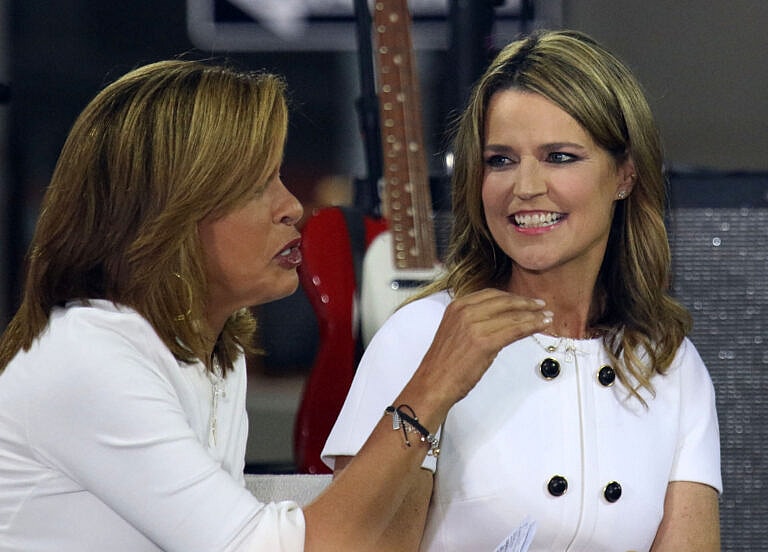
In an emotional sitdown with Hoda Kotb, Savannah wondered whether she brought the sad incident upon her family due to her fame as a news correspondent and her being rich.
At the time, she expressed doubts about her return, explaining that it was “hard to imagine” doing so amid her mom’s disappearance.
“I can’t come back and try to be something I’m not, but I can’t not come back because it’s part of my purpose right now,” the journalist said. “I want to smile, and when I do, it will be real, and my joy will be my protest and my joy will be my answer, and being there is joyful, and when it’s not, I’ll say so.”
The situation reportedly made her consider quitting her role altogether as several media outlets received ransom notes with demands of bitcoin payment.
“This absolutely came out of the blue, and I think she’s really concerned that it was because of her job,” a source told NewsNation.
They added that she wondered if past exposure she’d given her mom on air led people “with bad characters” to carry out the act.
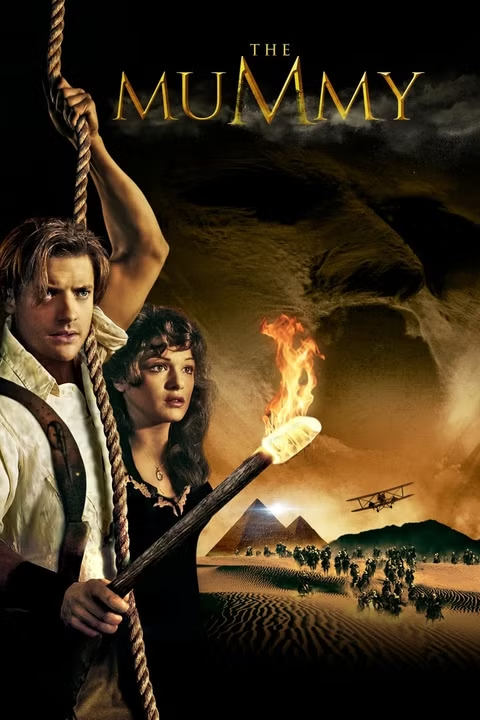
The art of a good old-fashioned action-adventure has been lost under the weight of so many franchises in modern entertainment. There is one, however, that, thanks to HBO, fans can experience again and again. Romance, adventure, and action: The start of a beloved franchise has it all.
In 1999, Rachel Weisz starred in The Mummy, a throwback to the days of Indiana Jones and a remake of the 1932 film starring Boris Karloff. Brendan Fraser and John Hannah joined her in the venture, and together, they made a trio that was tailor-made for a franchise. The Mummy spirits viewers away to the lost city of Hamunaptra in the 1920s, where an ancient evil threatens a group of explorers. Evelyn (Weisz), an Egyptologist, is motivated by the thirst for knowledge, while some are only interested in riches from the City of the Dead. What starts as a race against each other turns into a fight for survival when an ancient evil awakens.
‘The Mummy’ is a Timeless, Wild Ride
Even in its day, The Mummy was a revelation. At the time, it was rare to see a female lead in an action film who was driven by her intelligence. While the dashing and streetwise Rick O’Connell (Brendan Fraser) steals the show, The Mummy is ultimately Evelyn’s movie. She starts as an accident-prone librarian who feels that she is not living up to her parents’ legacy.
She and her brother Jonathan (John Hannah) are the children of a famous explorer who fell in love with Egypt and made the search for ancient myths his life’s work. When Jonathan happens upon a secret key with a map to the city, Evelyn wastes no time in proving her worth in looking for the City of the Dead. Because of her lust for knowledge, she inadvertently raises Imhotep, a priest who was mummified thousands of years ago in Ancient Egypt.
The Mummy is educational in its own way, even though it delves into the supernatural. The film explores mythology and ancient lore, such as the process of mummification and the ancient plagues that Imhotep summons. Historical figures such as the titular mummy are fictionalized, but that is the fun of the film. The Mummy seamlessly pivots from action to humor to romance at every turn.
The chemistry between the actors in The Mummy makes even the more ridiculous components of the film work and led the movie to become a cult classic. The movie led to two sequels – though only one is really acknowledged – and a thirst for more thrilling adventures with heart. Now, action-adventure stories like these are somewhat of a lost art. The Mummy and The Mummy Returns have cropped up to watch on HBO Max, just in time for the news that a new entry in the franchise is on the books.
Weisz, Fraser, and Hannah are confirmed to return in the new Mummy sequel, which will reportedly pick up with the characters years after the previous film, with no mention of The Mummy: Tomb of the Dragon Emperor. Until then, viewers can experience that thirst for knowledge by watching The Mummy and its sequel on HBO Max.

- Release Date
-
May 7, 1999
- Runtime
-
124 minutes
- Producers
-
James Jacks, Sean Daniel
Alfred Hitchcock transformed cinema with his unparalleled ability to manipulate tension, fear, and suspense, and is hailed as one of the most prolific filmmakers of Hollywood’s Golden Age. Known as the Master of Suspense, Hitchcock transcended the traditional thriller with innovative storytelling, stunning cinematography, and his signature techniques, earning him an unfailing reputation for luring audiences into a world where tension is an art form, and a familiar farce becomes a game of psychological warfare.
With a career spanning over six decades, Hitchcock produced a collection of classics, but notable titles, such as Psycho, The Birds, and Rear Window, are among the filmmaker’s most suspenseful masterpieces that make every moment of intensity feel deeply personal and unforgettable. These particular Hitchcock films, including Shadow of a Doubt, Strangers on a Train, and Vertigo, are not merely thrillers; they are carefully constructed experiences that continue to captivate audiences, drawing them into worlds where danger lurks beneath the ordinary, and evil hides around every corner.
10
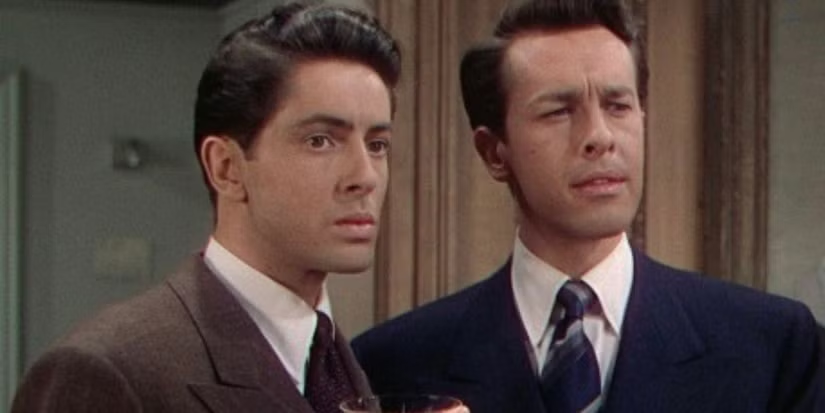
‘Rope’ (1948)

The psychological crime thriller, Rope, was the second installment in Hitchcock’s limited-setting films and stars Farley Granger and John Dall as friends, Phillip Morgan and Brandon Shaw, who carry out a twisted intellectual exercise by murdering a former classmate before hosting a dinner party. Rope stands out for its bold, experimental approach to storytelling and its intense psychological focus, both heightened by the film’s apparent single-take style, which traps viewers in real time inside a confined apartment and creates an almost unbearable sense of immediacy.
Rather than relying on action, Hitchcock showcases one of his trademarks by building tension through dramatic irony: the audience knows the truth while the guests do not, turning ordinary conversation into something deeply disturbing. The film’s psychological depth, particularly through the intellectual arrogance of the killers and the probing presence of their former teacher, played by James Stewart, creates a slow-burning tension that escalates toward exposure and a climactic revelation.
9
‘The Birds’ (1963)

The Birds is a thrilling testament to Hitchcock’s ability to transform the familiar into relentless terror, making it one of his most suspenseful masterpieces. Tippi Hedren makes her feature film debut as Melanie Daniels, a young socialite who becomes intrigued by a lawyer, Mitch Brenner (Rod Taylor), after meeting at a local pet shop. When Daniels travels to Brenner’s family farm on Bodega Bay, sparks begin to fly between them, but their newfound bliss is interrupted by a series of brutal bird attacks, sending everyone in the area into a state of pure hysteria and fear.
The overall suspense in The Birds stems from its lack of answers, which removes any sense of control or logic, effectively keeping audiences on a constant edge. Like the characters, viewers are left to try to make sense of a threat that could strike at any moment, which is a defining quality in Hitchcock’s work. Instead of a traditional musical score to heighten the intensity, Hitchcock’s choice to use natural sounds and silence to build tension makes each attack feel more sudden and jarring, creating a deeply unsettling and enduring form of suspense that only he could pull off with such precision.
8
‘The 39 Steps’ (1935)
The 39 Steps is one of Hitchcock’s best espionage films that helped define the classic thriller and laid the foundation for modern spy movies. Loosely based on John Buchan‘s 1915 novel of the same name, The 39 Steps stars Robert Donat as Richard Hannay, a Canadian tourist in London who accidentally uncovers an underground ring of spies who are planning to steal vital military secrets. When Hannay is framed for murder, he must elude local authorities long enough to not only clear his name but also hopefully stop the spies’ nefarious plot before it’s too late.
The 39 Steps was one of Hitchcock’s earliest successes and is known for its “innocent man” trope, which became one of the director’s story trademarks, and was also the first film to feature Hitchcock’s infamous MacGuffin, a plot device that drives the story’s action and the character’s motivation while never being fully explained to the audience. The film established many conventions of the espionage thriller, such as wrongful accusations, cross-country chases, and mysterious organizations, that Hitchcock would go on to refine in his later films, like Saboteur and North by Northwest, which continue to shape the genre today.
7
‘Rebecca’ (1940)

Hitchcock made his American debut with his Oscar-winning romantic thriller, Rebecca, which is based on Daphne du Maurier’s 1938 novel of the same name. The movie stars Joan Fontaine as an unnamed woman who is swept off her feet by a wealthy widower, Maxim de Winter (Laurence Olivier), leading to a whirlwind marriage. When the newlyweds return to de Winter’s seaside manor, the new Mrs. de Winter becomes curious about her husband’s first wife, Rebecca, who had died under mysterious circumstances. As Mrs. de Winter starts to search for answers, she starts to suspect that her husband may have been more involved in Rebecca’s demise than he initially led on.
Rebecca is a chilling Hitchcock classic that builds tension through a hauntingly beautiful atmosphere, unavoidable memories, and psychological manipulation instead of over-the-top action and physical drama. The majority of the film’s intensity comes from the psychological pressure placed on Fontaine’s character, who is constantly compared to Rebecca and made to feel inadequate, especially by the sinister housekeeper, Mrs. Danvers, played by Agnes Moorehead. Hitchcock uses this dynamic to create a suffocating ambiance of insecurity and dread, where the protagonist begins to question her place, her marriage, and even her sanity, ultimately making Rebecca one of the director’s most suspenseful masterpieces.
6
‘Shadow of a Doubt’ (1943)

Hitchcock brings terror to the surface in small-town America with Shadow of a Doubt, and stars Joseph Cotten as a charismatic bachelor, Charles Oakley, whose niece and namesake, Charlie (Teresa Wright), begins to suspect that her beloved uncle is secretly a serial killer known as the Merry Widow Killer. The premise of an unsuspecting evil hiding in plain sight is one of the film’s greatest strengths and a signature theme in many of Hitchcock’s most suspenseful masterpieces.
The meticulous use of shadows, lighting, and recurring motifs subtly signals danger, while the slow-burning psychological game of wit and tact between Charlie and Oakley allows suspicion and fear to grow until it becomes almost unbearable. Hitchcock’s choice to cast Cotten, who was known for his heroic, good ole’ boy roles, as the murderous Oakley is another notable element that makes Shadow of a Doubt such an ingenious thriller. Cotten’s on-screen reputation throws the audience off; his contagious charm and dashing good looks effortlessly conceal his character’s true nature, emphasizing how easy it is for a killer to blend into everyday society.
5
‘Strangers on a Train’ (1951)

Strangers on a Train is an essential Hitchcock classic starring Farley Granger as a professional tennis player, Guy Haines, who meets an unusually charismatic young man, Bruno Antony (Robert Walker), while on board a train headed to his hometown. When Haines confides in Antony about his unfaithful wife and his attempt to get a divorce, Antony shares his theory of how to get away with committing the perfect murder by having two strangers kill someone for each other. While Haines brushes Antony’s idea off as nonsense, he’s unaware that Antony is a sophisticated psychopath who decides to go ahead with the plan.
The crisscross murder plot in Strangers on a Train may seem outlandish, but between Hitchcock’s groundbreaking film techniques and iconic scenes elevating the premise, it does incite an unwavering sense of tension that is impossible to deny. Even though Haines never truly agrees to the plot, Antony’s choice to carry it out inevitably binds Haines into a nightmare where guilt and innocence blur, ultimately forcing viewers to question how complicit Haines really is. Walker’s performance as the diabolical Antony is one for the ages as he effectively conveys a man whose spoiled tendencies, well-to-do social status, and unpredictability make him one of Hitchcock’s most intimidating villains of all time.
4
‘Vertigo’ (1958)

Image via Paramount Pictures
James Stewart stars in Vertigo as a retired San Francisco detective, John ‘Scottie’ Ferguson, who suffers from a debilitating fear of heights, is hired by a college friend to follow his wife, Madeline Elster (Kim Novak), whose recently strange behavior has caused him to become concerned about her well-being. Shortly after meeting, Ferguson and Elster become romantically involved, but when Elster takes her own life, Ferguson is overcome by guilt, spiraling into a deep depression. When he meets a woman (Novak) who has a striking resemblance to his lost love, Ferguson’s grief grows into an all-consuming obsession that eventually leads to a point of no return.
Vertigo is often considered to be Hitchcock’s magnum opus and is hands down one of his most suspenseful masterpieces that transforms a psychological obsession into an intensely immersive and unsettling experience. Hitchcock builds suspense not just from plot twists, but from Ferguson’s unraveling mind, making the audience feel his disorientation and dread as almost their own. The film is also celebrated for its groundbreaking visuals and film techniques, notably the disorienting dolly zoom and the use of color palettes, which uniquely mirror Scottie’s mental state and elevate the film’s dreamlike atmosphere.
3
‘North by Northwest’ (1959)

Hitchcock perfects his “wrong man” formula in North by Northwest while also blending relentless tension with entertainment, scale, and wit, and is regarded as one of the greatest movies ever made. Cary Grant stars as a New York advertising executive, Roger Thornhill, who is mistaken for a government agent and pursued across the country by a group of men who believe he is trying to prevent them from smuggling out microfilm that contains top-secret information. North by Northwest was a monumental success and went on to influence future action thrillers and spy flicks, such as the James Bond films, and hit TV shows, including The Man From U.N.C.L.E. and The Fugitive.
Hitchcock builds a level of distressing suspense in North by Northwest by constantly stripping Thornhill of having any control over the situation he’s found himself in and never allowing him to fully understand the forces pursuing him until the end. The film is packed with iconic sequences, such as the crop duster scene and the climactic chase across Mount Rushmore, which showcase Hitchcock’s genius for visual storytelling and his impeccable talent for merging spectacle with high-stakes suspense. North by Northwest captures Hitchcock at the height of his brilliance, and its sharp pacing, unforgettable performances, and imaginative visual effects undoubtedly cement it as one of the director’s finest films.
2
‘Rear Window’ (1954)

Similar to the setting of Rope, Hitchcock’s Rear Window turns a single confined setting into an intense psychological thriller driven entirely by observation, uncertainty, and anticipation. The movie centers around a photojournalist, L.B. ‘Jeff’ Jefferies (James Stewart), who starts to secretly watch his neighbors as a way to pass the time while he’s recovering from a broken leg. One night, Jefferies witnesses a heated argument between Lars Thorwald (Raymond Burr), and when Mrs. Thorwald is nowhere to be found the next day, Jefferies begins to suspect that her husband is behind her sudden disappearance.
The brilliance of Rear Window lies in Hitchcock’s frequent point-of-view shots and intimate close-ups, which allow the audience to not only share Jeffries’ gaze, but also his doubts: are we witnessing a crime or projecting meaning onto ordinary events? This uncertainty keeps the suspense constantly simmering, as every small detail could be either innocent or incriminating. Instead of fast-paced chases, Hitchcock relies on timing, silence, and carefully staged visual clues, such as watching Thorwald’s movements across the courtyard or waiting for a signal that confirms guilt, stretching tension to its limit.
1
‘Psycho’ (1960)

Hitchcock’s adaptation of Robert Bloch‘s 1959 novel, Psycho, is the director’s most suspenseful masterpiece that radically redefined the rules of the traditional thriller and how tension and fear could thrive through a psychological lens. Janet Leigh stars as Marion Crane, who, after stealing thousands of dollars from her employers, skips town and plans to meet up with her boyfriend to start a new life together. When Crane becomes overwhelmed by exhaustion and caught in a severe thunderstorm, she checks into the Bates Motel, where she meets the owner’s son, Norman Bates (Anthony Perkins), who is odd but kind, unaware that he harbors a dark and sinister secret.
Hitchcock’s unconventional storytelling and use of cinematic technique in Psycho is crucial to the film’s ominous atmosphere and suspenseful tone. For example, the now-legendary shower scene uses rapid editing, suggestive imagery, and, along with Bernard Herrmann’s piercing score, strikes an unimaginable terror in the audience without the use of explicit violence. Throughout the film, Hitchcock carefully controls what the audience sees and knows, often revealing just enough to provoke dread while withholding key information, knowing that what the audience imagines is often more horrifying than anything he could depict on the silver screen.


Business31 seconds ago
Chickpea supply increasing through partnership

Crypto World1 minute ago
850K BTC cluster signals demand

Sports3 minutes ago
This Rory McIlroy move (spotted by Masters tech) is worth copying


-

 NewsBeat6 days ago
Steven Gerrard disagrees with Gary Neville over ‘shock’ Chelsea and Arsenal claim | Football
-

 Business6 days ago
No Jackpot Winner and $194 Million Prize Rolls Over
-

 Fashion5 days ago
Weekend Open Thread: Spanx – Corporette.com
-

 Business5 days ago
Expert Picks for Every Need
-

 Business3 days ago
Three Gulf funds agree to back Paramount’s $81 billion takeover of Warner, WSJ reports
-

 Sports4 days ago
India men’s 4x400m and mixed 4x100m relay teams register big progress | Other Sports News
-

 Business7 days ago
Login and Checkout Issues Spark Merchant Frustration
-

 Tech1 day ago
How Long Can You Drive With Expired Registration? What Florida Law Says
-
Business4 days ago
No Jackpot Winner, Prize to Climb to $231 Million
-

 Tech6 days ago
Commonwealth Fusion Systems leans on magnets for near-term revenue
-

 Fashion3 days ago
Massimo Dutti Offers Inspiration for Your Summer Mood Board
-
Politics6 days ago
Wings Over Scotland | The quality of mercy
-

 Fashion1 day ago
Let’s Discuss: DEI in 2026
-

 Business4 days ago
Akebia Therapeutics, Inc. (AKBA) Discusses Pipeline Progress and Strategic Focus on Kidney Disease Treatments at R&D Day – Slideshow
-

 Fashion6 days ago
Statement Sunglasses: The Accessory Shaping Modern Fashion
-

 Business7 days ago
Investor reactions to Trump’s speech on Iran war
-

 Tech7 days ago
Daily Deal: The Modern No-Code Development Bundle
-
Sports7 days ago
Justin Jefferson’s Situation Remains Unchanged after JSN’s Deal
-

 Tech7 days ago
Every 3D Printable Film Camera, In One Place
-

 Politics6 days ago
East Jerusalem Palestinian families eviction orders
You must be logged in to post a comment Login