
Entertainment
Kids Today Will Never Understand Life Without Smart Phone Fact Finding

By Robert Scucci
| Published

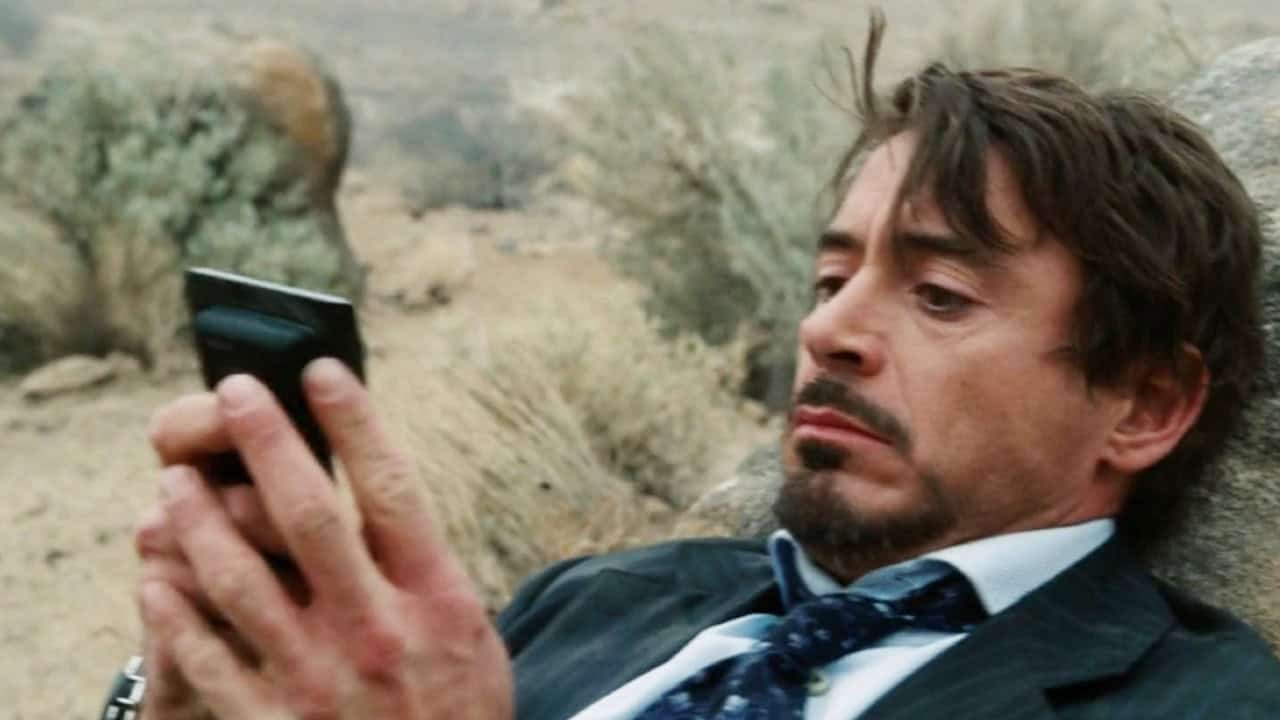
Whenever I have a conversation, it almost immediately gets derailed by smartphone fact finding, and it’s the worst experience you can have when you’re trying to get to know someone. During what I like to call “the before times,” idle chit chat was how you learned about people while covering a variety of topics. The topic itself didn’t matter, but the logic behind it was invaluable in showing how someone’s mind works through their personal anecdotes and lived experiences.
These days, anyone can pull out their phone, rattle off a stat, and drop what they think is a definitive answer, instantly killing the conversation because there’s nothing left to explore. If it feels like we’re being slowly stripped of our humanity whenever curiosity gets squashed by data, blame the smartphone fact finders.
Life Is More Than Fact Checking And Being Right

No one in their right mind would argue that easy access to information is a bad thing, and I agree. When you need to make a serious, informed decision, start researching. We’re lucky to live in a time where you can look up medical symptoms before calling your doctor or check how much air pressure you need in your car’s tires. That kind of information is cut and dry, vital, and easy to justify. No argument here.
However, smartphone fact-finding is stripping our collective consciousness of what makes us human: curiosity and shared experience. Think about the last time you sat around with friends having a casual, off-the-cuff conversation. How much does a cloud weigh? What would happen if you ate nothing but jellyfish for a week? Was it Dax Shepard or Sam Rockwell in Seven Psychopaths? Their hair and cheekbones are similar, and their voices kind of sound the same. During those hangouts, when you’re just trying to pass the time and live in the moment, why does anyone need to be right?

Before we had instant access to the internet, you had to rely on logic and curiosity to find answers, even if they were objectively wrong but made sense in the moment.
Information Kills Creativity

Having resisted this technological shift until 2019, when I finally stopped using a flip phone, I quickly found myself becoming a smartphone fact finder. If it were up to me, I’d still be rocking my LG Cosmos 3 with the full keyboard and crappy camera. If something piqued my curiosity, I’d write it down in the small notebook I carried around (yeah, I was one of those guys). When I got home, I’d sit at my computer and do my research if I had an idea I wanted to develop. More often than not, the ideas that died in the notebook were infinitely more interesting. But when they could be developed with imagination rather than research, I knew I struck gold.
The unfortunate reality is that the price of basic phone plans slowly crept up until it made more sense financially to just get a data plan. What solidified the switch for me was my professional life. Though it’s not technically a requirement, access to email, productivity boards, Slack, and Discord servers became part of my daily routine, and I couldn’t navigate my career without a smartphone. I couldn’t beat ’em, so I joined ’em.

Around that same time, I fell into one of the biggest creative slumps of my life. One of my favorite things in life is to be bored. So bored that I’m forced to do something about it to make my time on this planet feel more rewarding. That same kind of boredom used to dominate conversations when you’re just hanging out with friends and shooting the breeze. Hypothetical scenarios were created, games were invented, and songs were written. Movies were watched actively, not playing passively in the background while we all sat in our respective corners scrolling endlessly. Shared spaces felt more alive. Now they feel like new venues to further isolate ourselves.
We don’t get to be bored anymore, and that boredom used to be the birthplace of everything interesting.
We Don’t Learn About Each Other Like We Used To

Most conversations I have these days, or even overhear, involve someone whipping out their phone like Quick Draw McGraw to fact-check and end the dialogue. But the dialogue itself is always more interesting.
Pre-smartphone road trips were filled with great conversations because a random billboard or landmark could spark a string of questions. That abandoned silo next to the cemetery. Was it a dumping ground for bodies by some elusive serial killer? Nope. Google says it used to store grain, but the land was purchased, and it’ll soon be a Walmart. Silence.
There was a time when fictions were fabricated to pass the time, when people pushed ideas as far as they could based on shared knowledge and experience. Now, those opportunities vanish in the name of information. Anyone can look up a thought piece on Medium or punch a query into Quora, but that’s not interesting.

Instead of celebrating each other’s internal logic and worldviews, we reach for quick answers that lack personality or depth. What’s far more compelling is hearing how someone arrives at an answer, right or wrong, because it’s colored by their own experiences. That instinctual and anecdotal charm helped us understand each other more intimately. And when conversations get heated, it’s easier to see where someone’s coming from instead of saying they’re downright wrong; they’re not hiding behind statistics, they’re showing you who they are.
The next time you’re at a party, dinner, or lounging around the living room, resist the urge to be a smartphone fact finder. Lean into your own weirdness, ask probing questions, and stay present. We used to talk to understand each other. Now we just fact-check to win. Maybe it’s time to stop being right and start being curious again.



