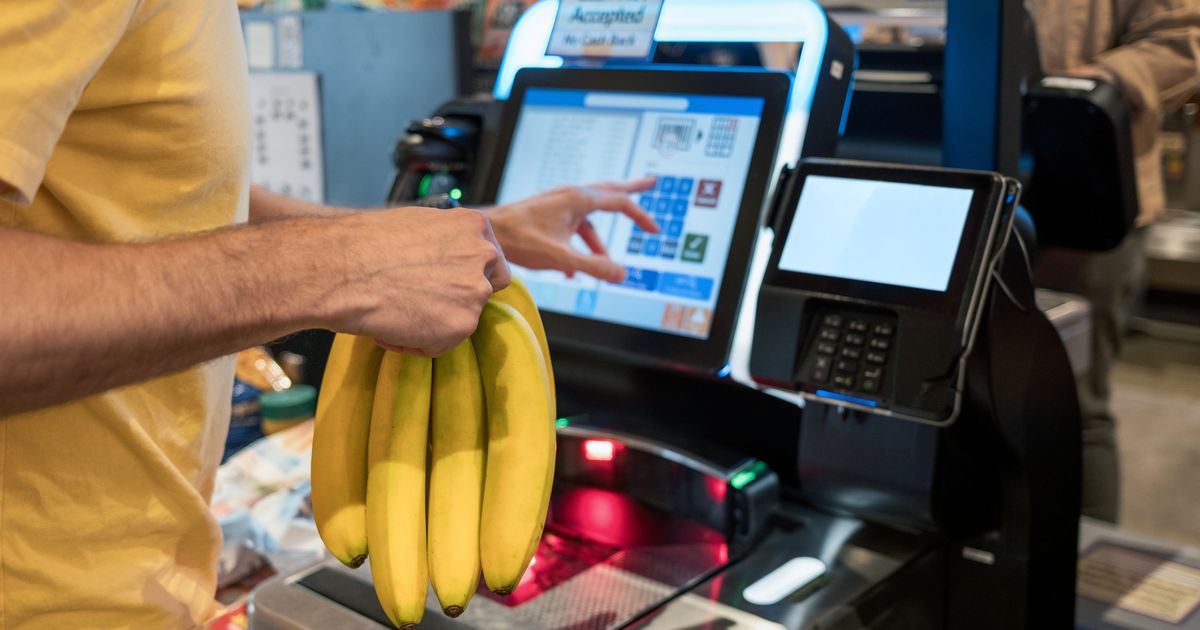
People may not realise they’re being influenced by some common sales tactics used in supermarkets
Mid-January is often the toughest time for households as they face a combination of Christmas bills, post-Christmas debt and a longer wait for payday. The cost of living crunch has many people looking for savings wherever possible but some may not even need to change their shopping lists to keep pounds in their pockets.
For many, supermarkets may feel like the perfect place to make big savings but the ultimate goal of these establishments is to get people to spend. To do that, many employ subtle tactics that influence shoppers to spend more money even if they don’t realise how they’re being persuaded.
Martin Lewis’ MoneySaving Expert revealed four of the most notable ways supermarkets do this, dubbing the stores “cathedrals of consumerism”. These tactics are often referred to as the psychology of retail or marketing and embrace certain aspects of natural human behaviour.
Store layouts
Each supermarket has its own unique layout system, but most are built to purposely make you walk past as many items that could tempt you.
The experts explained: “Regularly bought items tend to be spread around the store, so we need to pass many other tempting goodies to complete our shopping.”
Shoppers won’t be able to avoid this tactic but the experts recommended keeping budget in mind first when walking through the store and avoid going grocery shopping hungry as this can make the temptations even more appealing.
Shopping at eye-level
While some shelves in supermarkets may reach from floor to ceiling, it’s purposely stacked so that the most profitable items are at your eye-level ensuring it’s the first thing you see. Similarly, products targeted at children are more likely to be at their eye-level than their parents’.
The experts recommended people “look high and low” instead as these could be better deals than the items that are at eye-level.
Sales-type signage
Certain colours, signs and even words naturally invite shoppers to certain products and may even leave them feeling like they got a deal when they didn’t. This can include words like ‘discount’ or ‘sale’, even when the reduction is minimal and there’s cheaper alternatives available.
Other words like ‘premium’ may leave shoppers believing it’s of a superior quality and therefore needs a higher price tag when it’s sometimes made in the same factory as more ‘basic’ items.
To avoid being affected by these tactics, simply look in the fine print where you may notice ingredients shared with cheaper alternatives or prices that aren’t as budget-friendly as they first appear.
Till purchases
Most people are familiar with the shelves of snacks and smaller items near the tills in supermarkets, usually lining the area where people queue up.
These items are purposefully chosen to be impulse buys such as treats or magazines. As MSE noted: “Putting them near the till gives stores one last attempt to grab our cash.”