Adding the cheap and healthy food to your diet may help tackle tiredness and reduce your risk of serious diseases
Charlotte Smith Senior Lifestyle Content Editor
13:00, 23 Feb 2026
Research has demonstrated that adding just one food item to your breakfast can provide significant health advantages. Making this nutritious ingredient a regular part of your morning routine could help tackle afternoon tiredness, while also potentially reducing your risk of diabetes and bowel cancer.
Aldi is currently selling a 1kg bag of porridge oats for only 85p, equating to approximately 9p per 100g. Whether you mix oats into yoghurt with berries and nuts, or simply heat them with milk for a traditional morning dish, just avoid adding sugar.
Advertisement
Oats are regarded as an outstanding source of energy owing to their complex carbohydrate composition. A portion of whole grains, such as cooked porridge, slowly releases energy that’s steadily absorbed throughout your day.
This can help prevent afternoon lethargy and tiredness whilst keeping you fuller for longer. In addition to sustained energy, oats also provide valuable quantities of thiamine, phosphorus, magnesium, and B vitamins, including niacin and folate, which together help your body process energy efficiently.
Oats have also been demonstrated to assist with blood sugar control, a vital factor in diabetes management. Since your body digests minimally processed oats more slowly than refined grains, this helps avoid dramatic rises in blood sugar following meals, reports the Mirror.
Losing excess weight and maintaining a healthy body mass can help prevent or even reverse type 2 diabetes. The Diabetes Association recommends losing up to 15% of your body weight upon diagnosis.
Advertisement
Adopting a diet rich in fibre and protein, but low in calories, sugar, and fat, can initiate weight loss – making porridge (without any added sugars like syrup) a beneficial breakfast option. Oats are exceptionally low in sugar, with less than a gram of sugar found in 100g of oats.
A review conducted in 2018 discovered that oats may aid in reducing cholesterol levels. This is vital as diabetes can increase your risk of heart disease. Oats are categorised as low-GI foods, with a GI rating below 55.
More recently, according to new research from the University of Bonn published in Nature Communications in January 2026, consuming a large amount of oats for a short period-about 300 grams of oatmeal each day for only two days-can lower LDL (the ‘bad’) cholesterol levels by around 10%.
Further studies suggest that oats can decrease your risk of developing bowel cancer. This is largely due to their high fibre content, as stated by Cancer Research UK.
Advertisement
Fibre increases the size of your stools, dilutes them, and assists in their quick passage through your system. This reduces the time harmful chemicals stay in contact with the bowel, potentially reducing cell damage.
Fibre might also help gut bacteria produce beneficial chemicals that alter conditions within the bowel. Fibre-rich foods have been associated with a decreased risk of bowel cancer.
Cancer Research UK says: “A high-fibre diet, including plenty of wholegrains, can lower the risk of bowel cancer. Not all cases of bowel cancer can be prevented. A person’s risk of cancer depends on many different things. But eating a high-fibre diet can help reduce the risk of bowel cancer.”
Oats also contain many phenolic acids and compounds called avenanthramides. These have antioxidant and anti-inflammatory benefits.
Advertisement
Adding more high-fibre wholegrains and fewer refined grains to your diet can help maintain a healthy weight by keeping you fuller for longer. This not only cuts the risk of bowel cancer but also reduces the likelihood of several other types of cancer.
A major study from January 2025 discovered that consuming plenty of fibre may reduce the risk of various types of cancers in the digestive, reproductive, and urinary systems. The research revealed that total dietary fibre (TDF) lowers the risk of colon cancer by 26% and colorectal cancer by 12%. It also helps protect against Barrett’s oesophagus and stomach cancers. It might also help protect against breast, ovarian, endometrial, prostate, kidney, and bladder cancers.
Hotel chiefs are blaming a slump in international visitors for World Cup bookings on a ‘Trump slump’ as key venues, such as Boston where England play Ghana, have not seen the expected economic boost
World Cup 2026: England drawn in Group L
US hotel chiefs are blaming a ‘Trump Slump’ for a downturn in bookings for the World Cup.
Key venues such as Boston, where England take on Ghana on June 23, have not seen the expected economic boost from the tournament. It is claimed that international visitors have been put off travel to the US.
Now, an expert in hospitality has said that he would be “surprised” if there was a last minute boost of international fans travelling to the US because of “the way everything is now”. And one hotel chief revealed that World Cup room holds have been returned, ‘without a single reservation’.
Alan Fyall, professor at the University of Central Florida’s Rosen College of Hospitality Management, told Forbes business magazine: “I would be surprised if there’s a big influx of international fans at the last minute this time. It’s not so easy to get here at the last minute, the way everything is now.”
Jan Freitag, a national director at CoStar, the industry analytics firm, warned: “We are seeing much more muted optimism about the hotel results.” Harry Carr, Pivot Hotels & Resorts’ senior vice president, said FIFA returned some of the company’s room-block holds ‘without a single reservation’. He added: “We are much less bullish about the World Cup than we were three months ago.”
Advertisement
HRI Lodging’s Bay Area hotels chief commercial officer Lior Sekler, said the demand for reserved room blocks has been “very lacklustre”. Only 15 percent of FIFA’s reserved rooms were picked up.
Fans’ groups have criticised the soaring costs of tickets and hotels. Some host cities are not holding fan fests. The Football Supporters Association (FSA) described the costs of the World Cup – including the most expensive final ticket – as ‘absolutely staggering’.
Spokesman Thomas Concannon said: “It comes as no surprise after everything that has happened over the last few months. But the price final ticket is still absolutely staggering. I don’t know any supporters who can afford that. It is beyond the reach of ordinary fans.”
Advertisement
The FSA, which represents around 600,000 supporters across the UK, has been on a fact finding mission to the States and Mexico. Trains to the Boston venue, where England play Ghana on June 23, are rising from $20 to $80.
Garford Beck, 64, of London, has hardly missed an England game since 1980 and this summer will be his 8th World Cup. He manages the England fans’ team, which held a minute’s silence for former FA Chairman Lord David Triesman a their last game.
He warned that working-class fans were being ‘taken to the cleaners’ on everything from match tickets to shirts. He said: “They give so much to the game, yet the door is being closed on them. It is incredibly sad.”
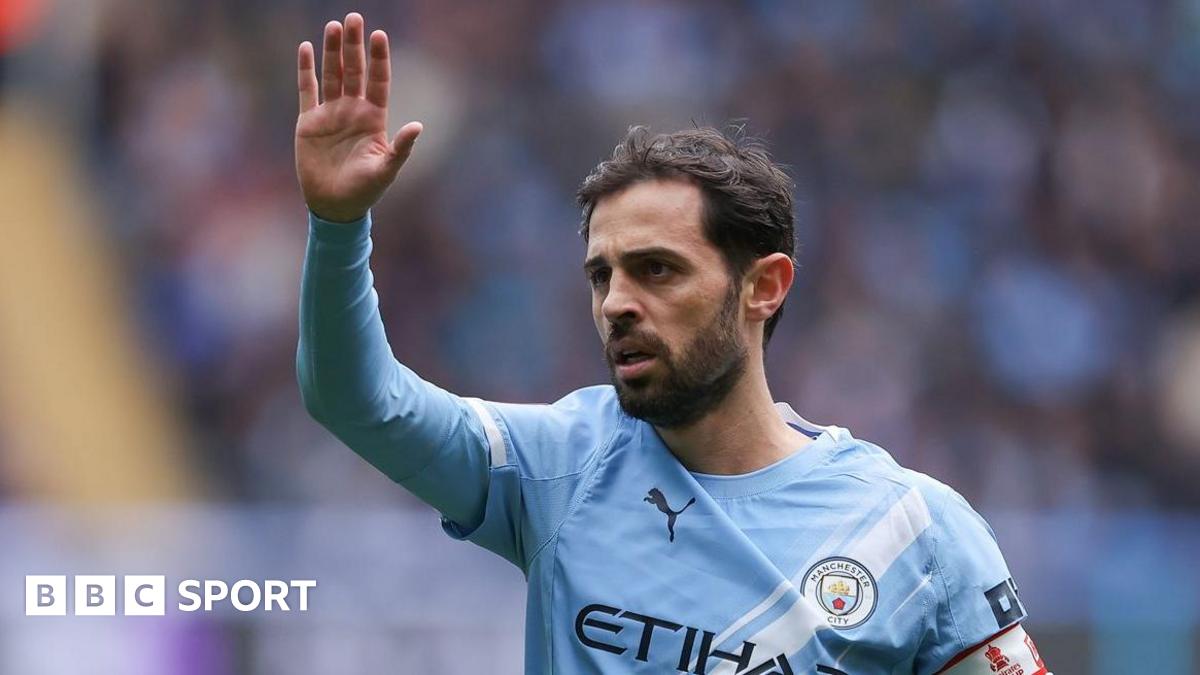
Lijnders made the comments after City’s 4-0 FA quarter-final win against Liverpool last weekend, with Guardiola unable to fulfill media duties as he was serving a touchline ban.
“You never replace a player with the same kind of player because they don’t exist,” said Lijnders.
“But every good story comes to an end, and I hope he enjoys the last months – there are only six weeks – and has a good farewell.”
Silva, a 2017 signing from French club Monaco, made his 450th appearance for City in the EFL Cup victory against Arsenal last month.
Advertisement
The 31-year-old was made club captain last summer following the departure of Kevin De Bruyne.
“He is not the tallest one, the most muscular one, or score 50 goals or make 50 assists a season,” said Guardiola.
“These are the type of players that are spotlighted and everyone talks about. From nine years, I know him quite well and for what a manager requires.
“All managers would say how much they love him because he is incredibly competitive, has a fire inside him always. In the toughest moments and on the biggest stages, he is always there.
Advertisement
“He has been an incredible signing for us, incredible. I love this club and I would love if he could stay and finish his career here but I do not know. He will decide what he will decide. It is his decision.”
First Lady Melania Trump gave a shock denial about having ties to Epstein in a statement that “blindsided” her husband President Trump, indicating they aren’t “aligned”, a psychologist tells the Mirror
13:44, 10 Apr 2026Updated 13:44, 10 Apr 2026
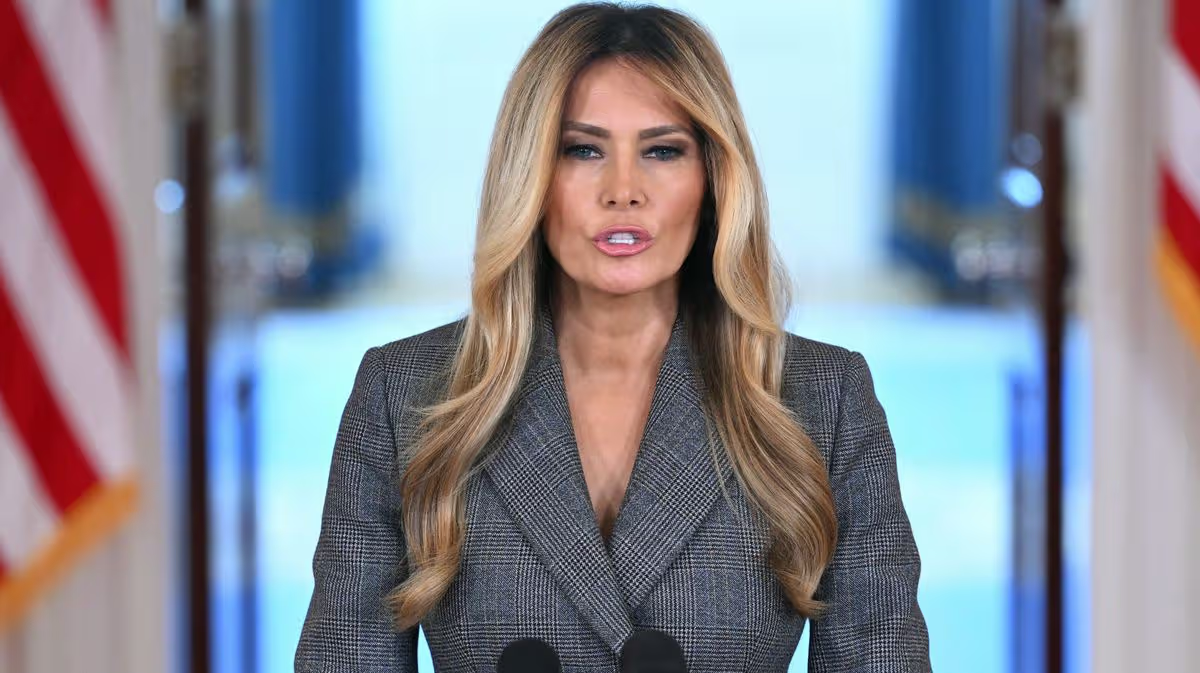
Melania Trump has sent shockwaves through the White House after releasing a bombshell statement denying ties to Jeffrey Epstein – a move that reportedly left President Trump in the dark.
Now as the President juggles a precarious ceasefire deal with Iran, expert say the First Lady’s decision to “reclaim her authorship” proves now that the couple are operating on separate tracks.
The timing of the statement appears to have caught the White House off guard, with Trump telling a journalist he “didn’t know anything about” her statement, before adding “she didn’t know [Epstein]” and hanging up the call.
Advertisement
The First Lady said that online theories that Epstein introduced her to Donald were “mean-spirited attempts to defame my reputation,” adding: “The individuals lying about me are devoid of ethical standards, humility and respect.”
Christopher Bucktin
In a move that distances herself from the White House, where many individuals are facing increased focus on their ties with the billionaire paedophile, she urged for Epstein survivors to be given the opportunity to speak at Congressional hearings, adding: “Then, and only then, we will have the truth.”
She also dismissed an email between herself and Epstein’s accomplice, Ghislaine Maxwell as “casual correspondence”.
Melania’s statement, the timing of which is not entirely clear, indicates that the First Lady and the President are operating separately, an expert has told the Mirror.
Dr Jane Halsall, a Chartered Counselling Psychologist, described the move as a psychological “assertion of agency”, with the fact she didn’t seek his approval beforehand suggesting a relationship where “alignment is absent.”
“From a psychological perspective, the fact that Donald Trump was unaware of such a significant and emotionally charged statement by Melania Trump is very insightful into their relational dynamics,” Dr Halsall said “It raises important questions about communication, alignment, and autonomy within high-profile relationships.
“In close partnerships particularly those lived out in the public eye there is often an assumption of shared messaging and mutual awareness, especially around issues as sensitive as advocacy for victims. The fact that she didn’t seek approval or share her intentions shows how alignment is absent in their partnership and how both these powerful individuals are operating in parallel rather than in emotional synchrony. This doesn’t necessarily indicate dysfunction, but it may suggest a relationship where independence is prioritised over cohesion, or where communication is more strategic than intimate, something that is unusual for a couple in such a high profile position.”
Last year Trump’s long-time biographer Michael Wolff claimed the pair are essentially “separated.”
Advertisement
He told The Daily Beast podcast: “They clearly do not in any way inhabit a marriage as we define marriage. And I think maybe we can more specifically say they live separate lives.
“They are separated. The President of the United States and the First Lady are separated.”
Speculation surrounding the state of the couple’s marriage has been rife for years, with a source telling the Mirror in 2023 that the pair only ever came together for the occasional dinner at his Palm Beach mansion.
“Melania is no different to any woman. Having her husband accused of cheating on her not just once but twice is extremely disturbing. There is little wonder people believe it’s not just the criminal court Trump is heading to but possibly a divorce one too.”
Advisor to the First Lady Marc Beckman tried to clear up the cryptic statement, telling the New York Post that Melania “spoke out now because enough is enough”.
He added: “It is time for the public and media to focus on her incredible achievements as First Lady, the lives she has positively impacted, and her commitment to our nation.”
Trump has more than enough on his hands at the moment, as a proposed ceasefire in the US and Israel‘s war against Iran hangs in the balance.
Advertisement
It had been put forward that a two-week conditional ceasefire could take place, contingent on the re-opening of the Strait of Hormuz, which Iran has forced closed in recent weeks – something that has caused global shocks across financial markets, and is set to see UK households feel a major hit as prices across the board are set to rise.
Even if the Strait reopened today, and stayed open, much of the financial damage by these shockwaves has already been done, but with Israel continuing to attack Lebanon, and peace talks due to take place over the weekend, the situation is precarious.
Last week, the White House hit back at rumours that the President had been rushed to hospital, with officials slamming the claims as a “conspiracy”.
In the psychological expert’s view, Melania’s shock decision to speak out indicates that she felt the urge to take back control and exert some “agency” – and her choosing to do so without running it by her husband’s office shows just how important this was to her, and that she was not willing to run the “risk of being shut down”.
“Melania’s decision to speak in a way that advocated for the victims can be understood as an assertion of personal agency. Her desire to defend herself publicly was to reclaim some control and shift the narrative that she personally was in some way involved in the Epstein files. Would she have had the opportunity to share her voice if she had asked permission first? The fact she did not risk being shut down, shows how compelled she felt to get her words across and regain psychological coherence.”
Symbolically, amid the ongoing controversy surrounding Jeffrey Epstein’s high-profile connections and big name acquaintances – though appearing in the Epstein files is not necessarily a sign of wrongdoing, the emails and messages are littered with A-list names – Melania’s decision to speak out is huge, Dr Halsall explains and a “redefining” of the traditional role of First Lady altogether.
Advertisement
“In high-profile roles, silence is rarely neutral; it is often interpreted, projected onto, or even weaponised. As a result, her speaking out was about reclaiming authorship over her identity and letting the victims know that they have a powerful First Lady in their corner. In this context, her advocacy was a deliberate effort to realign how she is seen with what she believes, an act that, psychologically, reflects both self-protection and self-definition. Psychologically, this reflects a shift from a traditionally symbolic or supportive role and modernises the representation of the first lady into someone that is values led and self-directed. For someone in her position, that carries weight. It signals not just a stance on an issue, but a redefinition of identity within the relationship and in the public sphere.”
It also serves a reminder that even in a couple occupying such public positions, there are always “private dynamics” behind closed doors, and a constant tension between the two spheres playing out. “Moments like this highlight the psychological tension between unity and individuality in relationships under scrutiny. They remind us that even in the most visible partnerships, there are private dynamics at play where voice, power, and identity are continually being negotiated.”
An email exchange from October 2002 between Melania and Ghislaine Maxwell was dubbed by the First Lady as “polite” and “casual”. The first email was sent by Melania and reads: “Dear GI How are you?
Advertisement
“Nice story about JE in NY mag. You look great on the picture. I know you are very busy flying all over the world. How was Palm Beach? I cannot wait to go down. Give me a call when you are back in NY. Have a great time! Love, Melania”
Maxwell replies in a similar tone, writing, “Sweet pea – thanks for your message. Actually plans changed again and I am now on my way back to NY. I leave again on Fri so I still do not think I have time to see you sadly. I will try and call though. Keep well Gx”
However there are other mentions of Melania in the Epstein files between the sex offender and those he corresponded with. One email from a redacted account sent shortly after Trump’s first presidential victory in 2016 reads: “I simply can not believe this victory..
“No one called it, we all thought she’d win. You must be happy tho. I remember flying back with Donald on his plane the first weekend I went to visit you in Florida was the weekend he met Melania and he kept on coming out of the bedroom saying ‘ wow what a hot piece of ass’
Advertisement
“Nuts. Anyway, hope you’re enjoying Saudi”
Another email sent by Epstein to Michael Wolff in December 2017 mentions ‘Melania’, “some journalists working a lead on a Melania boyfriend”.
Two further emails sent to Wolff in January 2018 reference ‘Melania’. The first, sent on 11 January reads: “holding up? . hi= sh**hole countries comment. his i will sign whatever is=put in front of me, clearly shows cracks in his mental state. = transcripts. could drive him over the edge if the=melania story doesnt come out”.
Another sent on 21 January that year sees the sex offender write, “achlles heal , melania, transcipt. melania also focused on dates of porn star, before birth of baron or after. . they also now have two army people escorting her to kids school :)”
Advertisement
Do you have a story to tell? Email: emma.mackenzie@reachplc.com
All four people in the property were able to make it out of the house safely
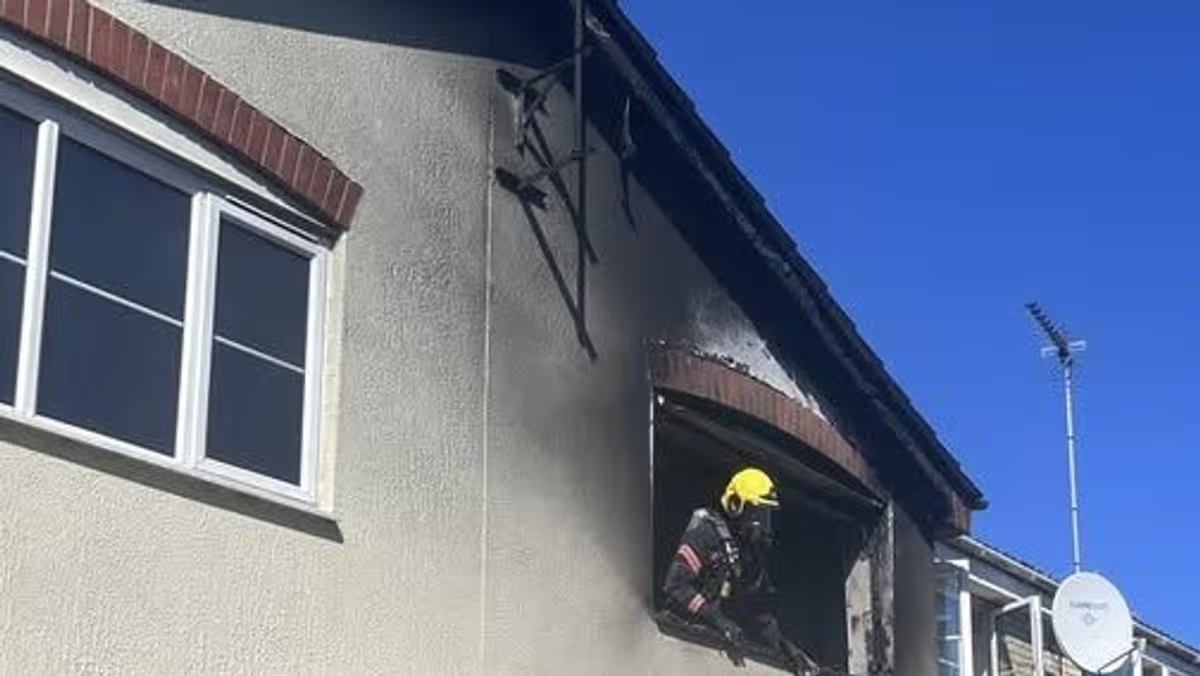
A house fire that “destroyed” a bedroom and caused “serious damage” to the upstairs of the property is believed to have been started by a candle. Firefighters from Cambridgeshire Fire and Rescue were called to the scene of a house fire in March.
Advertisement
When they arrived at the property, they found a bedroom fully engulfed in fire. Crews from March, Wisbech, and Chatteris helped to contain the fire.
The crews stopped the fire from spreading further and were able to extinguish it. There were four people in the property at the time of the fire but they were all able to make it out of the house before the crews arrived.
Station Commander Clive Allen said: “The fire is believed to have been caused by a curtain blowing onto a lit candle. We would like to remind people to always remain vigilant when lighting candles. Our advice for the safe use of candles is to never leave them unattended and keep them in a draught-free area away from curtains, furniture and other flammable surfaces. Alternatively, you could use LED candles as a safer option.
“Thankfully the occupants had working smoke alarms on each floor of the house which is exactly what we would advise people to warn you of a fire in your home. We also recommend you test all smoke alarms in your home once a month to ensure they are working properly. If you need a reminder to test your alarm, you can sign up to get an email from us every month to give you that nudge.”
Advertisement
To get more news and top stories delivered directly to your phone, join our new WhatsApp community.Click this linkto receive your daily dose of CambridgeshireLive content.
We also treat our community members to special offers, promotions, and adverts from us and our partners. If you don’t like our community, you can check out any time you like. If you’re curious, you can read ourPrivacy Notice.
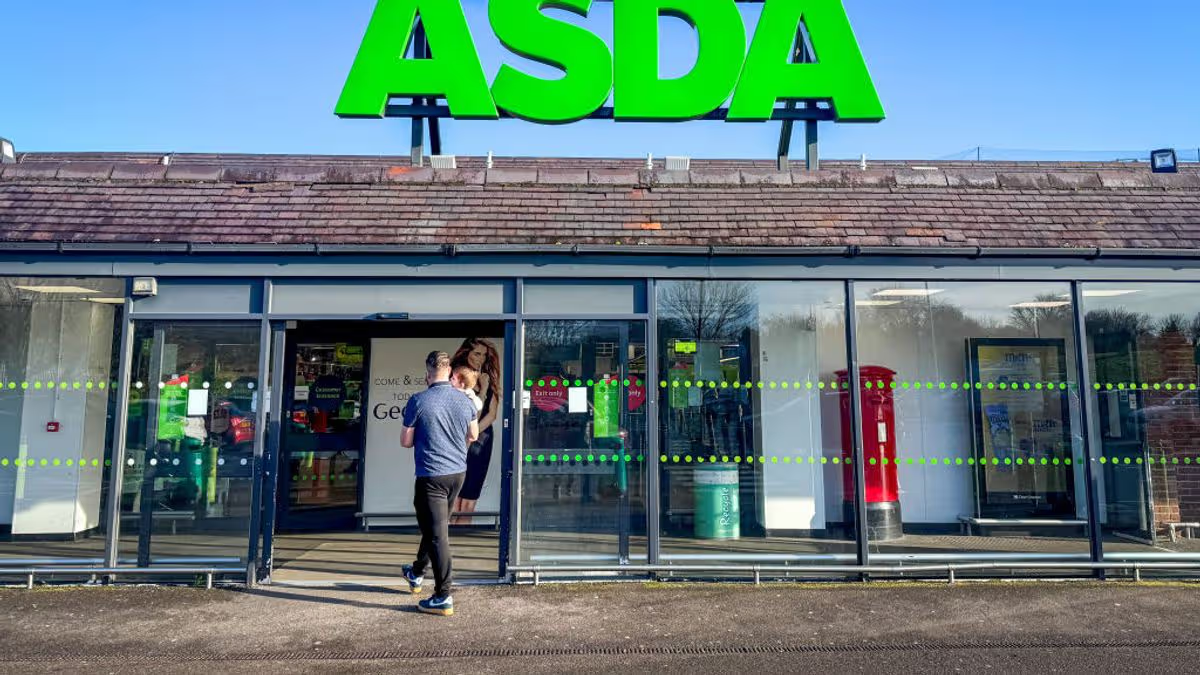
The new service will be available 24/7 across Asda stores
Asda has launched a new service across 700 of its stores which is designed to “make life easier” for customers. The supermarket has announced it will be installing self‑service laundry machines across its stores, meaning Asda customers will now be able to do a wash while they are shopping.
Advertisement
The new laundry units will be installed at a range of Asda Supercentres, Superstores, supermarkets and Express sites from May, and will look to give customers a quick, convenient and great‑value way to wash and dry their clothes while they shop.
The units will offer 9kg and 20kg drum capacities as well as energy-efficient cycles and high-speed drying. The machines will also be available to be used by shoppers 24/7.
Get MEN Premium now for just £1 HERE – or get involved in our WhatsApp group by clicking HERE. And don’t miss out on our brilliant selection of newsletters HERE.
Joseph Sutton, Vice President Asda Express, foodservice and fuel, said: “We’re always looking for new ways to make life easier for the customers who shop with us, particularly by strengthening the breadth of services that meet their needs under one roof.
Advertisement
“This large‑scale rollout of Wash.ME units gives customers a quick, convenient and great‑value way to tackle their laundry while they shop. We’re pleased to be working with ME Group on this significant partnership and look forward to seeing the benefits it brings to customers across the UK.”
Commenting on the new partnership with Asda, Vladimir Crasneanscki, Deputy Chief Executive Officer of ME Group, added: “Asda is a perfect company to partner with, their retail and petrol stations are excellent locations for our services and their innovative and fast paced approach will enable us to deploy our units rapidly. We are delighted to announce this partnership; this is the largest single client deal in the history of our laundry division and demonstrates the growing demand for our services.
“The rapid expansion of our Wash.ME laundry services is a key strategic priority for the Group, driven by strong consumer demand. In 2025, we announced a record number of Wash.ME machine installations of 1,326 across our geographies, and we have clear ambitions to continue building on this progress. This partnership is indicative of our intention to further cement our UK market-leading position in the unattended laundry segment.”
ITV viewers have begged bosses to bring back the hit show two years after the show went off air
Monde Mwitumwa TV and Celebrity Reporter
13:20, 10 Apr 2026
ITV audiences have pleaded with bosses to bring back what they say is ‘the best thing on TV’ following a two-year absence.
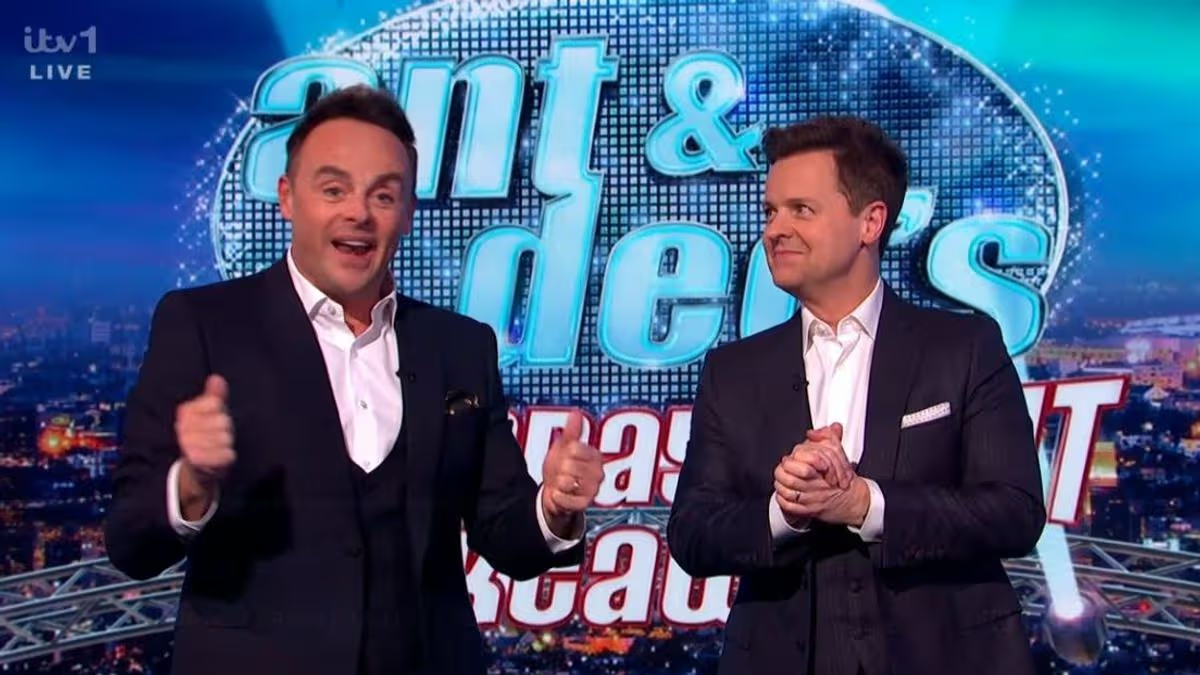
The broadcaster sparked excitement among fans after posting a video to its official Instagram page featuring Ant McPartlin and Declan Donnelly presenting their first and final instalment of their popular programme Saturday Night Takeaway.
Advertisement
Saturday Night Takeaway initially debuted in 2002, with the programme taking a hiatus in 2009, before making its comeback four years afterwards in 2013.
Throughout its run, it has garnered numerous honours, including Bafta and National Television Awards (NTA) recognition, reports the Mirror.
Following six years on TV, Ant and Dec revealed they would be stepping away from the programme – describing it as the “perfect time to pause for a little while and catch our breath”.
During that period, they concluded their final series on a triumphant note, featuring numerous adrenaline-fuelled challenges, amusing hidden camera pranks, fresh studio entertainment, and spontaneous surprises.
The presenting pair did not specify when or whether it would ever make a return. Now two years since it vanished from our screens, television enthusiasts have urged ITV to contemplate a revival following their social media upload.
Expressing their response in the comments area, one supporter stated: “Bring it back soon.” Another declared: “Bring Saturday night takeaway back next year! @itv.”
Advertisement
A third remarked: “We need this back ASAP.” Meanwhile one asserted: “Probably was the best thing on TV at the time.” Another speculated: “This makes me think it’s coming back.” One agreed: “I think it’s coming back.” One said: “I wish they would bring it back, it’s a great show.”
One fan insisted: “Bring Saturday night takeaway back next year!” Another joked: “My children and I mourn this show..bring…it….back.” Meanwhile one added: “Need this back.. best thing on TV.”
In a previous interview with Fault magazine, Ant addressed the reasoning behind the programme’s hiatus. He said: “Part of the reason we’re pausing Takeaway is we need a break ourselves, and we need to spend some time with our family. We’ve both got children that we need to spend time with for a little bit.”
Advertisement
He continued: “We need time to think and, and time to step back and look at the bigger picture and just see where we are now. Like I say, we’re turning 49, and what do we want to do next? What’s the next phase of our career?”
The television personality went on: “And we’ve got lots of ideas and lots of offers on the table, lots of options of things we can do. But it’s working on what we do next and where the next chapter begins.
“So that’s what we’re gonna do when Saturday Night Takeaway is out of the way. We’ll sit down, take a bit of time, and re-evaluate everything.”
British voters’ trust in the United States has plummeted in the wake of Donald Trump’s decision to wage war in Iran, a new poll has revealed.
The Public First research for Politico found that more than half (53%) of the UK public now view America as a negative force globally, up from 35% in December.
At the same time, the proportion of voters who think the States plays a positive role in the world has slumped from 41% to 29%.
The poll of 2,000 people was carried out between April 3 and 7, around five weeks into the US and Israel’s bombing campaign in Iran.
Advertisement
During the conflict, Trump has repeatedly attacked America’s allies – and the UK in particular – for not helping the war effort.
The poll also found that just 27% of British voters believe the US supports its allies around the world, down from 40% in December.
And the number who think America can be relied upon in a crisis has also fallen, from 44% to 32%.
Seb Wride, Public First’s head of polling, said: “In just 5 months, the UK public has entirely lost faith in their main ally — right at the moment that the world seems historically unstable.”
Advertisement
Relations between the US president and Keir Starmer have also reached an all-time low as a result of the war.
Trump has repeatedly attacked the prime minister over his decision to limit Britain’s involvement in the conflict.
Subscribe to Commons People, the podcast that makes politics easy. Every week, Kevin Schofield and Kate Nicholson unpack the week’s biggest stories to keep you informed. Join us for straightforward analysis of what’s going on at Westminster.
And now, Gemma has debuted her growing bump as they prepare to expand their brood.
Taking to social media, the reality star posed in a mirror selfie, wearing a crop top and adding the caption ‘Incoming’. She then shared a smiley selfie with Jesse, writing: ‘Made by these muppets’.
Made in Chelsea star Gemma, 40, debuted her bump in a mirror selfie (Picture: Gemma Gregory/Instagram)
She followed the announcement up with a smiley selfie alongside Jesse, 49 (Picture: Gemma Gregory/Instagram)
Jesse is already a dad to son Rex, 12, and daughter Honey, nine, from his marriage to Fearne. He also has two children with his first wife, Tilly Wood, to whom he was married from 2003 to 2011.
Meanwhile, Gemma, who joined E4’s Made in Chelsea in 2012 and is also the daughter of actor Paul Gregory, gave birth to her son, Benji, in 2014.
Their baby news comes just months after Jesse appeared in court after being caught driving 27mph in a 20mph zone, facing a possible ban.
Advertisement
Speaking of his financial situation in January, the guitarist told Lavender Hill Magistrates Court that he had been struggling to find work.
Representing himself, he said: ‘I was due to be employed in 2024, but it got delayed.
‘At the moment, I’m living off my savings, and I am looking to get employment.’
Jesse was married to Fearne Cotton for 10 years (Picture: Alan Chapman/Dave Benett/Getty Images)
He and girlfriend Gemma went public with their romance four months after his divorce was announced (Picture: Gemma Gregory/Instagram)
As reported by the Daily Mail at the time, he added that his recorded income on last year’s tax returns was around £14,000.
This followed him standing down as the director of Reef Band LLP last October, with the last accounts showing the company to be in the red. Jesse also resigned as a director of Tribe Festivals in 2022.
Advertisement
He apologised for his speeding offence and pleaded guilty, resulting in a six-month ban and three additional penalty points.
Because of his plea, he managed to get his fine reduced from £134 to £89. He was further ordered to pay £36 and £130 in contribution to court costs.
Jesse has not spoken publicly about his divorce since Fearne broke the news. She wrote online at the time: ‘It is with a heavy heart that I let you all know that Jesse and I are ending our marriage.
‘Our priority has been and always will be our children.’
Advertisement
Fearne is now prioritising her own happiness, having also moved on romantically (Picture: Fearne Cotton/Instagram)
She and Jesse continue co-parenting son Rex, 12, and daughter Honey, nine (Picture: Fearne Cotton/Instagram)
Musician Jesse insisted the split was ‘amicable’ (Picture: Fearne Cotton/Instagram)
Jesse did, however, make a brief mention of where things currently stand when he appeared on Lorraine last March, saying: ‘It’s all very amicable and the kids are doing great. I am in a very good place.’
Fearne also moved on, going public with television director Elliot Hegarty (who is 10 years her senior) earlier last year, which Jo Wood, Ronnie’s ex-wife, who helped to raise Jesse, said ‘shocked’ her.
‘I didn’t expect Fearne to have a new boyfriend. And Jesse was devastated,’ she said in 2025.
‘But sometimes in life, you have to go through these things. It may be daunting at first, but every cloud has a silver lining. Nothing lasts forever. I hope Fearne will be very happy.
‘I’m sure Jesse’s going to be very happy. These things work out. Their time was up – they had to move on.’
‘One of the most important things is the people around you – and that is the most important thing in life,’ she told Closer in August.
‘We need good people around us, but we have got to do the work. It is bloody hard.
‘When you start liking yourself and loving yourself, you want to feel better as you know you deserve it.’
Advertisement
Got a story?
If you’ve got a celebrity story, video or pictures get in touch with the Metro.co.uk entertainment team by emailing us celebtips@metro.co.uk, calling 020 3615 2145 or by visiting our Submit Stuff page – we’d love to hear from you.
The 15-cap wing has endured some injuries in recent seasons, but featured in Wales’ Six Nations campaign
Wales international Mason Grady has become the latest player to sign a new contract with Cardiff.
Advertisement
The likes of Alex Mann, James Botham and Evan Lloyd have all penned new deals in recent weeks – with wing Josh Adams announcing he would be staying at the Arms Park on Thursday.
Homegrown talent Grady is now the latest to commit his future to the Blue and Blacks, having signed a multi-season contract to stay in the Welsh capital.
The 24-year-old has struggled with injuries at times in recent seasons, but has been in good form recently for Cardiff.
“I’m really happy to sign this long-term contract with Cardiff and I’m excited for what the future holds,” said Grady after signing his new deal.
Advertisement
“This is the club I grew up supporting, I can remember fondly coming here as a kid and I have come through the pathway. I have a lot of good friends here and I believe we have huge potential.
“On a personal level, I feel this is the best environment for me to continue my development. I’ve had some set-backs with injuries but feel like I’m getting back to my best and it’s about consistently improving and putting my game on the pitch.
“To come to the Arms Park every day is such a privilege, which I am very grateful for. We have a squad packed with talent, whether experienced players to learn from or exciting youngsters, and we are all competing and driving each other on.
“We are heading in the right direction and are determined to keep doing that. I’m really looking forward to playing my part in the next few years and hope we can do the amazing supporters at the Arms Park proud.”
Grady had previously signed a one-year deal last year with the club, having turned down offers in England to stay in Wales.
Due to his imposing size, standing at 6ft 4ins and weighing 111kg, there’s been a lot of excitement surrounding Grady – who can play either wing or centre – for a number of years now.
Having made his debut for Cardiff during the 2020/21 season, he has now played 59 times for the Arms Park club.
Advertisement
He has also played 15 times for Wales, scoring his second Test try against France in this year’s Six Nations.
“We are very happy to keep Mason at the Arms Park,” said Cardiff coach Corniel van Zyl. “He is a local boy, who has come through the ranks and cares deeply about the club.
“He’s obviously had a few setbacks with injuries recently but he has come back from them well. There was a bit of expectation on him at the beginning, but he settled back nicely and has found some good form in recent weeks.
“His game is definitely growing, he is highly motivated to continue improving and we are excited to see where he can go.
Advertisement
“With his size, pace and power, he has an athletic ability and attributes that are rare in Wales, while his basics are improving every day.
“So we are delighted he has decided to continue his journey in a Cardiff jersey and we look forward to helping him push onto the next level.”
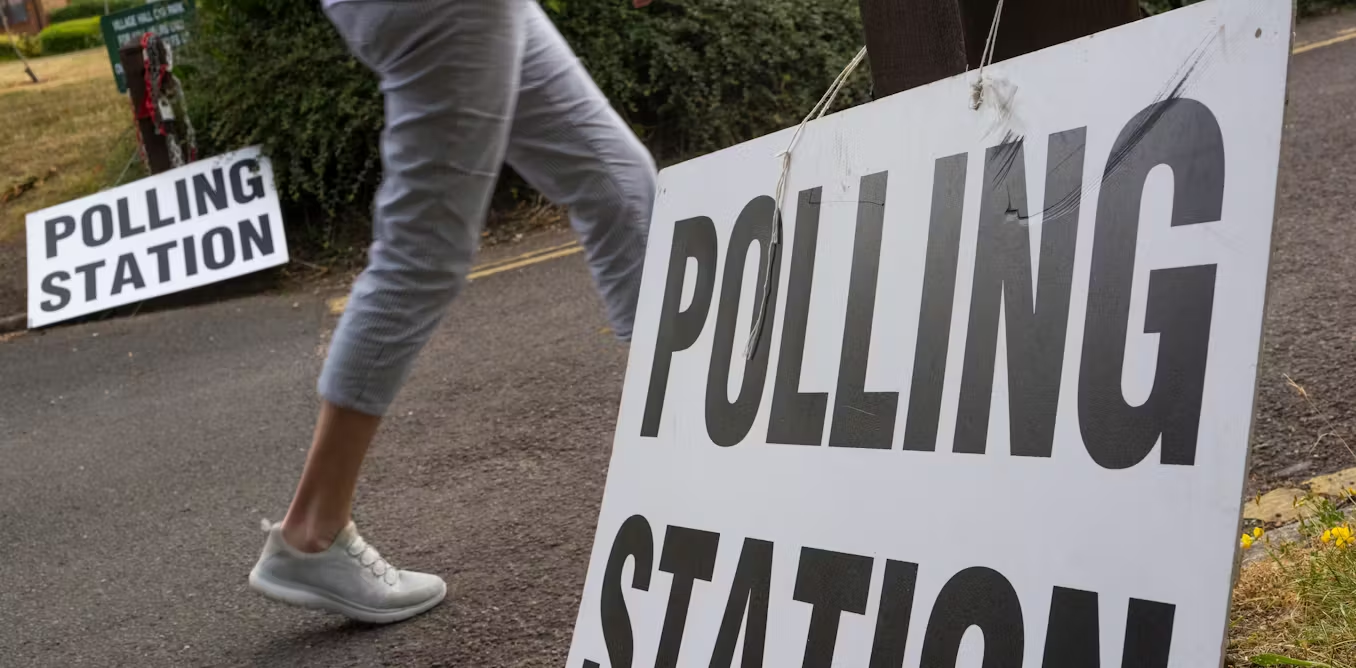
On May 7 2026, voters in England, Scotland and Wales will head to the polls. Parliamentary elections are taking place in the devolved Welsh Senedd Cymru and Scottish Parliament, and local elections for over 4,850 councillor roles could have huge implications for local governments throughout England. With all to play for, we asked five experts to tell us what they will be keeping their eye on.
Can Reform compete across the UK?
Jonathan Tonge, Professor of Politics, University of Liverpool
The 2026 elections will reveal whether Reform UK will peak as an English nationalist party, or if they can compete as a genuine nationwide force. Last year’s local elections confirmed that Reform can seriously harm the Conservatives. This year, contests are across councils held mainly by Labour, making the English elections about Reform’s threat to Keir Starmer’s party.
Nigel Farage’s party, which currently has eight MPs, has led opinion polls in England since May 2025, when it won the highest vote in English local elections. Reform took control of ten councils (from a starting point of zero), and gained nearly 700 new councillors. Of these, eight were county council gains from the Conservatives, with another taken from a Liberal Democrat-led coalition. The tenth gain was from Labour in the only metropolitan borough contested, Doncaster.
Advertisement
Reform’s likely gains in English councils aren’t guaranteed elsewhere in the UK however. The party’s polling in Scotland is around ten percentage points behind what it is in England. It may be that Reform is battling Labour for second place, while the Scottish National Party (SNP) continues to dominate.
Alex Nurse, Reader in Urban Planning, University of Liverpool
Advertisement
Local elections are often concerned with local issues – think potholes and bin collections. Councils are also obliged by law to spend a lot of their time and budget on initiatives like adult social care, but these issues are often lost in the broad brush strokes of election campaigns.
It will be interesting to see how the ascendant Greens and Reform present their vision for local government, and what compromises they make to win over local voters. In the recent Gorton and Denton byelection, Green candidate Hannah Spencer made scarce mention of the environment and instead focused heavily on the cost of living and the broader social contract. Similarly, Reform’s promise to mimic the US Department of Government Efficiency (Doge) following the 2025 elections came up short after its newly elected councillors found local authorities already cut to the bone from years of austerity.
I’ll also be watching to see how the fragmented opinion polls translate into council seats. While we might be expecting a wipeout for Labour and the Conservatives, it remains to be seen how many councils the other parties will win wholesale, and where there will be situations of no overall control, requiring tricky coalition building. This might involve attempts to form a coalition of like-minded councillors, as seen in Bristol. However, the reality is often that parties attempt to go it alone, by entering minority government and living vote by vote, as seen in places like Sheffield or Wirral.
Murray Leith, Professor of Political Science and Director of the Centre for Migration, Diaspora, Citizenship and Identity, University of the West of Scotland
The SNP has long predicated its sense of national identity on a civic and inclusive
Scottishness. Its message throughout the past 19 years has been that anyone who believes in Scotland can be Scottish. While other parliamentary parties have challenged and attacked myriad SNP platforms and policies in the last two decades, none disagree with this political elite consensus.
However, this agreement has not been as duly accepted by people in Scotland who
are less accepting of incomers and migrants (from the rest of the UK and beyond) claiming Scottish identity. Scotland has shifted from an emigrant nation to an immigrant nation in recent years. Without immigration, Scotland’s population would have shrunk. While migration policy remains reserved to Westminster, it looms large in the minds of voters – so much so, that the SNP has made devolving immigration power to Scotland one of its 14 key manifesto pledges.
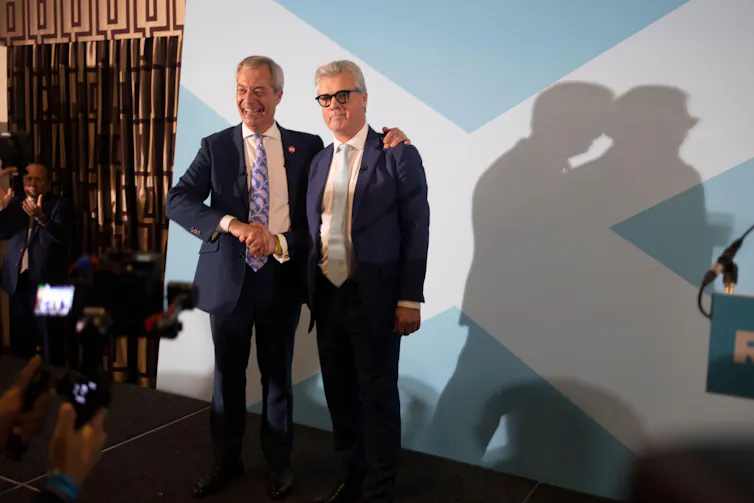
Reform UK is openly challenging this inclusive and welcoming political consensus. In his first speech, Malcolm Offord, Reform’s Scottish leader spoke of strangers and uncontrolled immigration destabilising communities. Given recent polling and the possibility that Reform may be the official opposition in the next Scottish parliament, the SNP may soon be facing an opposition that proposes a less inclusive vision of Scottishness.
Advertisement
Reform UK’s Malcolm Offord has campaigned on prioritising Scottish people over ‘strangers’. jeremy sutton-hibbert/Alamy
A potentially huge turnover on councils
Hannah Bunting, Senior Lecturer in Quantitative British Politics and Co-director of The Elections Centre, University of Exeter
In the English local elections, I’m keeping an eye out for how many incumbents lose their seats. We know that voters are disillusioned with the two main parties and looking for alternatives. Last year in the 2025 locals, and in many council byelections since, less than 40% of Labour and Conservative incumbents were re-elected. According to our data at The Elections Centre, this figure hasn’t dropped below 70% since 1973.
There are also many more vacancies this year compared to 2025, with Labour defending half of the nearly 5,000 up for grabs, and the Conservatives defending another quarter of them. If this rate of losses continues, we are going to see thousands of new councillors elected, with huge implications for local governments.
Two Labour strongholds, Sunderland and Barnsley, are currently polling in favour of Reform, as is Walsall, which has been held by the Conservatives since 2004. The Greens are making headway in the inner boroughs of London, and councils with “no overall control” may be more common than ever in the capital after these contests. Labour has the furthest to fall, and all eyes will be on how many gains Reform and the Greens make, alongside how many areas turn to the Liberal Democrats as an alternative.
Anwen Elias, Reader in Politics, Aberystwyth University
Changes to the way Welsh voters elect the Senedd – a proportional system where one vote is cast for a political party’s list of candidates across 16 new constituencies – will require parties to campaign very differently compared to previous elections. The extent to which they can adapt will affect how they perform.
Under the previous electoral system, most Senedd members (40 out of 60) were elected under first-past-the-post, with the rest elected through proportional regional lists. There was an incentive to focus attention and resources on key seats where a political party had the best chances of winning. Under the new system parties will need to gain support from across Wales if they want to ensure a strong presence in the Senedd.
This requires a different kind of campaign strategy and organisation, which is likely to be especially challenging for parties with fewer resources. Within constituencies – some of which are huge – political parties will have to mobilise activists in areas where historically they might not have had a much presence or electoral support. Parties with the available resources for a coordinated national campaign and a strong media, and social media, presence will have a clear advantage under this new system.

















































You must be logged in to post a comment Login