News Beat
A second chance for first place at the British Transplant Games – Positive News

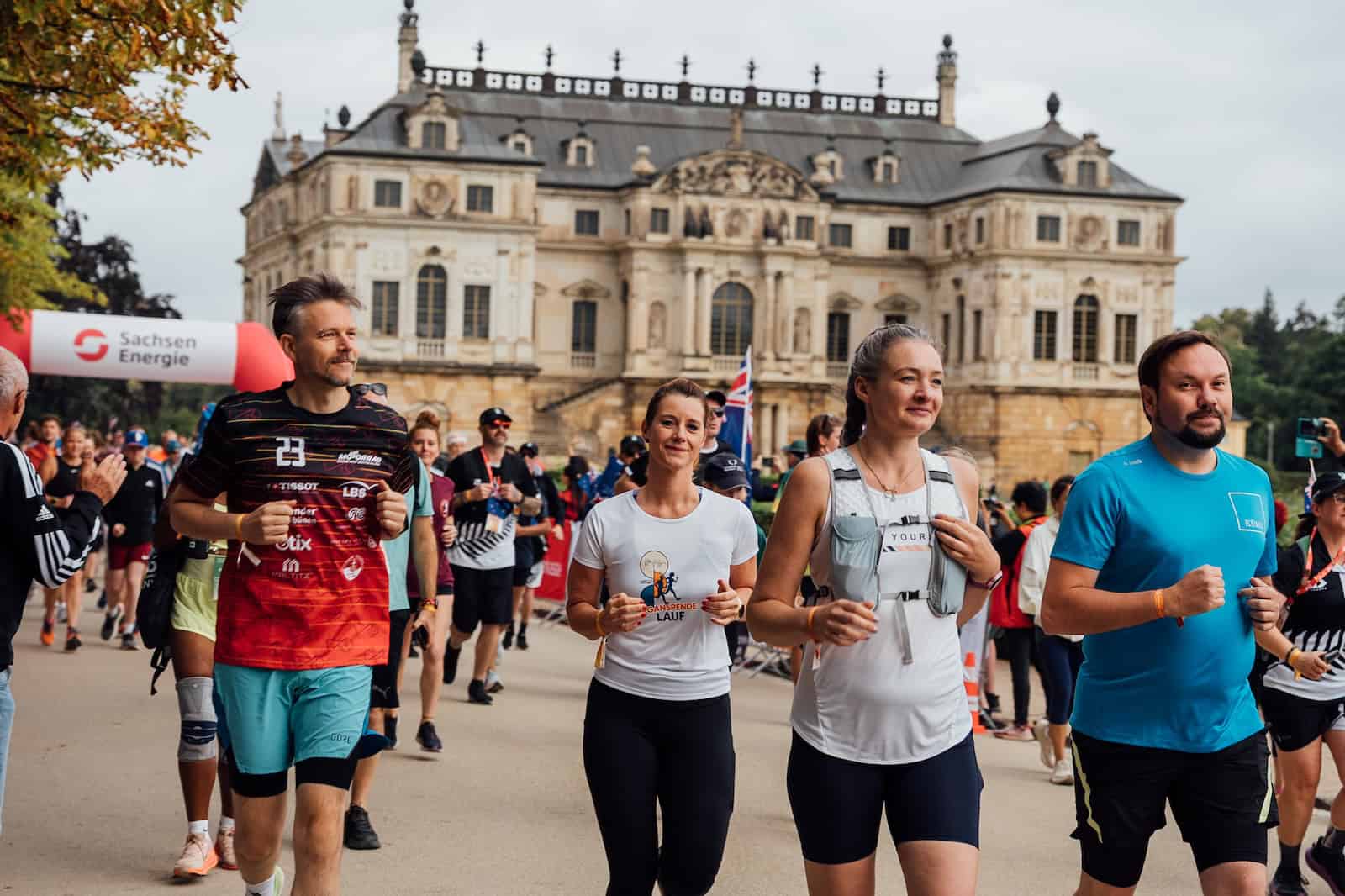
Behind every medal at the British Transplant Games is a story of survival and generosity. Athletes are competing not just for themselves, but in honour of the donors who gave them a second chance at life
When Jenny Glithero looked down at her bandaged torso, she didn’t recognise herself. The last thing she remembered was turning off the TV. Now, the doctor at her bedside was telling her she’d received an emergency liver transplant.
Glithero couldn’t understand what she was hearing: that she’d contracted a viral infection and experienced acute liver failure. “I couldn’t move, I was so weak,” Glithero recalls. “There was nothing left on me. There was no muscle … no fat.”
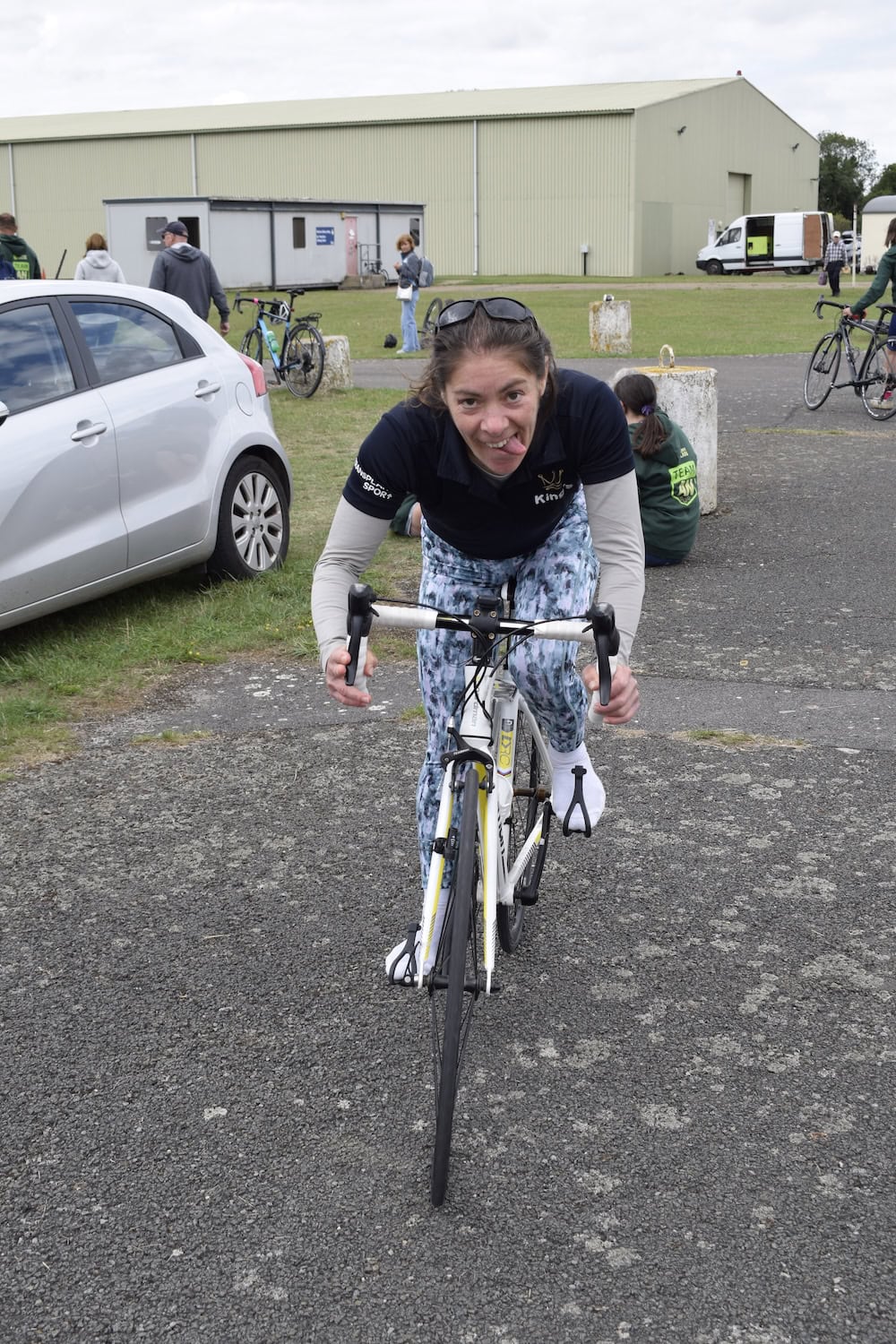
It’s impossible to reconcile that image with the woman I see before me, windswept and rosy-cheeked from a 25-mile bike ride and still wearing her cycling kit. When I meet her, she’s training for the British Transplant Games, a national sporting event for organ transplant recipients.
Before her transplant, Glithero would cycle 20 miles to and from work each day and then do repeats of London’s Highgate Hill at the weekend “for fun”. While still in hospital recovering from the operation, a doctor told her about the transplant games and she decided to compete.
After being on a ventilator, Glithero had to re-learn how to breathe before she could even start walking again. But six months later, she was back on the bike. “I went down the road for the frst time without falling off,” she says. “I was like: ‘I’m doing it! Oh my gosh, I’m doing it!’ and that was the beginning of training.”
For Glithero, competing is a way of honouring the anonymous donor who saved her life. Standing over the kitchen stove making tea, she pauses for a moment and rests her hand across her upper abdomen, where she is scarred from the transplant operation. “I am so grateful for this liver,” she says, “for this life that was gifted to me.”

A ‘service of remembrance’ at the World Transplant Games 2025. Image: WTG2025/YesVideography
More than 8,000 people are currently awaiting a lifesaving organ donation in the UK. This is despite England introducing in 2020 an opt-out law, under which all adults are considered potential donors after death unless they have stated otherwise.
“At the end of the day it’s the family that can refuse to give consent at the bedside,” says Transplant Team GB manager Lynne Holt, who has been involved with the British version of the games since shortly after they were established in 1978 by the charity Transplant Sport.
Holt explains that there is a distinct lack of awareness around the importance of organ donation that means people often fail to discuss with their families before they die whether or not they want to donate their organs.
Everyone here is here because someone else gave them the gift of life
“It’s an awful time … it’s normally a sudden death. But if [your family] know your wishes and they don’t have to make decisions, it’s like: ‘Oh, that’s what she wanted’,” says Holt.
At the World Transplant Games in Dresden, Germany, in August, athletes and teams from 51 countries competed across 17 sports. The games were founded to promote recognition of the need for organ donation and to highlight how people can thrive after a transplant.
Performance at the British Games is taken into account when selecting those who go on to represent Team GB at the worlds. Anyone can apply to join the team, provided they are healthy and attend at least one team training camp, but Holt explains that places are competitive. “If they think they can just turn up without doing any training, they’re not going to win a medal.”
The British Transplant Games in Oxford, UK, which was also held in August, began with a parade of all participating athletes. Supporters applauded as the transplant recipients entered the west courtyard of Blenheim Palace during the opening ceremony.
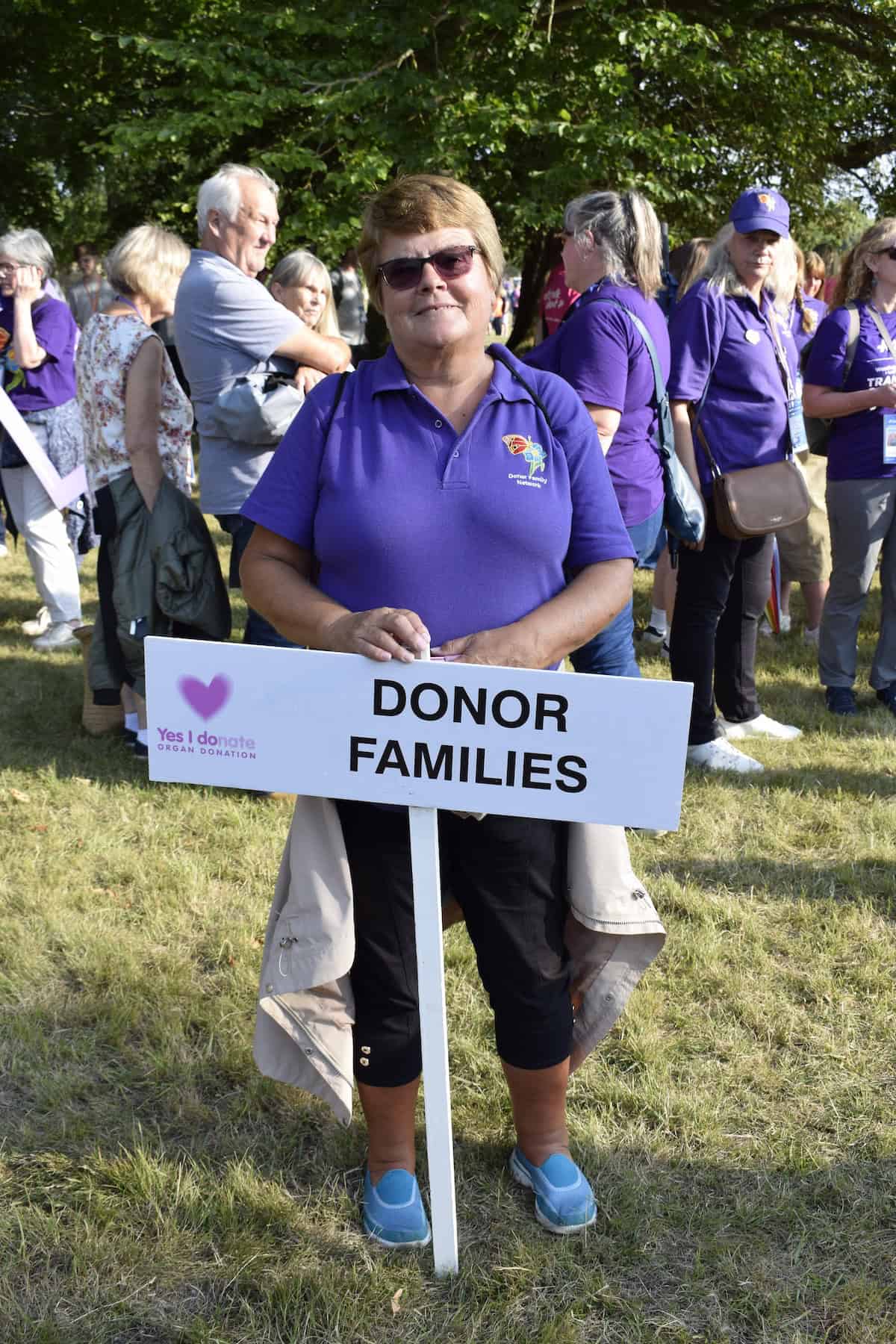
But the loudest cheer went to the fnal group of the procession: the families of those who had donated their organs after death. “We call them the VIPs,” says Holt, “because without them we wouldn’t have any transplant recipients. They’ve all given the gift of life.”
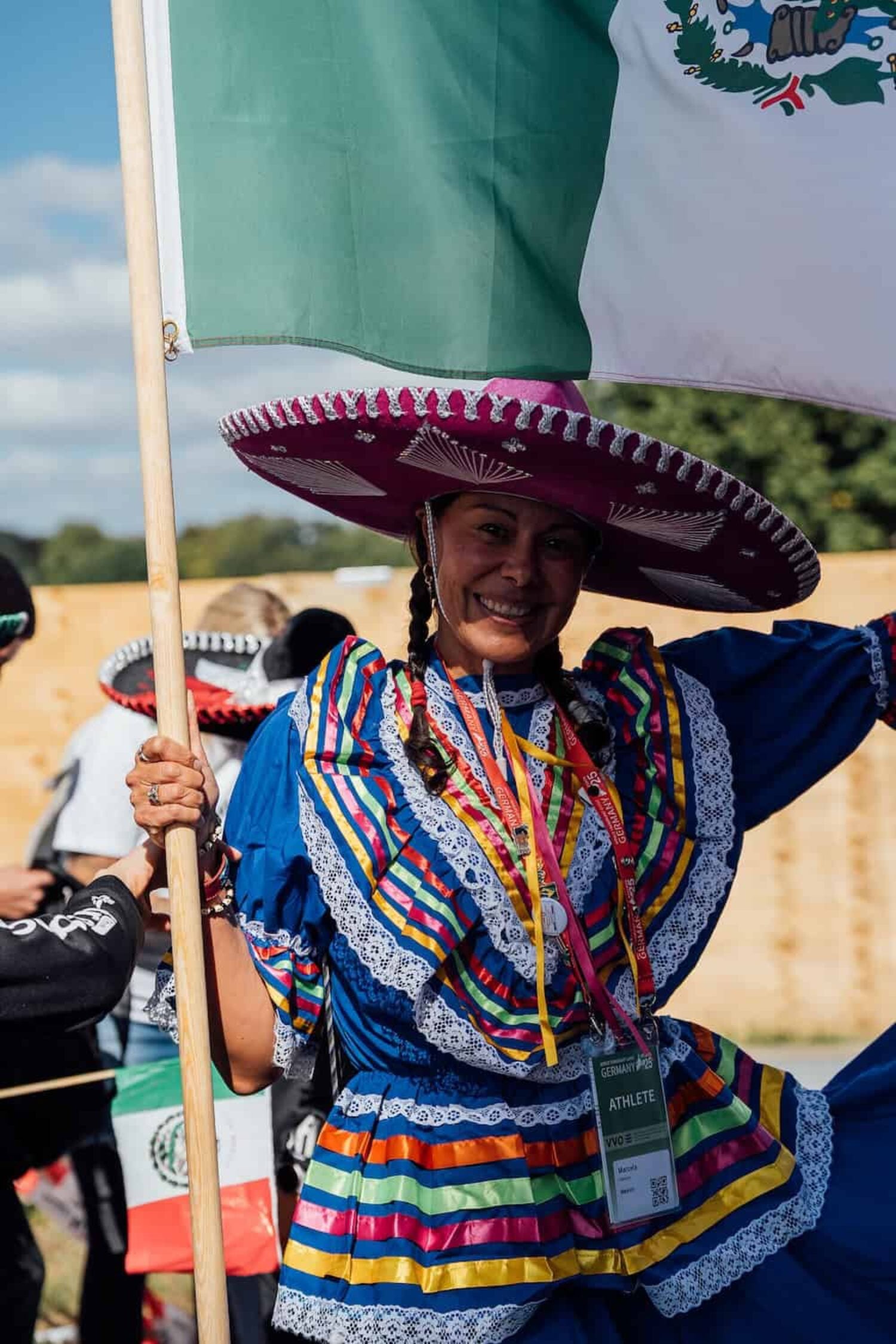
The World Transplant Games were held in Dresden, Germany, last August. Image: WTG2025/YesVideography
One of those VIPs was Sue Burton, whose son Martin’s organs were donated after he died from a brain haemorrhage aged 16. “It seemed like the absolute, natural thing to do,” says Burton. “He was young, he was healthy … It would have been sacrilege to let his organs go with him.
“Coming here, you see the beneft of all the people who have made that decision. It’s completely inspiring. That’s Martin’s legacy.”
Nearby, fve-year-old Leo dances to the sounds of a steel drum band, which is entertaining excited crowds at the opening ceremony. Jumping and giggling, it’s impossible to tell from his demeanour alone that he received a liver transplant aged six months old.
“It’s defnitely not stopped him,” his mum Gemma laughs, as Leo runs over, lifting his T-shirt to proudly display the scar across his stomach. “It’s really amazing to see how far he’s come.” Gemma smiles at Leo, listing the events he’s taking part in: the obstacle race, the 25-metre sprint and the ball throw.
For Gemma and many others, the games are an opportunity to be among a community of people with similar stories. “Transplant people – we have experiences that nobody else has,” says kidney transplant recipient Declan Logue, describing the games as “a big family”.
“We have very strange conversations,” he jokes. “‘What medications are you on?’ ‘What ailments do you have?’ You feel you’re not alone, you’re not in a silo, you’re one of many.”
Mentally, that’s essential, he says. “People [here], they open up. They actually relax.”
Kirsty Saville, who is transplant team manager at Leeds Teaching Hospitals NHS Trust, agrees. “It changes people’s lives. Gives them a sense of belonging,” she says of the games.
As well as increasing public awareness of organ donation, those behind the British Transplant Games want to encourage transplant recipients to stay active post-transplant. The medication that donor recipients take to prevent their bodies rejecting the new organ – or ‘graft’ – can cause weight gain. Saville says the games “gives them that exercise, and keeps their graft longer”, adding that it gives them “a goal to achieve”.
Amid the hustle and bustle of the opening ceremony is Catherine Cook, supporting her daughter, Louise, who received a kidney transplant aged 13. “She wasn’t really very sporty before she had a transplant,” says Cook.
Louise frst heard about the games through Great Ormond Street Hospital. “She was 14 when she did the frst one, and she’s 36 this year,” says Cook. “Every year she starts training before the games. It’s given her something to aim for.”
There’s one sentiment echoed by everyone at the games: gratitude. “Why do I train? Why do I do this? Because I’ve been given the gift of life,” says Glithero. “It’s about going to show up for my donor. To give thanks,” she says. “Some people go to church. I get on the bike.”
Main image: WTG2025/YesVideography