News Beat
Abrupt withdrawal of aid imperils our response to deadly disease outbreaks

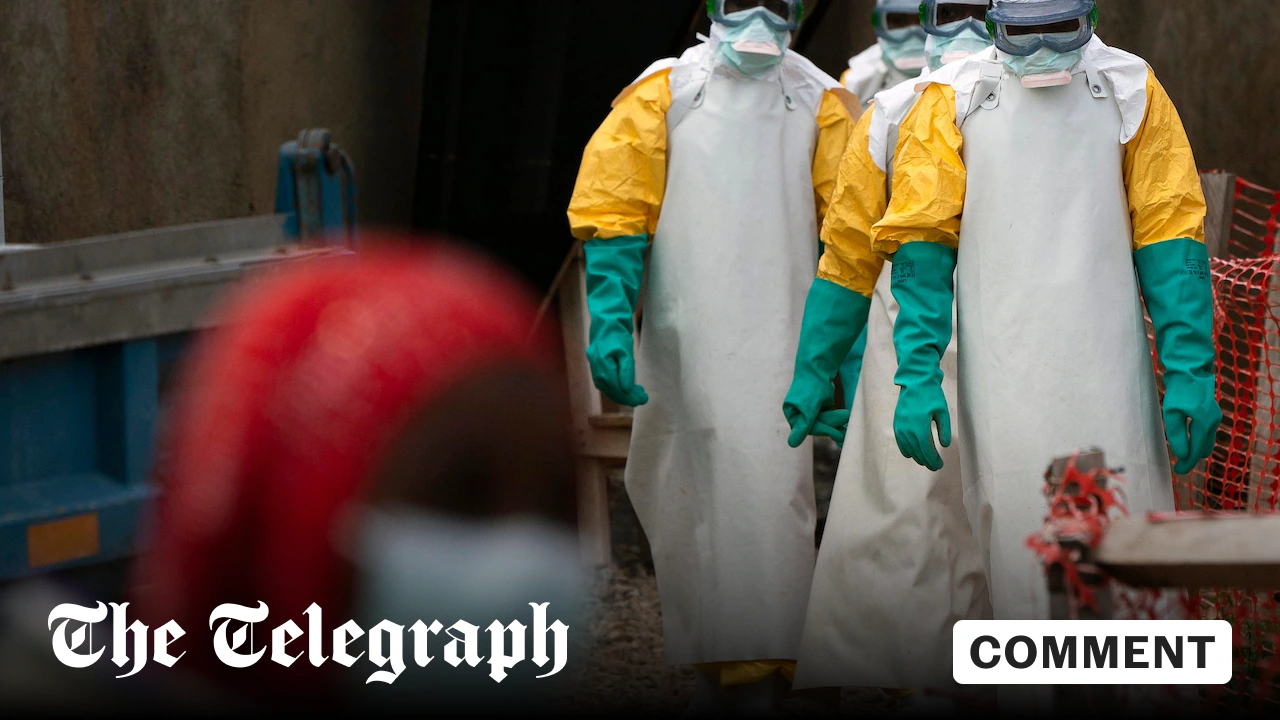

At the end of last year, an Ebola disease outbreak in the Democratic Republic of Congo’s Kasai province was officially declared over.
You might be surprised to learn that it was the 16th outbreak of Ebola disease in the country since Ebola was first identified in 1976.
In fact, it was the second Ebola outbreak in Africa in 2025 to be identified and contained within the space of a few months, attracting few international headlines in the process.
That marks a stark contrast to the West Africa Ebola disease outbreak of a decade ago, which killed more than 28,000, touched three continents, and sparked a global public health scare before it was finally stopped.
Expertise in infectious disease outbreak response, including in therapeutics and medical countermeasures, has significantly improved over the years, thanks to lessons learned applied from previous outbreaks.
In the DRC, for example, a national stockpile of vaccines was vital in quickly protecting communities and frontline workers just days after an outbreak was declared in early September.
Much of this progress was made possible by engagement and support from governments and companies in Europe and North America.
But the recent abrupt withdrawal of aid from these traditional donors imperils our future responses to similar outbreaks of Ebola and other infectious diseases. And this is a cause for serious concern.
The risk is ever present
In the recent past, these resources – from an impressive collaboration of public, private and charitable agencies from North America and Europe – enabled researchers to develop Ervebo, the vaccine we use to prevent Ebola virus disease.
Working with donors from these regions, we built vaccine stockpiles so that future outbreaks could be swiftly contained. So when Ebola broke out last year, this readily available supply of vaccines made a significant difference for Kasai.
Similarly, the development of therapeutics that can address Ebola virus disease was propelled by North-South collaborations between companies and government agencies in the US and the DRC.
The two primary therapeutics are monoclonal antibodies developed by researchers who isolated antibodies from people who were infected with the Ebola virus and survived. Like the vaccine, we have seen these treatments work in the field during outbreaks over the past seven years.
The stockpiles in place – not just of vaccines and therapeutics, but of personal protective equipment, medical supplies, even entire mobile laboratories – were set up with the support and resources of a global collaboration. And the result was success: an outbreak in a remote, hard-to-reach corner of DRC was contained swiftly. In the process, the infrastructure that provided potable water for the medical operations has been converted and will continue to serve the communities well after the emergency response has ended.
But the funding cuts we’re seeing from so many governments today are threatening this kind of rapid response and engagement. Donor countries’ pull-back from global health makes it more difficult to reload our stockpiles and emergency response capacities in general. It also makes it harder for us to collaborate and share the kinds of knowledge and experiences that are so critical to preparing us for future outbreaks.
And the risk is ever present. Even as we celebrated the official end of the most recent Ebola outbreak in DRC, public health officials were responding to an outbreak of another deadly haemorrhagic fever – Marburg virus disease – which was declared in Ethiopia. We are now halfway through the six-week period of zero cases that is required before being able to declare that outbreak contained as well.
Our goal isn’t just to be ready for the next outbreak, but to work with governments across Africa to strengthen healthcare services to allow all Africans to benefit from better health and well-being. Working closely with international partners as well as other WHO regions is equally vital to this work.
All of these goals are threatened by Western donors’ widespread retreat from aid funding, including on global health. With international collaboration ebbing, we lose ground in preparing for whatever comes at us, and we lose ground in our work to achieve the UN sustainable development goals.
Africa is a continent of resilience, diversity, and opportunity. The economic growth in our region has been one of the strongest in the past few years, and our ability to stop these disease outbreaks swiftly and effectively has played a key role in this growth. We will endeavour to be ready to resume collaborations with our partners in the West once they have recovered as well.
Ebola contained in Kasai is not just an African success – it’s global security in action. When funding cuts undermine the global health system, every region becomes more vulnerable. In our interconnected world, no one is safe until all of us are.
Dr Mohamed Yakub Janabi is the Regional Director for Africa at the World Health Organization
Protect yourself and your family by learning more about Global Health Security