
News Beat
America is at war with drug cartels not Venezuela, US insists after capturing Maduro

America is at war with drug cartels, not with Venezuela, US secretary of state Marco Rubio has insisted, as military leaders demand the release of captive Nicolas Maduro.
The Venezuelan leader is expected to make an initial appearance in Manhattan federal court as early as Monday, charged with narco-terrorism, as well as conspiracy to import cocaine and conspiracy to possess machine guns.
At least seven explosions and low-flying aircraft were seen in Venezuela’s capital, Caracas, in the early hours of Saturday. Shortly afterwards, US president Trump confirmed Maduro and his wife, Cilia Flores, had been captured by elite US Delta operatives and transported to New York aboard USS Iwo Jima.
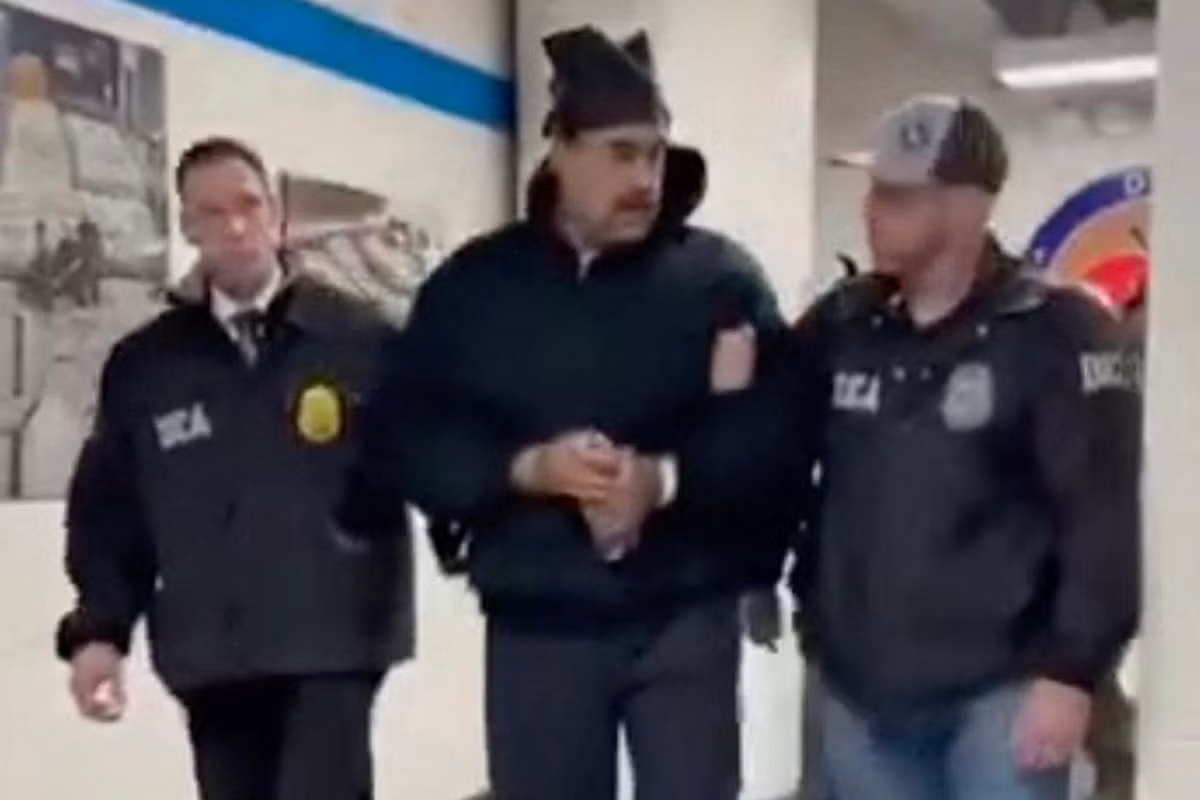
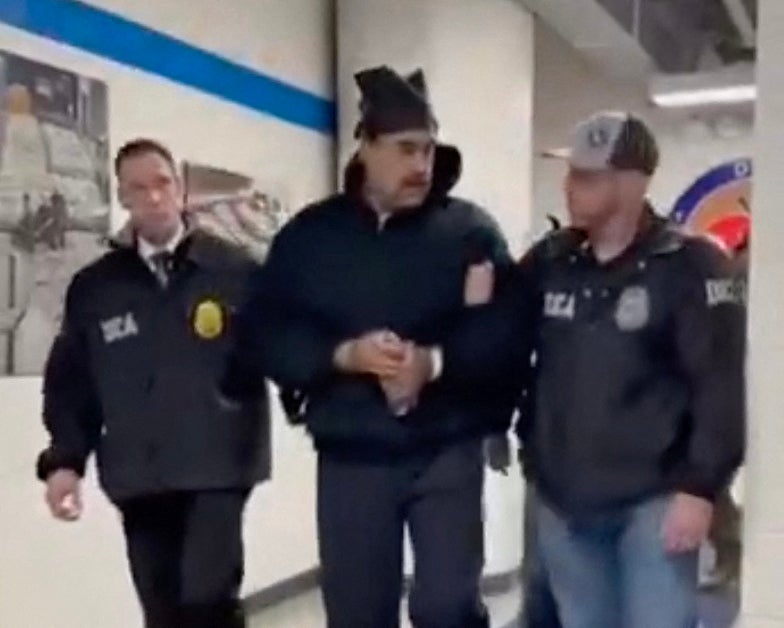
In a video posted by the White House on Sunday, Maduro can be seen being led down a hallway, handcuffed and flanked by agents inside the Drug Enforcement Administration’s Manhattan offices.
Trump, meanwhile, said his administration would run Venezuela at least temporarily and tap its vast oil reserves to sell to other nations.
Rubio also expanded on his expectations of what should happen to the country’s oil reserves, which are the biggest in the world.
“What we’re not going to allow is for the oil industry in Venezuela to be controlled by adversaries of the United States,” he said. “Why does China need Venezuelan oil? Why does Russia? Why does Iran?”
The operation – the culmination of months of escalating Trump administration pressure on the oil-rich South American nation – has been condemned by neighbouring Latin American countries, as well as Venezuela’s long-term allies, Russia and China.
Iran called the strikes a “flagrant violation of the country’s national sovereignty”, while North Korea’s foreign ministry said “the incident is another example that clearly confirms once again the rogue and brutal nature of the United States.”
Trump claimed the American presence was already in place, though there were no immediate signs that the US was running the country, not any American boots on the ground.
He implied Maduro’s second-in-command, Delcy Rodríguez, now the acting president, would likely lead the transition, as she is “willing to do what we think is necessary to make Venezuela great again”.
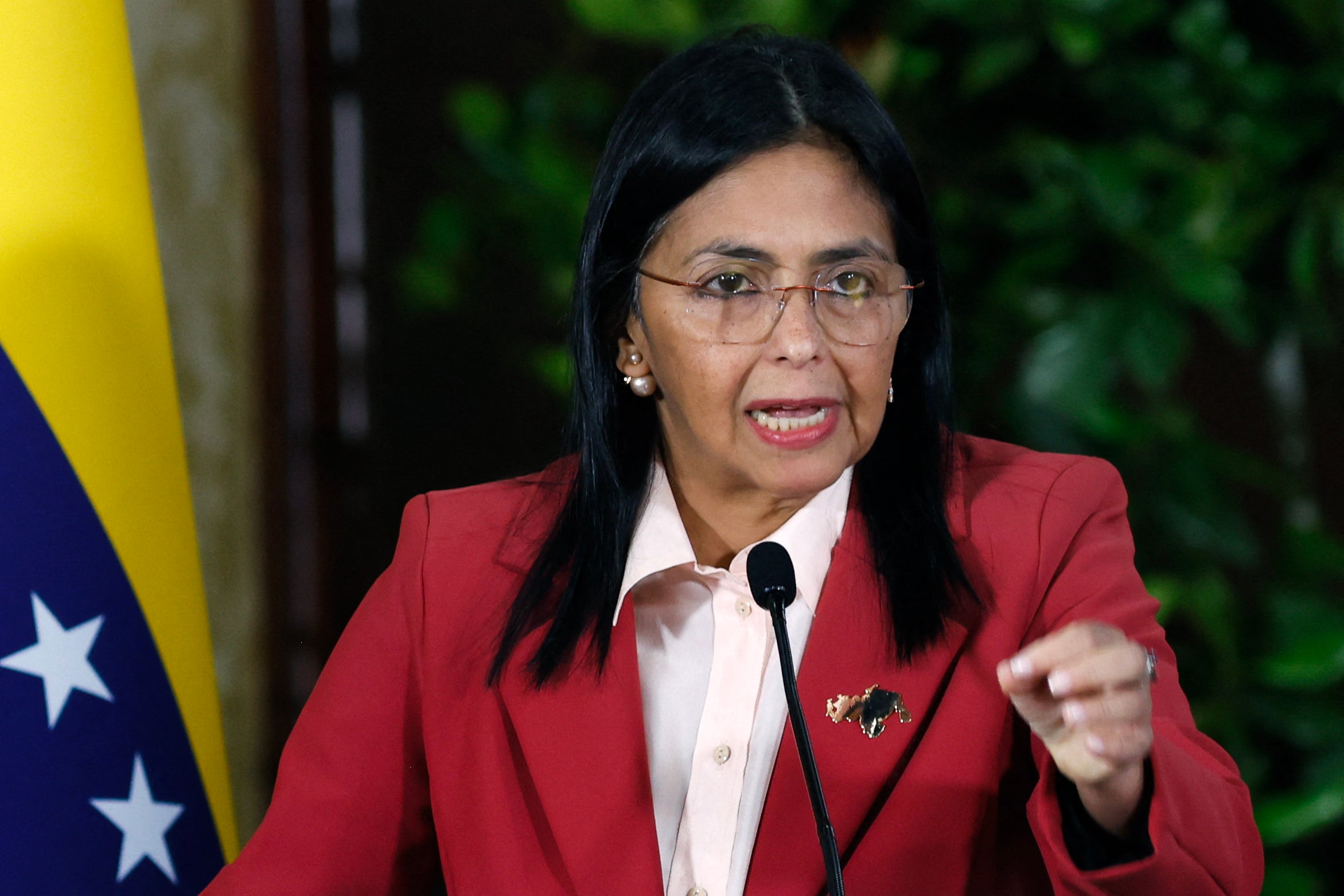
But he warned that she will pay a “very big price” if she does not cooperate with the US.
“If she doesn’t do what’s right, she is going to pay a very big price, probably bigger than Maduro,” he told The Atlantic. “You know, rebuilding there and regime change, anything you want to call it, is better than what you have right now. Can’t get any worse.”
On Saturday, she demanded Maduro’s release, saying he was the “only president”. When asked about who was running Venezuela, secretary of state Rubio deflected questions on Sunday.
“People keep fixating on that,” he said. “Here’s the bottom line on it… we expect to see changes in Venezuela, changes of all kinds long term, short term.”
Asked why the US would not work with opposition leader Maria Corina Machado, Rubio said the government was focused on “dealing with the immediate reality”.
He said: “Unfortunately, the vast majority of the opposition is no longer present inside of Venezuela.”
Meanwhile, Sir Keir Starmer insisted his Labour administration would “shed no tears” over the end of Nicolas Maduro’s regime and said Britain would discuss the “evolving situation” with American counterparts over the coming days.
In a statement on Sunday evening, Sir Keir said: “The UK has long supported a transition of power in Venezuela.
“We regarded Maduro as an illegitimate president and we shed no tears about the end of his regime. I reiterated my support for international law this morning.
“The UK government will discuss the evolving situation with US counterparts in the days ahead as we seek a safe and peaceful transition to a legitimate government that reflects the will of the Venezuelan people.”
Sir Keir earlier refused to be drawn on whether the military action broke international law, saying he wanted to talk to Trump, with whom he had not spoken on Saturday morning, and allies to “establish the facts”.



