








Connect with us
DAPA Banner

NewsBeat

Americast – Will Trump succeed in changing the US voting system?

Published

on

Americast - Has Jeff Bezos brought down the Washington Post?

Available for over a year

Should voters be required to prove they are US citizens and show photo ID before being allowed to cast their ballots?

Donald Trump is pushing for these changes and more in the SAVE (Save America Act) telling Republican lawmakers he’s “not going to sign anything until this is approved.”

In this episode, Justin and Anthony look at the politics of the SAVE act. Would it make voting harder and who would benefit? Also, we explain how the bill is linked with huge delays at US airports, and why Democrats are accused of blocking homeland security funding.

Advertisement

Plus, the Democrats have won a special election in Florida that includes Donald Trump’s Mar-a-Lago home in Palm Beach after first-time candidate Emily Gregory defeated Trump-backed Republican Jon Maples in a race for the open Florida District 87 state House seat. Just how worried should Republicans be ahead of the midterm elections?

HOSTS:
• Justin Webb, Radio 4 presenter
• Anthony Zurcher, North America Correspondent

GET IN TOUCH:
• Join our online community: https://discord.gg/qSrxqNcmRB
• Send us a message or voice note via WhatsApp to +44 330 123 9480
• Email Americast@bbc.co.uk
• Or use #Americast

APPLY FOR CASTFEST TICKETS: https://www.bbc.co.uk/showsandtours/shows/castfest-2026

Advertisement

This episode was made by George Dabby with Alix Pickles. The technical producer was Mike Regaard. The series producer is Purvee Pattni. The senior news editor is Sam Bonham.

If you want to be notified every time we publish a new episode, please subscribe to us on BBC Sounds by hitting the subscribe button on the app.

You can now listen to Americast on a smart speaker. If you want to listen, just say “Ask BBC Sounds to play Americast”. It works on most smart speakers.

US Election Unspun: Sign up for Anthony’s BBC newsletter: https://www.bbc.co.uk/news/world-us-canada-68093155

Advertisement

Americast is part of the BBC News Podcasts family of podcasts. The team that makes Americast also makes lots of other podcasts, including Newscast. If you enjoy Americast (and if you’re reading this then you hopefully do), then we think that you will enjoy some of our other pods too. See links below.

Newscast: https://www.bbc.co.uk/sounds/series/p05299nl
Radical: https://www.bbc.co.uk/sounds/brand/p0gg4k6r
The Global Story: https://www.bbc.co.uk/sounds/brand/w13xtvsd
Top Comment: https://www.bbc.co.uk/sounds/brand/m001mssm

Programme Website

Source link

Advertisement
Continue Reading
Click to comment

You must be logged in to post a comment Login

Leave a Reply

NewsBeat

Premium UK chocolate company collapses into administration

Published

on

Premium UK chocolate company collapses into administration

Marasu’s Petit Fours was founded back in 1986 by “master-patissiers” Rolf Kern and Gabi Kohler.

The aim of the business was to supply “London’s top hotels, restaurants and clubs with premium chocolates and petits fours”.

The company grew to become London’s largest producer of premium chocolates, with annual production of over 300 tonnes from its 25,000 sq foot facilities in Park Royal, according to business experts Odoo.

Advertisement

Marasu’s, which was acquired by Prestat Group Ltd in 2006, has provided chocolates to some big-name brands, including:

  • Selfridges
  • Harrods
  • Fortnum & Mason
  • Pret a Manger

Marasu’s Petit Fours at risk of closing as it enters administration

After 40 years, Marasu’s Petit Fours is now at risk of closing.

The premium chocolate company entered administration last month, according to Companies House, along with its parent company Prestat Ltd.

Alessandro Sidoli and Jessica Barker of Xeinadin Corporate Recovery Limited have been appointed joint administrators.

Marasu’s collapse follows a tough few years for chocolate manufacturers.

The Grocery Gazette explains: “Global cocoa prices surged to record highs in 2024 after disease and extreme weather hit crops in Ghana and Ivory Coast, which together account for around 60 per cent of global cocoa production.

“For premium chocolate manufacturers, sharply rising ingredient costs, combined with higher energy and operating expenses, have significantly squeezed margins even for established heritage brands.”

Advertisement

What happens when a company goes into administration?

Put simply, when a company enters administration, it means that it is unable to pay expenses, debts, or other liabilities, according to SquareUp.com.

Companies House adds: “When a company goes into administration, they have entered a legal process (under the Insolvency Act 1986) with the aim of achieving one of the statutory objectives of an administration. This may be to rescue a viable business that is insolvent due to cashflow problems.

“An appointment of an administrator (a licensed insolvency practitioner) will be made by directors, a creditor or the court to fulfil the administration process.”


A statutory moratorium is put in place once a company enters administration, giving it “breathing space” to allow for financial restructuring plans to be drawn up free from creditor enforcement actions.

Advertisement

A company can continue to trade while in administration, but daily management and control is handed over to the administrators.

Companies House continues: “Within 8 weeks it is the administrators’ role to formulate administration proposals.

“Creditors are then asked to vote by a decision procedure to approve the administrators’ proposals.

“If the administration involves a sale of all or part of the company’s business, the proceeds (after the costs of the procedure) will be distributed to creditors in a statutory order of priority.”

Advertisement

Administration will end automatically after 12 months unless the administrator asks the court or creditors for an extension.


Through administration, a company can be:

  • Rescued and passed back to the directors
  • Enter liquidation
  • Be dissolved

Other UK companies that have closed or entered administration/liquidation in 2026 (so far)

It has been a rough start to 2026 for the UK high street, with several retailers entering administration and others announcing widespread store closures.

Major high street retailers, including River Island, Primark, and Poundland, have already been forced to close stores in 2026, while Revolution and BrewDog have shut the doors to 21 and 38 pubs, respectively.

Advertisement


Several other retailers have fallen into administration recently, including:

Meanwhile, four UK travel companies have closed in the opening weeks of 2026:

EcoJet Airlines, billed as “the world’s first Electric Airline”, has also entered liquidation after just three years, resulting in the cancellation of all planned flights.

Advertisement

UK delivery company Yodel is set to be phased out over the coming months after being acquired by InPost.

Tesco also recently revealed plans to cut 380 jobs in stores across the UK, while it’s been reported that Morrisons is looking to sell some of its in-store pharmacies as it continues to cut costs.

It’s not been all bad news for the UK high street, with several major brands announcing new store openings for 2026, including Aldi, M&S, and Superdrug.

Advertisement

Have you tried Marasu’s Petit Fours chocolates before? Let us know in the poll above or in the comments below.

Source link

Advertisement
Continue Reading

NewsBeat

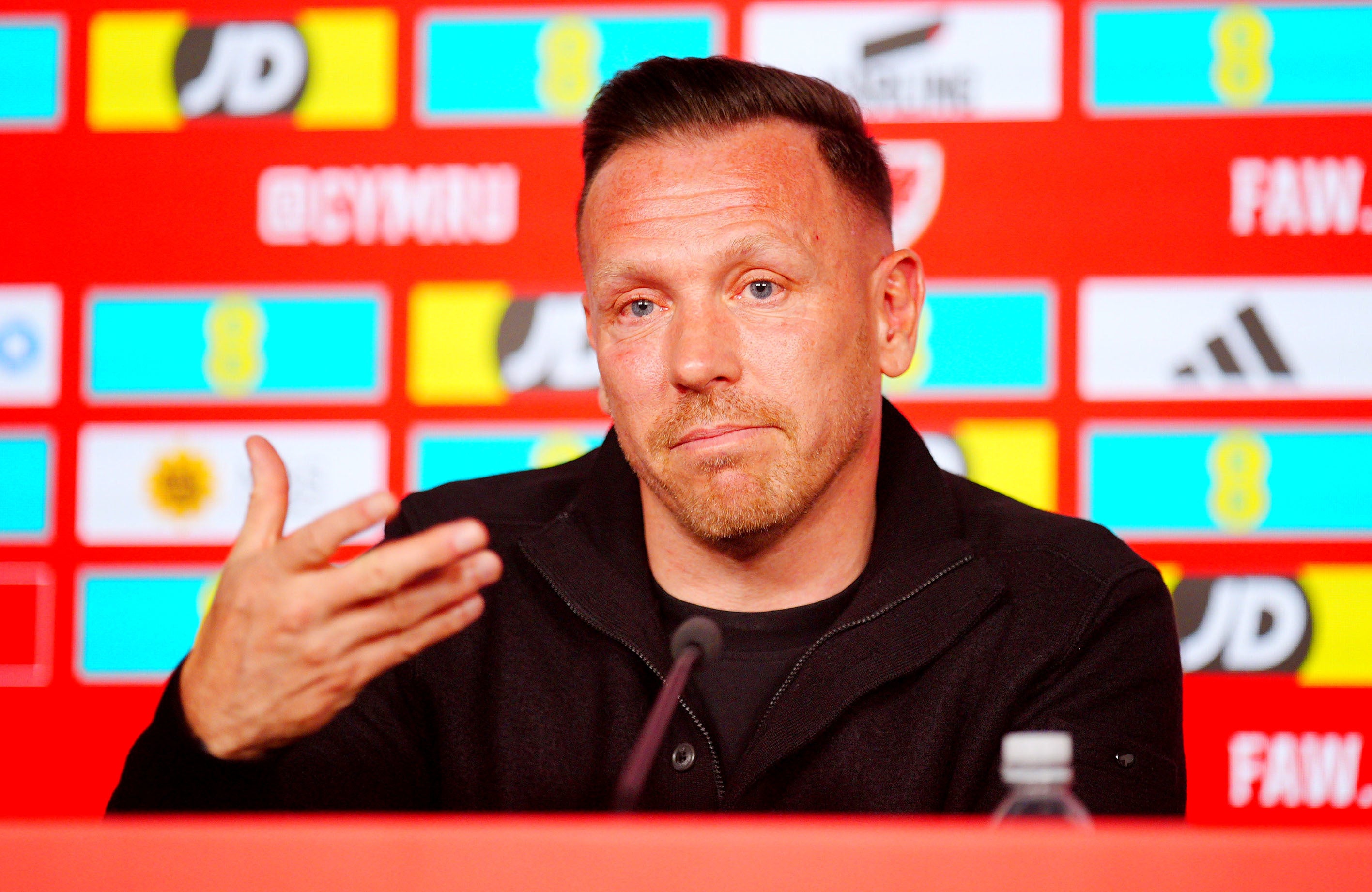
Will Wales’ World Cup play-off go to extra time and penalties or semi-final second leg?

Published

on

Wales Online
Will Wales’ World Cup play-off go to extra time and penalties or semi-final second leg? | Wales Online