
News Beat
Analysis of York council Heworth by-election ahead of poll

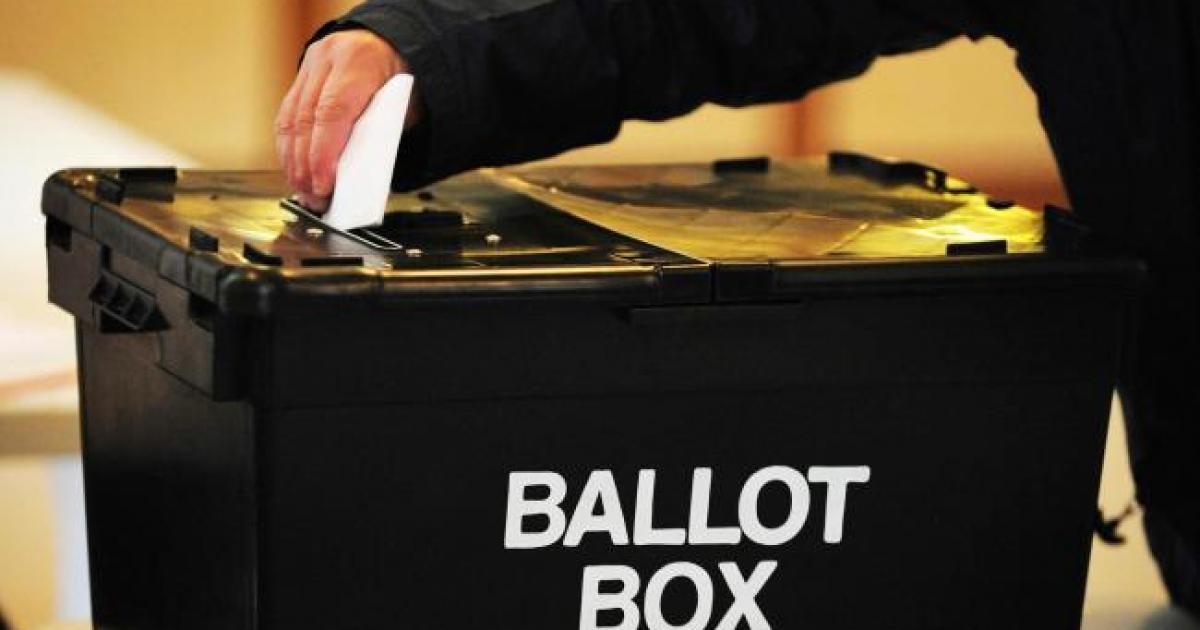
The outcome of Thursday, January 15’s by-election will be felt beyond the York suburb.
Its result will decide whether the ruling Labour group keeps its majority of one on City of York Council or the political make-up of the authority passes into no overall control.
The poll will also serve as a bellwether, indicating which way the political winds are blowing in York around a year and a half after Labour took power nationally.
And it is taking place on the home turf of the council’s Labour leader, Cllr Claire Douglas, and education spokesperson, Cllr Bob Webb, over half-way into the administration’s term.
Six candidates are vying for the seat, one for Labour, the Liberal Democrats, Conservatives, Greens, Reform UK and an independent.
They are:
- Anna Perrett, Labour.
- Ben Ffrench, Green.
- Emma Dolben, Conservative.
- Emma Hardy, independent.
- Ian Eiloart, Liberal Democrats.
- John Crispin-Bailey, Reform.
Labour currently has 24 seats on the 47-seat council, with the opposition Liberal Democrats on 19, the Conservatives three, with one held by an independent.
RECOMMENDED READING:
The councillors, along with Labour incumbent Ben Burton whose departure triggered the by-election, held the ward for the party in the last all-out council poll in 2023.
The three councillors together won 5,906 votes, with each getting between around 65.7 and 75.6 per cent of the 8,528 overall ballots cast.
Green candidates Erin Dyson, Sabine Janssen-Havercroft and Andy Wilson won the second-highest combined total with 1,141 while Conservatives Susan Vaughan and Robert James together received 849.
Liberal Democrats Jonathan Morley, Samantha Phoenix and Ian Murphy won 632 combined.
The turnout in 2023 was 31.7 per cent.
Turnout will be key in Thursday’s poll, with parties fighting to get their vote out for a poll taking place outside the normal election cycle and in mid-January.
They will have more than the winter weather to contend with after low turn-outs were recorded in 2024’s general election and local and mayoral elections held elsewhere last year.
An Electoral Commission report on last year’s polls stated the combined turnout of 34 per cent, while not unusual, followed a decades’ long downward trend.

Based on the results of the last City of York Council election in 2023, Labour would go into Thursday’s vote with a cushion for any losses.
But that was two years ago, with the 2023 poll taking place at the tail end of the Conservatives’ time in power nationally.
Results for Rachael Maskell’s York Central seat in the general election already showed signs that the Greens and Reform were beginning to make headway and in roads in the city.
Ms Maskell comfortably held the seat, winning 24,537 votes, but her total was down on the 27,312 she got in 2019.
The Conservatives went from 13,767 to 5,383, coming narrowly ahead of the Greens with 5,185 and Reform on 4,721, with the Liberal Democrats getting 3,051.
But a year-and-a-half on, Labour has faced the trials of governing while Reform UK is ascendant and polls also show a rise in support for the Greens.
National opinion polls released in January from YouGov, Freshwater Strategy, Opinium, Find Out Now and More In Common put Reform on between 24 and 33 per cent.
Labour was polling between 15 and 20 per cent, the Conservatives between 18 and 23, the Liberal Democrats between 10 and 17 per cent, the same as the Greens.
Analysis from Election Maps UK of council by-elections in England since May showed Reform won 58 seats, the Liberal Democrats 19 and the Greens two.
Meanwhile, Labour lost 44 and the Conservatives were down 23.
Thursday’s poll could see Reform make a breakthrough, but the crowded field makes forecasting difficult.
As the largest parties on the council, Labour or the Liberal Democrats could benefit from familiarity among voters.
Meanwhile, the Greens’ candidates’ combined vote total in 2023 could be a foundation to build on.
An anti-Reform vote could also coalesce around one of the three parties.
Labour may benefit from a desire for stability among some concerned about the prospect of the council passing into no overall control.
But that could also work against them among those dissatisfied with the current administration.



