

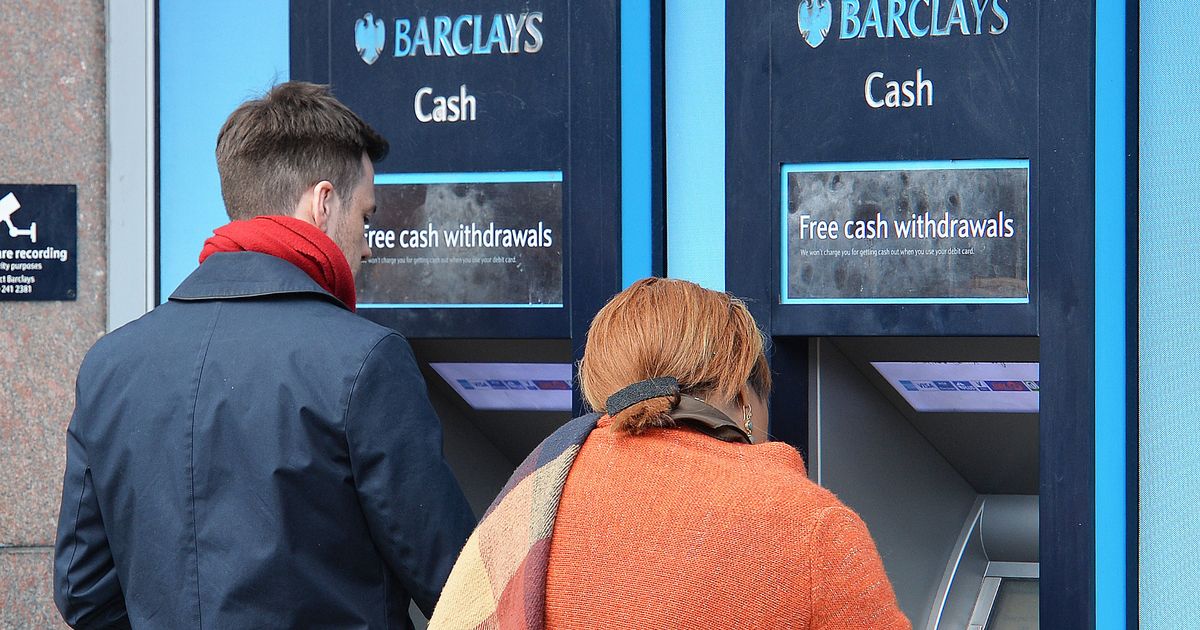
The bank has written to customers about the incoming changes
Anyone with a Barclays savings account has been given bad news with cuts announced – many arriving before the end of January 2026. The high street banking giant has been sending emails to customers, informing them of impending interest rate cuts.
In a move that will disappoint savers, the bank is slashing its interest rates, with the changes set to take effect soon. In an email to customers, it said: “We regularly review our savings interest rates and want to let you know that we’ll soon be reducing some of them.
“We’ve made this decision following recent changes to the Bank of England base rate and market conditions. This means you’ll earn less interest on the savings you hold with us.”
The Bank of England cut the base rate to 3.75% on 18 December.
The Barclays changes include (all figures gross):
Rainy Day saver
Down from 4.13% to 3.89% up to £5,000, remaining 0.95% after that. From after 10 March.
Blue Rewards
Down from 2.72% to 2.48% from after 25 January. Lower rate after withdrawals remains at 0.60%.
Reward saver
Down from 2.08% to 1.83%, lower rate remains 0.60%. From 26 January.
Everyday saver
Falling from 1.05% to 1% from after 10 March.
Children’s and help to buy rates are also falling.
The bank is telling customers: “A rate change could be a good time to check your savings and make sure they still meet your needs.”
In a similar move this week Natwest also announced savings account interest rate cuts.
The Natwest changes include:
- Digital Regular Saver Annual Equivalent Rate 5.50% going to 5.25%
- Flexible Saver £1 – £24,999 1.06% to 1%
- Savings Builder £1 – £10,000 1.50% to 1.25%
- Help to Buy ISA (Tax-free) 1.85% to 1.60%
- First Saver 1.85% to 1.60%
- Adapt Account 1.85% to 1.60%
For more details on all the changes, click here.
This decision follows December’s interest rate reductions, which saw rates drop to their lowest in nearly three years. While Budget measures are expected to exert downward pressure on inflation, the Bank of England warned that further cuts will be a “closer call”.
The Bank’s Monetary Policy Committee (MPC) voted to lower rates from 4% to 3.75%. Governor Andrew Bailey noted that the UK has “passed the recent peak in inflation and it has continued to fall”, enabling the MPC to cut borrowing costs for the fourth time this year.
“We still think rates are on a gradual path downward,” he added. “But with every cut we make, how much further we go becomes a closer call.”
The shift comes as a savings expert suggests that individuals need to be proactive and look beyond high street banks such as Natwest, Barclays, Nationwide, and Santander.
Matthew Jenkin from the consumer group Which? highlighted that people often fall into ‘traps’ that can cost them significantly.
Mr Jenkin pointed out that those who deposit £10,000, for instance, in a high street instant access account could lose out by hundreds of pounds. He stated: “One of the biggest mistakes you can make when looking for the best home for your savings is limiting your search to the high street. The familiarity of a household name may feel safe, but breaking out of your comfort zone and choosing a smaller lesser-known provider could leave you better off.”
He said that smaller online operators frequently offer much more appealing rates and cited data from Moneyfacts showing the gap in rates is widest on instant-access products. Furthermore, he noted that the difference in interest could exceed £300 over a 12-month period for a sum of £10,000.
Mr Jenkin explained: “For example, if you invested £10,000 in a high street account paying 1.15% AER – the average high street rate – you could expect to earn £115 in interest over a year. But if that balance was invested in the top account for larger deposits you’d earn 4.48% AER and your annual interest income would increase to £448. That’s a difference of more than £300. If you’re nervous about saving with a bank or platform you’ve never heard of, there are some checks you can perform to ensure your money is protected.”
It’s crucial to verify whether the bank or platform is covered by the Financial Services Compensation Scheme (FSCS), as it safeguards up to £120,000 of a saver’s funds should the institution go under. He added that while challenger banks must adhere to the same rules and regulations as other banks, not all of them offer FSCS protection.



