

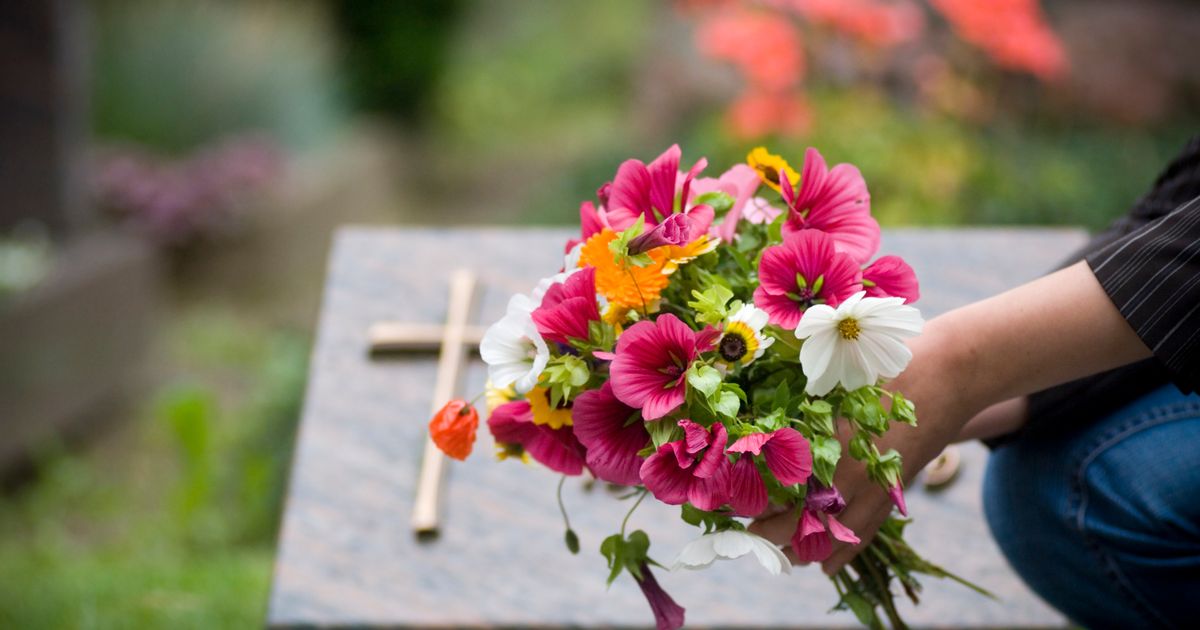
Natural burials can be less expensive than traditional burial due to avoiding extras such as embalming, elaborate coffins or even headstones
Belfast Council is to look at the feasibility of providing sustainable burial grounds, with a view to providing sites in the city for so-called green or “natural” burial.
Elected members at a Belfast City Council committee this week agreed for a paper to be produced looking at a motion forwarded by the Alliance Party’s Michael Long, looking at a possible introduction of green burials in woodland or meadow areas, or land beside cemeteries deemed unsuitable for traditional burials.
There are over 270 natural burial sites in England alone, with the first opening in Carlisle cemetery in 1993. They can be less expensive than traditional burial due to avoiding extras such as embalming, elaborate coffins or even headstones.
READ MORE: Council to look at expanding trading days at St George’s Market
READ MORE: DUP demands Irish language group is banned from Belfast City Hall over portrait damage
The City Hall motion states that the council “recognises the significant environmental impact of traditional burial and cremation practices, including high carbon emissions, chemical pollution, and long-term land use challenges, as highlighted in the All-Party Group on Climate Action’s briefing paper “Beyond Burial and Cremation”.”
It adds the council “acknowledges the growing public interest in more sustainable, dignified, and low-carbon alternatives to conventional practices – such as natural (green) burials, tree pod interment, and other emerging end-of-life methods.”
It states: “Natural burial, which involves the use of biodegradable materials, avoids embalming, and often takes place in woodland or meadow settings with minimal ongoing maintenance, has already been successfully implemented elsewhere as a simple and ecologically restorative option.”
The council agreed to “explore the feasibility of providing sustainable burial options within existing or new cemeteries, including the designation of natural burial grounds or woodland burial areas within our district.”
Elected members also asked officials to provide an update report on any “legislative, planning, infrastructural, or regulatory barriers that may impact the delivery of these sustainable end-of-life options locally.”
Alliance Councillor Hedley Abernethy told the People and Communities Committee at City Hall this week: “According to the Natural Burial Alliance UK, the ethos behind the natural burial, often called the woodland burial, is to return the body to the earth in a natural way.
“Traditional burial and cremation practices have environmental impacts from ongoing maintenance and chemical pollution from embalming processes. The cremation process also releases pollutants into the atmosphere.
“Natural burial, which involves the use of biodegradable coffins or shrouds, avoids embalming and often takes place in woodland or meadow settings, with menial ongoing maintenance required. Moreover natural burials have restorative benefits such as increasing biodiversity and carbon capture from the trees.
“Natural burial graves can be marked with natural stone, the trees will remain unmarked but identified by using GPS. It provides greater personal choice for individuals who want to leave a positive legacy, and is reflective of their own beliefs and values.
“Many people who have been passionate about the environment throughout their life, may wish to extend this legacy after death, and natural burials offer a way to do this.”
He said: “Natural burials offer potential emotional benefits for loved ones, knowing that the deceased is buried in a way that is authentic and respectful to them, and offers a beautiful setting for their remembrance.”
He added: “Natural burials are also a pragmatic approach in the context of increasing burial ground capacity issues experienced in the UK and globally. According to a national death charity, many local authorities are now setting aside parts of municipal sites including woodland areas. Natural burial could increase the working life of a cemetery by using marginal land not suitable for traditional burial, thereby potentially easing the pressure.”
The committee decision will go to the full council next month for ratification, where it is expected to pass.
For all the latest news, visit the Belfast Live homepage here and sign up to our daily newsletter



