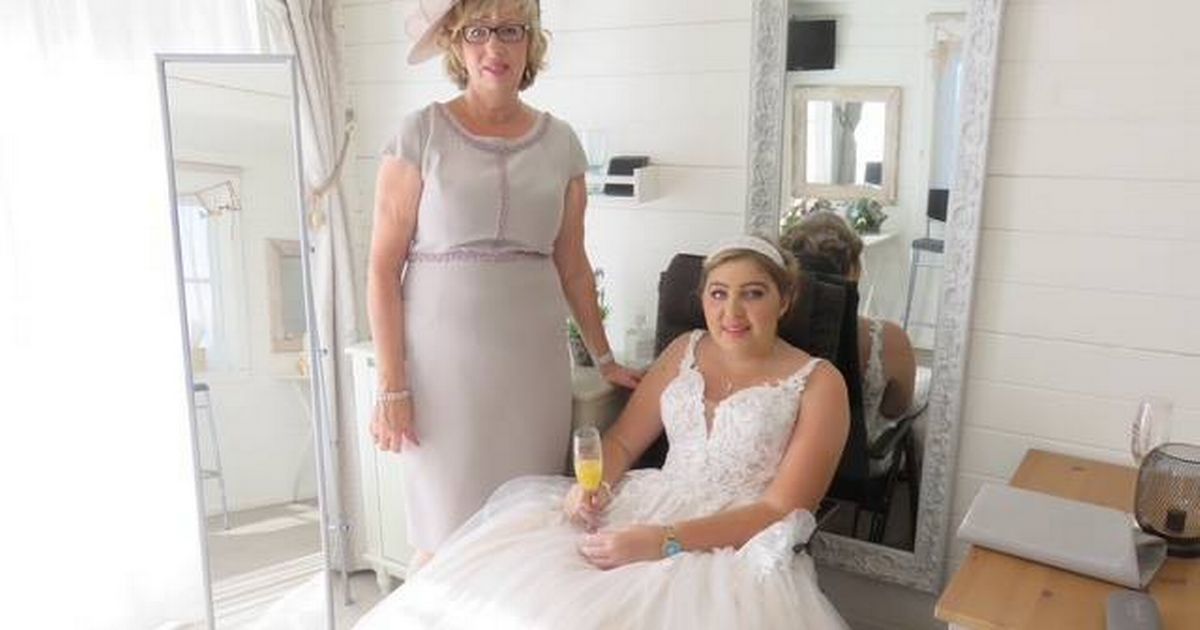
Natalie, 31, from Warwickshire died in November 2021 after battling a brain tumour since 2017, with her mum now supporting a new initiative to help other families
A mother has shared the heartbreaking story of her daughter’s death, which occurred just seven weeks after her wedding. Natalie was diagnosed with a brain tumour in 2017 and underwent intensive treatments including radiotherapy and chemotherapy.
Tragically, the 31 year old passed away in November 2021. Her grief-stricken mother, Liz Paul, is now supporting the introduction of a new system designed to match patients with clinical trials.
Liz witnessed her daughter, from Warwickshire, endure surgeries and even travel to Germany for treatment costing £56,000 per round. She expressed that locating medical trials that could have potentially aided her daughter was an immense challenge.
READ MORE: Family of dad who died in Colombia ‘living in hell’ after remains ‘buried without consent’
READ MORE: Meghan shares intimate footage of her and Harry filmed by Princess Lilibet
The mother has commended the launch of Access to Clinical Trials for Brain Tumours (ACT-BT), a project co-created and funded by The Brain Tumour Charity and hosted by the University of Leeds.
Liz stated: “Accessing clinical trials for Natalie was exceedingly difficult. Even just finding out what they are, despite your best efforts – you’re left trawling the internet for hours. You might find some trials, but then you have to work out if you are eligible. ACT-BT is a much-needed initiative for people with brain tumours.
“It will be a great resource for patients and their families, providing a more equitable route for accessing brain tumour clinical trials.”
ACT-BT is set to be up and running by late spring. At that point, consultants will have the ability to refer adults with primary brain tumours to the panel via a straightforward online form, reports Birmingham Live.
They’ll receive timely, individualised advice that they can discuss with the patient.The cases will be evaluated by a multi-disciplinary panel of 10 experts from across the UK who convene on a weekly basis.
Each member of the panel will be a lead researcher of a national study and will be equipped to provide precise information about the status of the study and recruitment criteria.Professor Susan Short, co-director of the Leeds Cancer Research Centre at the University of Leeds and ACT-BT lead, oversees a range of clinical studies for individuals with brain tumours.
Professor Short stated: “Our aim is to remove the barriers that stop patients taking part in clinical research. By improving access to trials, we can accelerate discovery and ensure that new treatments reach those who need them sooner.
“The Brain Tumour Charity is covering the costs of setting up and operating ACT-BT, including a coordinator role and the time of the members, for an initial eight-month pilot phase.Dr Michele Afif, Chief Executive at The Brain Tumour Charity, expressed: “We’re incredibly proud that The Brain Tumour Charity is funding this vital new initiative. Brain tumours remain the biggest cancer killer of people under 40.
“By enabling more patients across the UK to access brain tumour clinical trials, we hope to help scientists develop kinder, more effective treatments. This is key to giving individuals the best possible chance of living longer, better lives. “ACT-BT will collaborate closely with the international trial matching platform, myTomorrows, and other related initiatives in this field.”
This collaborative approach will help maximise clinical trial participation and build the case for more trials and resources. The Charity is also backing the Patient and Public Involvement and Engagement (PPIE) aspect of ACT-BT.
This is being supervised by brainstrust who will invite up to 10 patients and caregivers to share their perspectives at each stage of the panel’s development. Dr Helen Bulbeck, co-founder of brainstrust and a co-investigator of this project, stated: “Patient voices must be at the heart of improving access to clinical trials.
“Through our work with ACT-BT, we’re ensuring that people affected by brain tumours can shape this initiative from the ground up. By involving patients and caregivers at every stage, we can create a system that truly understands and addresses their needs, making clinical trial participation not just possible, but meaningful and supportive.”