

News Beat
Can Lewis Hamilton challenge for F1 title? Everything we know about 2026 Ferrari car

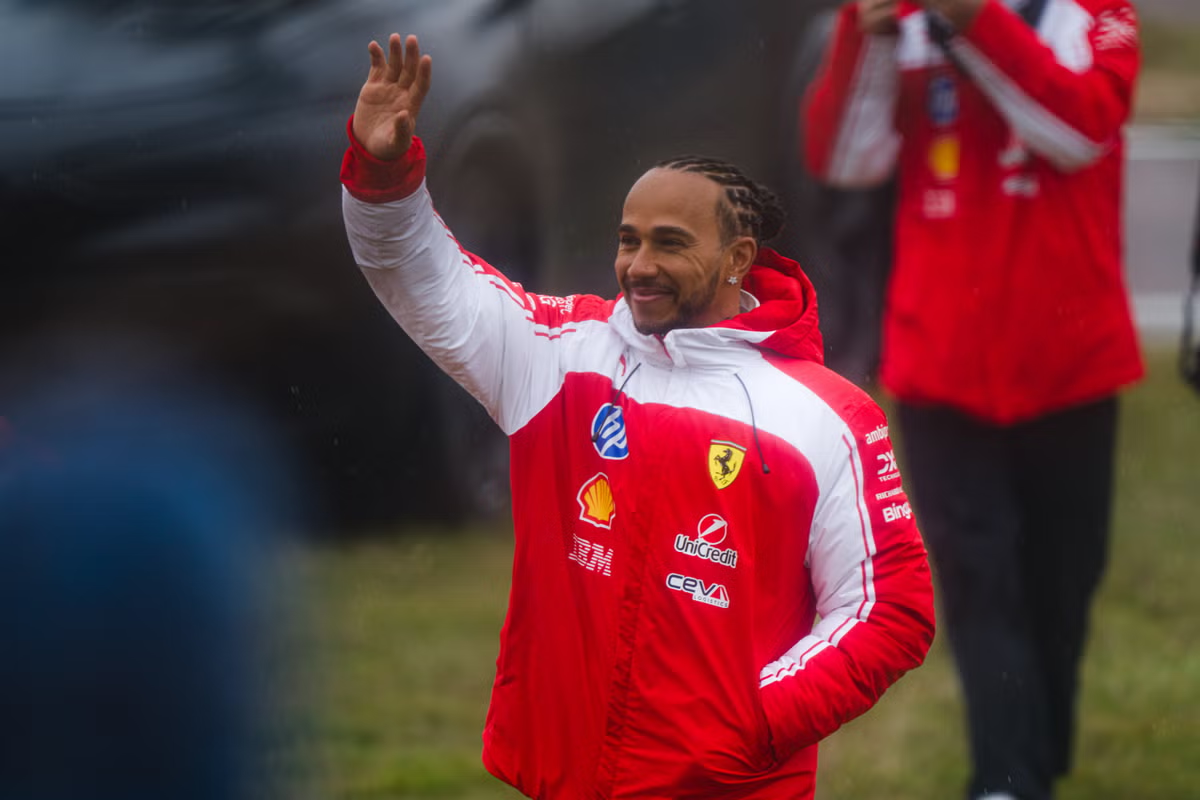
Heading into his 20th consecutive year in the sport, Lewis Hamilton has witnessed his fair share of regulation changes in Formula 1. The most recent, in 2022, saw the Briton’s era of domination at Mercedes abruptly end. As such, his move to Ferrari last year marked the start of a new chapter. Something fresh, decked in red.
Yet even Hamilton has acknowledged, as pre-season testing gets underway this week in Barcelona, that this year’s regulation shake-up is the biggest he has ever seen. For all 11 teams, the sense of the unknown is palpable as they gather data and crunch the numbers ahead of the first race in Australia on 8 March.
Hamilton endured a chastening first year with Ferrari. No wins, no podiums (for the first time in 19 F1 seasons) and, by the end, a figure of utter demoralisation both on the track and in the media pen. The 41-year-old, in what was billed as the sweetest of transfers to F1’s most fabled team, suitably labelled 2025 his “worst season ever.”
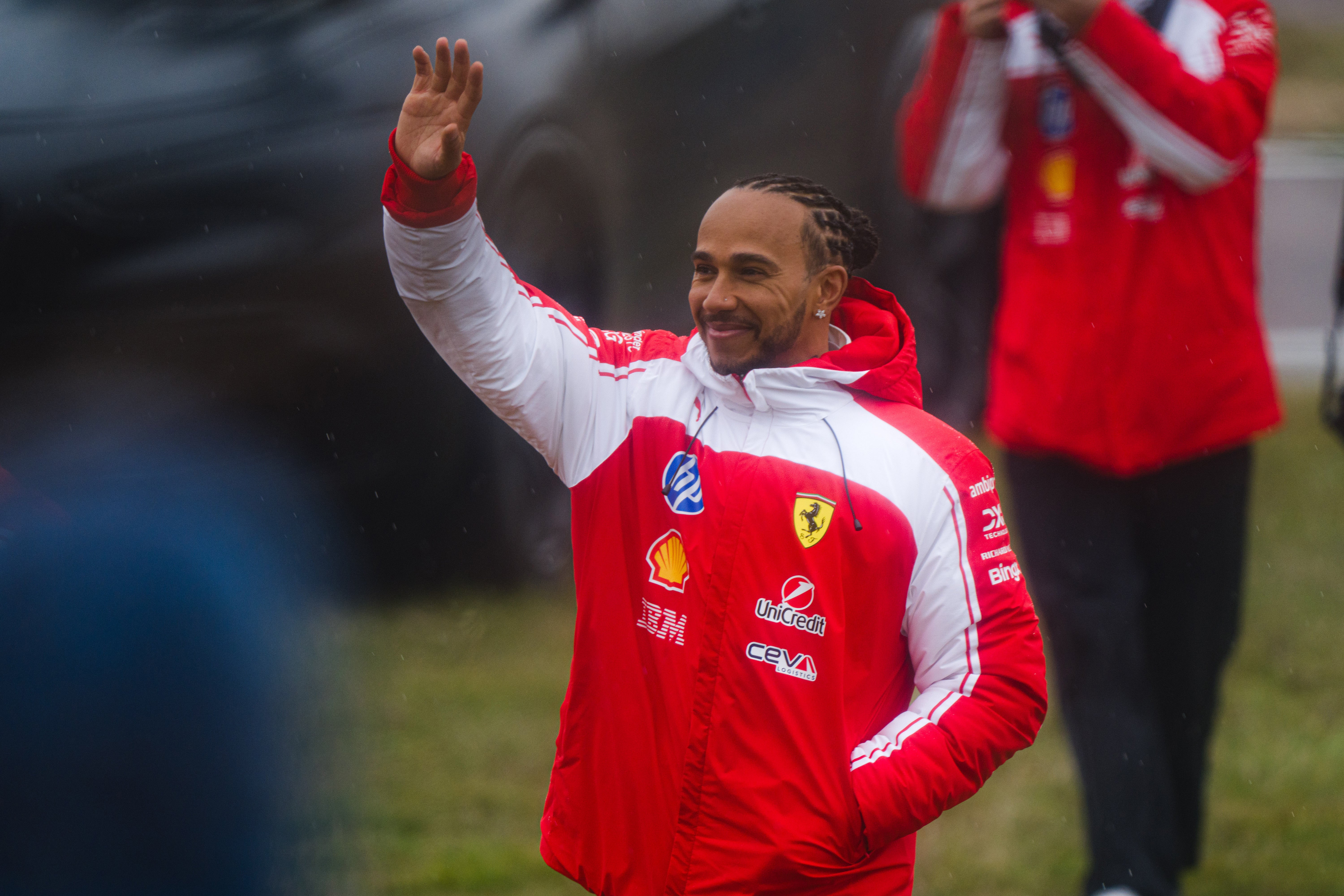
But the only way is up, right? It’s a clean slate for all the teams and, after a campaign to forget, Ferrari will be desperate to be right back up the top of the leaderboard, challenging for race victories and, ultimately, world championships.
But at this early stage, are Ferrari well-placed to launch a title challenge?
What are the initial impressions of the Ferrari car?
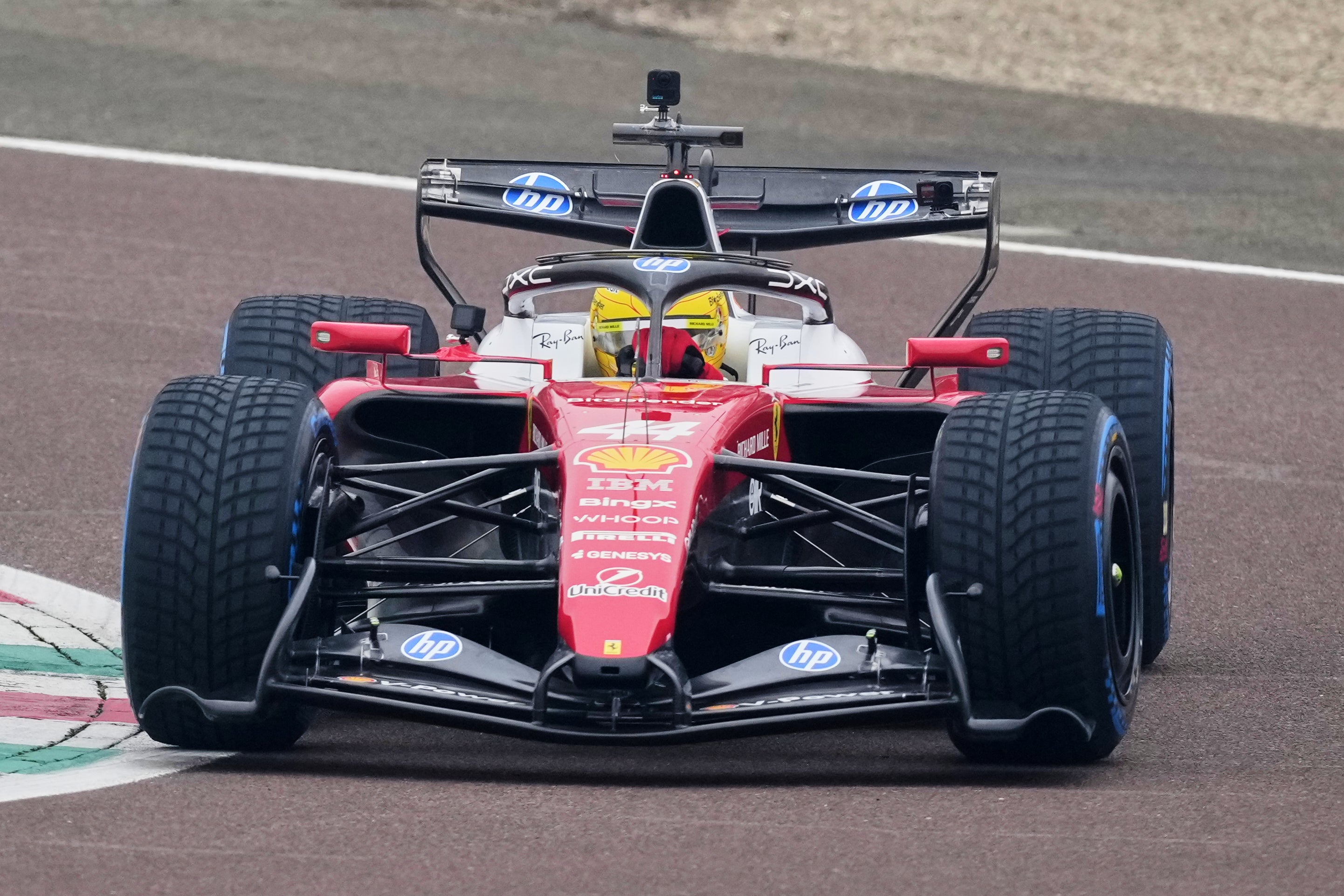
Ferrari’s SF-26 car, when unveiled to the world last Friday, caught the eye for the splash of white around the cockpit, surrounded by a brighter shade of red than in recent years.
Yet from a technical standpoint, there were immediate elements to note. Ferrari have adopted a new pushrod front suspension, aligned to that of Red Bull and Mercedes, whereas last year the Scuderia was all pullrod at the front. By contrast, Alpine and Cadillac have opted for a pullrod at the front this year.
Ferrari have opted for a pushrod front to try and minimise the disruption of air lower down the car, while they have also switched from pullrod to pushrod at the rear – the first time since 2011 that Ferrari will use a pushrod rear suspension configuration.
The adaptable front wing, and the opening and closing of the flaps as part of the new “active aero” system, will be the most visible change to the cars early on this season. During Hamilton’s three laps around the Fiorano circuit last week, the 41-year-old was trialling the “active aero”, which gives drivers more control over where they open and close the wings.
In describing the SF-26, Ferrari said the car has “cleaner lines and an overall philosophy focused on reducing weight and improving efficiency.”
Ferrari’s technical director Loic Serra, who joined last year from Mercedes, added: “We dedicated significant time to the concept phase to capture as much as possible of the new regulatory and technical context.
“We also had to ensure that the car’s architecture would allow us enough flexibility for in-season development.”
How these changes impact performance, compared to the other 10 teams on the grid, will be deciphered over the coming weeks.
What has Hamilton said?
Despite social media images depicting an early breakdown for Hamilton in Fiorano – quickly dismissed by the team as a planned starting grid procedure – Ferrari’s early running appears to have started with no clear issues to note.
“I mean, it could be so much worse, [with] such a big regulation change,” Hamilton said on Tuesday, perhaps referring to Williams’s absence from testing this week or Aston Martin’s delayed start.
“So to get through the day… there were no major issues, it’s just small little increments that we’re trying to improve on. I think it’s great. We just need to try and get some more days like this.”
Hamilton enjoyed the most prolific spell of his career at Mercedes during F1’s major regulation change to hybrid engines in 2014, winning six of the next seven world championships. As such, he is well placed to advise those behind the scenes at Ferrari over the coming weeks.
“The 2026 season represents a huge challenge for everyone, probably the biggest regulation change I have experienced in my career,” he added. “When a new era begins, everything revolves around development, growth as a team, and moving forward in the same direction.
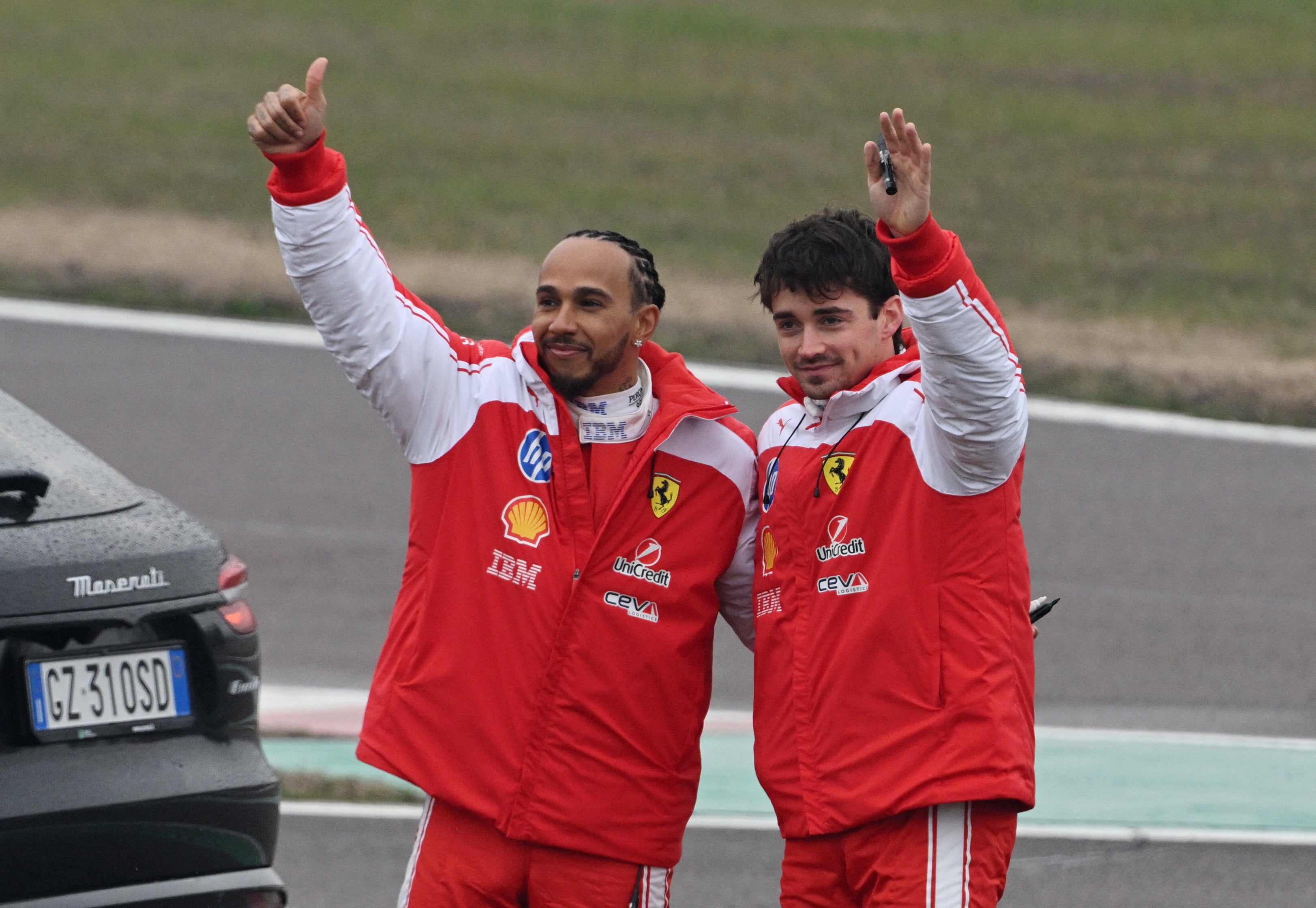
“As a driver, being involved from the very start in the development of such a different car has been a particularly fascinating challenge, working closely with the engineers to help define a clear direction for it.
“It will be an extremely important year from a technical perspective, with the driver playing a central role in energy management, understanding the new systems and contributing to the car’s development.”
“It is a challenge we face together as a team, supported by the extraordinary passion of Ferrari’s tifosi, which means so much to all of us.”
What about his engineer?
This is the big question mark swirling at the moment, so much so that Sky F1 pundit Karun Chandhok claimed “alarm bells should be ringing” at Ferrari.
Hamilton has made the call to change race engineers, with his fraught relationship with Riccardo Adami last year no secret.
There was speculation that his performance engineer Luca Diella was the favourite, especially given teammate Charles Leclerc followed a similar trajectory when changing race engineers a few years ago. But now it has emerged that McLaren’s Cedric Michel-Grosjean, formerly Oscar Piastri’s performance engineer, is the frontrunner.
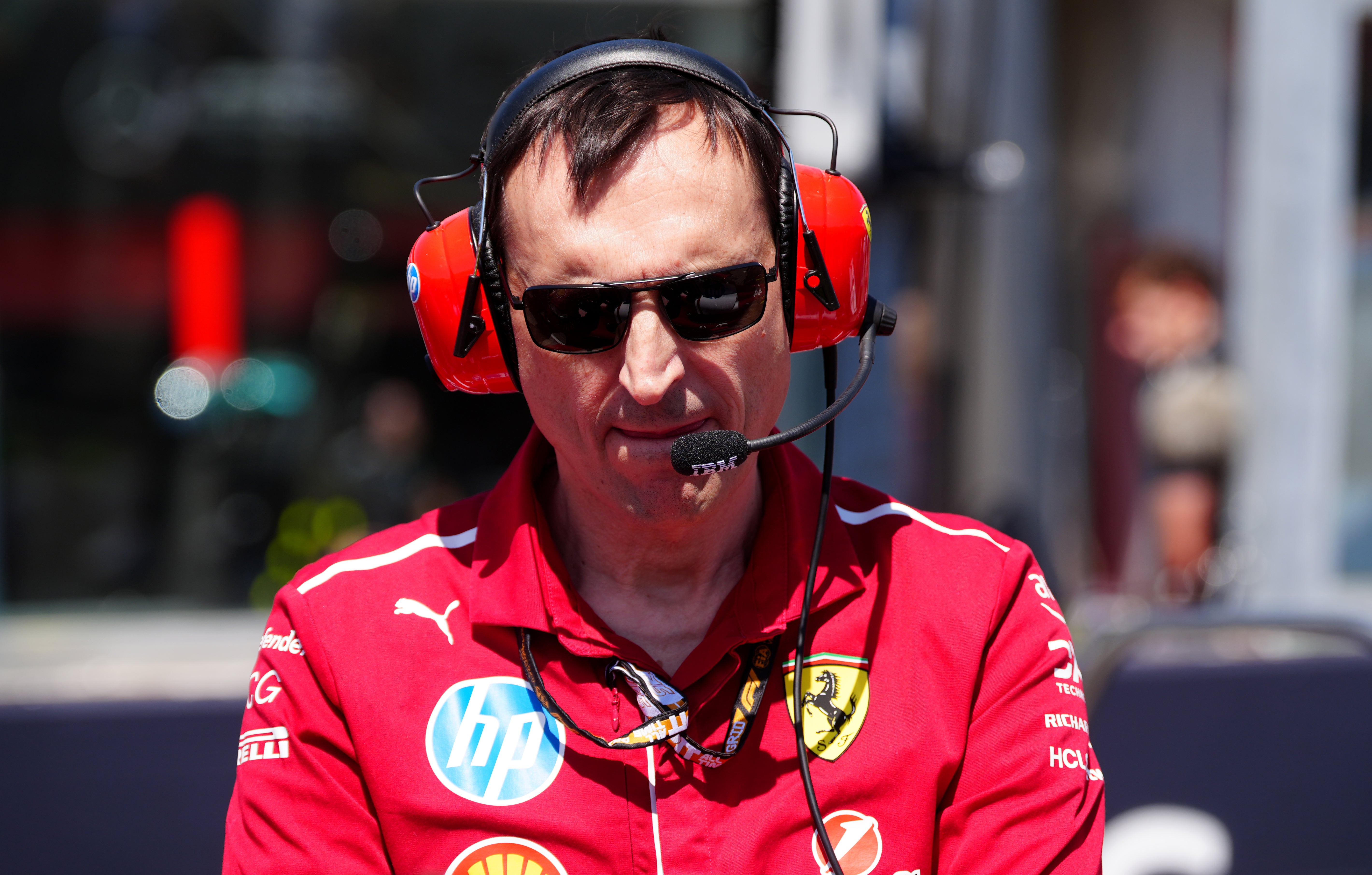
It would explain why Hamilton is yet to name his new ‘man-in-the-ear’. While an internal appointment could be announced immediately, Grosjean likely has gardening leave to serve at McLaren and so any arrival would be delayed.
For how long? It’s understood Hamilton’s engineer should be in place by the next pre-season test in Bahrain on 11-13 February. At worst, it’ll be by the first race in Melbourne.
Can Ferrari challenge for the world championship?
At this early stage of pre-season, it would simply be speculation to answer one way or the other.
The two three-day tests in Bahrain next month (11-13 February & 18-20 February) will give a more accurate assessment of the speed of all the teams, especially given that it will take place at temperatures which are closer to those of a typical grand prix weekend.
As it stands, Ferrari are in a solid position. There have been no major breakdowns with Cadillac, who are using their power unit, also running smoothly so far in Barcelona. That being said, Mercedes’s and Red Bull’s early mileage is something the Scuderia are yet to replicate.
Firm assessments from testing, however, are unwise. As usual, the first proper indication of competitiveness will be qualifying at the first race at Albert Park.



