News Beat
China imposes 13% tax on condoms as birth rate declines | World News

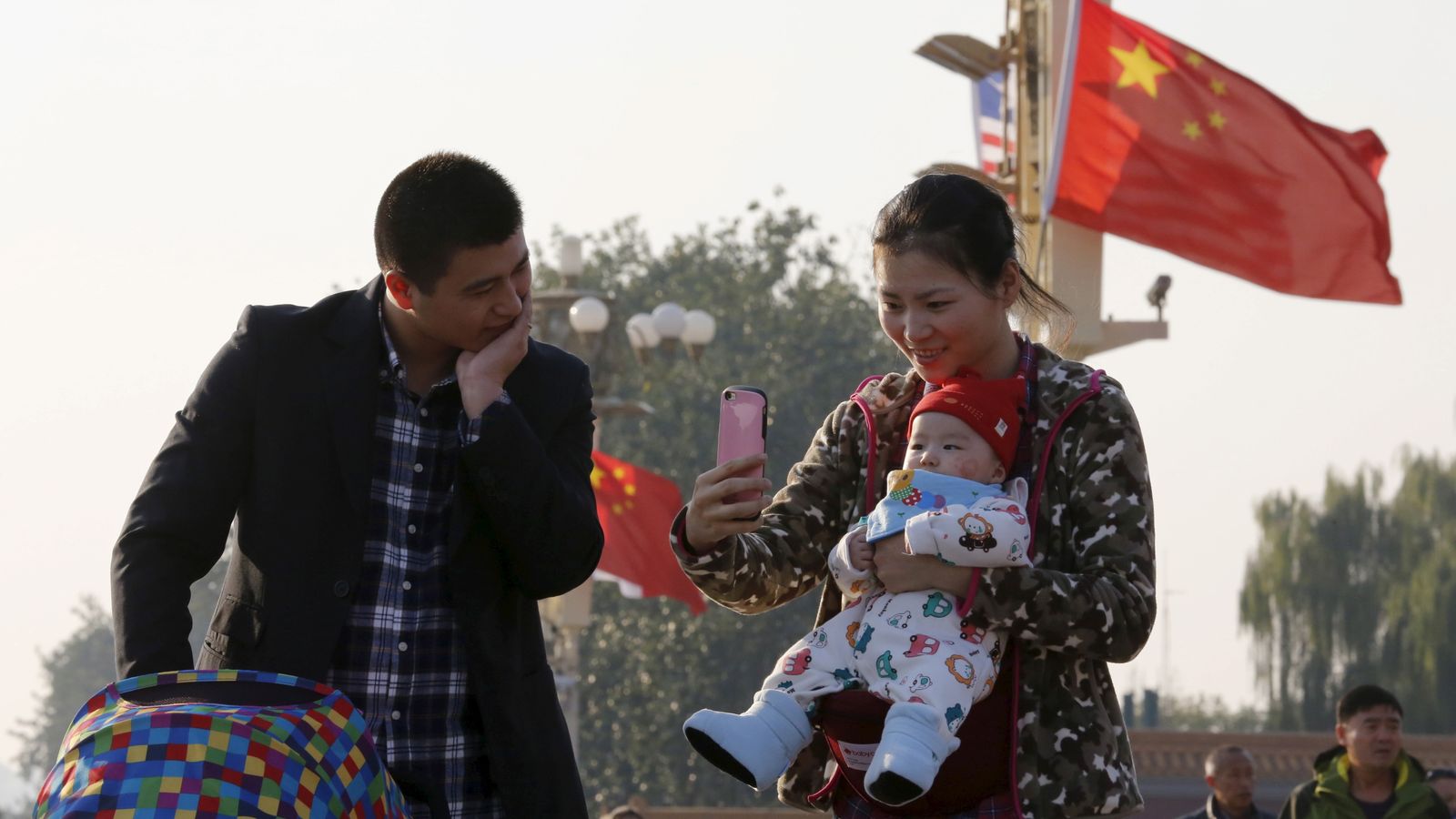
China is to tax contraception for the first time in more than three decades in a move aligned with efforts to get more families to have children.
Contraceptive drugs and products such as condoms will no longer be exempt from China’s 13% value added tax from January 1, the country’s newest tax laws have revealed.
The move comes as the country’s birth rate declines. In 2024, 9.5 million babies were born in China, about one-third fewer than the 14.7 million born in 2019, according to the National Bureau of Statistics.
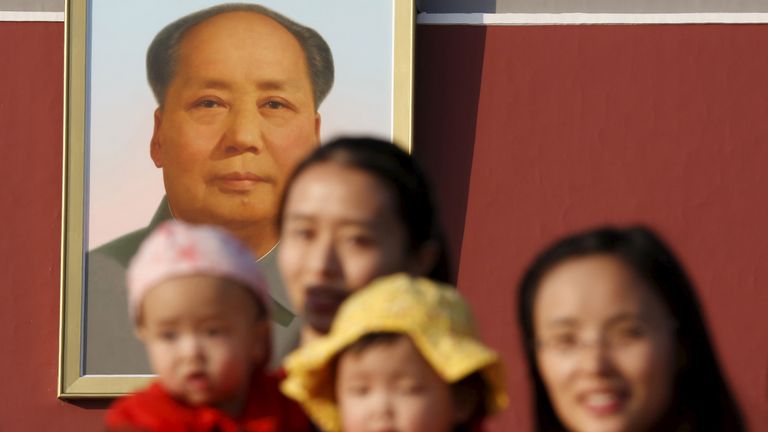
China has moved on from the decades when it used a one child policy in an attempt to curb a massive population boom. Pic: Reuters.
As deaths have outpaced births in China, India overtook it as the world’s most populous country in 2023.
But the tax change has been ridiculed on on Chinese social media by people who have joked that they would be fools not to know that raising a child is more expensive than using condoms, even if they are taxed.
“That’s a really ruthless move,” said Hu Lingling, mother of a 5-year-old who said she is determined not to have another child. She said she would “lead the way in abstinence” as a rebel.
“It is also hilarious, especially compared to forced abortions during the family planning era,” she said.
More seriously, experts are raising concerns over potential increases in unplanned pregnancies and sexually transmitted diseases due to higher costs for contraceptives.
Read more:
China’s population falls for the first time in 60 years
China’s demographic sparks fears for retirement
In previous decades China’s huge population growth prompted the ruling Communist Party to ban couples from having more than one child in a rule that enforced from about 1980 until 2015, through fines and other penalties.
In some cases women underwent forced abortions and children born over the one child limit were deprived of an identification number, effectively making them non-citizens.
The government raised the birth limit to two children in 2015. Then, as China’s population began to peak and then fall, it was lifted to three children in 2021. Contraception has previously been actively encouraged and easily accessed, sometimes for free.
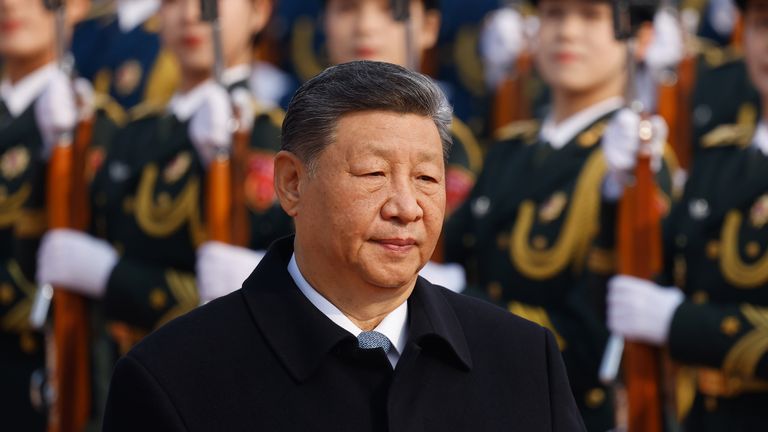
The limit was lifted to three children in 2021 under President Xi Jinping. Pic: AP
Director of the University of Virginia’s Demographics Research Group, Qian Cai said: “Higher prices may reduce access to contraceptives among economically disadvantaged populations, potentially leading to increases in unintended pregnancies and sexually transmitted infections. Those outcomes could, in turn, lead to more abortions and higher health-care costs.”
She also said the new taxes would have a “very limited” effect on reproductive decisions.
“For couples who do not want children or do not want additional children, a 13% tax on contraceptives is unlikely to influence their reproductive decisions, especially when weighed against the far higher costs of raising a child,” she said.
But University of Wisconsin-Madison senior scientist Yi Fuxian said imposing the tax was “only logical”.
“They used to control the population, but now they are encouraging people to have more babies; it is a return to normal methods to make these products ordinary commodities,” he said.