
News Beat
Christmas milestone for Yorkshire Cancer Research volunteer

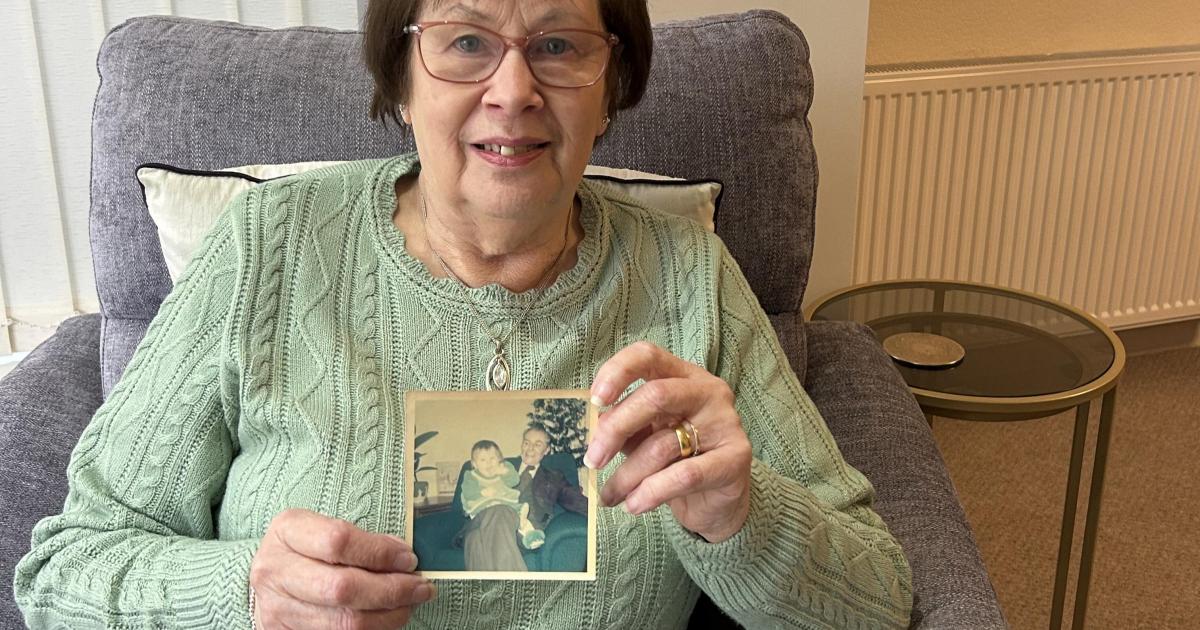
Margaret Stevens, from Great Ayton, has spent nearly 50 years raising money for cancer research in Yorkshire, driven by the death of her father, Len, who died from prostate cancer in the 1970s.
She joined the Great Ayton volunteer group for Yorkshire Cancer Research in 1977, a year after his death, and now serves as its chair.
Mrs Stevens said: “I was 29 and had three young children when my father was diagnosed.
“He hadn’t been very well for a while, but being a stoic gentleman, he never complained.
“He went to the doctor quietly, without telling my mother or me.
“It wasn’t until he came home after a hospital appointment that I realised something was very wrong.”

Her father’s death not only shaped her outlook but also set her on a path to help others avoid the same pain.
She said: “I didn’t know what treatment my father had, or if the cancer had spread to other parts of his body.
“He felt it was best to keep everything hidden as he didn’t want to worry us.
“It was so hard trying to explain to my children why their grandad wasn’t playing with them anymore.”
At just 56, her father died, leaving a lasting absence in the family.

Mrs Stevens said: “I remember coming home from a family holiday in August knowing he was very ill but never imagining it would be our last.
“He passed away just over a year later, in the September.
“The loss had a lasting impact on our whole family.”
Channelling her grief into action, she became a dedicated member of the Great Ayton volunteer group, the longest-running in Yorkshire.
The group has raised more than £1.1 million since 1948 for cancer research in the region.
She said: “Thinking about my own father’s experience with prostate cancer, I felt incredibly proud to be part of a charity funding researchers like Professor Maitland and Professor Milner, who were making huge discoveries that would change lives here in Yorkshire.”
Their work included genetic research that advanced the understanding and treatment of prostate and cervical cancers.
Mrs Stevens said: “They both spoke to us in a way we could understand, giving all of us hope and reassurance that progress was being made.”

She has witnessed the transformative effect of cancer research within her own circle of friends.
Her late friend Anne, a fellow supporter of the charity, was among the first to receive robotic surgery for bladder cancer.
Mrs Stevens said: “I remember the phone call between Anne and her surgeon so clearly.
“He explained that he could offer a new type of robotic surgery that would be less invasive and allow for a quicker recovery.
“I encouraged her to go for it, and I’m so glad she did.”
Anne was able to return home just three weeks later and spent more precious time with Mrs Stevens, extending their 50-year friendship.
Mrs Stevens said: “This new type of surgery meant I was able to bring Anne home shortly after and for a long while, she was much better.
“Seeing first-hand how new innovations could benefit those closest to me reminded me why I was supporting the work of Yorkshire Cancer Research.
“The most important benefit of any cancer breakthrough is the extra time it gives someone, and the more chances to make memories with loved ones.”
This year, as the charity marks its 100th anniversary, she is backing the For More Christmases Together appeal, which reminds families that research can mean more time with loved ones.
Yorkshire Cancer Research estimates that over 2,600 people in Yorkshire are told they have cancer every month.
Mrs Stevens said: “If he was being diagnosed today, it would be different.
“We would have had many more Christmases together.”



