

A planning inspector said the lack of information about the potential impact of the development on bats in the area meant they could not approve the plans.
An ‘at risk’ tennis club has lost an appeal to build a new base after concerns were raised about the lack of information on the potential impact to bats. Bats are protected and the impact of proposed developments on the species need to be considered at the planning stage.
A planning inspector said the lack of a bat survey and an assessment of the impact of lighting on the surrounding area meant they could not support the tennis club’s plans.
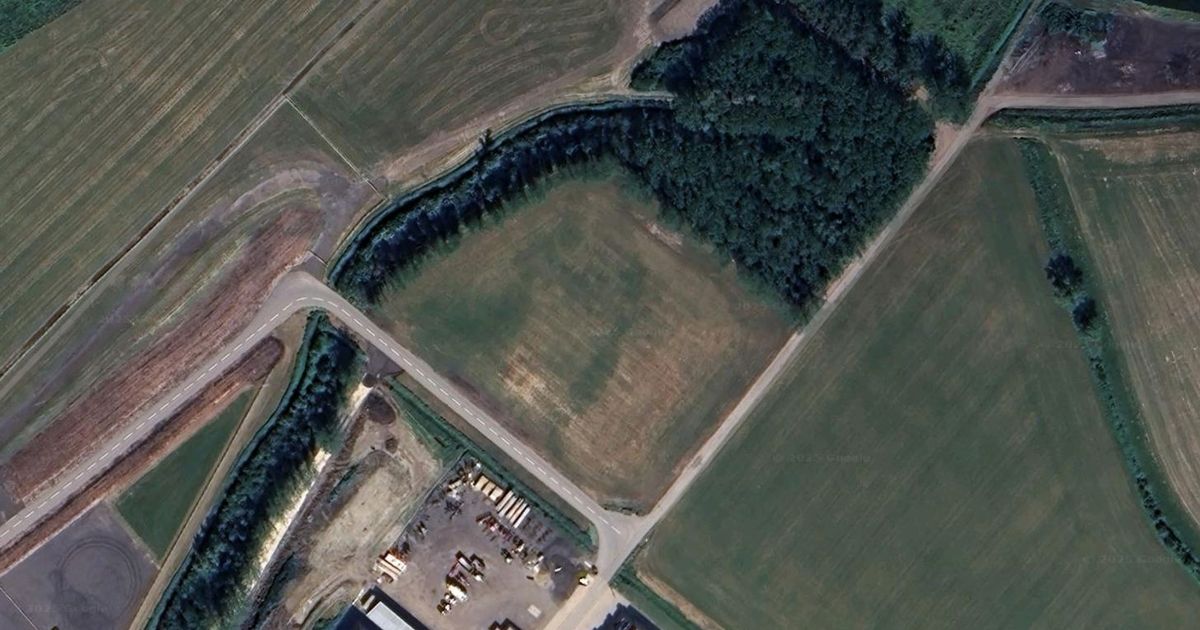
Proposals had been put forward to build four new tennis courts and a clubhouse on land off Soham Road in Stuntney. The application was submitted to East Cambridgeshire District Council by One Love Tennis Community Interest Company, which was funding the project on behalf of 10is Academy.
Representatives of the academy told councillors last year that the tennis club’s future was at risk without the new tennis courts. They explained that the academy had been renting courts at King’s Ely, but said they only had “limited court access” and had been told their use of the courts would be coming to an end.
Councillors voiced support for the aims of the academy, but ultimately agreed that they could not approve the proposed development and refused the application “with a very heavy heart”.
An appeal against this decision was lodged with the planning inspectorate to try and overturn this decision. However, the planning inspector dismissed the appeal, highlighting concerns about the lack of information about the potential impact on bats.
The inspector’s report said it was not known whether there are bats in the area, due to the lack of any survey being submitted with the planning application.
However, it said the district council had argued that the surrounding area made it an “ideal location for bats” and that they may roost in nearby trees and forage on the proposed development site itself.
The report said the developer had highlighted the distance between the proposed floodlights and the rural hedgerow, and that the lighting would adhere to the Institution of Lighting Professionals standards.
However, the inspector said the lack of a detailed lighting assessment showing the levels of light spillage from the proposed floodlights meant it was “unclear” what the impact would be on the nearby hedgerow and woodland.
The report said the developer suggested a planning condition could be applied requiring a bat survey and detailed lighting assessment to be undertaken. However, the inspector said that due to the likelihood of bats using the nearby vegetation they did not think it would be appropriate for a bat survey to only be conducted after a decision was made.
They said: “I can only conclude that there is insufficient information to adequately demonstrate that the proposed development would not cause harm to a protected species (bats). The proposal would therefore conflict with the protected species aims within [local plan policy].”
The inspector accepted that there are no suitable and available alternative sites within the area where the proposal could be built instead, adding that the site would be a “suitable location for the proposal”
The inspector said there would be a “moderate level of harm” to the character and appearance of the area, but said this would be outweighed by the benefits of the development, highlighting in particular the social benefits.
“The inspector said the social benefits of the new tennis courts had “significant weight” in the planning balance, recognising that the academy had said without finding a new home it “would likely close down”.
However, the inspector said the benefits did not outweigh the concerns around the lack of information about the potential impact on bats in the area. The report said: “I have concluded that there is insufficient information to adequately demonstrate that the proposed development would not cause harm to a protected species (bats).
“Given that bats are a European Protected Species protected under the habitat regulations, I attribute significant weight to this harm and consider it to be decisive. I therefore conclude that when taken together the benefits do not outweigh the collective harm that would arise from the development as a whole.”
For more planning notices in your area visit publicnoticeportal.uk .



