
News Beat
Cuba announces days of mourning following deaths of officers in US Venezuelan strike

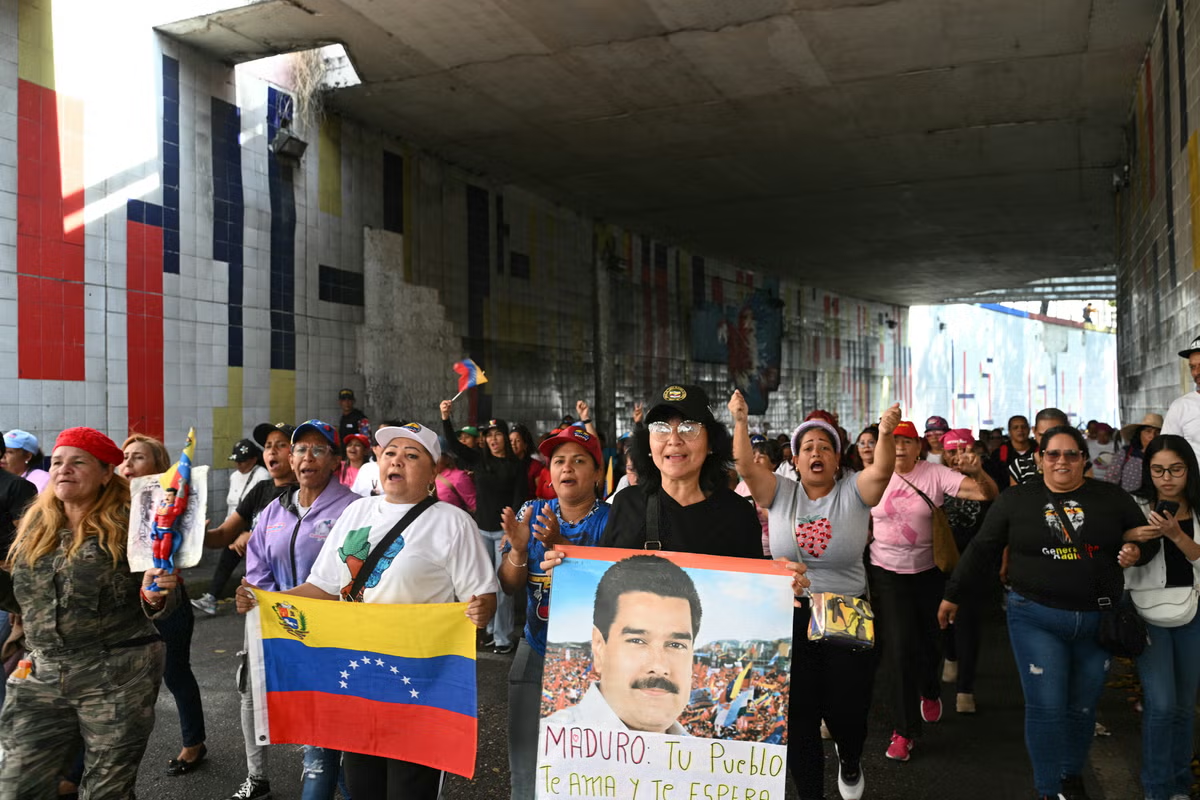
The Cuban government has declared two days of national mourning following the deaths of 32 military personnel during the capture of Venezuelan President Nicolás Maduro by US forces.
The announcement on Tuesday detailed the ranks and ages of those killed, who included colonels, lieutenants, majors, and captains, alongside some reserve soldiers, aged between 26 and 60.
The uniformed personnel were drawn from Cuba‘s primary security agencies, the Revolutionary Armed Forces and the Ministry of the Interior.
While Cuban state media published their details and headshots, showing them in olive-green military uniforms, the specific missions or exact circumstances of their deaths were not disclosed.
Cuban authorities had previously acknowledged the fatalities on Sunday, stating that their “compatriots fulfilled their duty with dignity and heroism, falling after fierce resistance in direct combat against the attackers, or as a result of the bombing of the facilities.”
Information regarding the Cuban officers began to emerge on Monday night, with public discourse in Cuba suggesting the deceased had died for a just cause.
However, Luis Domínguez, who operates the website Represores Cubanos – which exposes officials allegedly involved in human rights abuses – suggested that private sentiments might differ from official narratives.
“You have to say that to say the same thing as the government,” he remarked, adding, “Inside, Cubans have to be saying something else.”
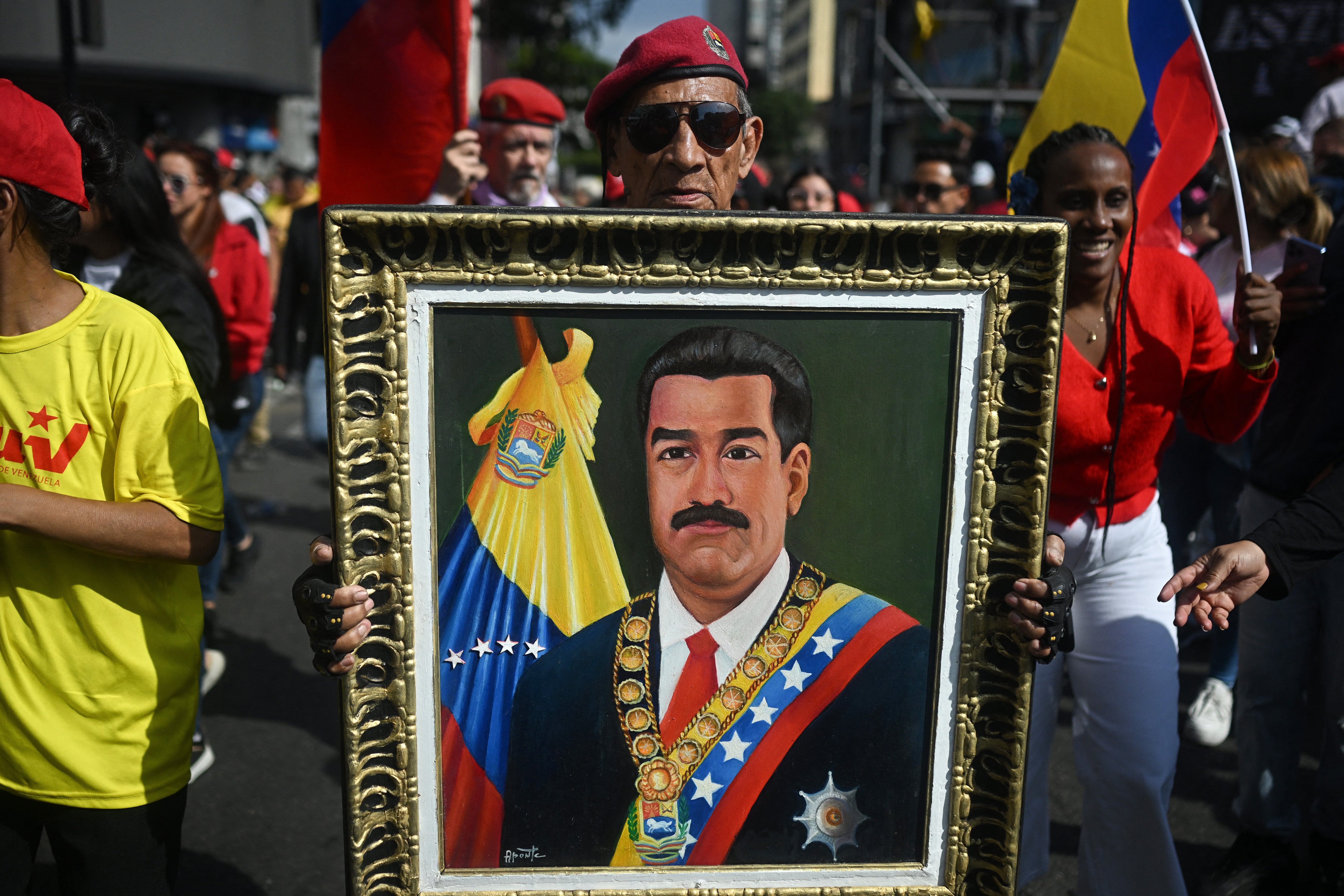
Domínguez identified two high-ranking officers among the dead: 67-year-old Col. Humberto Alfonso Roca Sánchez, believed to have been the garrison commander of Punto Cero, a former residence of Fidel Castro, and 62-year-old Col. Lázaro Evangelio Rodríguez Rodríguez, thought to have overseen Cuba’s coast and border guards.
Cuba and Venezuela maintain close economic and political ties, with agreements spanning security and energy, including the provision of subsidised oil to the island since 2000. The extent of their military or advisory exchanges, however, has rarely been made public. An independent website, La Joven Cuba, which offers a platform for opposition voices, published a profile of 1st Lt. Yunio Estévez, 32, a communications expert, who was reportedly shot during the attack. The post, written by a close friend and featuring images with his three children, was later removed at the family’s request.
The US strike in Venezuela prompted a special meeting of the Organization of American States (OAS) on Tuesday, which was interrupted by a protester. Medea Benjamin, co-founder of the US-based anti-war non-profit Code Pink, cried out, “The majority of people are against this! Hands off Venezuela!” She called for sanctions to be lifted before being escorted out by security. US Ambassador Leandro Rizzuto resumed his speech, acknowledging “many raw emotions” and describing the strike as a “targeted law enforcement action” against an “indicted criminal.” He clarified, “Let me be clear, the U.S. did not invade Venezuela.” Rizzuto stated that President Trump had “offered Maduro multiple offramps,” asserting that the action was “not an interference in democracy…it actually removed the obstacle to it.”
Rizzuto articulated the US desire for a “better and democratic future for Venezuela,” criticising the control of the world’s largest oil reserves by “adversaries of the Western Hemisphere” while Venezuelans suffer from a lack of electricity and a substandard quality of life. He claimed profits were “stolen by a handful of oligarchs around the world, including those inside of Venezuela.” The ambassador also called for the release of an estimated 1,000 political prisoners, supporting the Inter-American Commission on Human Rights’ request to visit detention centres. Following Rizzuto’s address, Peruvian Ambassador Rodolfo Coronado requested a minute of silence for the victims of Maduro’s regime. During the meeting, several countries strongly condemned the US strike, with Colombia’s vice minister of foreign relations, Mauricio Jaramillo, denouncing it as an attack against Venezuela’s sovereignty and a “clear violation of international law” setting “an extremely worrying” precedent. Outside the OAS meeting, a dozen protesters gathered with signs reading, “No war on Venezuela” and “Arepas Not Bombs.”



