
News Beat
Doctor issues warning to millions drinking Bailey’s this Christmas

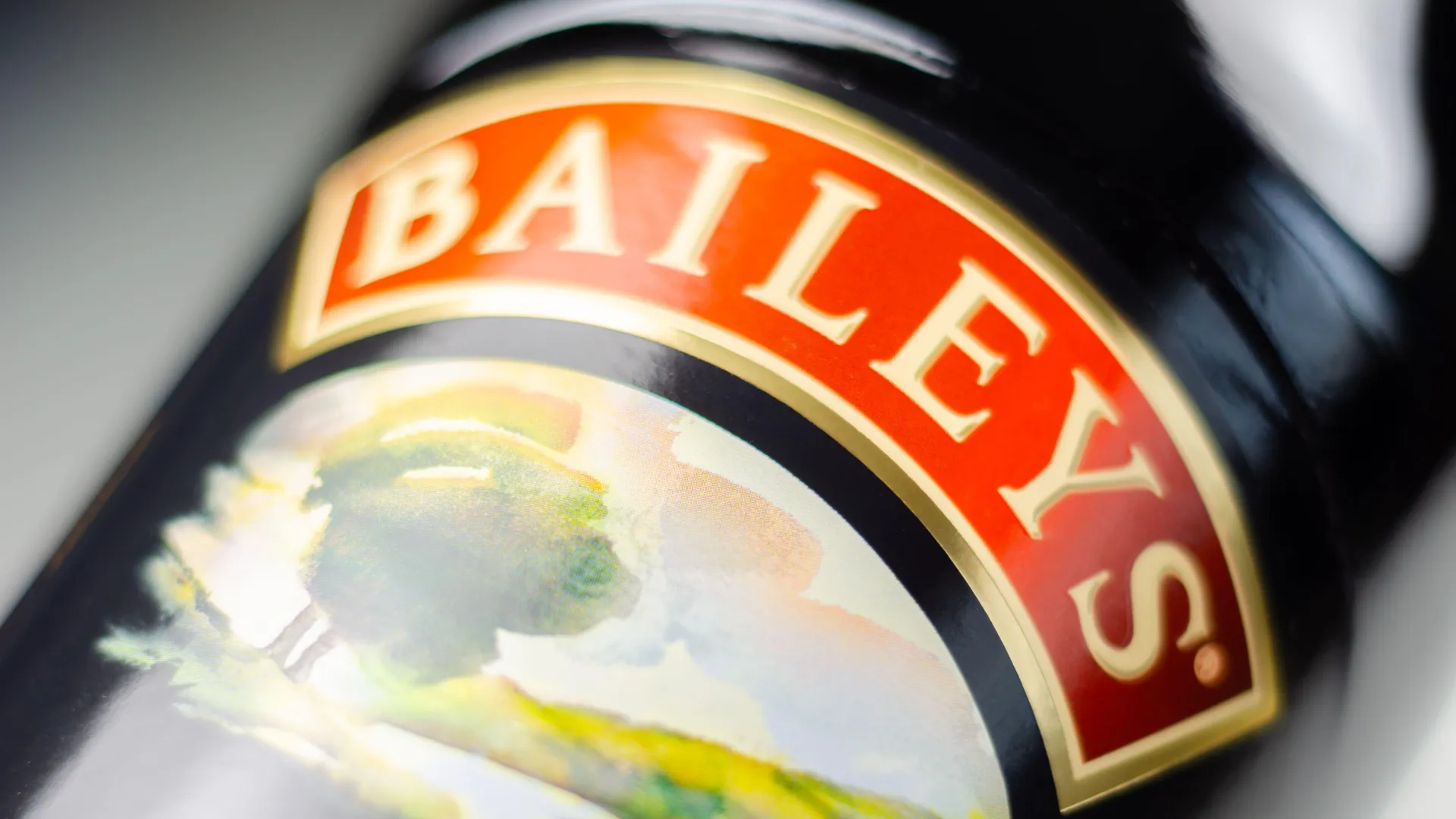
BAILEY’S and Christmas go hand in hand, and for many, it’s their favourite part of the festive season.
But for those who reach for the festive favoured tipple, doctors have issued a strong word of warning.
Doctors have issued a warning ahead of the festive season for the many who now use GLP-1 weight-loss medications, such as Mounjaro and Wegovy and may want to continue celebrating in their normal way.
As many going through a weight-loss journey will know, an occasional tipple is not off limits while using weight-loss medications, but excessive alcohol consumption may interact with their treatments.
Excessive consumption of alcohol while on weight-loss treatments can cause potential side effects, including nausea, low blood sugar and gastrointestinal discomfort.
Dr Giuseppe Aragona, Medical Practitioner at Prescription Doctor, said: “Alcohol is a normal part of the festive season for many, and while those on GLP-1 treatments shouldn’t miss out on enjoying the season, it’s important to avoid excessive consumption or taking it too far.


“Drinking too much can worsen some of the common GLP-1 side effects like nausea, acid reflux, dizziness and vomiting.
“It can also increase the risk of low blood sugar, especially for people combining alcohol with a reduced food intake – a natural occurrence as appetite decreases throughout the weight loss journey.
“Gastric emptying occurs more slowly among those taking GLP-1 medications, which means alcohol may be absorbed differently, leading some to feel stronger or more unpredictable effects than they are used to.
“This combination of slowed digestion, reduced appetite and often high-calorie festive drinks can create a ‘perfect storm’ of consequences – you may feel intoxicated much faster, experience more severe hangover symptoms, or struggle with more intense gastrointestinal upset.”
But Dr Aragona outlined that it’s not an outright ban on this festive season, and has explained what to limit or avoid altogether.
Alcoholic drinks GLP-1 users should avoid or limit
- Baileys / Irish Cream Liqueur High-fat, high-sugar, and heavy on the stomach – a common trigger for nausea on GLP-1s.
- Sweet Cocktails (e.g. Espresso Martini, White Russian, Mulled Wine with added sugar) Large sugar spikes followed by crashes can worsen dizziness and gastrointestinal symptoms.
- Beer & Lager Carbonation and volume may intensify bloating and fullness due to slowed digestion.
- Guinness / Stout Heavy and filling, which may clash with reduced appetite and delayed gastric emptying.
- Sherry & Port Very high sugar content increases risk of blood glucose fluctuations.
- Creamy Festive Cocktails (e.g. Eggnog, Snowballs, Brandy Alexander) A double hit of fat and alcohol – commonly difficult for GLP-1 users to tolerate.
- Sour Mix Cocktails (Whiskey Sours, Margaritas) Citric acids can aggravate nausea and reflux.
As part of its new guidance, the Medicines and Healthcare products Regulatory Agency (MHRA) warned of hidden dangers lurking in four Christmassy foods.
Cranberry sauce (a Christmas staple) if you take warfarin to prevent or treat blood clots, cranberry products may increase the likelihood of bruising or bleeding.
The MHRA adds: “Equally, traditional Christmas vegetables such as Brussels sprouts, broccoli and leafy greens are rick in vitamin K, which reduced the effectiveness of warfarin.”
Some other traditional festive foods that can interact with specific medicines include tyramine-rich foods – such as aged cheeses and dark chocolate.
These can cause problems for people taking certain medicines like monoamine oxidase inhibitors (MAOI), a type of antidepressant.
For some people, taking an MAOI and eating high-tyramine foods can cause tyramine to quickly reach high levels in the body.



