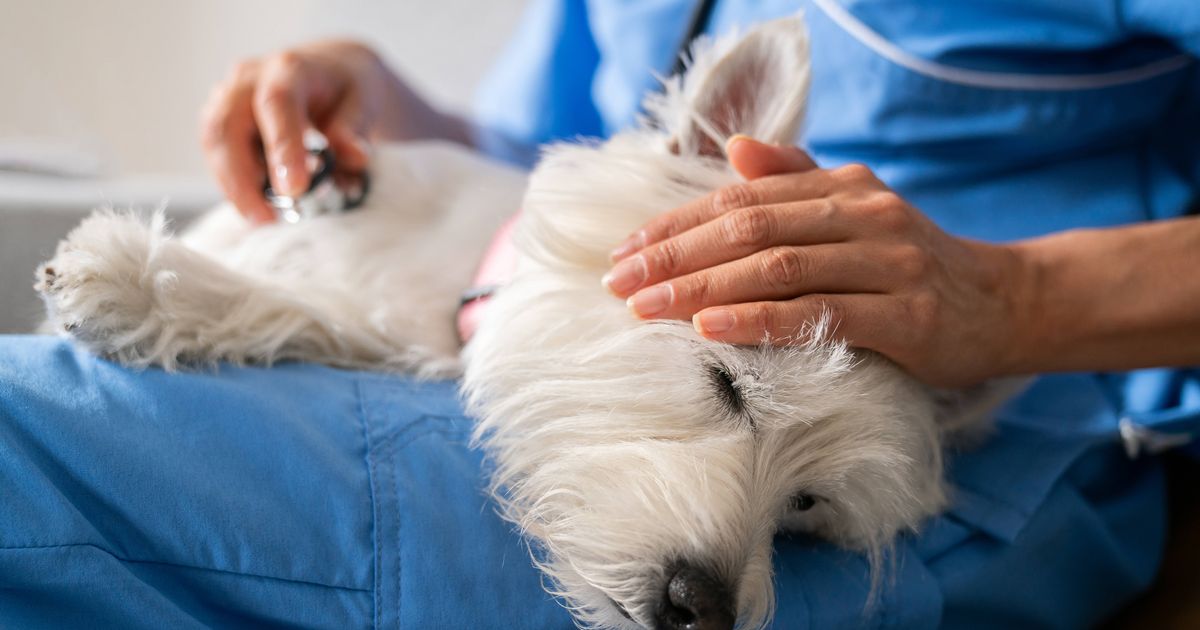
Even if the products are marketed as ‘natural’, that does not mean they are pet-safe
An assistant dog trainer has sounded the alarm over a popular household item that may be ‘dangerous’ to canines. While they are often marketed as ‘natural’, this doesn’t necessarily mean they are 100% non-toxic or pet-safe, and they should be used with caution.
Holly, an assistant trainer at Will Atherton’s Canine Centre in Derbyshire, said on TikTok: “Let’s talk about something most owners don’t even realise can harm their dog. Essential oils and diffusers.
“They might make your home smell nice, but for dogs, they can be genuinely dangerous. Here’s why. When you use a diffuser, the oils don’t just scent the air; they release microscopic droplets and volatile compounds your dog can inhale.
“Because dogs have far more sensitive airways and a much stronger sense of smell than we do, that concentrated vapour can irritate their lungs, trigger coughing, or in some cases, cause chemical burns inside the respiratory tract.”
Holly further highlighted the potential risks of using tea tree, eucalyptus, peppermint, cinnamon, pine, citrus, and ylang-ylang oils. Even ‘tiny amounts’ absorbed through a dog’s skin or inhaled repeatedly may give rise to numerous distressing symptoms.
Drooling, tremors, lethargy and, in the worst cases, liver toxicity are encompassed within this. Holly added: “There are multiple veterinary reports and toxicology studies documenting this. The ASPCA and Pet Poison Helpline both list these oils as toxic to dogs and cats.”
Holly certainly isn’t alone in her thoughts. Dr Suzanne Moyes, an in-house vet at Burgess Pet Care, also recently told the Express that both diffusers and scented candles may pose serious risks to a pet’s health. This isn’t just limited to dogs and cats, either.
Last year, she said: “Many pet owners don’t realise that a lot of common cleaning products and other household items, such as candles, are toxic to pets, and pose a serious risk to their health.
“For example, things like candles, oil diffusers, and air fresheners can be severely damaging for all pets, but particularly to small animals like rabbits and guinea pigs.”
In light of this, it’s best to take a safety-first approach when choosing scented products and oils for your home. Opting for low-risk ingredients and using them in a well-ventilated space may also help prevent your pet from being overwhelmed.
Dr Sandra Mitchell, a veterinarian writing for PetMD, also said: “If you would like to use essential oils in your home, it can be done safely. Be sure to keep ALL essential oils—whether considered toxic for dogs or not—well out of reach of curious paws.
“If you’re using them in cleaning, do so only when your dog is not present and allow them to dry completely before allowing your pet to have any contact with the surfaces.”
Essential oils that are bad for dogs
PetMD has warned about 12 key essential oils that are generally harmful to dogs. These can be toxic both from ingestion and skin exposure.
They include:
- Ylang ylang
- Cinnamon
- Wintergreen
- Clove
- Citrus
- Sweet birch
- Peppermint
- Tea tree (melaleuca)
- Pine
- Pennyroyal
- Hyssop
- Lemongrass
For more information, click here.