

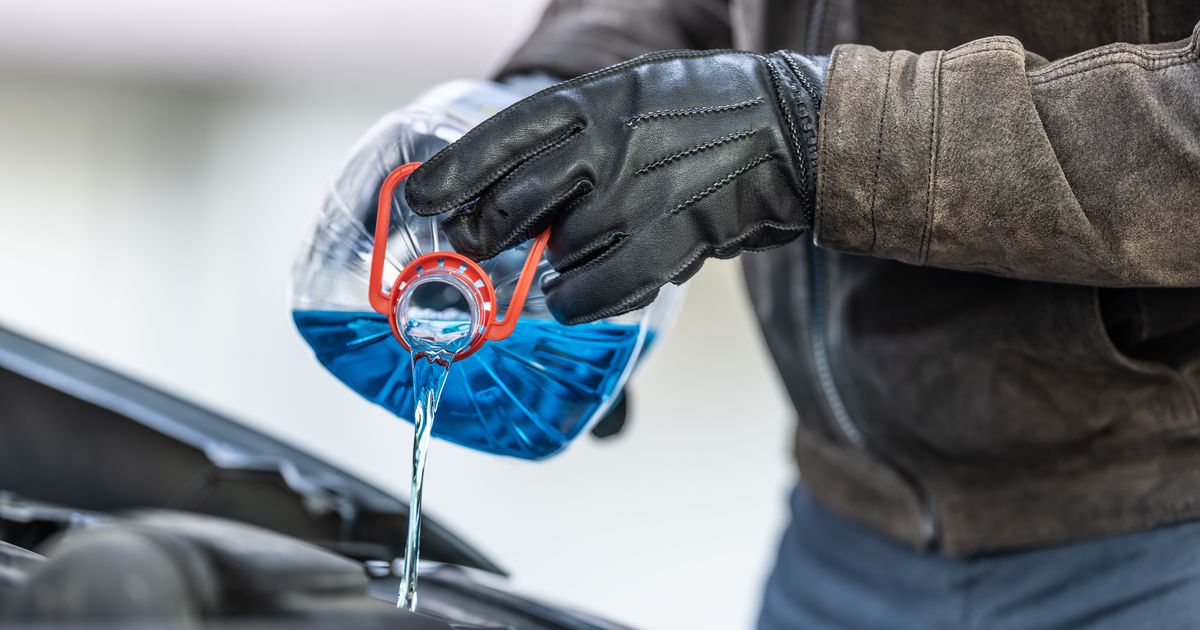
People getting behind the wheel have been told to take extra care
Drivers who use antifreeze and similar products to melt ice, snow, and frost have been issued with a warning. Urging people to be cautious, experts have said it could do more harm than people realise.
The reminder comes as the colder weather dips below zero, and with an amber and yellow weather warning in place for some areas across the UK, drivers are being urged to take extra care. The reason for this is that everyday motoring habits could pose hidden dangers to dogs.
In fact, Ross Hallifax from pet insurance specialist Purely Pets, has warned that winter driving conditions can expose pets to serious and potentially life-threatening illnesses. In severe cases, “coma or death” may even occur.
Chemical burns
While salt and grit are essential for keeping roads safe in icy conditions, they can be extremely harsh on dogs’ paws. Chemicals used to melt ice can irritate sensitive paw pads, causing painful cracks, inflammation and, in severe cases, chemical burns.
Dogs may also ingest these substances while grooming, which can be toxic for your four-legged friend. Because of this, drivers are advised to be mindful of where their vehicles are parked and where salt and grit are spread, particularly in residential areas where dogs are walked regularly.
Ross said: “For long-haired dogs, trimming the fur around their feet helps prevent ice balls from forming between the toes. Wipe your dog’s paws with warm water after every walk, and consider getting a set of dog booties for when the cold really sets in.”
Antifreeze poisoning
Antifreeze, commonly used by drivers during winter months, is especially dangerous to pets. Even small spills on driveways or roads can be fatal if ingested.
Experts at RAC Drive explain that antifreeze is typically made from a blend of water and chemicals, such as ethylene glycol or propylene glycol, which is designed to lower the liquid’s freezing point. Its primary role is to stop the coolant from freezing in cold conditions, as freezing would cause it to expand and potentially damage the engine, radiator, and other parts of the cooling system. It also helps prevent overheating.
However, the chemical ethylene glycol, found in many antifreeze products, has a sweet taste that can attract animals. Dogs can be poisoned simply by licking puddles, contaminated ground or their own paws after walking near parked cars.
Symptoms of antifreeze poisoning include:
- vomiting
- loss of coordination
- seizures
- in severe cases, coma or death
Ross explained: “To prevent antifreeze poisoning, store antifreeze containers out of your pets’ reach. Clean up any antifreeze spills promptly and protect your pet’s paws by using dog booties and wiping their paws after being outside.”
A simple reminder
The expert is not the only one to alert drivers to this issue. Talking about antifreeze poisoning in dogs, PDSA – – the People’s Dispensary for Sick Animals – note that you must “call your vet immediately if you think your dog has come into contact with antifreeze” as it is classed as an emergency.
It’s essential to take sensible precautions to prevent your dog from coming into contact with antifreeze”, the body further stated, adding that “sadly, ethylene glycol poisoning is often fatal unless it’s treated extremely quickly.”
PDSA also notes that “weeing more than normal to begin, and then less than normal from one to three days after ingestion” could be another telltale sign to look out for as well as difficulty breathing or fast breathing.
The agency stressed: “Sadly, due to its very toxic nature, many dogs die from ethylene glycol poisoning. Your dog has a higher chance of surviving if treatment is started within 12 hours of coming into contact with it.”
Urging people to act fast and not to wait for symptoms to appear, they conclude: “The outlook will also depend on the amount of ethylene glycol your dog has swallowed.”



