

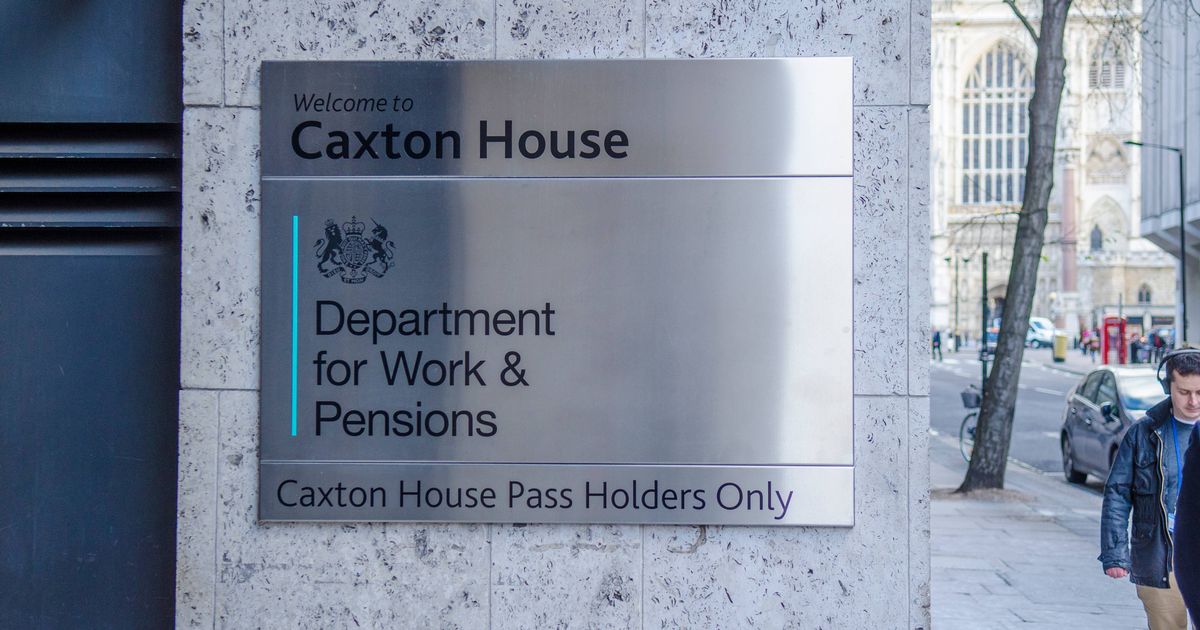
The Department for Work and Pensions has issued a warning to anyone who has a National Insurance number, urging them to be cautious and protect themselves from online fraud
The Department for Work and Pensions is encouraging benefit claimants to remain vigilant and safeguard themselves against online fraud. The DWP oversees the administration of social security, pensions and child maintenance policies amongst numerous other responsibilities.
In its most recent post on X, the government department warns people against sharing three crucial pieces of information. It advises: “Protect yourself from online fraud. Keep your sensitive information off social media and out of direct messages. Do not share your full name and date of birth, National Insurance number and answers to security questions.”
The DWP has directed social media followers to visit Action Fraud, the National Fraud and Cyber Reporting Centre. It provides round-the-clock live cyber reporting services for businesses.
On its website, Action Fraud revealed that data shows there were 519 reports of pension fraud in total and £17,567,249 lost in 2024, with an average loss of £33,848 per person. Analysis of reports indicates the two most common methods criminals used to target victims were investment fraud using high-pressure tactics, and account takeovers of victims’ pension schemes through impersonation.
If you’re concerned about a potential pension scam or believe you may have been contacted by a criminal, report it to Action Fraud at actionfraud.police.uk or by calling 0300 123 2040. If you’ve made a payment, it’s crucial to inform your bank or pension provider immediately to help prevent further losses, reports the Liverpool Echo.
The department has previously offered advice on how to report and recover from suspicious texts, phone calls or emails through the Stop! Think Fraud campaign. This UK government initiative aims to educate the public and protect them from fraud, particularly online and in person.
The campaign website warns: “Fraudsters aren’t fussy. They’ll pick on anyone.
“Nobody is immune from fraud. The criminals behind it target people online and in their homes, often emotionally manipulating their victims before they steal money or personal data.”
Fraud accounts for nearly 41 percent of all crime. In just one year, one in 15 adults in England and Wales fell victim to fraud, according to the Crime Survey for England and Wales, year ending June 2024.
Stop! Think Fraud says: “Nobody is immune from fraud. We can all be more alert to the risks, and we can all do more to protect ourselves.”
The government campaign explains a key method to prevent fraud: “One of our best weapons against fraud is knowledge. Once you know the tactics fraudsters commonly use and the signs to look out for, you have more chance of avoiding them.”
Warning signs to watch out for:
- Authority or a “trusted” voice – Criminals can pretend to be important people or a well-known organisation, often using their logo and branding.
- Deepfakes – Fraudsters may use artificial intelligence (AI) to create convincing deepfakes. Deepfakes are digitally created or altered content, often fake images, videos and audio recordings.
- False urgency – Anyone who tries to rush you into a decision should not be trusted.
- Emotion – Criminals will often use emotional levers to make you follow your heart not your head.
- Scarcity – Criminals will often use fear of missing out on a good deal or opportunity to make you respond quickly.
- Current events – Criminals often exploit current news stories, big events or specific times of year.
- Building relationships – Fraudsters often try to earn your trust by building rapport and finding shared interests before they ask you for money or personal information.



