

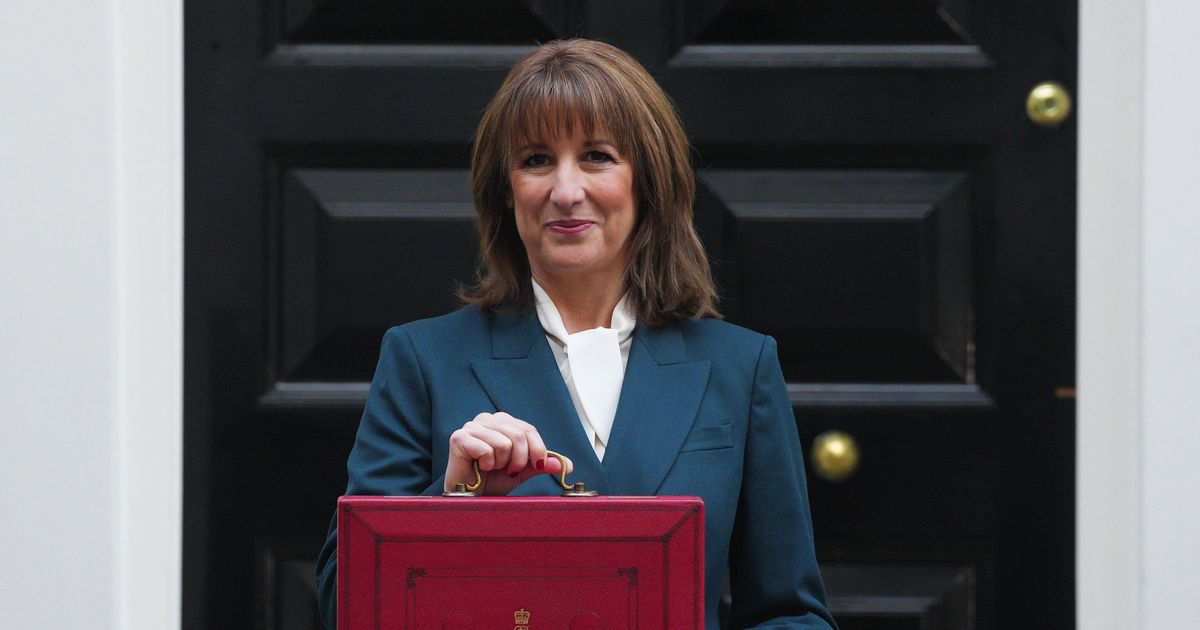
The DWP has announced changes including increased face-to-face assessments for disability benefits, State Pension rising by 4.8% from April 2026, and ESA migration to Universal Credit by March 2025
The Department for Work and Pensions ( DWP ) has outlined measures announced by Chancellor Rachel Reeves in the Autumn Budget aimed at making health and disability benefits ‘more sustainable in the future’.
In the most recent edition of the Touchbase newsletter, the DWP set out all the major changes affecting benefit claimants. This includes expanding the number of face-to-face assessments for Personal Independence Payment ( PIP ) and the Work Capability Assessment (WCA) to “ensure people are receiving the right support”.
The UK Government stated it will also boost WCA reassessment capacity and cut down on PIP claimants being summoned for award reviews when their condition has not improved. The DWP also confirmed that most working-age and disability benefits will increase by 3.8 per cent from April.
Changes to the Motability Scheme have also been revealed. These include removing the VAT relief on top-up payments, a one-off voluntary payment needed to lease more costly vehicles through the Scheme, and the introduction of Insurance Premium Tax on leases.
Tax modifications will not affect vehicles significantly adapted for wheelchair users, or current leases, and Motability will continue to supply vehicles at no extra cost to the value of eligible disability benefits. The Department for Work and Pensions (DWP) has recently confirmed its plans to complete the migration of claimants on income-related Employment and Support Allowance (ESA) to Universal Credit by March next year, reports the Daily Record.
Sir Stephen Timms, Minister for Social Security and Disability, also stated that part of this migration process will see ESA claimants move to the Universal Credit Health Element.
Furthermore, the DWP will remove the two-child limit in Universal Credit from April 2026, which is projected to lift approximately 450,000 children out of poverty in the final year of this Parliament, providing them with a better start in life. This reduction is expected to rise to around 550,000 alongside other measures announced this year, such as Free School Meals.
From April 2026, State Pension and working age benefit rates will increase. In line with the average weekly earnings growth element of the Triple Lock, the New and Basic State Pension will rise by 4.8 per cent, worth up to an additional £575 a year.
Working age benefits will be uprated in line with the September Consumer Price Index inflation rate of 3.8 per cent, with the exception of rates for the Universal Credit standard allowance and health element, which are set in legislation until April 2029 and include a real terms increase of the standard allowance.
The UK Government will also impose employer and employee National Insurance Contributions on pension contributions exceeding £2,000 per annum made through salary sacrifice. These changes will be enacted through primary and secondary legislation, which will be introduced in due time and will come into effect from April 6, 2029.
The UK Government is allocating £820 million across the spending review period to implement a Youth Guarantee. At the Labour Party Conference in September 2025, the Chancellor declared that the Youth Guarantee will incorporate a new Jobs Guarantee.



