
News Beat
Egypt slashed child deaths. Now an exodus of doctors threatens progress

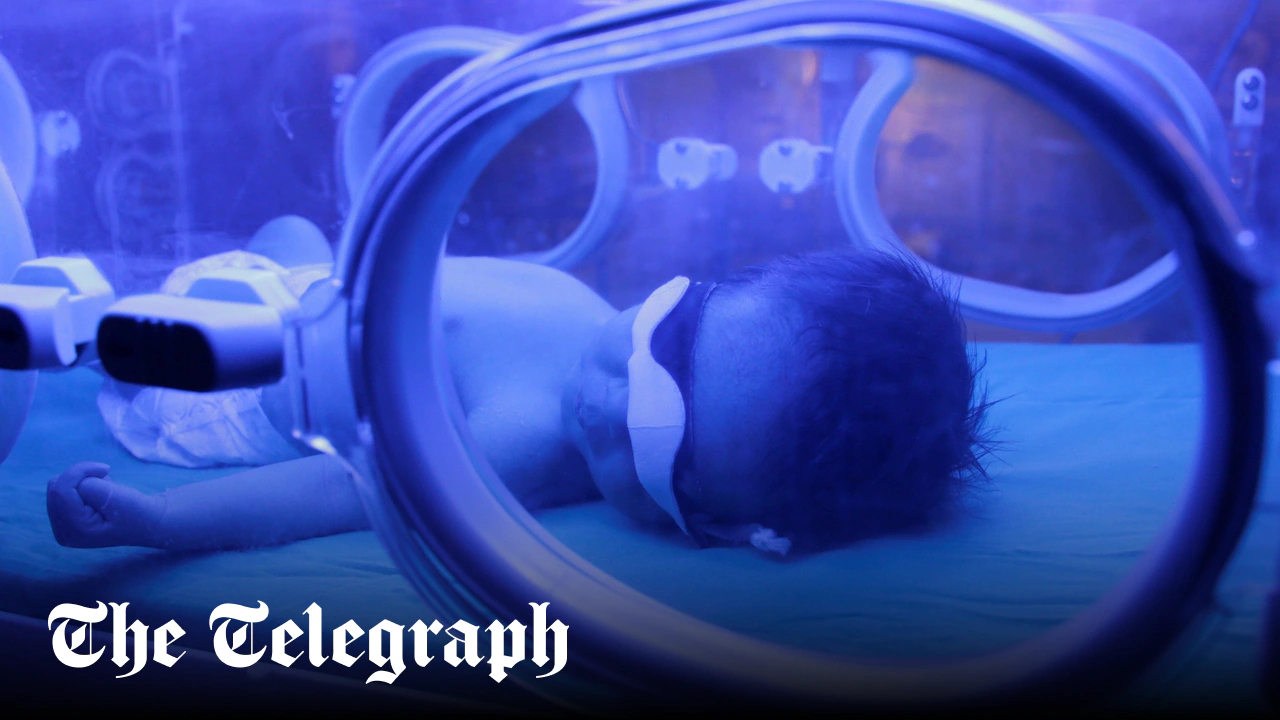

An exodus of doctors from Egypt threatens to unravel decades of progress in slashing child mortality in the country, doctors and medical workers say.
In 1988, Egypt’s child mortality rate stood at 108 deaths per 1,000 children under five, according to the United Nations Children’s Fund. Government health insurance covered only public employees and factory workers but not their children. Poor and middle-class families were left to fend for themselves.
But a series of policy reforms transformed this picture. By 2024, Egypt had reduced that mortality rate to just 26 per 1,000 children – a 76 per cent decrease – through vaccination programmes, disease eradication campaigns and expanded insurance coverage, according to the Central Agency for Public Mobilisation and Statistics (CAPMAS).
The creation of school-based health insurance in 1992 marked the beginning of what would become one of the Middle East’s most significant public health achievements, in the country with the region’s largest children population.
Dr Mohamed Hassan Khalil, a retired cardiologist and health policy advocate, recalls the strategic thinking behind the scheme. “The government had realised during the 1960s, when expanding the military, that many recruits were medically unfit. This planted the seed for school-based health insurance.”
Beginning with 18 million schoolchildren, the programme was funded through parental contributions of five Egyptian pounds annually, government subsidies of 12 pounds and taxes on tobacco sales.
In June, Alexandria-based Rasha Mohamed experienced the insurance’s benefits first hand when her only nine-year-old son’s respiratory allergies worsened.
“At the insurance-affiliated facility, they put him on ventilators and ran all necessary tests,” says the 41-year-old call centre worker, who is paid the minimum wage of 7,000 Egyptian pounds (roughly £111) a month.
Their four-day hospital stay would have cost a fortune. Instead, the insurance covered it entirely.
They only need to purchase one inhaler every two months. These cost 500-600 Egyptian pounds (£7.90-£9.49) privately but are far cheaper through the insurance scheme, she notes.
Yet bureaucracy remains a barrier, according to Mrs Mohamed. Obtaining prescribed medications requires multiple visits: a referral slip one day, a hospital consultation the next, then finally a pharmacy. For acute illnesses, families must still pay a portion of costs, she adds.
The vaccine breakthrough
Dr Ayman Makawi, a veteran paediatrician now working as a private consultant on healthcare development, attributes the dramatic decline partly to increased life expectancy. Yet vaccines, he argues, have been the true game-changer.
“Vaccinations eliminated diseases that were fatal to children,” he says. “Polio, which could cause respiratory paralysis; diphtheria, whooping cough and tetanus; measles and German measles.”
By 2004, Egypt had eliminated polio. Neonatal tetanus was eliminated in 2007. Last year, the World Health Organization (WHO) announced the country had eradicated measles and tuberculosis.
In 2018, the government launched the “100 Million Sehat” – 100 Million Health – campaign, a nationwide screening initiative backed by $250 million in World Bank financing. The programme aimed to identify and treat previously undiagnosed cases of hepatitis C, which was killing between 40,000 and 50,000 Egyptians annually.



