Watching President Zelenskyy and first lady Olena Zelenska in the centre of Kyiv lead a minute’s silence to honour the tens of thousands of soldiers who have died on the fourth anniversary of the Ukraine war was a sobering moment.
European prime ministers and dignitaries had come to Maidan Square in Kyiv as an act of solidarity and remembrance as they set candles in front of the sea of crosses, photos and flags that now adorn this makeshift memorial for those killed in this conflict.
But equally, there is an acknowledgement from those gathered that when it comes to this war, there is no end in sight: the leaders who arrived in Ukraine to mark this anniversary expect to be coming back next year, too.
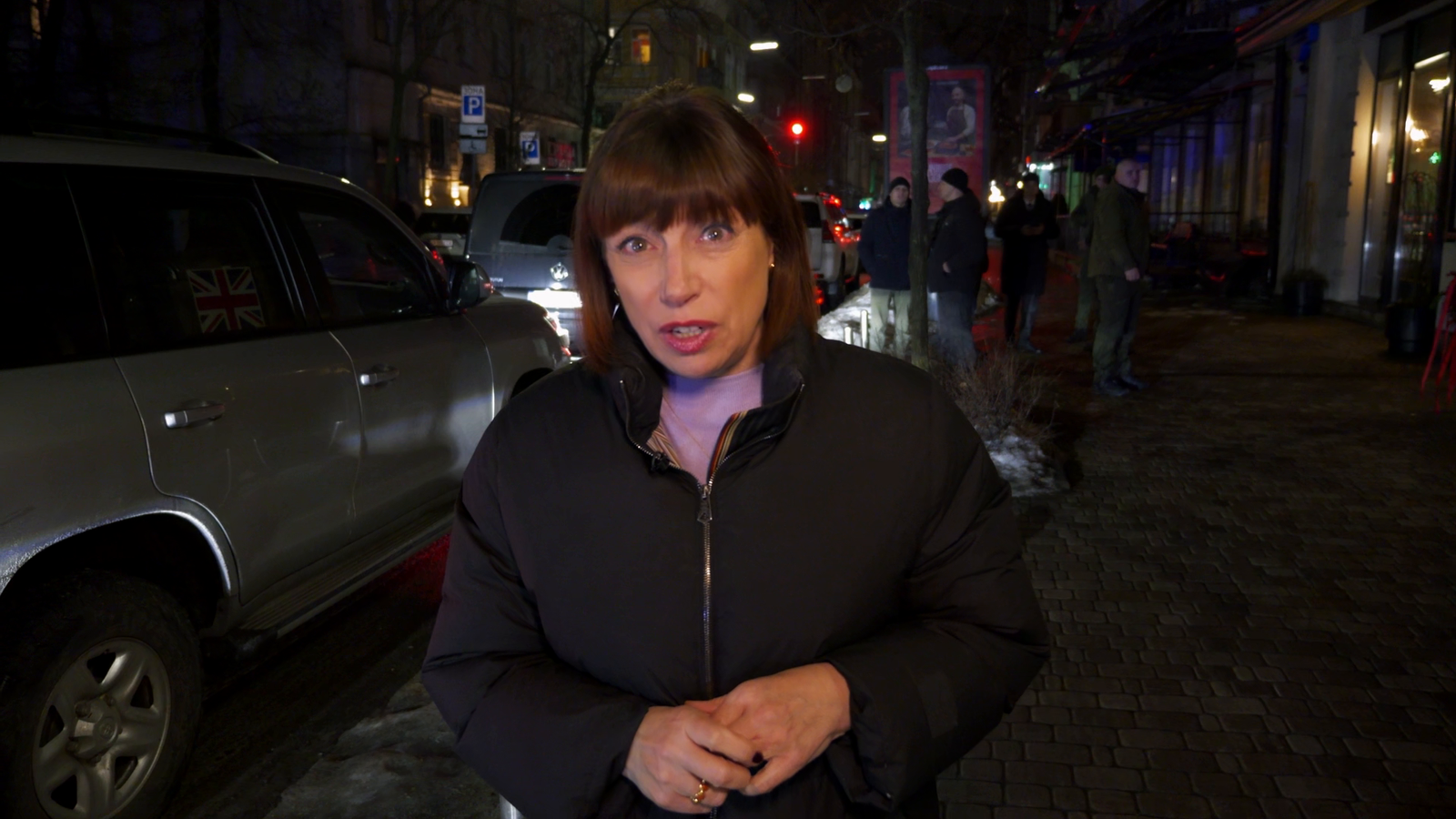
For Yvette Cooper, the foreign secretary, the trip was a moment to focus not just on sanctions, weapon supplies and territory, but to try to highlight the war Vladimir Putin is waging against women and children in Ukraine as he wages a “war on Ukrainian culture”.
Advertisement
“I think one of the things that’s been clearly happening, the way that so many children have been stolen, the ways in which, in the temporarily occupied territories, they are trying to change the education system, trying to choke out the Ukrainian language,” she said.
“It’s an attempt really, not just about territory, but to have a war on Ukrainian families, to have war on Ukraine history and culture and identity,” the foreign secretary told me in an interview in Kyiv.
Image: Volodymyr Zelenskyy and his wife, Olena Zelenska. Pic: Ritzau Scanpix/Reuters
But even as she arrived in Ukraine, issues at home plaguing the government and her foreign office brief were dominating the agenda, with the former US ambassador that she sacked, Peter Mandelson, arrested and taken in for hours of questioning by the police as Ms Cooper took an overnight train to Ukraine.
The foreign secretary, who sacked the ambassador just days into her job in September, reiterated her position that Lord Mandelson “should never have been appointed” and, in a rare flash of emotion, told me that “vile” emails were exchanged between Lord Mandelson and paedophile financier Jeffrey Epstein.
Advertisement
In one of the emails released by the US Department of Justice, Epstein replies to Lord Mandelson asking how being free from jail felt, by saying “she feels fresh, firm and creamy”. Lord Mandelson replied by calling Epstein a “naughty boy”.
“That’s just vile,” she told me. “It makes me feel so angry.”
“I’ve been really clear, Peter Mandelson should never have been appointed as ambassador to the US and I think some of what has been so, so deeply frustrating about all of this is that really at the heart of all of these should be the victims of Epstein, they’re women and and children who faced the most horrendous criminal exploitation trafficking and that really should be the focus.
“As you know, when I was home secretary, I made it a mission for the government to halve violence against women and girls over the next 10 years.
Advertisement
“That’s a strategy now that the prime minister has championed. And now, as foreign secretary, I am making tackling violence against women and girls something that is an international theme for us as well.”
Advertisement
Beth says she’s never seen the foreign secretary so furious.
On that issue, Ms Cooper used her time in Ukraine to meet female victims of Russian aggression and sexual violence and the “voices for children” charity with Olena Zelenska to highlight the plight of thousands of children stolen from their Ukrainian families by Russia.
Yevgen Zakharov, a civil rights activist working at the Civil Liberties Centre, told the foreign secretary on her visit there that Putin “wants to eliminate Ukrainian identity”.
Advertisement
“This is his crazy idea, a genocidal intent is there,” he said.
Throughout these visits, we heard stories of women in Russian-occupied territory being beaten, sexually abused, falsely imprisoned and sent to Labour camps.
Elena Jagapova spoke of how she was taped to a chair, beaten until bloodied, sexually abused and sent to a labour camp. Another, Julia, told us of how her children – then 10 and 17 – were abducted by the Russians, and her 19-month battle to get them back.
Ms Zelenska says more than 20,000 Ukrainian children have been stolen by the Russians as part of their campaign to eradicate Ukrainian culture, through repressing the language, forcing indoctrination and trying to brainwash children.
Advertisement
“We heard stories not just of torture, but also of this attempt to really destroy Ukrainian culture and identity as well,” said Ms Cooper.
“That’s why it’s so important that we provide support for Ukrainian families, support for Ukrainian services but, also, make sure that you could have the kind of special tribunal, the kind of court processes, international court processes, that can pursue exactly those questions and can make sure that there is some justice and accountability.”
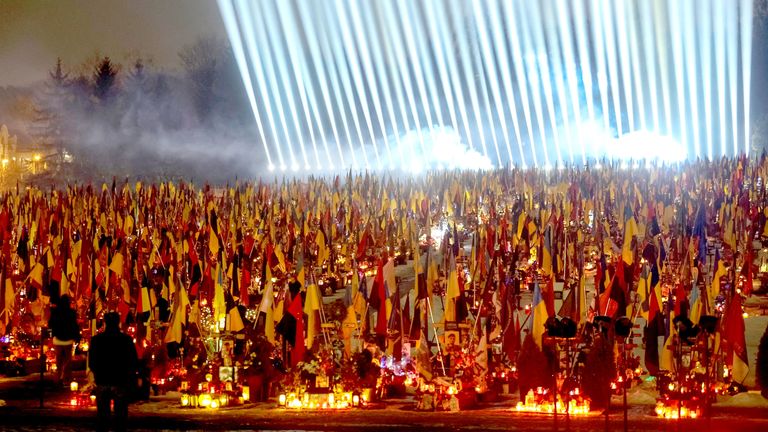
Image: Ukrainians visiting the graves of their relatives in Lviv, western Ukraine. Pic: Reuters
The UK has made it clear to Ukraine that it will play a part in helping set up war crime courts when this conflict finally ends, in echoes of Britain’s role in the Nuremberg trials that punctuated the Second World War.
But when that moment comes is hard to see. Those who gathered in Ukraine on Tuesday did so with a weariness that has come to characterise an attritional war in which Russia isn’t winning, but neither is it defeated, as Europe and the US give enough support for Ukraine to fight on, without the firepower – or sanctions against Russia – for it to truly succeed.
Mr Zelenskyy warned on the eve of the fourth anniversary that Putin had already started World War Three and Ukraine was the outpost, the frontline pushing Putin back.
Advertisement
Ms Cooper doesn’t want to use that language, but she does acknowledge that Russian aggression is here to stay, and allies must support Ukraine for however long it takes.
To that end, the UK introduced another sanctions package on Tuesday, and is pushing the US and Europe about a maritime services ban to make it much harder for Russia’s shadow fleet to transport Russian oil.
The frustration is that the US, in trying to pursue peace talks – and reportedly in favour of Russian demand that Ukraine cede the 20% of the Donbas territory not under Russian occupation as part of any truce, is reluctant to squeeze Russia economically right now.
So this war grinds on. For the Ukrainians and allies, one glimmer of hope is that Russia is now losing more men that it can mobilise on the battlefield.
Ukraine hopes that if it can increase the casualty rate to 50,000 Russians a month, then Putin might be forced to consider conscription, which could prove politically difficult and begin to stall his momentum.
That Russia has sacrificed an estimated 500,000 lives in order to gain less than one per cent of Ukraine’s territory tells of the attritional war in which these two sides are locked – and with the horrific loss of life.
Advertisement
In the meantime, Britain and Europe will try to put more pressure on the US to bring in more aggressive sanctions against Russia, to financially starve Putin’s war machine.
But for all the signs of solidarity on Tuesday, there is little to show in the way of concrete steps to peace. Ukraine hopes for a game changer in the coming months, but is reconciled to more anniversaries like today.
Artemis II crew wake up to ‘Lonesome Drifter’ as final preparations for splashdown near
The Artemis II mission astronauts are minutes away from splashing down in the Pacific Ocean after returning from the Moon. It will be a fiery descent lasting about 15 minutes, finishing around 8.07pm ET today.
NASA expressed “high confidence” in the Artemis II crew spacecraft’s heat shield ahead of Friday’s historic return.
The shield is a critical part of the Orion capsule, protecting the crew from exposure to lethal temperatures – reaching up to 5,000 degrees Fahrenheit – during their high-speed descent, which is expected to last less than 15 seconds.
“It’s 13 minutes of things that have to go right,” Jeff Radigan, NASA’s Artemis II flight director, said yesterday.
Advertisement
There were problems with the heat shield on the first Artemis flight, which had no human passengers. Gases that were generated inside the shield’s outer material were not able to vent as expected, causing cracks.
Since then, the shield has undergone extensive testing and Amit Kshatriya, the space agency’s associate administrator, says his confidence in the tech is backed up by engineering and flight data.
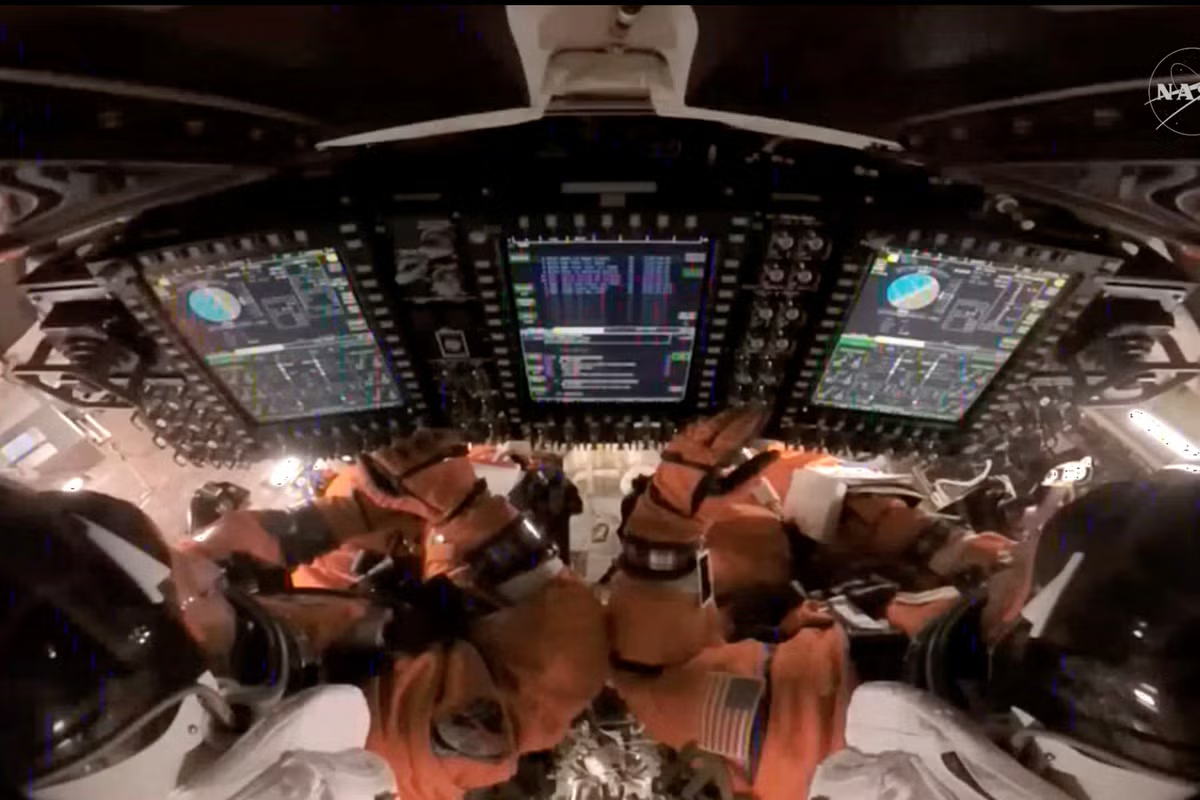
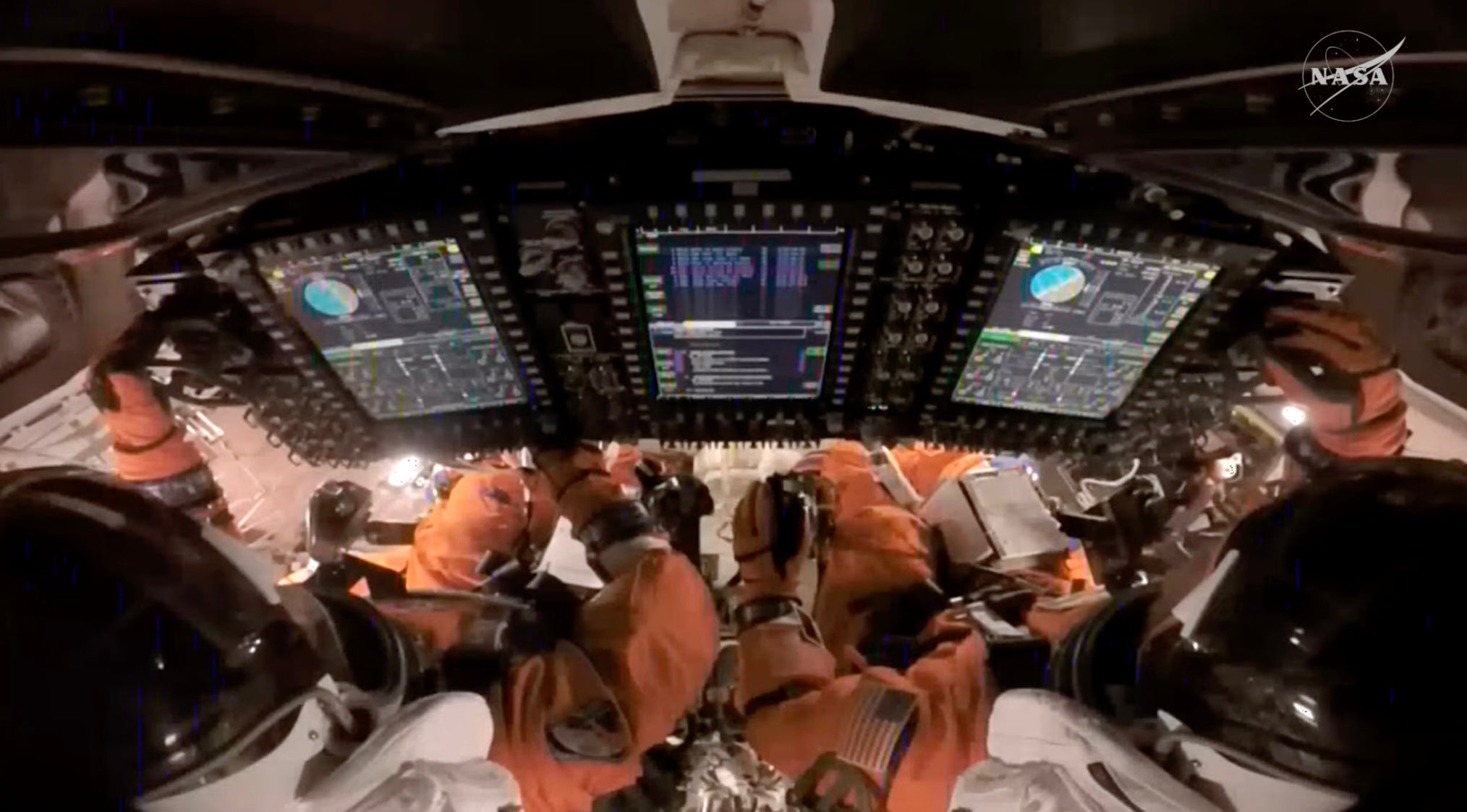
The astronauts — NASA’s Christina Koch, Victor Glover, Reid Wiseman and the Canadian Space Agency’s Jeremy Hansen — were said to be in “high spirits” as they started their journey to Earth following a record-breaking slingshot around the Moon.
Advertisement
Artemis II astronauts could very well hurl after splashdown
After splashing down in the Pacific Ocean, the Artemis II astronauts will be extracted by Navy recovery teams using a life raft. The crew will be put in harnesses and hoisted into two helicopters overhead.
Then, the astronauts will be flown to the USS John P. Murtha amphibious transport dock ship for between 10-15 minutes. The crew will be taken into a medical bay for comprehensive examinations before they are flown to the San Diego Naval Air Station – and eventually to NASA’s Johnson Space Center in Houston, Texas.
In an interview with NASA, Dr. Rich Scheuring, NASA flight surgeon, said that the astronauts had gone over medical protocol earlier Friday, including that they may need nausea medication and fluids to replace the fluid and electrolytes they’ve lost in space.
“One of the most common responses they get is just some stomach awareness to some nausea – even to some vomiting,” he said.
Advertisement
“We don’t expect any injuries,” Scheuring added, noting that reducing speed can feel “kind of like a car crash.”
Julia Musto11 April 2026 00:19
Key milestones of Artemis II return
We’re less than an hour away from splashdown for the Artemis II crew, and there are several key mission milestones coming up.
Advertisement
Here, from Nasa, is the rundown of the timings for the re-entry. (They’re in eastern time, so add five hours if you’re watching from the UK.)
7:33 p.m.: Orion’s crew module will separate from the service module, exposing its heat shield for the spacecraft’s return through Earth’s atmosphere, where it will encounter temperatures of about 3,000 degrees Fahrenheit.
7:37 p.m.: Following separation, Orion will perform an 18 second crew module raise burn beginning to set the proper entry angle and align the heat shield for atmospheric interface.
7:53 p.m.: When Orion reaches 400,000 feet above Earth’s surface while traveling nearly 35 times the speed of sound. The crew is expected to experience up to 3.9 Gs in the planned entry profile. This moment marks the spacecraft’s first contact with the upper atmosphere and the start of a planned six-minute communications blackout as plasma builds around the capsule.
8:03 p.m.: Around 22,000 feet in altitude, the drogue parachutes will deploy, slowing and stabilizing the capsule as Orion nears splashdown.
8:04 p.m.: At around 6,000 feet, the drogues will release, and the three main parachutes will deploy, reducing Orion’s speed to less than 136 mph.
8:07 p.m.: Slowing to 20 mph, Orion will splash down in the Pacific Ocean off the coast of San Diego, completing the Artemis II crew’s return to Earth and a 694,481-mile journey.
From there, teams from NASA and the U.S. military will extract the crew from Orion and fly them via helicopter to the USS John P. Murtha.
Within two hours after splashdown, the crew will be extracted from Orion and flown to the USS Murtha. Recovery teams will retrieve the crew, assist them onto an inflatable raft, and then use helicopters to deliver them to the ship. Once aboard, the astronauts will undergo post‑mission medical evaluations before returning to shore where awaiting aircraft will take them to NASA’s Johnson Space Center in Houston.
Anthony Cuthbertson11 April 2026 00:13
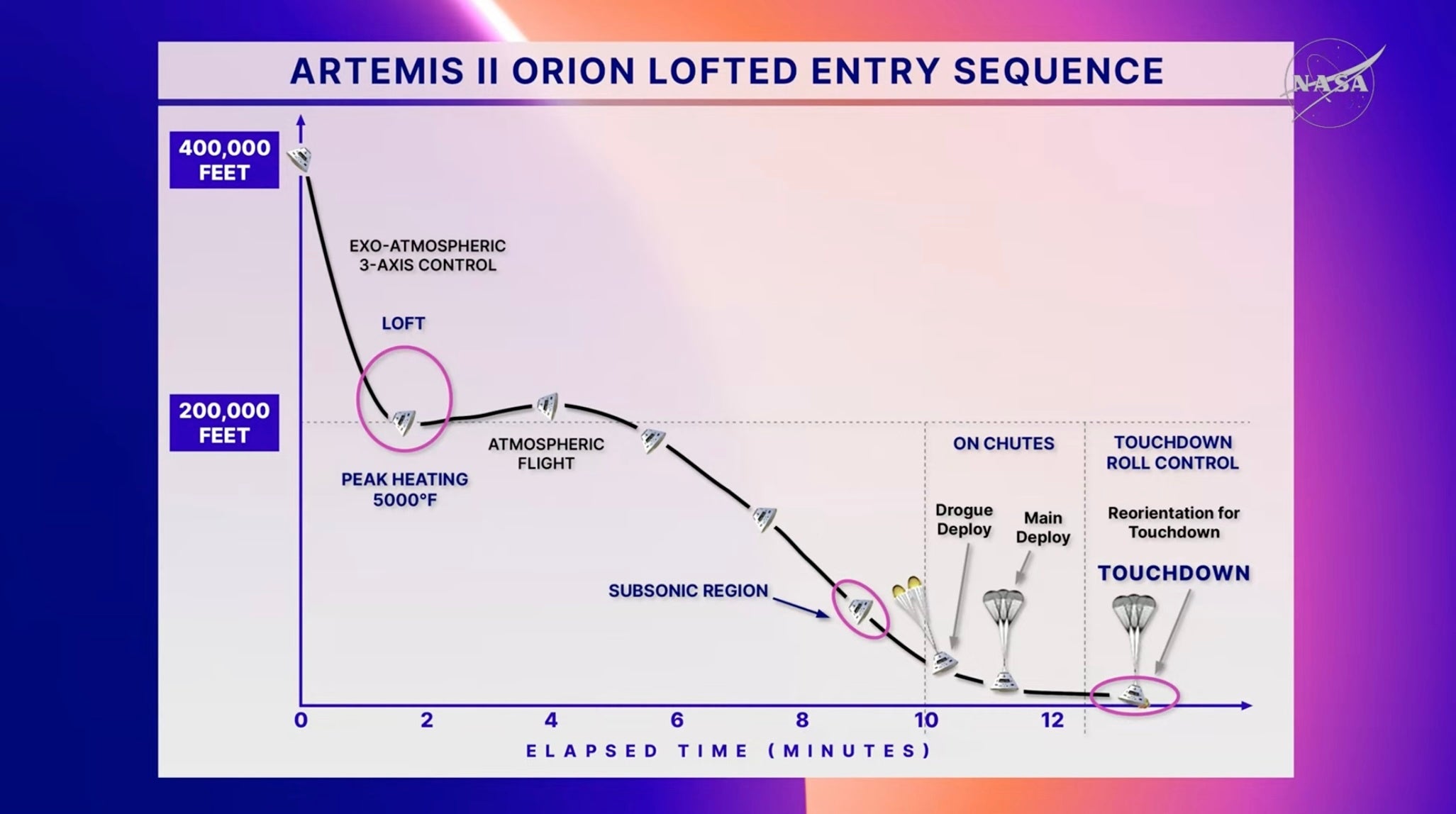
The splashdown sequence
With just over an hour to go until the Orion spacecraft splashes down in the Pacific Ocean, the crew members of the Artemis II mission are making the final preparations for their safe return.
Here’s how the whole sequence should play out:
Advertisement
(Nasa)
Anthony Cuthbertson10 April 2026 23:59
What do the Artemis II astronauts do when they’re not in space?
Christina Koch is a rock climber, surfer, runner and yogi. She’s been seen climbing ice walls in Montana. Reid Wiseman enjoys a round of golf and go-carting racing, according to Baltimore. Jeremy Hansen rides sail boats and mountain bikes. He also enjoys rock climbing. Victor Glover works out and is a former Division 1 athlete. He’s been seen using a rowing machine during the Artemis II mission.
(Nasa)
Julia Musto10 April 2026 23:52
The terrifying stakes of reentering Earth’s atmosphere
In the history of our species, 19 people have died during spaceflights. Nine of them were killed during reentry.
Advertisement
In April 1967, Soviet cosmonaut Vladimir Komarov perished when his Soyuz 1 spacecraft slammed into the ground at high velocity because its parachute failed to open.
Seven months later, NASA test pilot Michael J. Adams lost, regained, and lost control of his X-15 spaceplane during reentry, causing it to break apart at 65,000 ft.
But the largest incident came on February 1, 2003, as the Space Shuttle Columbia was returning from a 15-day scientific mission. Two days in, NASA analysts had learned that the shuttle’s heat shield was damaged during launch, but ultimately concluded there was no danger.
As Columbia screamed across the California coast at Mach 23, hot air forced its way in through the breach in the heat shield and began melting the shuttle’s skeleton. Over the next 15 minutes, gradually and then extremely quickly, the spacecraft slipped out of control and was torn apart.
Advertisement
Astronauts Rick Husband, William C. McCool, Michael P. Anderson, Kalpana Chawla, David M. Brown, Laurel Clark, and Ilan Ramon had enough time to know that something was wrong, but not enough to correct it. They may have been conscious up to 90 seconds of wrenching impacts, horrific heat, and terror.
The disaster delayed the completion of the International Space Station and froze Shuttle flights for two years, ultimately causing the its retirement in 2011. Today there is a memorial to the crew at the Arlington National Cemetery, and an asteroid named after each member.
The crew of Space Shuttle Columbia’s mission, who died on 1 February, 2003 when their spacecraft broke up on reentry. Front row, left to right: Mission commander Rick D. Husband (L), mission specialist Kalpana Chawla, and pilot William C. McCool. Standing, left to right: mission specialists David M. Brown, Laurel B. Clark, and Michael P. Anderson; payload specialist Ilan Ramon (NASA/Getty Images)
Io Dodds10 April 2026 23:46
Astronaut portraits projected onto US embassy
The Artemis II mission is being celebrated throughout the US and beyond – from high schools, to highway overpasses.
Advertisement
Spotted in Maryland (X/ @blaynecs)
The US embassy in Ottawa shared an image showing the portraits of the four crew members projected onto their walls, where they will remain throughout the month of April.
Anthony Cuthbertson10 April 2026 23:38
Nasa Administrator Jared Isaacman arrives at splashdown site
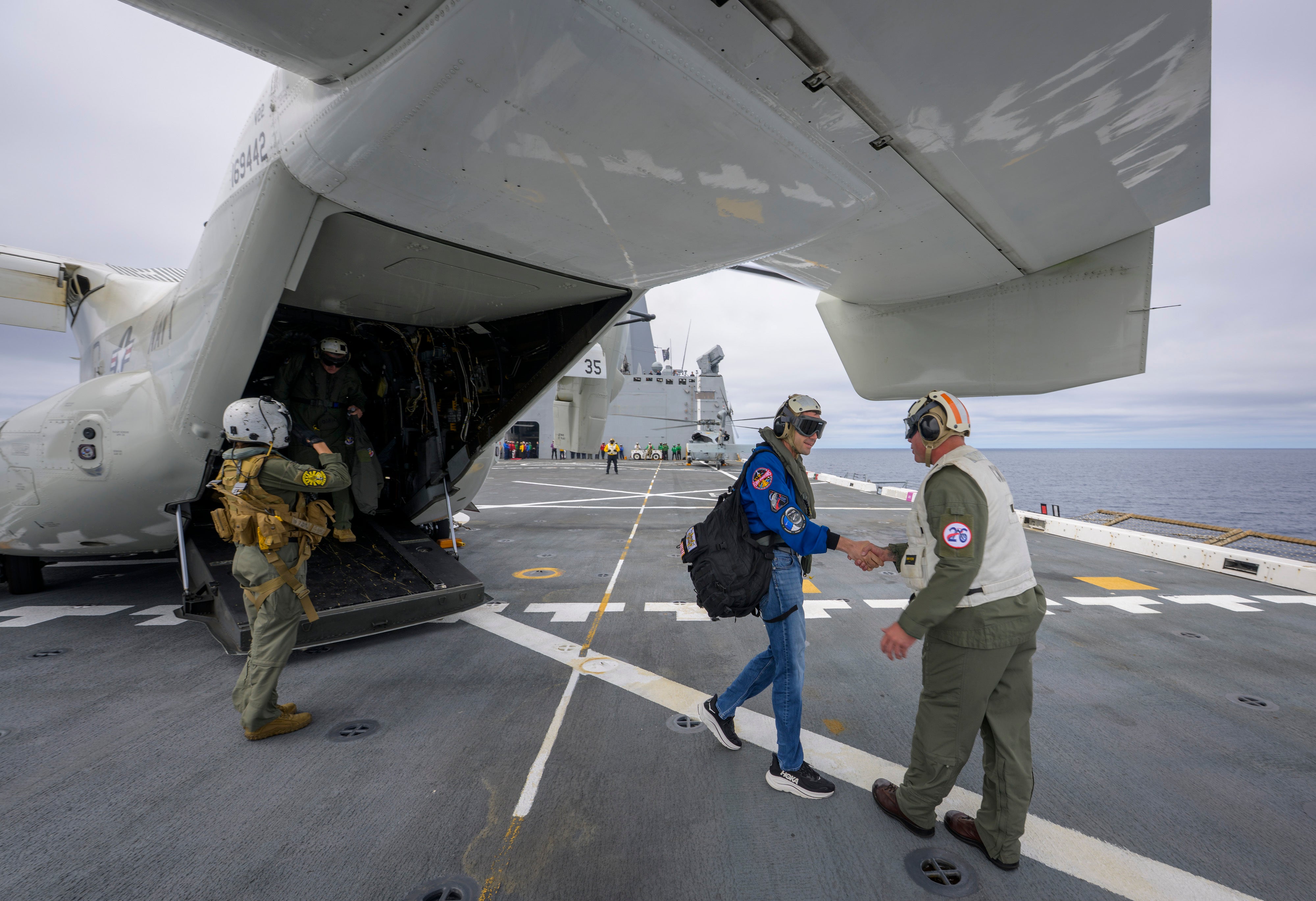
Jared Isaacman, former space tourist and now the administrator of Nasa, has arrived onboard the USS John P. Murtha ahead of the splashdown.
Helicopters will pick up the Artemis II astronauts from the Orion spacecraft and return them to the navy vessel. The crew will then undergo medical assessments before finally being able to return to solid ground.
Advertisement
Nasa Administrator Jared Isaacman arrives aboard the USS John P. Murtha in the Pacific Ocean on 10 April, 2026 (Getty Images)
Anthony Cuthbertson10 April 2026 23:26
Sonic boom over California
People in southern California may hear and feel a sonic boom as the Orion spacecraft shoots down into the Pacific Ocean, just off the coast of San Diego.
The United States Geological Survey said the sonic boom is expected between 5-5:15pm local time.
Anthony Cuthbertson10 April 2026 23:06
Advertisement
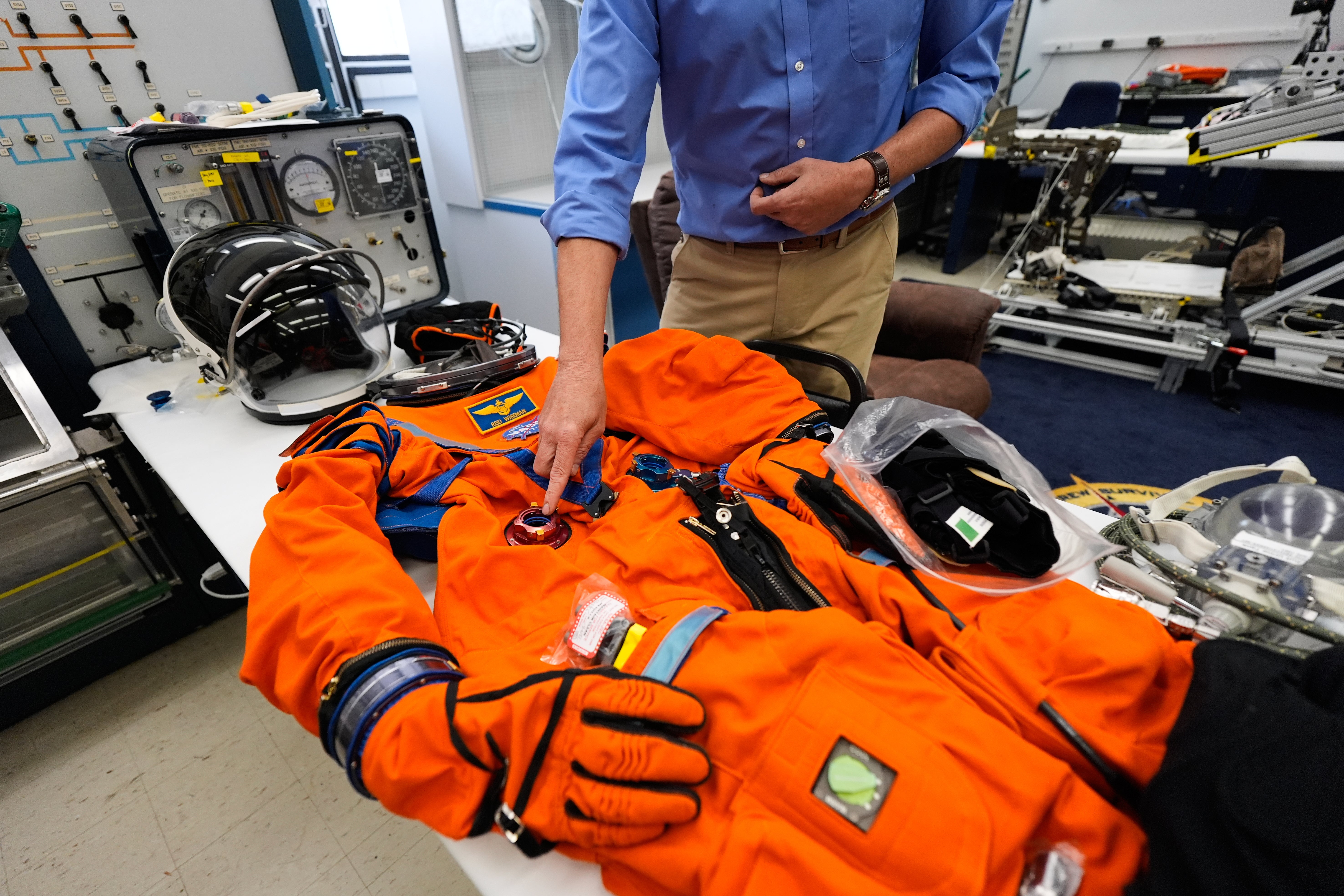
Astronauts don ‘survival suits’
The Artemis II crew members are putting on their “survival suits” ahead of reentry. All four suits have passed the leak check, so everything continues to move forward as planned.
“We are in good shape here for reentry and splashdown,” Nasa says.
There will be a communications blackout of 6 minutes as the spacecraft plummets back into the Earth’s atmosphere at a peak speed of 24,661 mph – just 130 mph short of the velocity record set in 1969 by the Apollo 10 crew on return from orbiting the Moon.
Advertisement
The Artemis II spacesuits (AP)
Anthony Cuthbertson10 April 2026 22:40
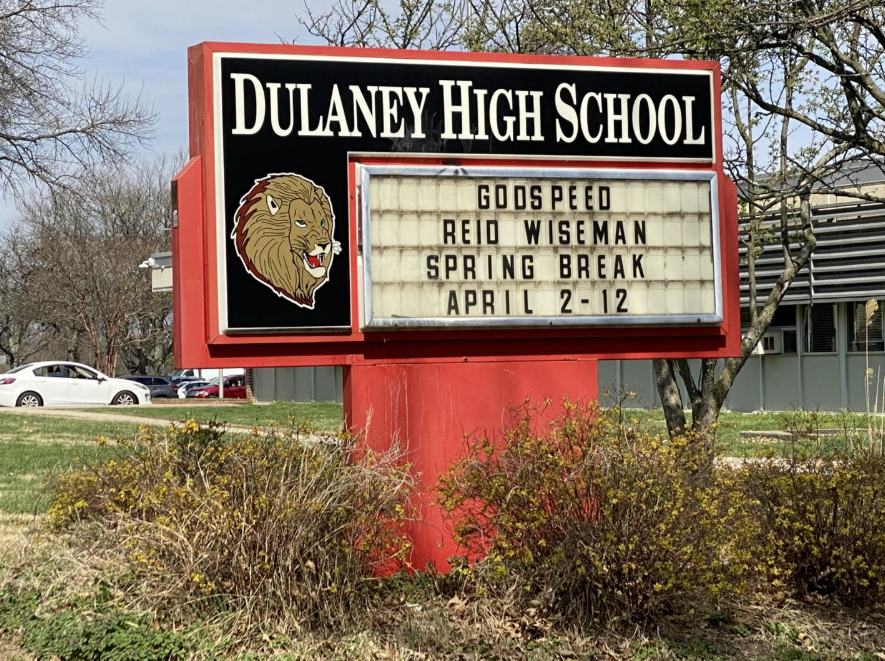
Astronaut’s high school hosts ‘splashdown party’
The former high school of Artemis II crew member Reid Wiseman is hosting a “splashdown party” to celebrate his return to Earth.
(Dulaney High School)
“While Reid will be splashing down in the Pacific Ocean, we are planning to mark the occasion here in Reid’s hometown,” Dulaney High School wrote in a post to Instagram.
The Holywood man takes a six shot lead into the weekend after a stunning display and his good friend Shane Lowry is in the chasing pack
00:03, 11 Apr 2026Updated 00:08, 11 Apr 2026
Rory McIlroy is determined to hold onto that green jacket and put on a sensational display on day two of The Masters.
The defending champion shot a sparkling 65 to take a staggering six shot lead at the halfway stage. – the largest ever after 36 holes at Augusta.
McIlroy birdied six of the last seven holes to tame Augusta and take control of the tournament at this early stage.
Advertisement
It was the Grand Slam champion at his very best in the final stages of that second round – the highlight a sublime chip in from the right side of the 17th green.
The world number two takes a commanding lead over American stars Sam Burns and Patrick Reed who are on six under.
Content cannot be displayed without consent
McIlroy won the tournament 12 months ago with a score of 11 under after four rounds.
When asked about the secret to his magical second round, he replied: “I don’t know, I was really good with my wedges today. I haven’t panicked when I have hit it off line.
Advertisement
“This course enables you to get on runs. When you’re feeling it around here you can get moemntum, the crowd gets on your side and you can keep it rolling. This afternoon was one of those afternoons.
“I’ve always loved this tournament, loved this golf course, even when I felt it didn’t love me back. When I miss fairways it’s fine, miss greens it’s fine. I sort of feel like I’m playing with the house’s money.”
Shane Lowry joins his good friend McIlroy in the top four after a superb bogey-free round of 69 on day two.
“I plotted my way around nicely. I got a couple of breaks. I hit a bad tee shot at the second and got away with it. Was great to finish with a birdie on the last,” said Lowry afterwards at Augusta.
“Any day you go around here bogey-free is a good day.”
‘Retirements and absentees have made it difficult for Malachy (O’Rourke) and there’s not the usual chest-beating confidence within the county going into the game’
Colm Cavanagh
00:01, 11 Apr 2026
Having signed up to do a recurring column throughout the Championship with Belfast Live, it’s fair to say that initial optimism on my part had taken a hit upon the dawning realisation that week one’s task would require a bit of a preview of the Armagh-Tyrone game this Sunday.
A hospital pass if there ever was one! Not ideal for me, but on a slightly more serious note, not ideal for Tyrone.
First of, admittedly quite a few things that worry me about this game from a Tyrone point of view including the scheduling, specifically the quick turnaround from the end of the League campaign.
Advertisement
In the pre-“split-season” era, counties had a lengthy post-League window that gave opportunities to underperforming teams to reset and get their house in order and plot an ambush on their Championship opponent.
That is no longer the case and, for Tyrone, the reality is that the team that walks behind the band at the Box-It Athletic Grounds on Sunday is one that’s just three weeks removed from ending their Division Two campaign with back-to-back defeats.
Armagh, on the other hand, will feel ready for the challenge. They’ve had a more than useful League campaign – no relegation deflation or League final to navigate.
They were the highest scorers in Division One in spite of being second-lowest in the two-point tally stakes. From an outside perspective, they feel like a team that’s highly motivated to give the country a reminder of their quality.
Advertisement
Armagh may have areas they want to improve in, but they are an outfit that have in place all of the basic requirements of top-level county football. They have an effective system, a clear understanding of individual roles, and it’s really clear when watching them that they have the ability to hurt opponents through collective pressure, rather than relying on off-the-cuff individual brilliance.
These are not, at least yet anyway, characteristics that define the Tyrone team. Where Armagh have certainty of what they are, this Tyrone team feels like it has an identity-crisis. There is an inevitability to this contrast given its Year 12 of McGeeney and only Year 2 of O’Rourke.
Additionally, it can’t be underplayed that retirements and absentees have made it difficult for Malachy to build his vision of a Tyrone team as quickly as I’m sure he’d like.
Advertisement
For the reasons above and more, there’s not the usual chest-beating confidence within the county going into the game.
Perhaps I’m looking back with rose-tinted glasses, but when I think about the Tyrone-Armagh games I was involved in, the overriding theme was that we had a team that had an ability, largely fuelled by mentality, to deliver when it counts.
No doubt about it, the Armagh team of today is on a different level to many of those its predecessor versions that I battled with, but in white-hot Ulster Championship contests, there were certainties that we knew we could count on – collective focus, knowing the system and playing with aggression.
Those are things that could be relied upon regardless of what the team’s form was or what outside noise was going on. We had an identity, and whilst the flaws or short-comings of that identity may have had holes picked in it, it was better than no identity at all.
Advertisement
Building that identity will be an on-going piece of work but in the meantime, there’s a match to play Sunday and I do feel there is more than a possibility for an upset.
Tyrone still possesses top level quality and a positive consequence of the new game is that it is harder to smother that quality with blankets and sweepers. The new rules also allow for momentum to be created or reversed in a very short-space of time. We’ve seen plenty of examples of this from both county and club fixtures over the last 12 months, instances where one team goes from seemingly cruising to a 10-point victory midway through a second half, to end-up on the wrong end of a result courtesy of a two-point blitz, or losing 10 consecutive kickouts. Armagh themselves have been perhaps the highest-profile victim in this new world.
There’s a lot, however, Tyrone have to get right to even get into a position to cause an upset and that starts with selection calls.
It’s fair to say that eyebrows have been raised among Red Hand supporters with some personnel decisions throughout the league. Key players are drifting in and out of the lineup and this has brought somewhat quiet, but legitimate, questions.
Advertisement
Armagh in contrast, seem to be able to ensure that any personnel issues they have had are kept from disrupting the focus and optimism of the playing group, and that contrast matters going into a game of this magnitude.
This all feels like uncharted territory for a Malachy O’Rourke team. He has built a stellar body of work as a manager at the top of the game.
I’ve always admired his calmness and control, as well as his ability to time-and-time again get the best out of players at his disposal.
If he gets the best out of Darragh Canavan, Kennedy and Kilpatrick, Tyrone can mount an upset, but it’s also going to require perfection in defensive match-ups, and finding long-range scoring threats outside of Ethan Jordan.
Advertisement
Unfortunately, it looks like Armagh’s game to lose, which is not a view I can remember holding too often going into past iterations of this fixture. Perhaps the only crumb of comfort I can hold on to is that I’d also predicted Armagh to win their last Championship outing.
Doctors told Rachel Finch, 37, an NHS Midwife at Wythenshawe Hospital, that her injuries were consistent with a car or rollercoaster crash
Lee Grimsditch
22:50, 10 Apr 2026
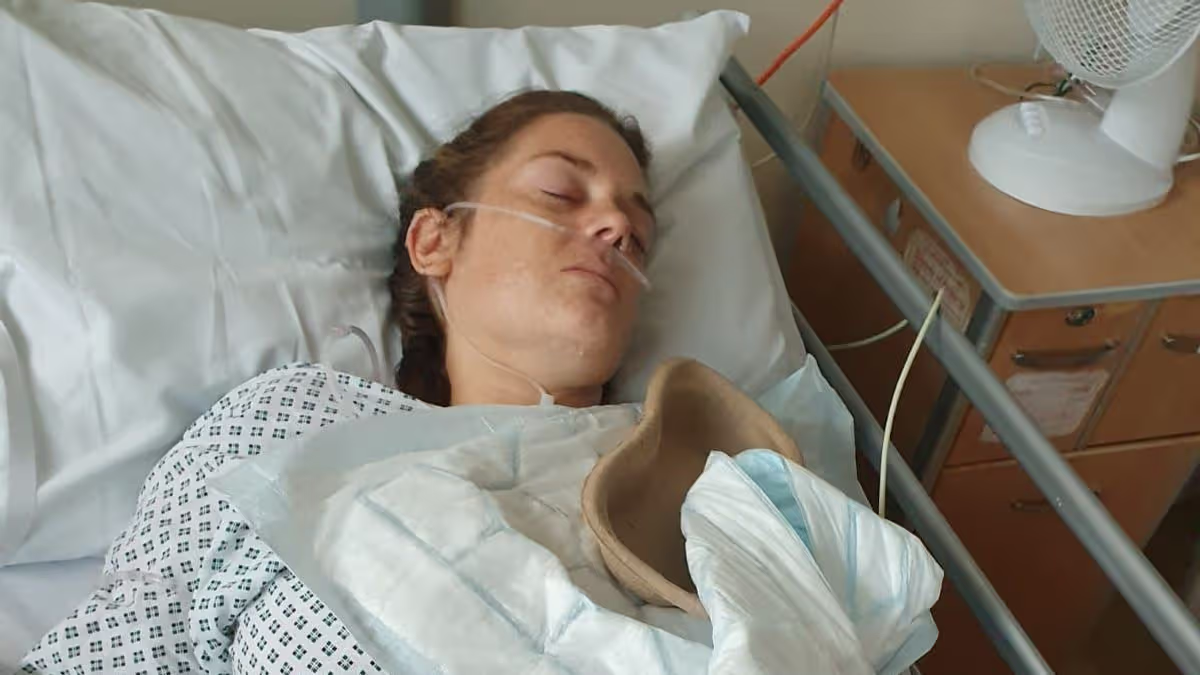
A mum who suffered a catastrophic injury while out running says doctors told her she was lucky not to have lost her leg. Rachel Finch, 37, from Warrington, suffered a ‘freak’ accident during a 14-mile training run with a friend.
The accident happened just weeks before she was due to run the 2023 Chester Marathon. The NHS Midwife who works at Wythenshawe Hospital said: “I was probably running the best I’d ever run. The weather was perfect for running.
“I was with my friend, and we’d just got over just nine miles. It was actually me that changed the route. We were supposed to run round this road, but I said, ‘Oh, shall we cut through there?’”
Advertisement
Rachel suggested to her friend that they take a different route than usual by cutting through the crematorium.
“I always think that was the biggest mistake I made because when we cut through, I tripped over the gate stopper. I didn’t fall as such; I was just stumbling and trying to stop myself from falling over.
“I placed my right leg on the floor really awkwardly and my knee locked. I remember thinking, ‘Oh, I’m going to break my knee.’ I thought my knee was going to go backwards. And then the next thing, I was on the floor.”
Rachel didn’t know it at the time, but she’d actually caused a catastrophic injury. A doctor later told her it was something you might see after a car or even a roller coaster accident.
Advertisement
“What had actually happened was my knee had locked in place, and that’s when my femur had literally just punched out the back of my pelvis because there was nowhere else for it to go. So then I collapsed on the floor in a heap,” said Rachel.
Apart from an initial “sharp” pain, Rachel said she didn’t feel anything else.
“I shouted to my friend, who was ever so slightly ahead of me, and said, ‘I can’t get up, I can’t get up.’ But I hadn’t tried to get up. So it was like subconsciously I knew that I couldn’t get up, because I’d not tried and there was no pain anymore.”
Advertisement
Rachel had blogged her who training in the run up to the marathon on social media. Not knowing how seriously she was injured, she asked her friend to take a photograph of her on the ground and thought it would be part of her “marathon story” that they would laugh at eventually.
Rachel said she didn’t feel anything while she was still. But when she tried to move, she felt a “piercing pain” through the centre of her body.
‘If they didn’t get me in soon, there was a potential I’d lose my leg’
After about 20 minutes, a group of people pulled up in their car after becoming concerned when they saw her lying on the ground.
“My friend was trying to get me to get out of the road because I was literally in the entrance to the car park, so no one could get past me. She was trying to tell me to try and drag myself to the side.
Advertisement
“But as soon as I stretched my arms out to pull, I got this piercing pain, so I said, ‘I can’t.’ I think people were more concerned that I was going to get run over because of where I was. So someone had pulled in and pulled their car in front of me so that no one could get past,” said Rachel.
Rachel told her friend not to call an ambulance. Instead, she asked her to ring her dad to pick her up. But when her dad arrived, he realised she was more severely injured and decided to dial 999.
As a low-category emergency, Rachel waited on the floor for two hours. When paramedics finally arrived, she got pain medication and was placed carefully into the ambulance on a board.
She was taken to Warrington Hospital, but following an X-ray, doctors discovered she had broken her pelvis, and she was sent to the specialist trauma unit at Aintree Hospital in Liverpool.
Advertisement
“When I arrived at Aintree, the doctor was waiting for me at the A&E with the consent form,” said Rachel. “It was quite frightening how quickly things were moving. I’m being consented as I’m being walked down the corridor.
“I’m a midwife, so we do emergency surgeries all the time. All I could think was, ‘This is what we do when we have an emergency.’ I was like, ‘Is it that bad?’
“Nobody was really telling me how bad things were, but I think by this point my foot had gone blue. They were worried that the femoral artery was blocked and that I wasn’t getting the correct blood flow to my leg.
Advertisement
“If they didn’t get me in soon, there was a potential I’d lose my leg.”
Rachel remembers being wheeled into the operating theatre still on the board used by the paramedics as the doctor said they didn’t want her to be moved any more than she already had been.
“I remember the theatre being absolute chaos,” said Rachel. “I started vomiting. There were people running around everywhere, noise everywhere. The last thing I remember was the doctor saying, ‘Can we just put the patient to sleep please?’
“And that was the last thing I remember before I woke up.”
Advertisement
Rachel underwent an operation to realign her hip. The following day, she had another operation to repair her pelvis. She spent a month in hospital before finally being allowed to return home, the Manchester Evening News reported.
Her initial recovery was slow and incredibly painful. The nerve damage pain was so intense that Rachel had to go back to hospital for another two weeks.
Three years later, Rachel is healed enough to run again. She is now training for the London Marathon, raising money for Day One, the trauma charity that helped her with emotional and financial support during her recovery. So far she’s raised over £4,300.
Advertisement
“They don’t think it will ever be a hundred percent now because I’ve had lots more surgeries to correct the foot drop,” said Rachel. “But the nerves are still completely dead.”
“As time’s gone on I’ve learned to do more. But I still have very poor awareness of where my leg is and where my foot is. If I can’t see my foot, I sometimes struggle. If I’m carrying something, for example, I trip up really easily because I can’t see my foot.”
She added: “Although I run, I feel sometimes it’s unfair on other people who have more serious injuries, but I feel I am running as a disabled person. It’s an invisible disability. It’s a bit like how I imagine it would feel like to run on a prosthetic limb, only mine’s not a prosthetic limb.”
Advertisement
Rachel said her natural positivity and family support, especially from her teenage son, helped her recovery. Day One trauma charity also helped by helping with her physio costs and putting her in touch with another person who had a similar injury, but from a different accident.
Freak injury
It wasn’t just Rachel and her family who were shocked by the level of injury she sustained while ‘just out running’. Medical staff have also been taken aback when she tells them how she suffered such a horrific injury.
“Doctors couldn’t believe what I’d done,” she said. “Whenever I spoke to a new doctor, they’d be like, ‘So you did this running?’ They were very confused.
Advertisement
“They said the accident itself was a low-impact accident, but I’d come out with a high-impact injury. The injury I’d come out with was an injury that they see more when people have like car accidents or rollercoaster accidents where their knees are pushed back.”
Despite her ordeal, Rachel remains positive about the future, particularly about getting back to running again.
She added: “It’s about adaptation more than improvement. I don’t think things are going to get better than they are now. But I’m back hiking, back running, back at work. I’m happy where I am.
Advertisement
“I do sometimes feel I’m living with a completely invisible disability. People say, ‘Isn’t it great you’re back to running,’ and I’m like, I have recovered well, but it’s not gone away. I’m just learning to live with it.”
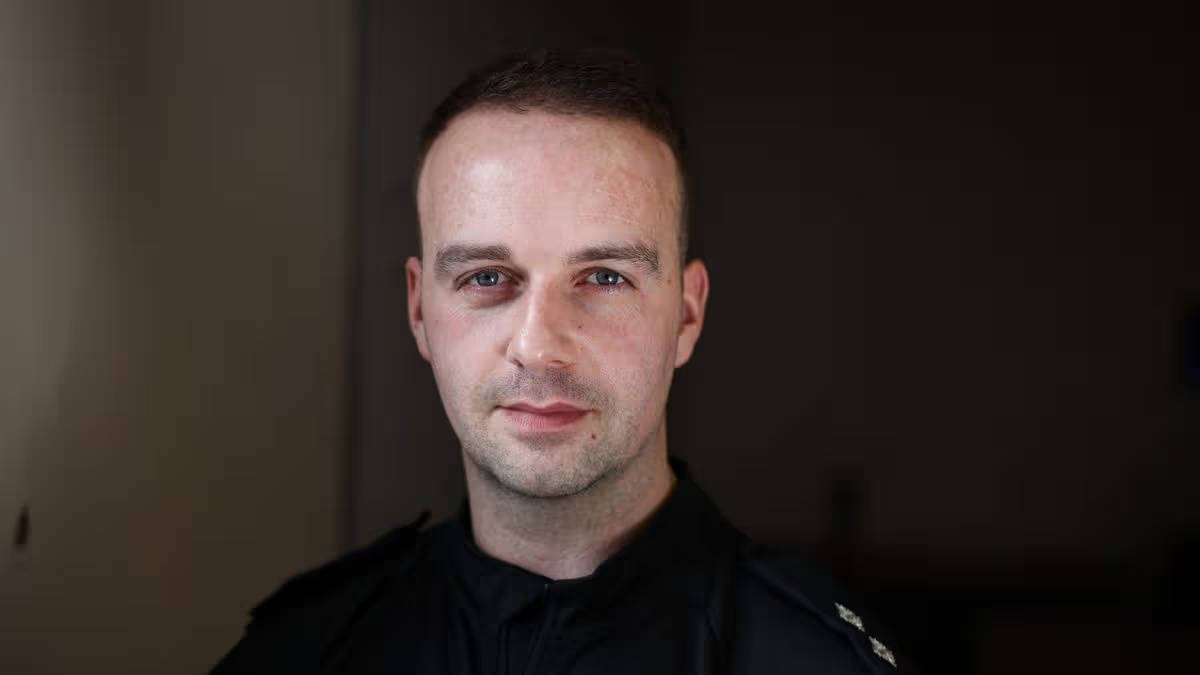
A man who died after falling from a bridge over the M60 was a former Greater Manchester Police inspector who left the force while facing misconduct proceedings over ‘sexist and objectifying’ messages about a female colleague.
Jonathan Ezard, known as Jon, stepped down last year after sending messages his superiors deemed to be ‘misogynistic, degrading and disrespectful’. He was also alleged to have shared images of the officer with a former colleague.
Mr Ezard, who passed away last month, departed GMP ahead of a misconduct hearing scheduled for last September. The former inspector, who was granted anonymity by force bosses, would have faced the sack had he not already tendered his resignation. He is believed to have lodged an appeal, though a hearing was never convened.
His family and former colleagues have voiced their fury at force bosses over the manner in which his case was handled.
Advertisement
His loved ones said in a statement: “The circumstances in which Jon left the police service – a misconduct allegation that was unfairly characterised, pursued and decided upon – utterly devastated him, as did the fact that his appeal, which we expected to succeed, was never given a date to be heard.”
Mr Ezard died after falling from Barton Bridge, over the M60 in Salford, on March 31. The circumstances surrounding the incident are not thought to be suspicious, reports the MEN.
A spokesperson for Bolton Coroners’ Court, which covers Salford, said a file in Mr Ezard’s name had been received. An inquest is expected to open in due course.
In the wake of the tragedy, sources told the Manchester Evening News Mr Ezard struggled after leaving GMP, but appeared to be doing well after getting a job at Amazon. He is understood to have recently been made redundant from the company.
Advertisement
Former colleagues slammed GMP bosses over their handling of the case. One said he fell ‘foul of today’s increasingly imbalanced misconduct and cut throat dismissal system’.
“I’m angry that yet another colleague felt there was no other option available to him,” the officer added. GMP said it was ‘deeply saddened’ by Mr Ezard’s death.
Misconduct hearing held last year
In the reports from the misconduct hearing last year, Mr Ezard was not named at the time. GMP’s chief resources officer Lee Rawlinson said the allegations – which he found amounted to gross misconduct – involved the sharing of images and messages on January 1 and 8, 2025.
The hearing was told Mr Ezard accepted his conduct was ‘sexist, objectifying, inappropriate and wrong’, but denied it amounted to gross misconduct.
He was said to have ‘actively sought out’ photographs of a new ‘young female officer’ from her social media account and sent them to an officer at a different force. ‘Objectifying and demeaning’ messages followed, it was said.
Mr Ezard was said to have been ‘actively searching out and sharing images of a female colleague purely for the purpose of discussing that colleague’s attractiveness’.
Advertisement
Mr Rawlinson said: “The former officer has acknowledged his behaviour objectified women and his actions were misogynistic, although I accept there is no evidence to suggest he has a hatred of women at all.”
Mr Ezard was said to have been an ‘experienced officer of many years service and training’. His name was added to the College of Policing’s ‘Barred List’, preventing him from working in policing again.
Mr Ezard was a key part of Operation Venture, launched in 2022, tackling violence and knife crime. He received a number of awards and commendations and was heavily involved in efforts to smash organised crime. In 2013, Mr Ezard took on a trek across the Sahara, raising almost £10,000 in memory of murdered PCs Fiona Bone and Nicola Hughes.
A former colleague defended Mr Ezard, insisting the messages at the centre of the misconduct proceedings were not misogynistic. Another said he was a ‘dedicated police officer… admired by many of those he led.”
Advertisement
They added: “For the most part he served with pride, was the recipient of many awards and commendations, championed for his leadership.”
They said Mr Ezard fell ‘foul of today’s increasingly imbalanced misconduct and cut throat dismissal system’, adding: “It appeared… that he was doing well outside of policing. News of his untimely death has left me feeling numb, deep sorrow and anger.
“I’m angry that yet another colleague felt there was no other option available to him. That a system and profession he gave everything to treated him with such hostility and contempt towards the end of his career, seeking to reduce the majority of his unblemished service, diligence and sacrifice to others, to a line on a barred list.
“
Advertisement
A GMP spokesperson said: “We are deeply saddened by the death of former Inspector Jonathan Ezard. Our thoughts are firstly with his family as with all former colleagues who are impacted by this news.
“We are offering our support to those officers and staff directly impacted at this incredibly difficult time. We will continue to support the coronial investigation to help his loved ones get the answers they deserve.”
Family ‘devastated’ by death
The Greater Manchester Police Federation, which is liaising with Mr Ezard’s family, said it was ‘saddened to hear of the death of former police inspector Jon Ezard recently’.
Advertisement
A statement from Mr Ezard’s family read: “We are devastated to confirm the passing of our beloved Jon. Jon was first and foremost a devoted husband, a proud and loving father, a cherished son, a loyal brother and a friend to many.
To us, he was the centre of our family, a source of strength, kindness and unwavering support. His love for his family shaped every part of his life and the memories we shared with him will stay with us forever. Jon served his community with dedication during his time as a police inspector, a role he carried out with pride, purpose and a strong sense of duty.
“Jon was widely known for his commitment to charitable work and community fundraising-always willing to lend his time, energy and compassion to causes that helped friends and families of fallen colleagues.
“The circumstances in which Jon left the police service – a misconduct allegation that was unfairly characterised, pursued and decided upon-utterly devastated him, as did the fact that his appeal, which we expected to succeed, was never given a date to be heard. We have no further comment on this at this time.
Advertisement
“Jon’s death has come as an immense shock to those who loved him. Our family is heartbroken and trying to process an unimaginable loss.
“We hope that Jon will be remembered for the life he lived, for his dedication to serving others, the difference he made in his community and the love he gave to his family and friends.
“We are deeply grateful for the kindness, compassion and messages of support we have received from friends, colleagues and members of the public.”
Injury problems have plagued James in recent campaigns, but he has looked back to his very best this season under both Enzo Maresca and Liam Rosenior.
The 26-year-old is currently recovering from a hamstring injury and is back running on the grass, but despite the recent setback there is no questioning that James has been one of Chelsea’s standout players this term.
Such performances saw James rewarded with a new contract until 2032 last month, but there remains an air of uncertainty over the long-term future of several key Chelsea players in the wake of comments by Enzo Fernandes and Marc Cucurella.
Advertisement
Both players questioned the club’s decision to sack Maresca and its transfer policy, while Fernandez appeared to publicly court a move to Real Madrid.
And former Blues full-back Glen Johnson believes Arne Slot’s side should try to capitalise on that uncertainty and lure James away from the Chelsea project to Anfield in the summer.
‘To be honest, given how versatile Reece James is, I think he’d suit anyone,’ Johnson told Boyle Sports.
Reece James has had a stellar season at Chelsea (Picture: Getty)
‘Because in terms of his ability, he can do a job all over the pitch. He’s a fantastic player, but to have that versatility in your squad is invaluable.
‘He could fill in at left-back, play centre-half in a back three, or be a right wing-back or a midfielder. I think he would genuinely suit any club, especially one going through a few changes or dealing with injuries.
Advertisement
‘Players like him are hard to find because I don’t think he would go to a club expecting to play 50 games at right-back, for example. It’s not going to happen.
The Blues skipper is under contract until 2028 (Picture: Getty)
‘So, to have a player who can adapt and do whatever the team and squad need, I think a lot of teams would want that option.’
Johnson continued: ‘I’d love to see him at Liverpool, that’s for sure. I think he would suit Liverpool, probably more so than Arsenal.
‘And I think Manchester United would probably want him as well. But Liverpool could be a very good fit, to be honest.
‘We spoke about the right-back option with Jeremie Frimpong and others, but as I said, Reece isn’t going to go to a club and play a solid 40 games in one position. He just isn’t.
Advertisement
‘So, to have him as an option, perhaps in midfield, especially since Liverpool are still in all competitions and will have so many games, injuries, and suspensions, I think he’d be perfect.
Melania sent shockwaves through the Whitehouse yesterday as she issued a statement about her alleged ties to Epstein.
Emma Mackenzie and Eilidh Farquhar Trainee Trends, Showbiz and Lifestyle Writer
22:21, 10 Apr 2026Updated 22:22, 10 Apr 2026
First Lady Melania Trump reportedly “blindsided” her husband President Donald Trump yesterday (April 9) as she shared a statement around the “lies” surrounding her and convicted sex offender Jeffrey Epstein. Melania insisted she had “never been friends” with the American financier and the smears “need to end today.”
Melania went on to say online theories she met her husband through Epstein were “mean-spirited attempts to defame my reputation”. She then went on to add: “The individuals lying about me are devoid of ethical standards, humility and respect.”
While Trump has since claimed he “didn’t know anything” about his wife’s shock speech, he did back up her claim by stating “she didn’t know [Epstein]”. Trump is currently watching over his conditional ceasefire in the Middle East, with peace talks currently set to take place in Pakistan this weekend.
Advertisement
Since the announcement, in which Melania urged for Epstein survivors to be given the opportunity to speak at Congressional hearings, an expert said it is clear Donald and Melania are now operating on separate tracks, reports the Mirror.
Chartered counselling psychologist, Dr Jane Halsall, described Melania’s recent move as a psychological “assertion of agency”. Trump also being unaware of the statement suggests Melania did not seek approval beforehand, hinting “alignment is absent” in their relationship.
Dr Halsall said: “From a psychological perspective, the fact that Donald Trump was unaware of such a significant and emotionally charged statement by Melania Trump is very insightful into their relational dynamics. It raises important questions about communication, alignment, and autonomy within high-profile relationships.
“In close partnerships particularly those lived out in the public eye there is often an assumption of shared messaging and mutual awareness, especially around issues as sensitive as advocacy for victims. The fact that she didn’t seek approval or share her intentions shows how alignment is absent in their partnership and how both these powerful individuals are operating in parallel rather than in emotional synchrony.
“This doesn’t necessarily indicate dysfunction, but it may suggest a relationship where independence is prioritised over cohesion, or where communication is more strategic than intimate, something that is unusual for a couple in such a high profile position.”
Speculation around the state of Donald and Melania’s marriage has been circulating for years, with Trump’s long-term biographer Michael Wolff claiming last year they are essentially “separated”.
Another source also mentioned in 2023 the couple only come together for the occasional dinner at Trump’s Palm Beach mansion. This claim arose after the President allegedly had an affair with Stormy Daniels.
Advertisement
The source said at the time: “Their paths barely cross. Melania is no different to any woman. Having her husband accused of cheating on her not just once but twice is extremely disturbing. There is little wonder people believe it’s not just the criminal court Trump is heading to but possibly a divorce one too.”
Since the First Lady broke her silence regarding the allegation of her supposed relationship with Epstein, her advisor Marc Beckham told the New York Post that Melania chose to speak out now because “enough is enough”.
He added: “It is time for the public and media to focus on her incredible achievements as First Lady, the lives she has positively impacted, and her commitment to our nation.”
Advertisement
Dr Halshall also believes Melania chose to make this statement without Donald’s approval as she may have been at “risk of being shut down” if she opened up about her plans.
The expert explained: “Melania’s decision to speak in a way that advocated for the victims can be understood as an assertion of personal agency. Her desire to defend herself publicly was to reclaim some control and shift the narrative that she personally was in some way involved in the Epstein files.
“Would she have had the opportunity to share her voice if she had asked permission first? The fact she did not risk being shut down, shows how compelled she felt to get her words across and regain psychological coherence.”
While it should be noted being mentioned in the Epstein files does not automatically indicate any wrongdoing, many people have kept quiet about the controversial files. However, by choosing to speak out, Dr Halshall says Melania is “redefining” the role of the First Lady.
Advertisement
She explained: “In high-profile roles, silence is rarely neutral; it is often interpreted, projected onto, or even weaponised. As a result, her speaking out was about reclaiming authorship over her identity and letting the victims know that they have a powerful First Lady in their corner.
“In this context, her advocacy was a deliberate effort to realign how she is seen with what she believes, an act that, psychologically, reflects both self-protection and self-definition. Psychologically, this reflects a shift from a traditionally symbolic or supportive role and modernises the representation of the first lady into someone that is values led and self-directed.
“For someone in her position, that carries weight. It signals not just a stance on an issue, but a redefinition of identity within the relationship and in the public sphere.”
The Northern Irishman produced the kind of flex associated with a career grand slam winner just as Ryder Cup team-mates Tyrrell Hatton and Justin Rose were closing out their rounds within a shot of the lead.
Rory McIlroy began to strengthen his grip on his defence of the Masters title after moving clear at the top of the second-round leaderboard at Augusta National.
Advertisement
Three successive birdies from the second had put him three clear on eight under but a poor chip at the fifth cost him a shot as he turned in 34.
The Northern Irishman produced the kind of flex associated with a career grand slam winner just as Ryder Cup team-mates Tyrrell Hatton and Justin Rose were closing out their rounds within a shot of the lead.
Hatton’s 66 moved him to four under, while Rose – loser in the play-off last year – reached five under, which had been the score to match at the top, with a 69.
But McIlroy was in no mood for challengers and a wedge to six feet after finding a fairway bunker at the second started his run of birdies.
Advertisement
He chipped to three feet after driving close to the front of the 350-yard third and, having flirted with the greenside bunker at the next, he rolled in a 22-foot putt to get to eight under and celebrate with a fist pump.
But he was fractionally out with his approach to the fifth and a clumsy chip from the fringe rolled nine feet past for bogey.
Patrick Reed, champion in 2018, closed to within one after three birdies in his first 12 holes, with Rose a shot further back but safely in the clubhouse after four birdies in five holes from the seventh boosted a round that was going nowhere.
The 45-year-old would give a shot back after going long at the par-three 12th, but a birdie on the 15th righted that mistake.
Advertisement
Rose said this year’s near miss in a play-off against McIlroy had not had a bearing on his current approach.
“Of course I want to win this tournament. I don’t really need to try any harder,” he said.
“I just think the experience in that is probably trying harder ain’t going to help me so that’s probably the dance I’m doing with myself. I know the intrinsic motivation is there.
“I felt like I got into a bit of cruise control today. I felt like I was cruising through the round and I was on the front foot for the last few hours of the round.
Advertisement
“If I was thinking anything, I was thinking birdie. That’s a nice mode to be in and that felt similar to Sunday last year (when) I felt like I needed to birdie every hole.”
The Press earlier today reported on the pre-packaged sale of the Potion’s Cauldron to the Potions Group, a connected company.
Finance and real estate advisory company BTG says the sale they facilitated saved 72 jobs and sees service continuing across sites in England.
The sale of the business, encompassing its operational assets and trading locations in England, was completed today (fri) following the appointment of joint administrators and licensed insolvency practitioners Asher Miller and Stephen Katz, Partners from BTG’s London office, on the same day.
The York-based company, which operated 10 sites across the North of England and Scotland trading as The Potions Cauldron, Hole In Wand, The Potions Academy and The Potions Express, provided services including potion making experiences, mini golf, and drinks retail and wholesale alongside a growing range of licenced drinks products.
BTG said in a statement that after a number of years of rising costs amidst challenging trading conditions leaving the business in a distressed position, the directors approached BTG’s Restructuring team for advice.
Following a broad accelerated marketing exercise, BTG explained it was clear that a prepacked administration sale would maximise value whilst saving the business and as many jobs as possible, with the strategy and eventual sale to the highest bidder supported by the Company’s primary secured creditor.
Advertisement
The successful purchaser is York-based The Potions Group Ltd, a connected company. The sale includes the business and its sites in York, Leeds, Chester, Blackpool and Seaham, however, the former store in Edinburgh has closed with its four employees being made redundant.
Asher Miller, Restructuring Partner at BTG, said: “We are delighted to have been able to facilitate the prepackaged sale of this unique business to maintain continuity of service to its customers and save 72 jobs across the sites that have been acquired.
“Trading conditions for retailers, hospitality businesses and the leisure industry have been incredibly difficult as low spending and demand from customers is compounded by rising employment costs alongside rises in energy costs and business rates.
“The sale achieved means that service can continue for customers in the majority of locations without disruption and as many jobs as possible have been preserved. We wish the business every success for the future.”
A man in his 30s died at the scene after a blue Yamaha off-road motorbike collided with a barrier used to close a car park
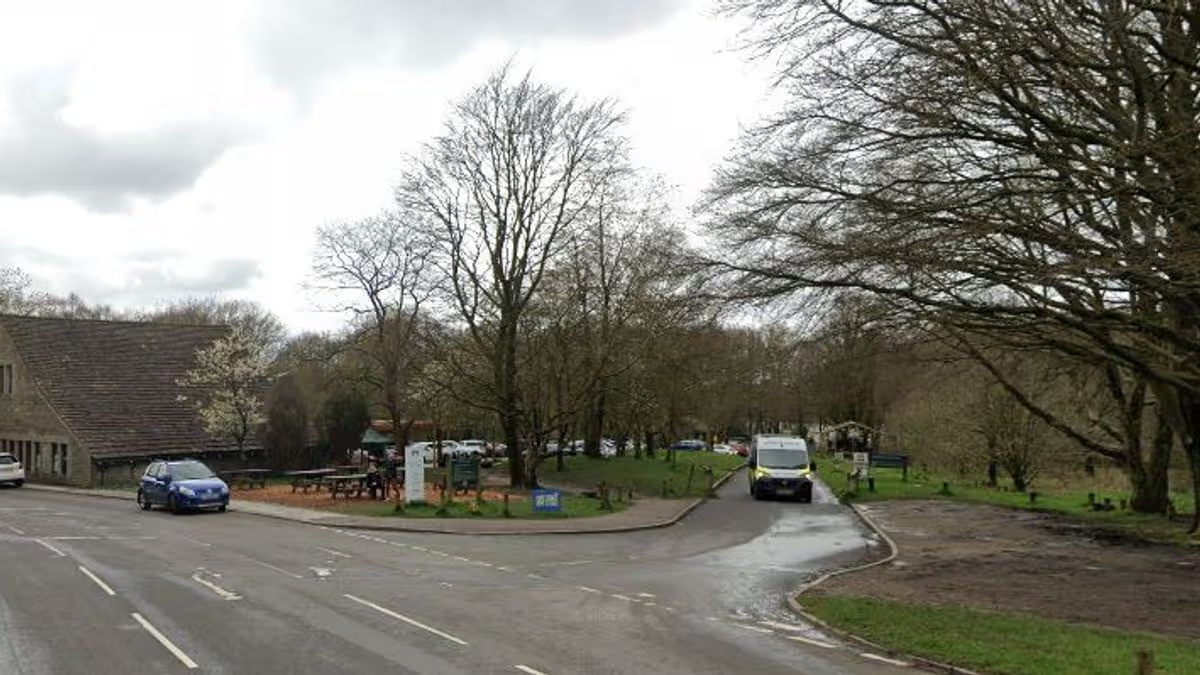
A man has tragically died after a motorbike was smashed into a car park barrier in Bolton. Police and paramedics were called to the incident on Rivington Lane, near Rivington Pike at around 9pm on Wednesday (April 8).
Advertisement
It was reported that a blue Yamaha off-road motorbike collided with a barrier used to close a car park. The rider, a man in his 30s died at the scene and the passenger, a woman in her 30s was taken to hospital with minor injuries. She has since been discharged, Lancashire Police said.
His family are being supported by specialist officers following the fatal incident. Lancashire Police are now appealing for witnesses and footage to come forward.
Get MEN Premium now for just £1 HERE – or get involved in our WhatsApp group by clicking HERE. And don’t miss out on our brilliant selection of newsletters HERE.
The collision was reported along Rivington Lane, on the approach to Rivington Hall Barn, Rivington. Anyone who also saw the bike being ridden in nearby residential areas is urged to contact police.
Advertisement
Sergeant Andrew Swindlehurst, of the Roads Policing Unit said: “A man has very sadly died following this collision and our thoughts remain with him and his loved ones at this difficult time.
“We are in the early stages of our investigation and I am appealing directly to you, the public, for your assistance. If you witnessed this collision, have any CCTV, dashcam or doorbell footage, or have any information that could assist us please do get in touch with us.
“In addition to footage directly around the scene, we are also appealing for any footage of the motorbike being ridden around nearby residential areas. Please contact us on 101 quoting log 1561 of 8th April or email the Serious Collision Investigation Unit at SCIU@lancashire.police.uk”





















































You must be logged in to post a comment Login