News Beat
From two types of cancer to STIs

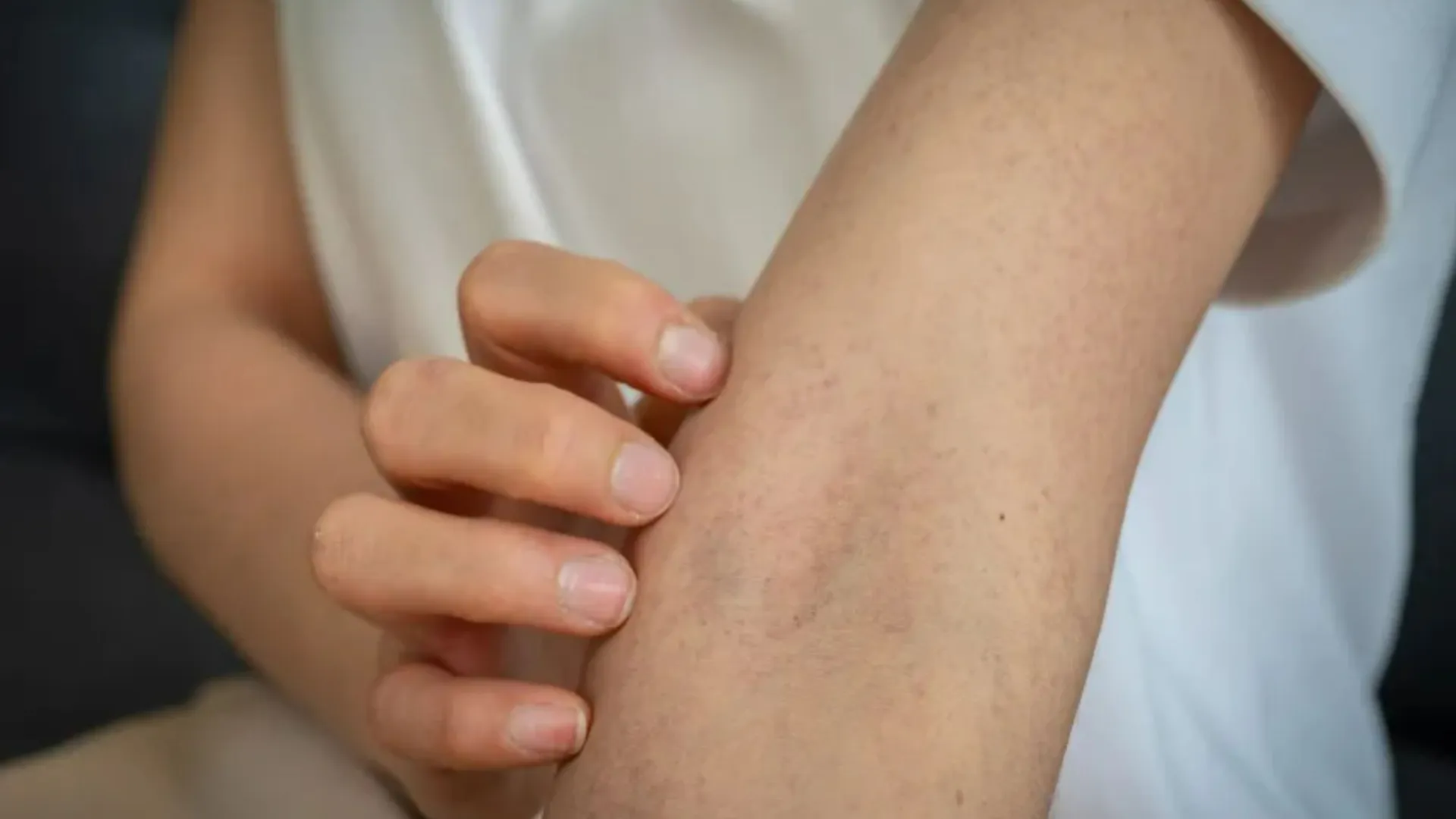

THERE are few things as satisfying as scratching an itch.
But when your itch keeps recurring and starts to affect your day-to-day life, it could be signalling something serious going on with your health.
There’s a scientific reason as to why scratching an itch feels so good.
When you scratch, the brain’s reward centres are triggered, releasing neurotransmitters like serotonin and dopamine which give you a feeling of pleasure, despite the potential for harm of scratching too much.
But if feeling itchy leaves you scratching for hours and keeps you awake at night, it could be time you visit your GP.
One of the most common causes of itchiness is due to dry skin – particularly due to frequent bathing and colder weather.
Dr Ioannis Liakas, medical director of Vie Aesthetics and honorary senior lecturer at Queen Mary Medical School, added: “Itching in common areas like the arms, legs and scalp is usually linked to dry skin, eczema, or irritation from harsh soaps and detergents.
“You can generally manage these with regular moisturising, using fragrance-free products, and keeping showers lukewarm rather than hot.”
But prolonged itching that lingers or appears in more specific areas, like your palms, soles, or around the eyes and genitals, deserves closer attention, warned Dr Liakas.
He advised: “A persistent itch in these regions can be an early sign of underlying medical conditions, including liver or kidney disease, thyroid dysfunction, or even certain blood disorders.
“These conditions can alter your body’s chemical balance or circulation, triggering itchiness from within rather than on the surface.”
So when is an itch normal and when could it be the sign of an underlying condition?
Sun Health’s experts have shared the other potential causes of itchy skin to be aware of – and when it’s time to seek medical help .
SEXUALLY TRANSMITTED INFECTIONS (STIS)
Itching is a common sign of an STI, including chlamydia, gonorrhoea, herpes, and public lice.
Dr Deborah Lee of Dr Fox Online Pharmacy explained: “Sexually transmitted infections caused by bacteria, viruses, fungi and parasites all cause inflammation and nerve irritation. As a result, the chemical histamine is released, which attaches to histamine receptors in the skin, and sends nerve signals to the brain which are perceived as itching.”
Itching can be one of the first signs of an STI, said Dr Lee.
She added: “It can be intense and may continue even after treatment.
“Itching is usually in the genital region, and there may be other symptoms such as redness, swelling, soreness, vaginal or penile discharge, pain passing urine and/or pelvic pain, or painful sex.
“Alternatively, it could be the only STI symptom.”
However, it’s important to note most STIs are asymptomatic, and you only know you have them if you’ve been tested and receive a positive result.
Also, genital itching can be, and frequently is, caused by local sensitivity to hygiene products such as soap, shower gel, or shampoo, or the use of wipes, douches and feminine products, which Dr Lee advised shouldn’t be used on the genital area.
She addedd: “If you have genital itching, it’s always best to seek medical advice. Ideally make an appointment at the sexual health clinic or see your GP.
“Try not to be shy or embarrassed as the staff are well-trained and will do all they can to put you at your ease.
“You can also obtain a free chlamydia screening test also from your local pharmacy or use a postal kit.”
DIABETES
An itch isn’t an early warning sign of diabetes, but in people with long-term or poorly controlled blood sugar, it can develop, said Dr Tina Tian, a consultant dermatologist at Stratum Clinics.
She explained: “High glucose levels in the skin and sweat make it easier for bacteria and fungi to grow, while changes in circulation and nerve function can lead to drier, more irritable skin.
“Together, these factors can make the skin itchy, particularly on the lower legs and feet.”
The groin or genital area may also itch, notes Dr Tian, because fungal infections such as thrush thrive in warm, glucose-rich environments.
She added: “Studies suggest that between a quarter and a third of people with long-standing diabetes experience some degree of itch.
“It tends to be more common when glucose control is poor or when neuropathy or dryness are present.
“If itchiness is persistent an unexplained – especially if you also have increased third, frequent urination, tiredness or recurrent skin or fungal infections – it’s worth asking your GP for a blood sugar check.”
THYROID ISSUES
Itchiness can be a sign of thyroid disease and tends to occur in the later stages of the condition.
According to Dr Magnus Lynch, a consultant dermatologist, the itchiness can occur anywhere on the body.
He explained: “Generally, you will experience intermittent itching, particularly due to dry skin. Consistent widespread itching is less common.”
Persistent severe itching that isn’t responding to treatment, or other signs of thyroid disease, could raise concerns, said Dr Lynch – other signs including dry, rough skin, brittle nails, hair loss, fatigue, and cold intolerance.
Weight gain, constipation, feeling hot or sweating, weight loss, tremors, diarrhoea or altered bowel motions, swelling of the neck or bulging of the eyes are other symptoms linked to the condition.
Dr Lynch added while itchiness can be a sign of thyroid disease, it’s not the most common sign.
LIVER DISEASE
Persistent itchiness, especially without a rash, can be an early or ongoing symptom of liver disease – particularly in rarer conditions like primary biliary cholangitis (PBC), primary sclerosing cholangitis (PSC), and other cholestatic liver diseases, said Vanessa Hebditch, director of communications and policy at the British Liver Trust.
She added: “People who have more advanced liver disease from other causes, such as alcohol or obesity can experience itching in the later stages of disease.
“Scientists are not sure why but it may be caused by
bile salts, histamine, or other substances accumulating in the bloodstream due to impaired liver function.”
Itchiness typically appears in the later stages of liver disease, once liver damage has progressed and bile flow is disrupted.
But in some conditions like PBC, itching may be one of the earliest
symptoms, even before other signs emerge.
Vanessa said: “Some people with liver disease experience generalised itching all over the body, especially at night or after hot showers.
“Others experience it in localised area such as the arms and legs, palms of the hands or soles of the feet.”
As there are many other causes for itching, it’s also important to look out for other risk factors for liver disease, for example, regularly drinking more than 50 units a week if you are a man or 35 units a week if you are a woman, have type 2 diabetes or are overweight.
Vanessa continued: “The frequency of itching with liver disease really varies from person to person. Some people experience intermittent mild itching and others (particularly those with PBC) suffer from persistent, intense itching that disrupts sleep and daily life.
“For some people with PBC, the itching can be such a severe symptom that they need a transplant.
“The itching may worsen with heat, stress, or certain clothing so it’s important to stay cool, wear natural breathable fabrics and ensure that air is able to circulate.”
The British Liver Trust recommends you should seek medical advice if the itching is persistent and unexplained’ or accompanied by other symptoms or risk factors for liver disease.
Anyone who is 20 plus weeks pregnant and has itching not linked to a rash should contact their maternity provider as this can indicate a rare form of pregnancy related liver disease.
Liver disease usually develops without any symptoms at all.
Anyone can develop liver disease, but there are some things that make it more likely.
Some causes of liver disease, such as genetic and autoimmune diseases, are totally outside our control. While with other risk factors, like alcohol, we have the chance to reduce our risk of liver disease and liver cancer.
Together alcohol, metabolic risk factors such as type 2 diabetes and excess body weight, and viral hepatitis are behind nine in 10 cases of liver disease.
Other symptoms of liver disease to be aware of are fatigue, abdominal pain or swelling, jaundice, dark urine or pale stools, loss of appetite, nausea or vomiting, swelling in legs or ankles, easy bruising or bleeding, and confusion or difficulty concentrating.
KIDNEY DISEASE
Itchiness can be a sign of kidney disease, but usually in more advanced cases, said Dr Tian.
When the kidneys struggle to filter waste, certain chemicals build up in the blood and irritate the skin and nerves – a condition known as chronic kidney disease-associated pruritus.
Dr Tian explained: “The itchiness is often widespread – affecting the back, arms, scalp or trunk – and can be worse at night. The skin may look normal but feel intensely itchy.
“If you have persistent, unexplained, widespread itchiness together with swelling around the eyes or ankles, changes in urination, tiredness or nausea, it’s worth having simple blood and urine tests to check kidney function.”
Other symptoms of kidney disease worth looking out for include puffiness around the eyes or ankles, reduced or foamy urine, tiredness, loss of appetite, or poor sleep, and muscle cramps or nausea.
PANCREATIC CANCER
In some cases, itchiness can be an early warning sign of pancreatic cancer, often caused by a build of bile salts in the skin.
Heather Archbold, health information and research manager at Pancreatic Cancer Action, said: “This happens when a tumour blocks the bile duct, preventing bile from draining properly. As bile backs up into the bloodstream, it can cause the skin to become intensely itchy before other symptoms appear.”
Itchiness linked to pancreatic cancer usually affects the hands, feet, arms and legs, she added, but may also occur all over the body.
She added: “It can sometimes be worse on the palms of the hands or soles of the feet, but it is not limited to one area.
“The itchiness can also be constant or come and go, but it often becomes more persistent over time.
“It may worsen at night or after a hot shower, and ordinary moisturisers or antihistamines rarely bring relief.”
And people with pancreatic cancer often describe the itchiness as an intense, deep itch, that feels impossible to scratch away.
Skin might also look normal or slightly yellow, and scratching can sometimes cause soreness or small marks, said Heather.
But because itching is such a common symptoms, it’s easy to mistake for dry skin, eczema, or an allergic reaction.
Heather advised: “When itching appears with other unexplained symptoms, especially yellowing of the skin or eyes it’s important to get checked by a GP urgently.”
BLOOD CANCER
Itching that won’t go away, often described as a prickling, burning or crawling sensation, can sometimes be a symptom of blood cancer.
Gemma Trout, senior nurse at Blood Cancer UK, said: “It isn’t one of the most common signs, but when it does appear, it’s seen most often in certain myeloproliferative neoplasms (MPNs) such as polycythaemia vera (PV), essential thrombocythaemia (ET) and myelofibrosis (MF).
“It can also show up in some types of lymphoma, particularly Hodgkin lymphoma.
“These are all forms of blood cancer, which together include leukaemia, lymphoma and myeloma, and is diagnosed in around 41,000 people every year in the UK.”
For some, the itching starts early, even months before diagnosis.
Gemma added: “People with PV, for example, often say it was one of the first things they noticed.
“But itching alone can’t tell you how advanced the disease is, or even whether it is blood cancer.
“Many people with blood cancer never experience itching, and of course most people who do itch have far more common explanations such as allergies or dry skin.
“The key is persistence, if it continues and you can’t explain it, speak to a doctor.”
The sensation can strike anywhere, but it’s most often reported on the chest, back, arms and legs.
Gemma said: “Some people describe it as ‘under the skin’ rather than on the surface.
“On lighter skin tones it can look red or raised, while on darker skin it may appear as darker patches or bumps.
“In MPNs such as PV, warm water is a well-known trigger – that post-shower, full-body itch that just won’t settle – something called aquagenic pruritus.”
While most causes of itching are harmless, Gemma says talk to your GP if the itch has no obvious cause or keeps getting worse, it affects large areas of your body, it doesn’t ease with moisturiser or changing products, it comes along with other symptoms (such as weight loss or fatigue), or if symptoms persist over days or weeks
A simple blood test can often give your doctor the first clues if something more serious is going on.
Other symptoms of blood cancer worth looking out for include unexplained weight loss, bruising or bleeding that seems unusual, lumps or swollen glands in the neck, armpit or groin, repeated or persistent infections, drenching night sweats, tiredness or breathlessness that doesn’t improve with rest, and pain in your bones, joints or abdomen.
Gemma added: “Blood cancer is the UK’s fifth most common cancer and the UK’s third biggest cancer killer yet many people still don’t recognise its symptoms.
“If something feels off, trust your instincts and get checked. Because getting a diagnosis really does help beat blood cancer.”
WHEN TO SEE YOUR GP
If itching lasts longer than two weeks without a clear cause, or if it’s affecting your sleep or daily comfort, it’s time to see your GP, said Dr Liakas.
He added: ” A few simple tests can rule out systemic issues. Catching these signs early helps you find out whether a minor itch is masking something more serious.”
According to Chemist Click pharmacist Abbas Kanani, treatment depends on what’s causing your itchiness.
He said: “Typically, a moisturiser or emollient is recommended for dry or flaky skin, a cream with menthol which helps to cool the skin and prevent itching, a mild steroid cream can help with inflamed areas and antihistamines for an allergic reaction, but these may not be suitable for everyone.”
But if itchiness is accompanied by other symptoms, such as a rash or lump, definitely get checked out, he added.
Other possible causes of itchy skin, according to the NHS
Skin reactions to heat or something you’re allergic to
Allergies, hives, heat rash (prickly heat)
Long-term skin conditions
Dandruff, eczema, psoriasis
Fungal skin infections
Thrush, ringworm, athlete’s foot
Parasites or insects living on the skin
Scabies, head lice, pubic lice
Pregnancy
Itchy skin is common during pregnancy.
It’s usually nothing to worry about but it’s important to check with a GP or midwife because it can sometimes be caused by a liver condition called intrahepatic cholestasis of pregnancy (ICP).