
News Beat
GP warns not to mistake symptoms of ‘serious’ illnesses as flu

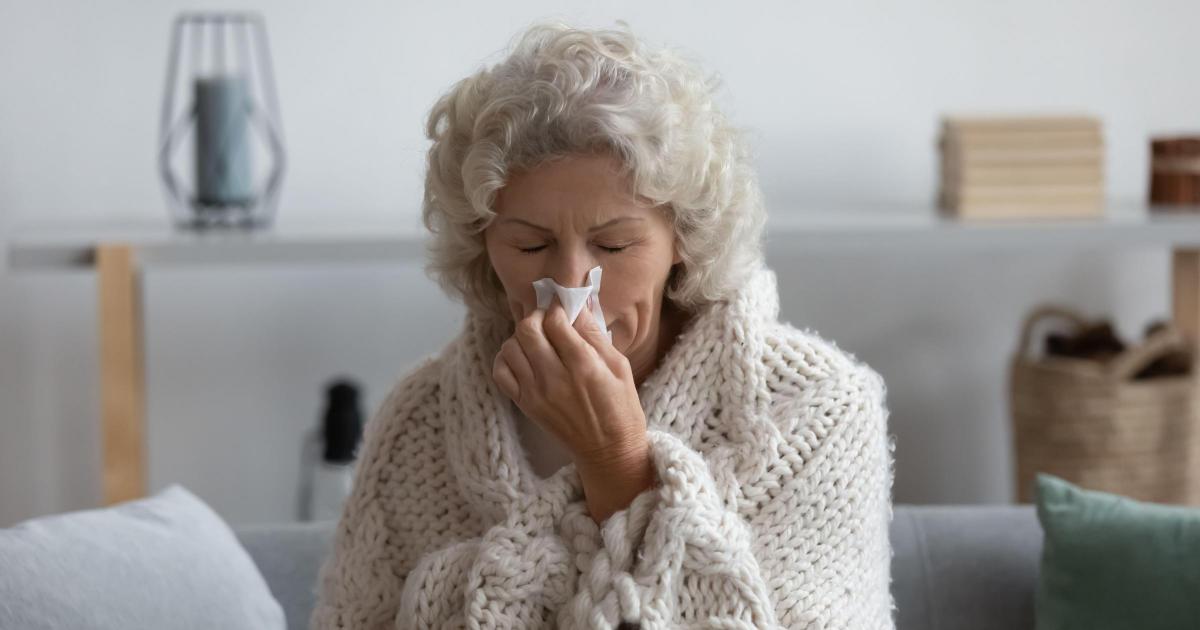

The UK is currently experiencing a “tidal wave” of flu cases, with record numbers being reported across the country.
The sudden increase in cases has taken place earlier than in previous flu seasons, and has the NHS bracing for an “unprecedented wave” of infections.
The level of infection has been so bad that schools across the UK have been forced to close, and chief executive of NHS Providers, Daniel Elkeles, has called for people displaying flu-like symptoms to wear face masks when out in public.
Flu symptoms
Flu symptoms come on very quickly, according to the NHS , and can include:
- Sudden high temperature
- Aching body
- Feeling tired or exhausted
- Dry cough
- Sore throat
- Headache
- Difficulty sleeping
- Loss of appetite
- Diarrhoea or tummy pain
- Feeling sick and being sick
The NHS adds: “The symptoms are similar for children, but they can also get pain in their ear and appear less active.”
How to tell if you have a cold, the flu or COVID-19
GP warns of ‘serious’ illnesses that can be mistaken for flu
But with all the focus on the “unprecedented” levels of flu cases currently sweeping across the UK, General Practitioner (GP) for LloydsPharmacy Online Doctor , Dr Bhavini Shah, has issued a warning to those with symptoms.
Dr Bhavini said: “The flu can share symptoms of a more serious illness. If you are concerned, speak to your doctor.
“Meningitis, malaria, and pneumonia all present similar symptoms to the flu, but are each much more serious and require immediate medical attention as they could become life-threatening.”
Flu-like symptoms to look for, which may indicate a more serious illness, according to the LloydsPharmacy GP, include:
- A non-blanching rash (doesn’t fade when pressed)
- Stiff neck
- A worsening headache
- Sensitivity towards light
- Drowsiness or confusion
- Vomiting
- Breathlessness
- Chest pains
- Coughing blood
When to see a doctor
Dr Bhavini added that in most cases, people won’t need to see a doctor for flu, and should be able to treat symptoms at home.
If you have flu, there are some things you can do to help get better more quickly.
Flu will often get better on its own, but it can make some people seriously ill. It’s important to get the flu vaccine if you’re eligible.
— NHS (@NHSuk) December 8, 2025
The GP added: “Your body’s immune system should be able to combat the virus given some time, though there are some groups of people who should speak to a doctor if they contract a flu.”
Speak to your doctor if:
- You have a weakened immune system (auto-immune disorder, HIV)
- You’re pregnant
- You have a long-term medical condition
- You’re over 65
- Your your symptoms aren’t improving after a week
RECOMMENDED READING:
The NHS added: “Flu is very infectious and easily spread to other people. You’re more likely to give it to others in the first 5 days.
“Flu is spread by germs from coughs and sneezes, which can live on hands and surfaces for 24 hours.
“Try to stay at home and avoid contact with other people if you have a high temperature or you do not feel well enough to do your normal activities.”



