



The UK government has issued advice on what to avoid in the event of a radiation emergency – with other advice on the key foods and water supplies to keep in your cupboards
Amid growing concerns following recent tensions with Iran, questions about nuclear strikes continue to mount, with people questioning how they might possibly prepare for the worst-case – though highly improbable – scenario.
While a nuclear strike on Britain appears an exceptionally remote possibility, officials have published guidance on what actions to take, what supplies to stock and where to shelter during a radiation emergency.
Without access to retailers following an attack, these are the essential items you ought to be stockpiling in your cupboards or freezers ‘just in case’.
When radioactive material settles across an area, soil or water sources can contaminate agricultural produce, farm animals and drinking supplies, according to the gov.uk website.
This mainly impacts fruit and leafy greens, which can become contaminated via their root systems.
Food
Similarly, farm animals risk consuming these contaminated plants from the soil – now radioactive – meaning meat and dairy produce will carry identical risks.
Should this happen, food standards authorities are expected to impose “precautionary restrictions within a defined area”, limiting the sale of any agricultural produce, livestock and animal-derived products.
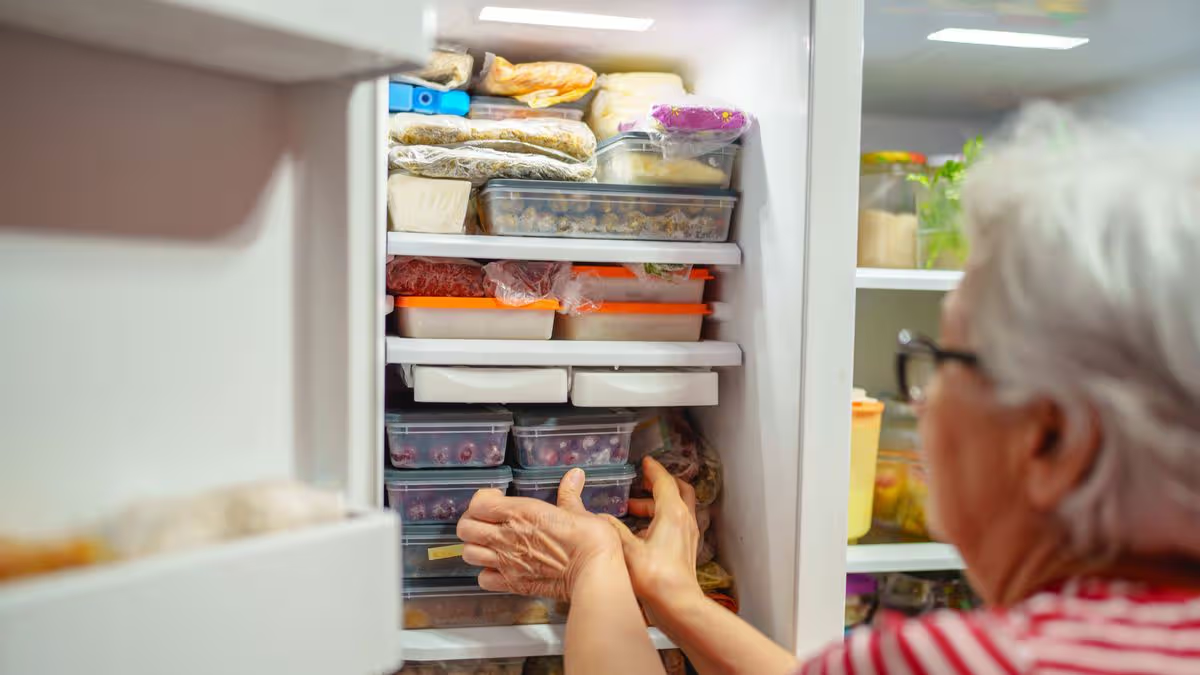
For advance preparation, items you can rely on before or after an emergency include tinned goods and dried provisions. Real Simple has compiled the definitive list for this purpose, guaranteeing you’re selecting foods that can still deliver some degree of nutritional value and variety to your emergency provisions.
Their list of ‘pantry non-perishable’ foods features peanut butter, crackers, nuts, cereal, dried fruits, canned tuna, salmon, chicken, or turkey and canned beans.
The government website explains: “For large releases from overseas nuclear facilities, it is possible that, if certain weather conditions occur, radioactive material carried by the wind may land in some parts of the UK.
“If this happens, it is possible that levels of contamination may be high enough to require restrictions on the sale of contaminated crops, livestock and dairy products within a defined area.”
Water
During a radioactive emergency, extraction of water from rivers, lakes or wells in the affected area may be halted in order to protect water treatment facilities. This could have a major impact on water supply once the treated water stocks run out.
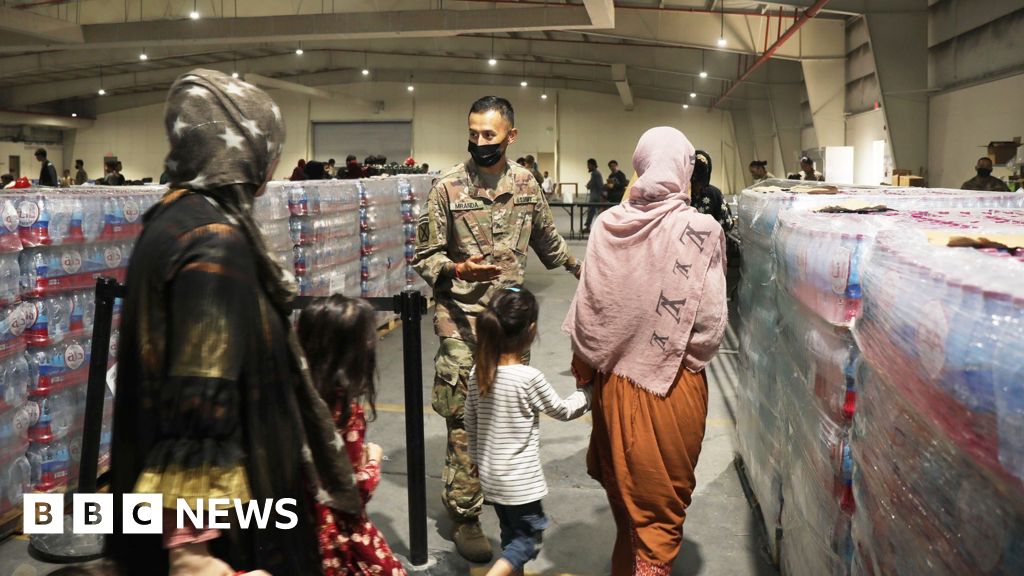
Although water companies have arrangements to provide alternative safe drinking water, such as bottled supplies, it would be wise to build up your own reserve.
Bottled water is commonly used when there are interruptions to local supplies, so regardless of nuclear threats, having a stock could prove beneficial at some point.
Other advice
Additionally, Real Simple highlights several cooking supplies you might not have thought about, should you lose access to gas, power or electricity. They recommend having a backup generator for such situations, whilst a portable camping stove or oven can be extremely useful.
“If you’re stuck indoors, keep a can of Sterno handy,” the website states. “It’s essentially heat in a can. It requires no electricity and can warm up small amounts of food in cookware.”
Regarding the safest place to shelter, UK Government guidance recommends staying indoors with all windows and doors closed. The most secure location within your property, they advise, is towards the centre of the building, positioned as far from external walls as possible.
By doing this, you’re helping to “avoid exposure from any radioactive material that has collected on the outside of the building.”
Should officials instruct you to stay at home, you may need to remain there for several days, making it vital to have these provisions readily available.













































You must be logged in to post a comment Login