News Beat
Historical walk through riverside ruins of Finchdale Priory

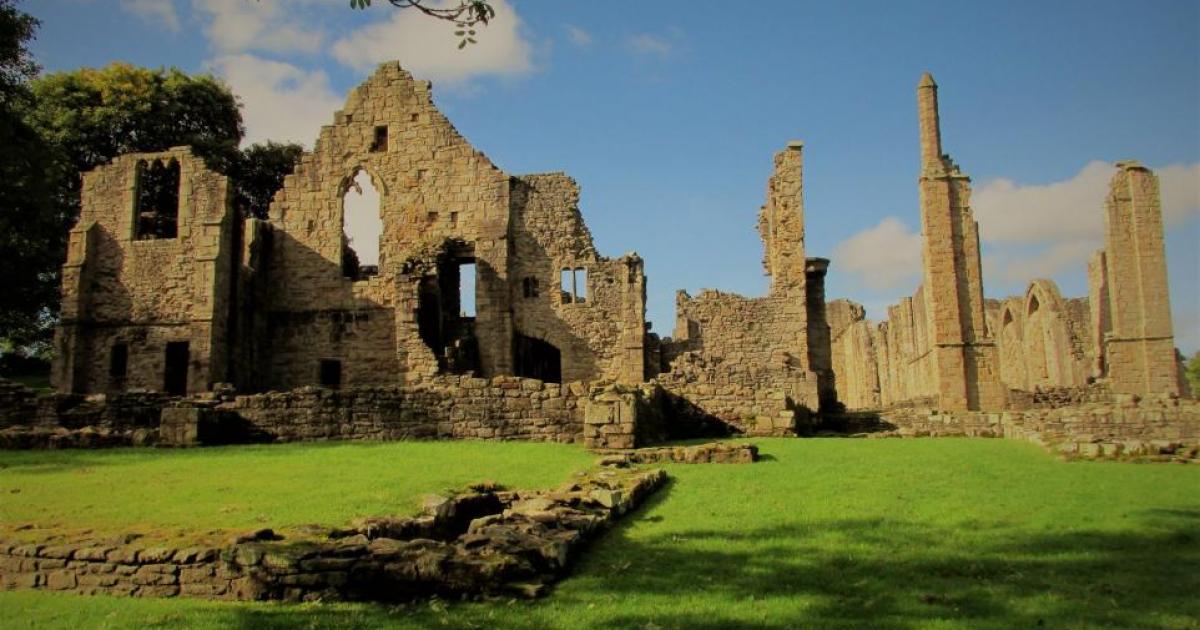
Located at Framwellgate Moor, the site is cared for by English Heritage and is free to enter, offering a combination of riverside scenery and centuries of heritage.
Founded in 1196 on the site of the hermitage of St Godric, a retired sailor and merchant who turned to a solitary religious life, Finchale later became an outpost of Durham Cathedral.
Around 25 years after Godric’s death, his hermitage developed into a priory, and by the mid-14th century was used as a holiday retreat for monks from Durham.
The priory was disestablished in 1535, when many of the lesser monasteries were dissolved.
The Grade One listed building has belonged to the same family since 1951. Initially used as a dairy farm, with a small field for holiday caravans, the family grew the touring park into the venture it is today.

The priory is open daily, from 10am to 5pm between April and October, and 10am to 4pm from October to March.
Visitors are advised to take care when exploring, as some areas have uneven surfaces, hidden drops and sections of falling masonry. Climbing on the ruins is not permitted, and parts of the grounds can become muddy during the winter months.
Ongoing conservation work also means some areas may be temporarily closed for safety reasons.
Parking is available on site and is managed by the neighbouring caravan park, with a £4 charge for a maximum two-hour stay.
Finchale Priory can be found at Finchale Avenue, Framwellgate Moor, County Durham, DH1 5SH.
With its riverside location, rich history and peaceful surroundings, Finchale remains one of County Durham’s favourite free days out.