
News Beat
Home expert issues bedsheet mould warning for December

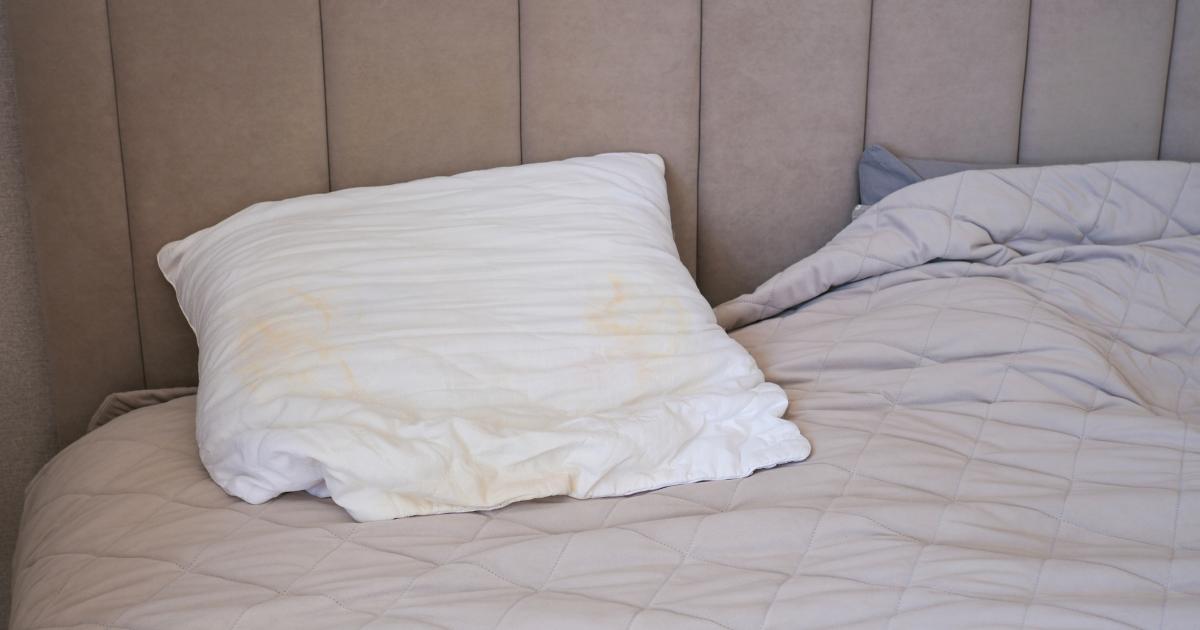

No one’s pointing fingers, but in the colder months, you might want to step up your game to prevent mould forming.
Hygiene is a big factor, and one of the reasons is sweat. If you’re curled up with a hot water bottle during these freezing times, then there’s a strong likelihood you’ll be getting slightly sweaty sheets.
THIS IS WHAT BLACK MOLD LOOKS LIKE.
Black Mold is a fungus that grows in warm, damp areas.
Its spores may mistakenly trigger an allergic reaction in your immune system.
An allergic reaction to black mold may cause various symptoms, including coughing, sneezing, congestion… pic.twitter.com/BWAQWQyIVI
— Doctor Of The Future™ (@g_diets_) October 19, 2025
How often should you wash your sheets?
Adam Norris, Senior Product Manager for Laundry at Hotpoint, says: “Ideally, give your sheets and pillowcases a fresh wash once a week.
“If someone in your household has allergies, sensitive skin, or has recently been unwell, then go for a higher 60°C wash to kill bacteria and dust mites.
“For your regular weekly washes, a 40°C cycle with a good detergent is usually all you need. It’s gentler on fabrics, so your bedding stays softer and lasts longer.”
How often should you wash duvets and pillows themselves (and how?)
Norris explains: “Duvets and pillows can be easy to forget, but they collect sweat, dust, and allergens over time. Aim to wash them every two to three months. Always check the care label first, as some fillings or fabrics may need special treatment or professional cleaning.
“Use a large-capacity machine on a gentle cycle, ideally with a specialist bedding programme. Afterwards, tumble dry on a low heat or air dry completely to prevent dampness.
“This helps stop mould forming and keeps everything feeling fresh.”
What are the dangers of mould?
People living with mould are more likely to suffer from respiratory illnesses, infections, allergies or asthma, external.
Inhaling or touching the spores that mould releases into the air can cause an allergic reaction, such as sneezing, a runny nose, red eyes and a skin rash.
Mould can also trigger asthma attacks and cause coughing, wheezing and breathlessness.



