
News Beat
Homeowners are making sure to complete winter check as temps fall

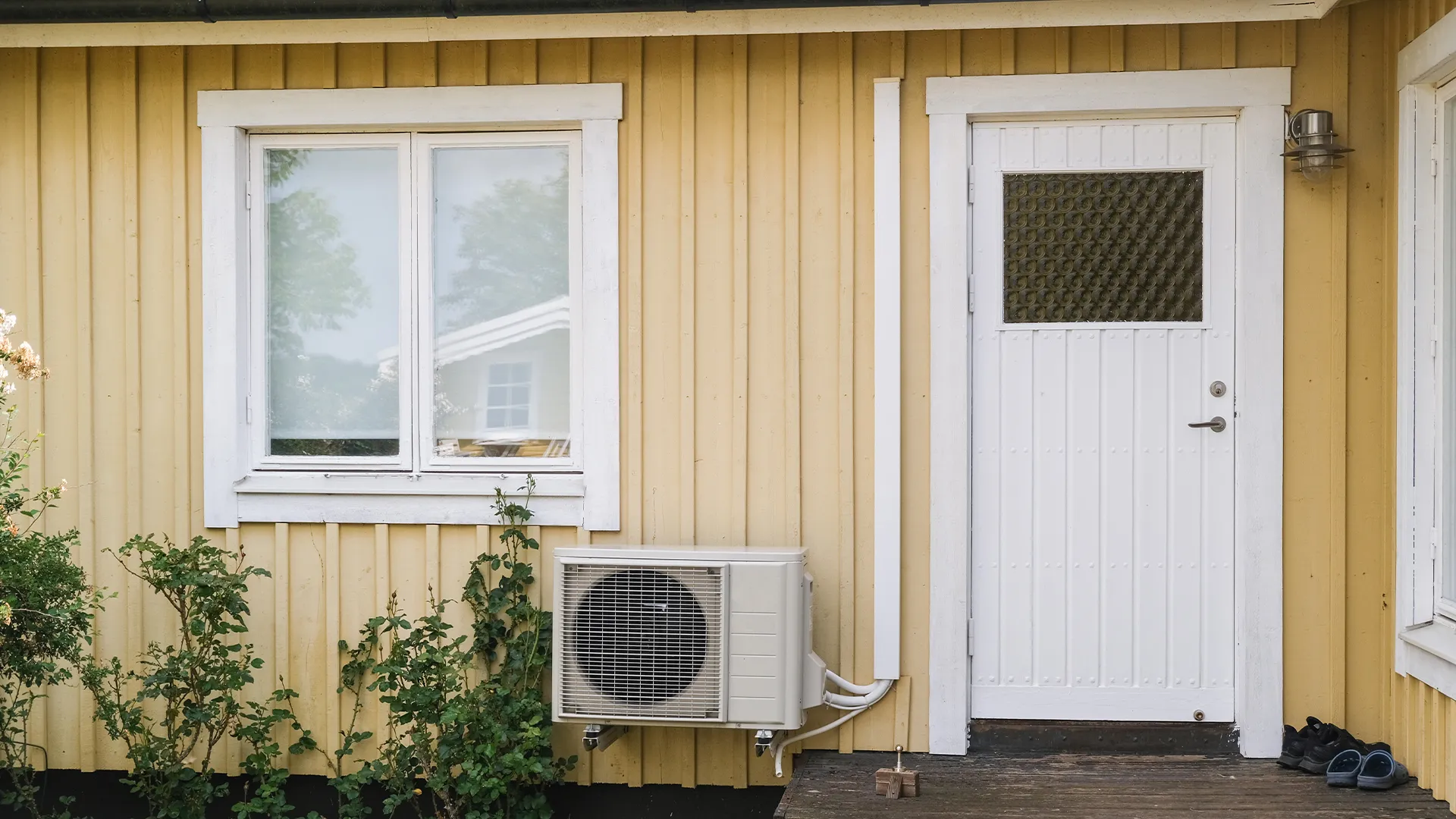

HOME experts are offering their best advice on how to protect your home during the winter to avoid costly mistakes.
Experts say that homeowners who fail to follow their advice could spend over $2,000 on repairs.

Homeowners who live in colder climates should make sure to safeguard their pipes during the freezing winter months.
As the temperature drops, outdoor pipes can easily freeze over, which is why experts at Martha Stewart are urging homeowners to insulate their pipes.
Pipe bursts are among the most common disruptive home disasters during the winter, according to a survey by Hippo Home.
“When temperatures drop, water inside pipes can freeze, expand, and cause cracks,” home insights expert Courtney Klosterman told the outlet.
“Once thawed, those cracks can release gallons of water. The damage often goes beyond plumbing.
“Water leaks can ruin drywall, warp flooring, compromise insulation and damage personal belongings.”
Repairing a broken pipe could cost homeowners thousands of dollars.
“Repairing a burst pipe costs an average of $400 to $1,500, while water damage cleanup can increase the total to $2,000 or more.”
Burst pipes could flood yards, damage foundations, and cause structural issues to a person’s home.
The best way to prevent permanent damage to your home is to insulate your pipes.
“Proper pipe insulation helps prevent pipes from freezing during colder temperatures and can save you from costly repairs,” says Klosterman.
“Preparing your pipes for winter temperatures and holiday entertaining can help you avoid emergencies like pipe bursts and water damage.”
Experts recommend insulating homeowners’ outdoor pipes when temperatures drop below 32 degrees Fahrenheit.
When the weather begins to cool, Klosterman advises homeowners to “identify pipes exposed to cooler temperatures, including those in unheated basements, crawl spaces, or attics.”
Tips for saving money on heating during the winter
Plumbing expert Stewart told The U.S. Sun that he advises against placing large furniture in front of radiators so heat can circulate the room without being blocked.
Next, he recommends cleaning away any dust build-up as part of your maintenance and bleeding process.
“TRVs can not only save you up to 15% on energy bills per year but can also help you with zoning your home,” he says.
“For instance, you can turn radiators down or completely off in the rooms that you don’t use so much, or don’t need to be as warm.
“As part of this, ensure that you are closing doors to rooms and using draught excluders so your radiators are only heating the room they are in, not heating the entire house at once.”
“Insulate exposed pipes in these unheated areas,” she said.
Insulation is essential for those living in warmer climates now experiencing colder temperatures.
“In warmer climates, houses aren’t designed to withstand cold temperatures,” home expert Angie Hicks noted.
“So it’s always a good idea to insulate your pipes before temperatures dip below freezing.”
To insulate your pipes, Klosterman recommends some of her go-to materials.
“Use foam pipe insulation, which is easy to install and provides a good barrier against heat loss,” Klosterman said.
“For more vulnerable pipes,” she adds, “consider using heat tape or cables to keep them from freezing in extreme cold.”



