News Beat
How To Respond When Teens Say Mean Things

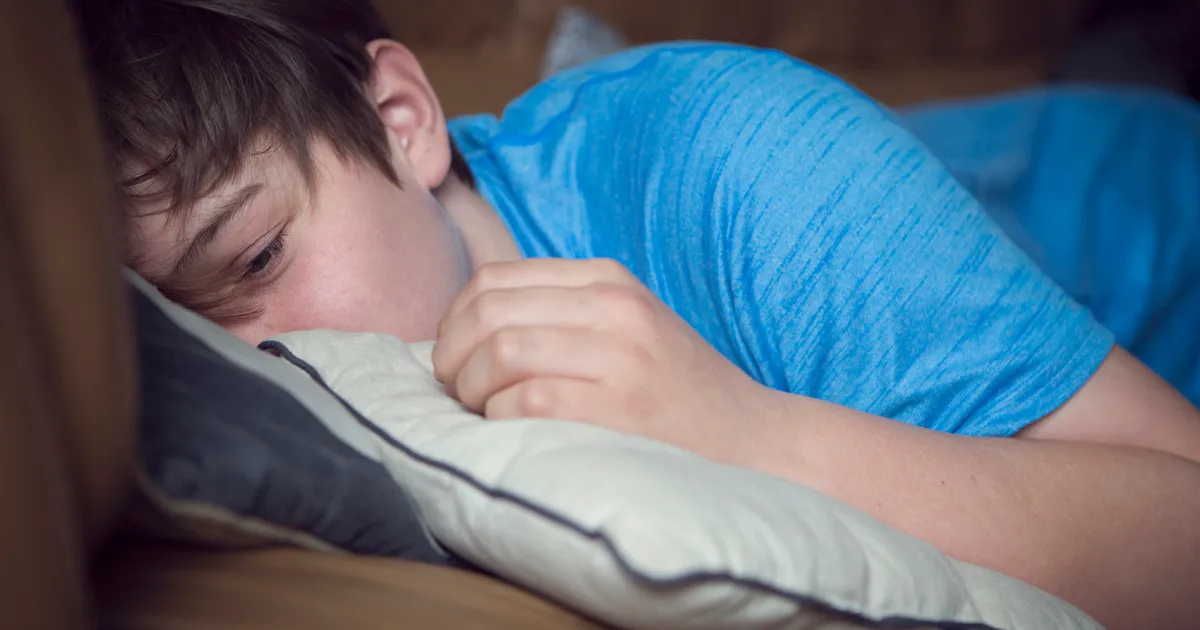
There comes a point in many a parent’s life when their sweet child begins to fire back with cutting remarks and snarky behaviour that’s enough to make you want to go into hiding for the foreseeable future.
We were all teenagers once, it’s a tough rodeo with all those hormones floating around – tougher still with social media adding an extra layer of complexity to the mix. So, the occasional outburst and snide comment are to be expected.
But when is a tween or teen’s mean behaviour too much?
One parent shared on Reddit that their 12-year-old son had started being “nasty and mean” to his family of late.
“It’s mainly in the form of saying rude or mean things unnecessarily,” they explained. “He’s rarely sweet and kind to the point where when he IS nice, I praise him and also am shocked by it. I hesitate to always punish him but there are so few opportunities to praise him recently. There’s always a negative comment coming from his mouth about ANYTHING that comes up.”
The parent noted it’s even got to the point where their son mocks people in TV adverts. “How do I lift him up, level up his kindness?” they asked.
Why are teens mean sometimes?
“Rude behaviour is not ‘normal’ per se, but if viewed through the lens of the developing teenage brain, it can make sense why tweens and teens nowadays may seem snappier and sometimes even mean,” Counselling Directory member Ana Hristov told HuffPost UK.
“Adolescents still lack impulse control, as the part of the brain that deals with reasoning and planning is still developing and maturing. That can result in poor filtering and general bluntness that may come across as rude.”
Another big change around this time has to do with the process of slowly distancing from home and family in favour of friends or peers, explained the BACP registered counsellor, where they go through great efforts to fit in and avoid being perceived by their peers negatively.
On top of this, their nervous system is maturing, meaning teens can experience a heightened sensitivity to stress, “which can make them respond disproportionately to the situation, with small triggers leading to big reactions”.
Counselling Directory member Claire Seadon noted that at this age, there is lots of change occurring: friendships may be more turbulent, school is getting more serious and bodies are changing, too.
In short: it’s a lot. Hristov notes all of this can make everyday interactions at home feel “more charged or combative than before”.
How to handle this behaviour in the moment
It’s OK to let this kind of behaviour slide occasionally (for the sake of not getting into a constant cycle of negative interactions). But equally, there are instances where they definitely need to be pulled up.
Seadon cautioned that if the rude behaviour is directed at siblings, for instance, they need to be pulled up on it immediately “as your other children need a visible demonstration of you taking a firm stand” and it “made clear that it will not be tolerated in your home”.
Doing so reassures them that “you are keeping them safe and sends the message that this type of behaviour is not acceptable,” she added. “When he’s letting rip at people on the TV, you may decide to ignore it, depending on what is being said of course. Pick your battles.”
Hristov noted it’s important you do pull teens up on their behaviour rather than repeatedly letting it slide, though, as “their actions can be hurtful and if not addressed properly they can lead to ruptures in their relationships, or even difficulties navigating social situations later on”.
The counsellor noted that immediate punishment can sometimes escalate the situation further and lead to more conflict. Similarly, responses rooted in further shaming, sarcasm, or power struggles will increase defensiveness rather than encourage reflection.
So, how is best to react? Seadon’s advice for parents in this position is to respond, rather than react. “This is easier said than done, but when your teen is making nasty remarks to you, try to remain calm but state clearly to him that his behaviour towards you is unacceptable,” she said.
“At this point when things are heated, less is more to avoid potential escalation. Get some distance between you both.”
The silver lining here can be that this behaviour may be more prominent at home as they are more comfortable testing boundaries in a safe environment. “Knowing this can help parents take snarky comments with a grain of salt, avoiding over-interpretation or defensive reactions,” said Hristov.
The counsellor recommended “pausing, staying calm, and reflecting on what might be underneath the comment”.
“Is there maybe an element of shame underneath those words? Are they distancing themselves from something they fear being associated with, or echoing attitudes they believe will protect them from negative judgement?” she asked.
In this instance, modelling is important – staying calm, offering non-judgmental responses to show that difficult feelings can be expressed without being hurtful. In doing so, you’re offering “a template for respectful communication”, she said.
Revisit the conversation when everything’s calm
Once things have calmed down, Seadon recommends for parents to have a conversation with their teenager about their comments: “You could gently challenge him to consider how he would feel if someone spoke to him in that way? It’s important to hold in mind that you are very likely the person he trusts most in the world and with whom he feels safe, which could be a reason for his explosive behaviour at home, but that does not excuse it.”
During this conversation, she advises exploring if they have any worries or concerns: are they being bullied at school? Having friendship troubles? Struggling with school work?
“Make it clear that he can always come to you and you will listen and do your best to help him,” she said. “Having a regular, informal check in with him, could be helpful going forward as it opens up a safe space for communication.”
At the same time it’s also worth looking at your child’s wider lifestyle: are they getting enough sleep? How much time are they spending on screens? What’s their diet like? Do they play sport? (The therapist noted the latter can help release pent up frustration and rage, and team sports can provide a sense of belonging while also keeping teens “occupied and healthy”.)
“A tool kit of strategies to keep him physically and emotionally healthy could be really beneficial for you all, as healthy habits will aid his emotional regulation and hopefully reduce his outbursts, as he navigates adolescence,” she concluded.
“Lastly, parenting teens and tweens is hard work so it’s vital that you take time out to recharge your batteries.”