
News Beat
How To Stop Getting Up To Pee At Night

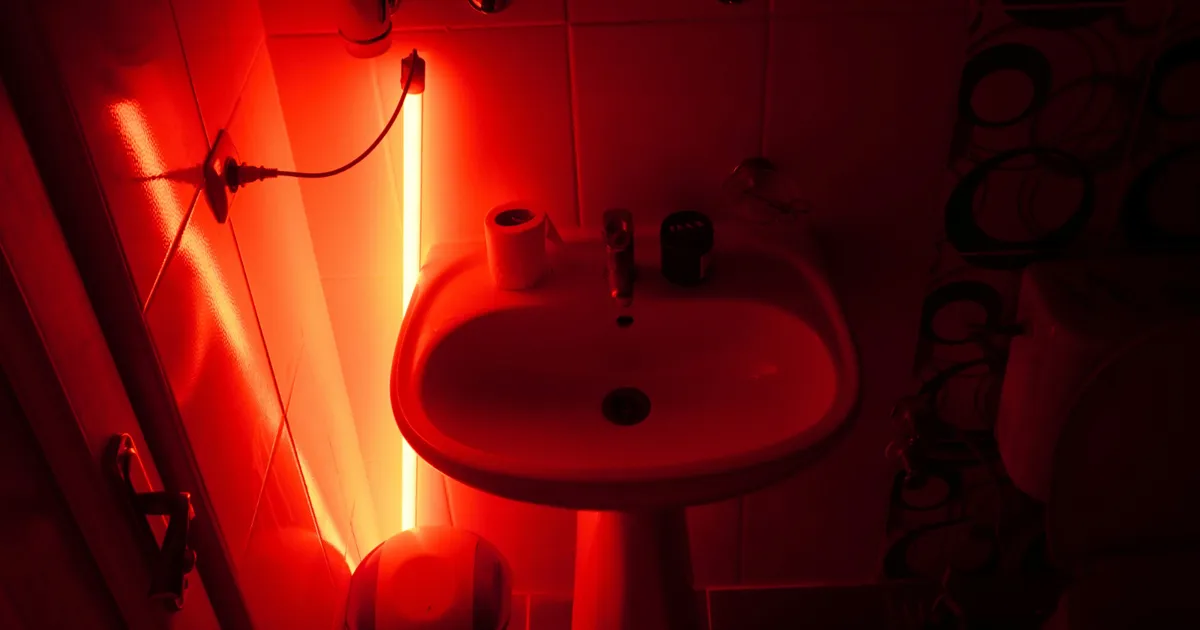
There’s actually a term for getting up to pee in the middle of the night: nocturia.
Most people will experience more nocturia as they age, because older bodies create less antidiuretic hormone (ADH), which helps us “hold it in”.
Still, while peeing up to twice a night is within the realm of normal (that number goes up to four times a night for those over 90), the NHS said that going more than that per night might mean you need to see a doctor.
Nocturia sometimes happens after drinking alcohol, because of certain medications, or due to drinking too much water close to bedtime.
The British Association of Urological Surgeons shared that light exercise like walking could help to decrease the number of times you make that midnight trip to the loo – a suggestion backed by a 2007 study.
Why might walking lower the number of loo trips at night?
The 2007 research, published in Biomedical Research, looked at 30 men with an average age of 71.
The researchers recorded their nocturia rates before and after walking at a brisk pace for half an hour in the evening for eight weeks.
Just over two-thirds (67%) of the men said they experienced deeper sleep, which the researchers think might explain why nocturia instances went down so much.
The number of times they got up to pee shrank from about three times per night, on average, to two times per night.
60% of participants enjoyed “excellent” or “good” results after the end of the trial, meaning they experienced less nocturia.
Why might walking help reduce nocturia?
This is not the only study to find an association between light exercise and decreased instances of nocturia.
Some researchers think this might be because exercise can help to reduce sympathetic nervous system activity and lower systemic inflammation levels.
A 2015 study, which also looked into walking and nocturnal polyuria, or the overproduction of urine at night, found that walking before dinner was linked to a reduction in nighttime bladder voiding from 2.3 times a night to 1.6 times.
They suggested that walking could get rid of excess fluid through sweating, too.
When to see a doctor about nocturia
Rarely, nocturia can be a sign of diabetes, high blood pressure, bladder or prostate problems, or heart disease, though the NHS stresses most cases aren’t anything to worry about.
Per the Cleveland Clinic, “contact your healthcare provider if you find yourself waking up to pee more than once or twice per night”.
The site suggested: “It may be a sign of something else going on, and the frequent wake-ups may leave you feeling exhausted.”



