

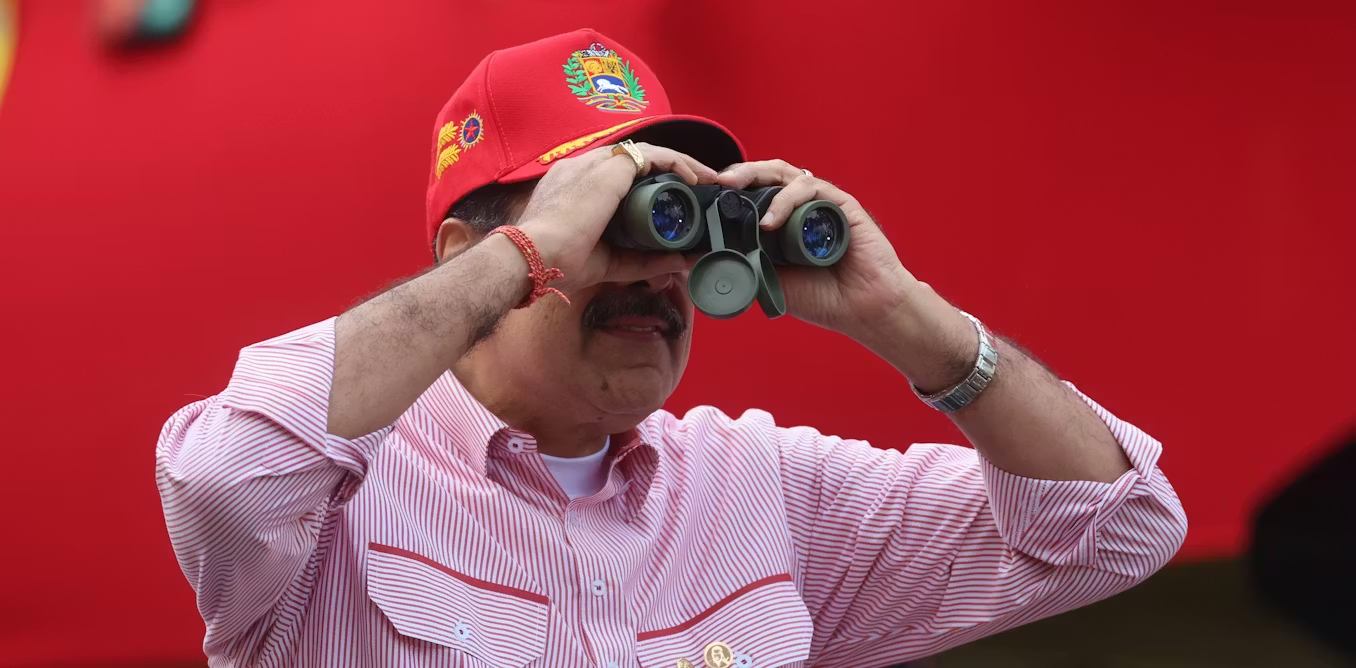
In the latest escalation of tensions between the US and Venezuela, on December 17 US President Donald Trump ordered a “complete blockade” of sanctioned oil tankers going into and out of Venezuela. His Venezuelan counterpart, Nicolás Maduro, called the move “warmongering threats”, and accused the US of trying to steal its resources.
Since September, US military operations in the Caribbean have killed at least 95 people in 25 strikes. The Trump administration says it is targeting drug traffickers, but US lawmakers are now investigating some of the strikes amid mounting criticism of their scope and intent.
Meanwhile, Trump has placed a US$50 million bounty on the head of Maduro, and authorised the CIA to conduct covert lethal operations inside Venezuela.
In this episode of The Conversation Weekly podcast, we speak to Pablo Uchoa, a PhD candidate researching Venezuela’s military scenario planning, on how Venezuela has long been preparing for this moment.
He traces that planning back to 2002 and an unsuccessful coup attempt against former Venezuelan leader, Hugo Chávez. Uchoa explains that two important influences on Chavez’s thinking at the time were Vietnam and Iraq:
Obviously the Vietnamese army expelled the Americans just by making it so hard for the Americans to stay in – and the same thing with Iraq, in different ways. The basic idea here is that the fight is not just army against army. This is … people against an army.
Listen to the interview with Pablo Uchoa about the Venezuelan military scenario planning on The Conversation Weekly podcast.
This episode was written and produced by Mend Mariwany and Gemma Ware with production assistance from Katie Flood. Mixing by Michelle Macklem and theme music by Neeta Sarl.
Newsclips in this episode from NBC News, BBC News, Geopolitical Economy Report, Al Jazeera English, AP Archive, the Straits Times, Euronews, CBS News and Reuters.
Listen to The Conversation Weekly via any of the apps listed above, download it directly via our RSS feed or find out how else to listen here. A transcript of this episode is available via the Apple Podcasts or Spotify apps.



