

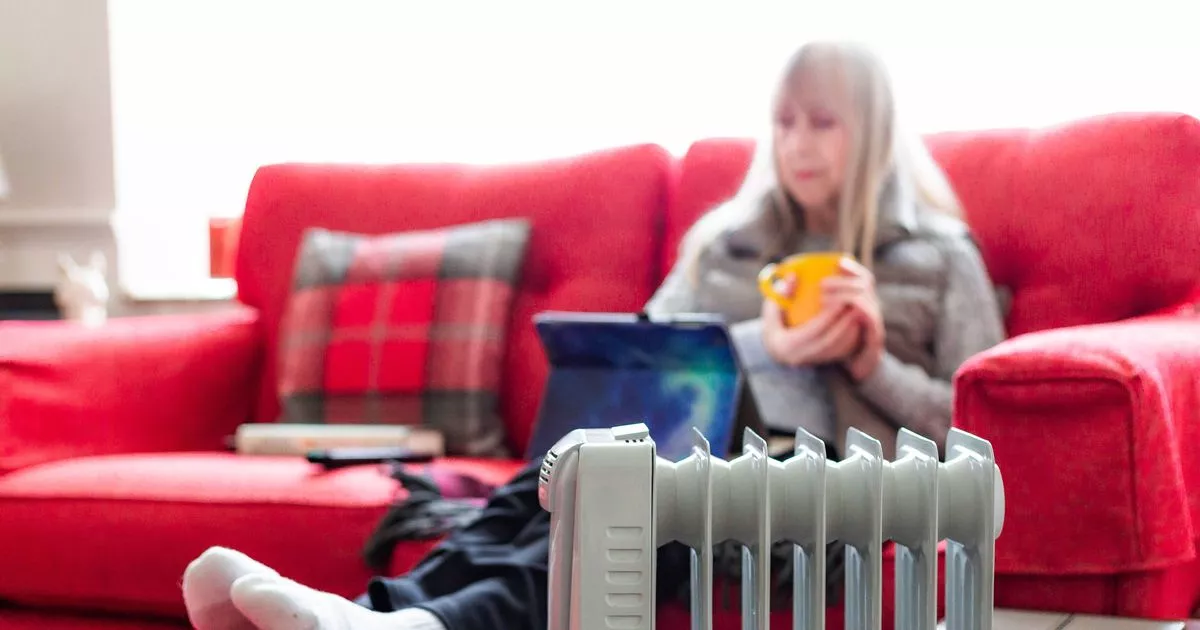
People will be doing all they can to lower their central heating bills
With energy bills significantly higher than they were just three years ago and a cold snap on the horizon due to an Arctic blast, Brits are doing everything possible to reduce their central heating costs.
Fortunately, there are numerous cost-free measures you can take to lower your bills — here are five that experts unanimously agree on. However, one frequently debated method is whether it’s more economical to keep your heating on low all day or only switch it on when necessary. Many argue that keeping the heating on low all day is cheaper and more efficient. But experts disagree, reports Wales Online.
Ryan Willdig, from Heatforce, stated: “There has been a lot of misinformation over the years that leaving the heating on low all day is a lot more cost-efficient than just using it when you need it. In reality, it’s far more efficient and cost-effective to only use the heating when required.”
Gav Murray, Hive heating director, commented: “Although some households leave their heating on at a low temperature all the time, this isn’t the most efficient approach and can often be costly. Instead, the Hive team advises using schedules so that you can set your heating to come on at the right times for you.
“For example, setting it to switch on half an hour before you get out of bed in the morning, between 18°C and 21°C, will make sure your house is warm for when you’re showering and having breakfast, without leaving it on all night. In addition, setting your heating to come on 30 minutes before you get back home in the evening avoids heating an empty house if everyone is out during the day.”
Zoe Morris, savings expert at VoucherCodes.co.uk, said: “We’ve all heard the tip that keeping the heating on all day at a low temperature will stop your home from getting cold and save money compared to shorter, more intense heating bursts. And on the surface, it sounds like a sensible idea.
“But, in reality, heating a house for hours is more expensive than only turning it on when you need it. When you leave your heating on constantly, energy usage builds up, and you’re likely paying for warmth in rooms you aren’t even using. The smarter approach, according to Zoe, is to heat only the spaces you’re occupying, and use timers or smart thermostats to ensure you’re not paying for wasted energy.”
Kevin Pennington, from Lancashire Air Conditioning, said: “Rather than leaving it running all day, set it to come on just before you get up or come home – that way, you’re not paying to heat an empty house.”
The Energy Savings Trust states: “Is it better to leave the heating on all day rather than turning it off and on? If you have a boiler, then no – keeping your heating on all the time will use more energy and cost you more money. It’s more energy efficient, and better for your bills, to have your boiler come on when you need it.”
However, it adds: “But if you have a heat pump, then you can save money by leaving the heating on all day.”
But resist the urge to turn the thermostat up high when entering or waking up to a chilly home. Jamie Burns, an energy efficiency specialist from reliability firm Ailsa, explains: “Turning it up to 25°C does not heat rooms faster. It overshoots, wastes energy and makes the system short-cycle.”
Yet Heat Geek, an advisory service that provides heating guidance, training and heat pump installations, suggests the matter isn’t clear-cut. The organisation indicates that households spending considerable time at home – such as throughout evenings and weekends – might benefit from constant heating with either heat pumps or modern condensing boilers fitted after 2005.
In such cases, they recommend maintaining continuous heating whilst reducing temperatures to approximately 18-19°C.
What temperature should I set the thermostat to?
Many experts agree on the ideal thermostat setting. Hive recommends people set their main thermostat between 18°C and 21°C.
Gav Murray, Hive heating director, said: “Most Hive thermostat users choosing to set theirs to 18°C. For an average household lowering the temperature by just one degree could save as much as £115 a year, and spring is the best time to give this a go as it’s not too cold outside.”
Tom Edmunds, Heating Expert and General Manager, Wunda Group: “Turning your thermostat down by just 1°C can save the average home up to £80 a year on their energy bills.”
How else can I lower by heating bills?
There are five straightforward and cost-free methods to reduce your heating bills here. They include:
- Draught-proofing your home by checking windows and doors
- Using your thermostat properly
- Only heating the rooms you’re using
- Using your boiler and radiators properly
- Keeping yourself warm first
Tom Polkinghorne, director of Creations Building and Landscaping, a home improvement firm with over 25 years experience, says: “The main thing for reducing heating bills is efficiency. A lot of homes use more energy to heat their home than they should, because the heat escapes too quickly.”



