

As the cold snap hits the UK, it’s essential to know how best to keep your property warm whilst keeping costs down
The lowest temperature you should heat your home to prevent your pipes from freezing whilst keeping energy bills down has been revealed. Brits are facing freezing cold weather with temperatures plummeting to lows of -5C across the country.
During this cold snap, homeowners may experience frozen pipes, which is a common yet costly issue caused by the severe drop in temperatures. This can stop your heating and hot water from working properly, but in the worst case, it can also cause pipes to burst, causing leaks and even flooding.
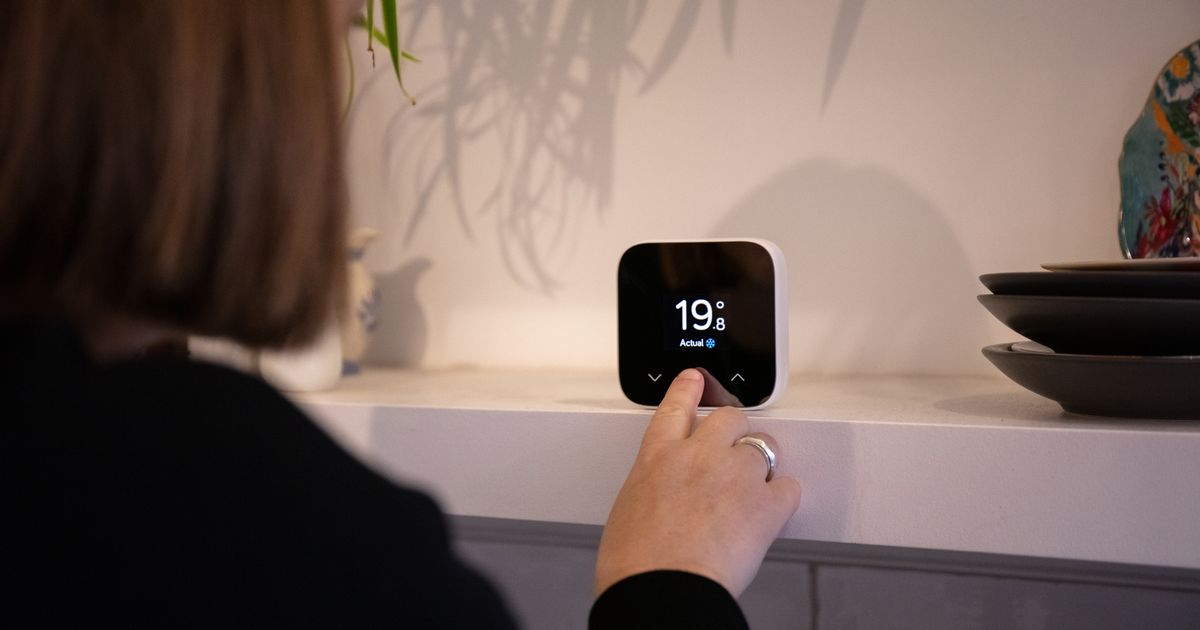
To avoid frozen pipes, it’s important to effectively heat your home in the winter months. An expert has now revealed the best temperature to set your heating at to keep you and your property warm, without driving up your energy bills. Boiler expert Gordon Wallis from Your NRG advised keeping the thermostat set to a minimum of around 10C.
“Many people make the mistake of turning their heating off completely in a bid to save money, but this can leave pipes vulnerable when the cold snap arrives,” Gordon advised. “Keep the thermostat set to a minimum of around 10C to provide enough warmth to prevent freezing. Those with smart thermostats can benefit from remote monitoring and adjustment through their phones if temperatures drop suddenly.”
The boiler expert also said that areas such as garages, basements and lofts are particularly vulnerable because they are often unheated. “Wrapping insulation around the pipes provides an extra layer of protection and is both affordable and easy to install, reducing the risk of damage before the worst of the weather sets in,” he added.
Gordon also suggested to turn off the mains water supply if you are away. “If you are planning to be away during the cold snap, turning off the stop tap means no water can flow through the system if a pipe freezes and cracks.” He suggested opening the lowest tap in the property after turning the supply off to release any pressure still in the pipework, which can prevent a small problem from becoming a major repair.
The expert also advised checking your boiler’s pressure gauge, which should typically sit between 1 and 1.5 bar. “Low pressure can cause the boiler to stop working when you need it most. He also encouraged homeowners to use frost protection mode if their boiler has it, as this automatically switches the heating on if the internal temperature drops too low,” he said.



