

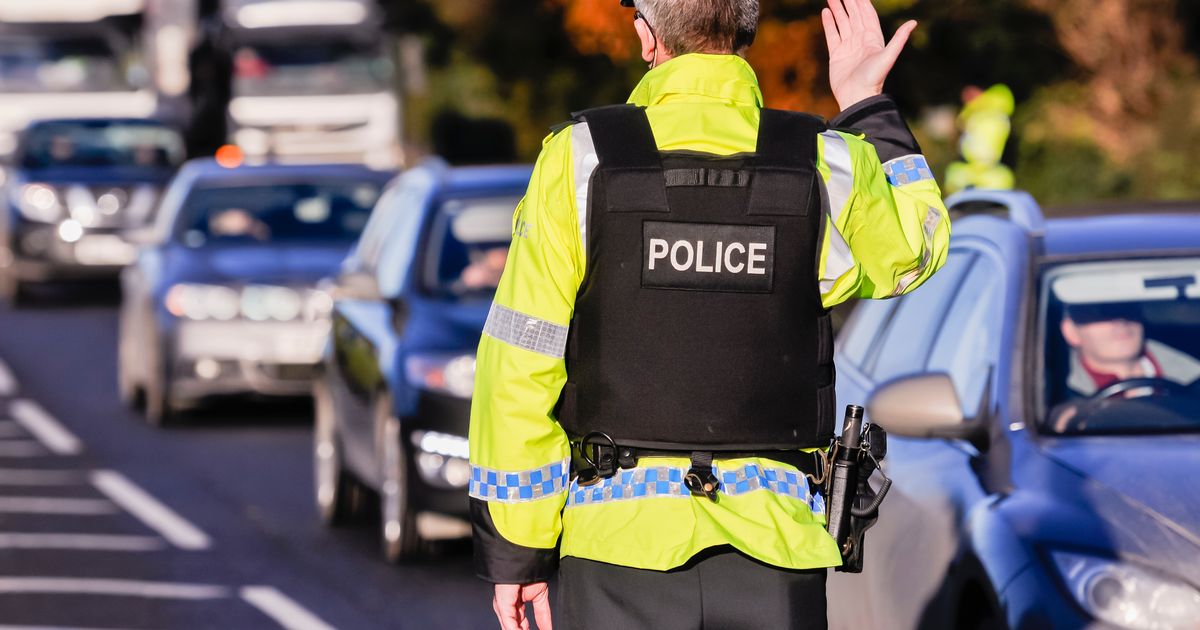
The Government is also planning new powers to suspend driving licences and longer times for learners
Cutting the drink-drive limit in England and Wales is among Government plans in response to the “stalled” progress on road safety. The road safety strategy also proposes to require some convicted drink-drivers to have alcolocks fitted to their vehicles, and new powers to suspend driving licences for people suspected of drink or drug-driving offences.
Other planned measures to be consulted on include introducing mandatory sight tests once drivers reach 70, a minimum learning period for new drivers, and a crackdown on uninsured drivers and illegal number plates. The strategy – which is the first of its kind in more than a decade – aims to reduce deaths and serious injuries on Britain’s roads by 65% by 2035, and by 70% for children under 16.
Twenty-two European countries have made “more progress than the UK” in reducing road crash deaths, the Department for Transport (DfT) said. The number of people killed on Britain’s roads has generally declined since the 1970s but the decrease has slowed from 2010.
Decrease in road deaths has declined
There were 7,763 road deaths in 1972, 1,850 in 2010 and 1,602 in 2024. Transport Secretary Heidi Alexander said: “Every life lost on our roads is a tragedy that devastates families and communities. For too long, progress on road safety has stalled. This strategy marks a turning point.
“We are taking decisive action to make our roads safer for everyone, from new drivers taking their first lessons to older motorists wanting to maintain their independence. The measures we are announcing today will save thousands of lives over the coming decade.”
The drink-drive limit in England, Wales and Northern Ireland is 35 micrograms of alcohol per 100ml of breath, which is the highest in Europe alongside Malta. Under the strategy, this may be reduced to 22 micrograms in England and Wales, bringing those nations into line with Scotland, which cut its drink-drive limit in 2014.
The power to reduce Northern Ireland’s drink-drive limit is devolved to the Northern Ireland Assembly. The DfT said some drink-drive offenders may be required to have alcolocks installed in their vehicles as a condition of being allowed to drive again.
Alcolocks for UK like US, Australia and Canada
Alcolocks are devices which prevent a vehicle from being started or driven unless the motorist passes a breath test. They are already used in several countries – such as Australia, Belgium, Canada, the Netherlands and the US – in return for shorter driving bans.
Officials hope introducing sight tests for drivers aged 70 and above will help protect all road users. Drivers are currently not subjected to mandatory tests once they obtain their licence, no matter how old they become, although they are required to inform the Driver and Vehicle Licensing Agency (DVLA) if they are no longer fit to drive.
AA president Edmund King described the strategy as a “radical reframing of road safety”, while RAC road safety spokesperson Rod Dennis said it “can’t come soon enough” as he particularly welcomed the long-waited reintroduction of casualty reduction targets.
Nicholas Lyes, director of policy and standards at charity IAM RoadSmart, said the measures are “robust policies to make our roads safer” following a “lost decade” in reducing deaths and serious injuries from crashes.
RAC road safety spokesperson Rod Dennis said: “We’ve long said the dial needs to be turned up when it comes to reducing road casualties, so we warmly welcome this strategy – and especially the reintroduction of casualty reduction targets, that were scrapped 16 years ago.
Four people killed every day
“The simple truth is that this strategy can’t come soon enough. Britain might have some of the safest roads by international standards, but on average four people are still killed and 76 seriously injured every single day. That’s an unacceptable number of lives being ruined or cut short.
“The strategy addresses many areas we know drivers are concerned about, including drink and drug-driving, ‘ghost’ plates and dazzling headlights. The inclusion of a commitment to consult on the use of alcohol interlocks for convicted drink-drivers – which are internationally proven to save lives – is particularly encouraging, especially given the extent to which drivers are supportive of their use. It’s also positive to see proposals on the table for both improving young driver safety and tackling the scourge of uninsured drivers who push up motor insurance costs for everyone.
“It’s important to remember the ultimate success of any new or updated penalties or laws will depend on awareness among drivers and enforcement. But undoubtedly this strategy is a real chance to give the whole topic of road safety the focus and public attention it deserves. What we need now is for it to quickly evolve into a set of concrete actions that make the roads safer for everyone.”



