






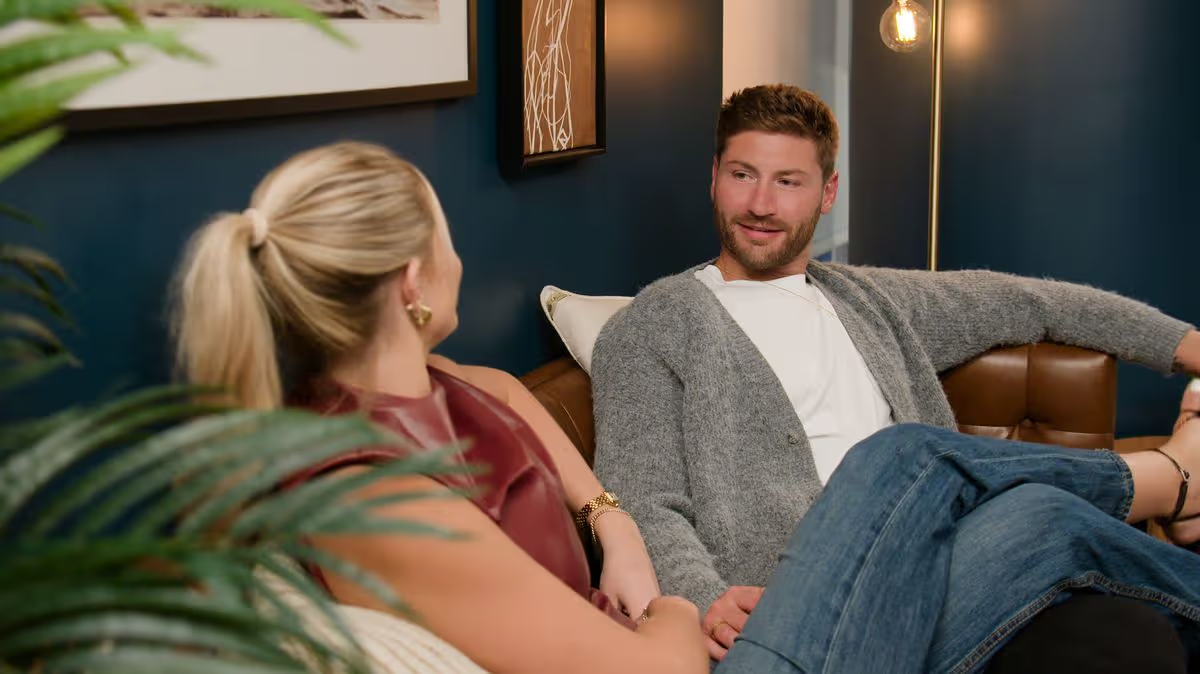
Netflix has shared never-before-seen Age of Attraction footage exposing a love story that was completely cut from the reality series
Netflix has released deleted scenes from Age of Attraction that unveil a hidden romance fans never got to witness. The reality programme brought together 40 singles ranging in age from 22 to 60, each given the opportunity to find love without ever discovering one another’s ages.
A Netflix synopsis teases: “Age is thrown out the window when singles search for their soulmates in this dating series. Is love truly ageless, or will the years come between them?”
The initial contestants were narrowed down to just five couples by the final commitment ceremony, where each pair decided whether they wished to continue their relationship outside of the experiment. Among them was Andrew Wheeler, 38, who departed the show with girlfriend Libby Vodicka, 22.
READ MORE: Emmerdale confirms Graham Foster poisoned Kim Tate in revenge bombshellREAD MORE: Netflix’s dystopian series fans say is ‘as good as Handmaid’s Tale’
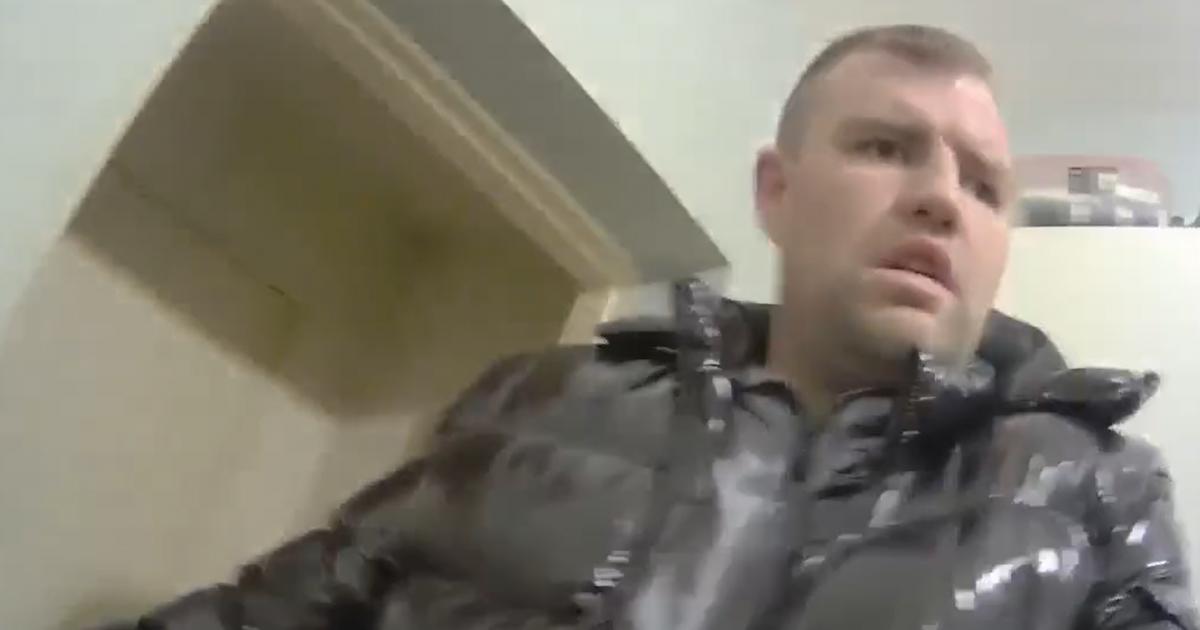
However, it turns out Andrew had another significant connection that was cut entirely from the reality series. Tudum has unveiled previously unseen footage revealing Andrew’s romance with 39-year-old Ashley, whom he began pursuing a connection with during the retreat stage of the experiment, reports the Mirror.
The exclusive clips show Andrew and Ashley engaging in a flirtatious conversation as they reflect on their experiences in the show. Andrew is then heard drawing comparisons between his relationships with Libby and Ashley. He told Ashley: “Libby has been fun. I feel like my connection with her is a little bit different than, my connection with you. I feel like we have… it’s very calming, very chill.”
Business owner Ashley then opened up about her previous relationships, disclosing that she is a virgin and her ex “thought he could handle it but he couldn’t”.
She explained: “I haven’t told anyone else here this. I am a virgin that has been waiting for marriage. I get that’s different. I get that’s probably weird.
Get Netflix free with Sky
Sky is giving away a free Netflix subscription with its new Sky Stream TV bundles, including the £15 Essential TV plan.
This lets members watch live and on-demand TV content without a satellite dish or aerial and includes hit shows like Stranger Things and The Last of Us.
“I understand it’s not for everyone. I don’t expect the person I’m with to have done that [abstinence] either. This is a very personal choice I made when I was younger, and it ties to the romantic side of me.” While Ashley was apprehensive about Andrew’s reaction, she visibly relaxed following his understanding response.
He said: “I don’t feel any type of way about that. I think if anything, it shows how strong of a person you are. And you should be proud of yourself. ” Despite their spark, Andrew subsequently ended things as he felt a stronger connection with Libby.
The new footage also uncovers little-known friendships and romances that were left on the cutting room floor. Fans will also be pleased to hear that Age of Attraction has already been commissioned for a second series, with hosts Natalie Joy and Nick Viall set to return.
Age of Attraction is streaming now on Netflix




































You must be logged in to post a comment Login