

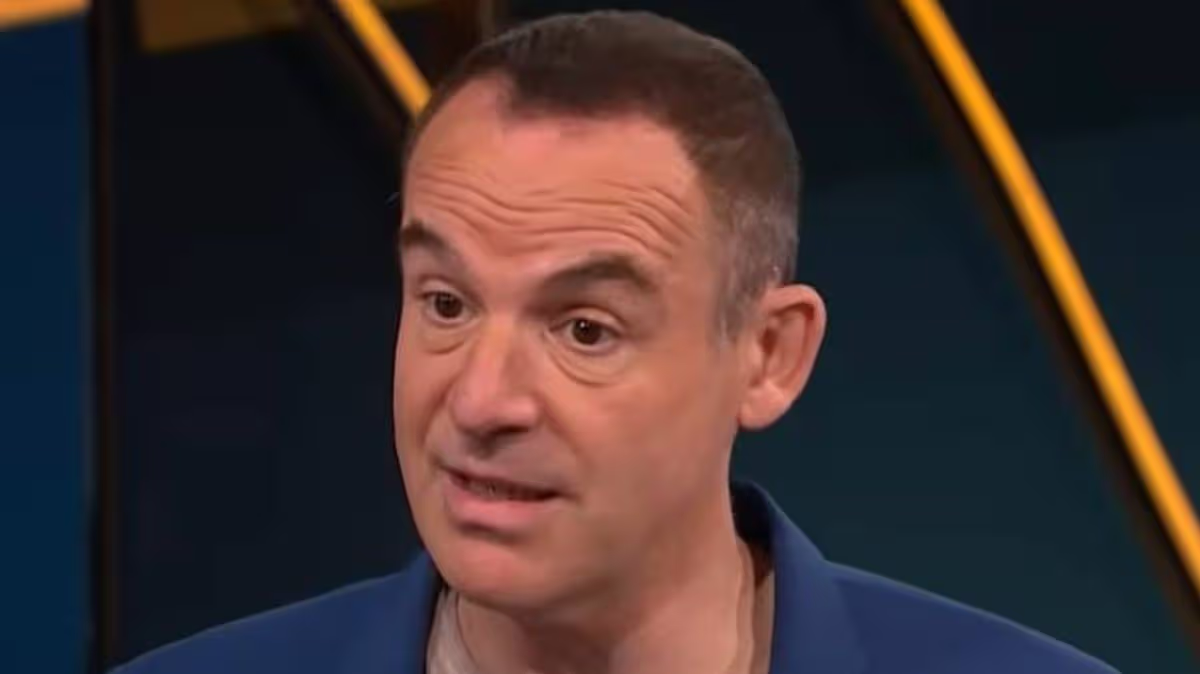
Martin Lewis has helpful tax guidance for pensioners
Martin Lewis has shared valuable tax guidance that pensioners would do well to take note of. During an episode of his BBC podcast, the consumer champion addressed a broad range of tax-related questions.
The programme explored subjects including income tax changes impacting state pensioners, alongside how inheritance tax and capital gains tax operate. Mr Lewis was accompanied by two tax specialists to help clarify the regulations, including chartered accountant Rebecca Benneyworth.
A listener called Cathy, 80, contacted the show to explain she was finding it difficult to complete her HMRC self-assessment forms – something many people must do annually. The next deadline for submitting your self-assessment tax return for the previous tax year is January 31, 2027 – but Martin advises against waiting until the deadline approaches.
Not submitting your tax return punctually can lead to penalties. The pensioner said she only owed £150 in tax and had attempted to secure assistance from a tax adviser, but many were imposing substantial charges.
Mr Lewis reminded listeners that completing your self-assessment between October and December, well in advance of the annual January deadline, is highly recommended. Ms Benneyworth also detailed some of the support available for elderly taxpayers, reports the Mirror.
She said: “If you are on a low income, there are two tax charities. One I’m thinking of is Tax Help for Older People. They have an army of volunteers – I’ve worked as a volunteer in the past – for elderly people on low incomes.
“They will come round to your house and they will sit with you, and they will sort out your tax.” The tax specialist then pointed the caller towards another charitable organisation that could offer further assistance.
Ms Benneyworth continued: “The other one is Tax Aid. They are more London-based but you can deal with them on the phone or by email. Again, they help people who’ve got low incomes who have got themselves into a mess with their tax affairs for free.
“Lots of tax professionals make donations to those charities at the end of the year because we all think they do an absolutely fabulous job.” The accountant also put forward another route for gaining a better understanding of HMRC regulations.
She went on to say: “I wouldn’t suggest it to everybody but you might get a bit of help on webchat [on the Government website]. HMRC is devoting quite a lot of money and resource to webchat.
“Some of it is the computer says yes or no, but if you are asking questions that they think you need a real life advisor, you may well be able to get put on to an advisor, who might help you.”
Offering his own perspective, Mr Lewis noted that improving services is ultimately in the Government’s interest. He remarked: “This isn’t about a cost [for HMRC]. Ultimately, do it right and you collect more tax revenue, because people are paying the right tax. When you don’t know what to do, it’s not good for society.”
Mr Lewis’ Money Saving Expert website offers guidance regarding the 2027 deadline, stating: “If you’re self-employed or had extra income last year, you may need to file a self-assessment tax return. For the 2025/26 tax year (which ended on 5 April 2026) you have until 31 January 2027 to submit online.”
Ensuring your tax return is filed punctually by January 31 is essential, as missing the cut-off could result in escalating financial penalties. The taxcalc website warns: “If you miss the deadline you’ll be subject to the late filing penalty rules.”
The MSE website further cautions: “Missing the deadline for filing your return means an automatic penalty of £100 – and these penalties increase the longer you leave it.”




















































You must be logged in to post a comment Login